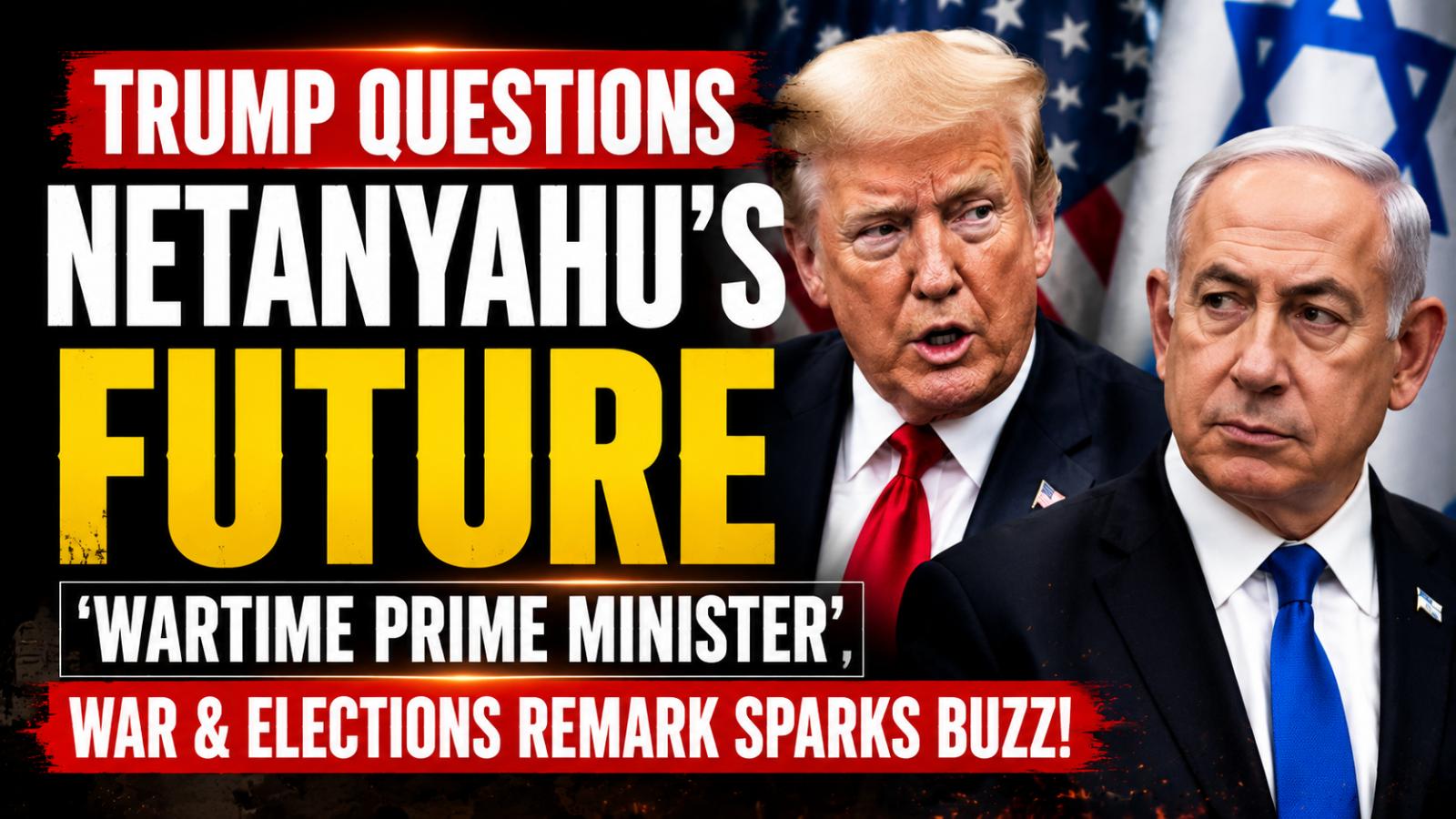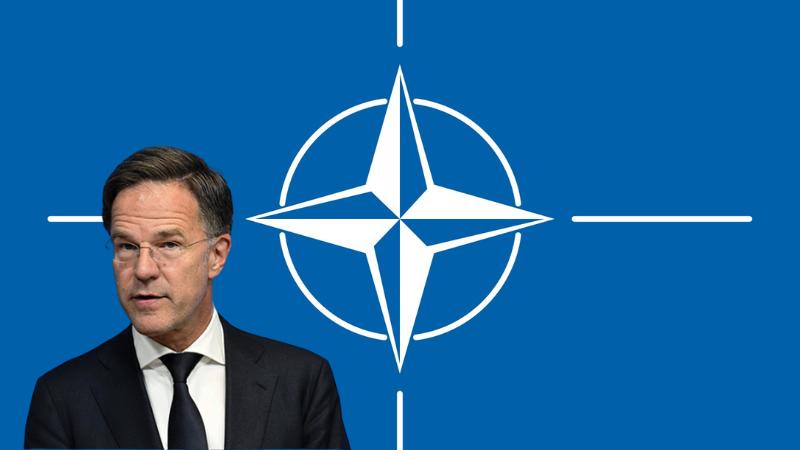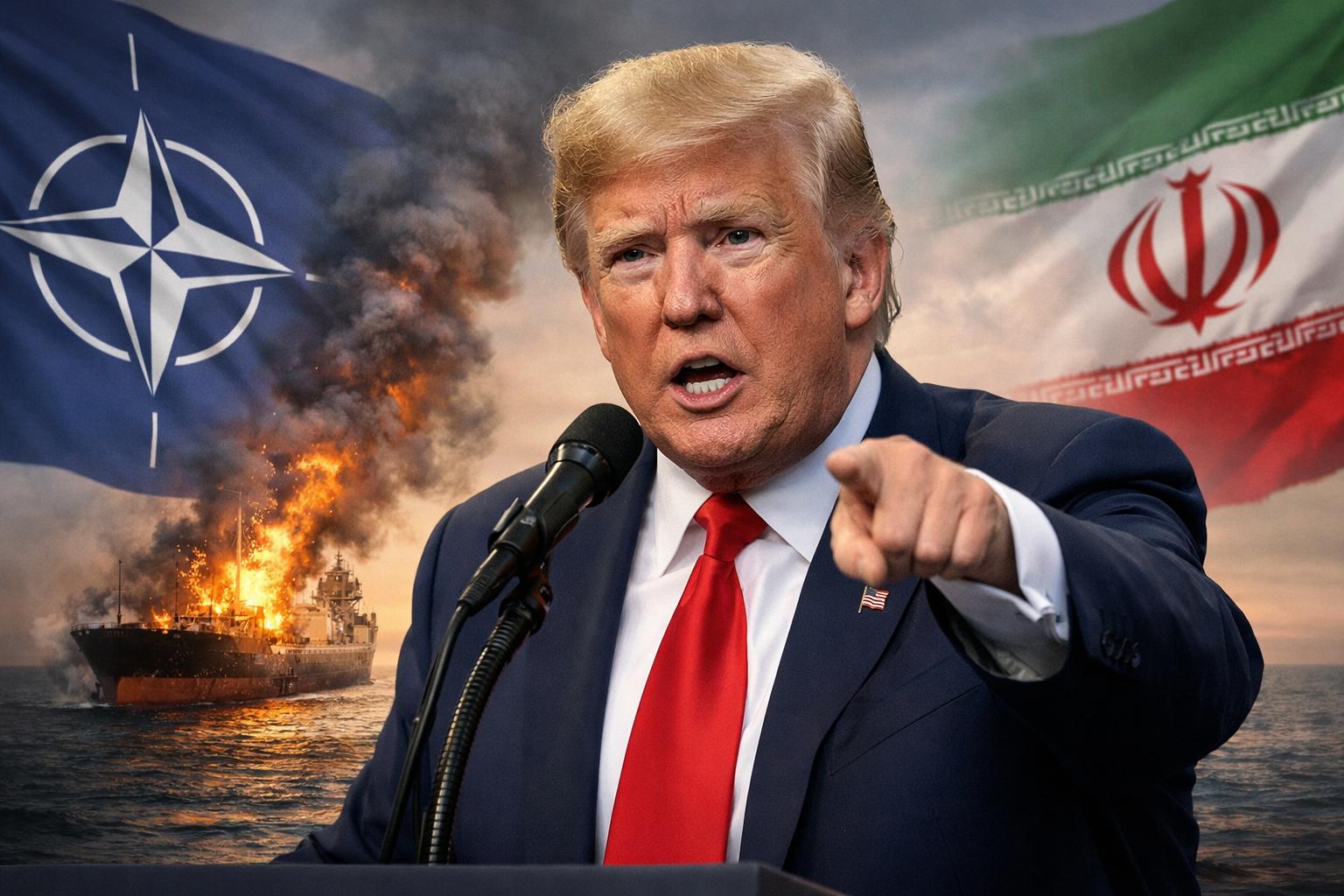
In a social media post, Trump described NATO as ineffective without US leadership, calling the alliance a “paper tiger” and suggesting that allied nations have not taken sufficient action to assist in securing critical maritime routes. The president’s comments come as global attention remains focused on the Strait of Hormuz, a vital shipping lane influenced by Iran, where disruptions have contributed to volatility in oil prices and international markets.
The conflict, which began on February 28 following joint US-Israel strikes on Iranian targets, has had widespread consequences, including significant casualties and large-scale displacement. It has also intensified geopolitical tensions and disrupted global trade flows, particularly in energy markets dependent on stable shipping routes through the Gulf region.
Trump argued that NATO allies have been reluctant to engage militarily despite expressing concerns about economic fallout, particularly rising oil costs. He suggested that ensuring safe passage through the Strait of Hormuz would require limited risk and could alleviate pressure on global energy supplies. His remarks underscored a broader dissatisfaction with what he views as an imbalance in burden-sharing among allied nations.
Meanwhile, several countries including Germany, Britain, France, Italy, the Netherlands, Japan, and Canada have indicated a willingness to support efforts aimed at maintaining maritime security. However, European leaders have emphasized that any involvement would depend on a de-escalation of hostilities. German Chancellor Friedrich Merz noted that participation would likely require an end to active combat operations, reflecting caution among European governments.
French President Emmanuel Macron, speaking after a European Union summit in Brussels, reiterated the importance of diplomacy and adherence to international law. He stated that there was little appetite among European nations to enter the conflict directly, emphasizing instead the need for de-escalation and stability.
The divergence in approach between the United States and its allies underscores ongoing challenges within NATO, as member states balance security concerns with political and economic considerations. As the Iran conflict continues to evolve, the debate over military involvement and responsibility-sharing is expected to remain a central issue in transatlantic relations.