

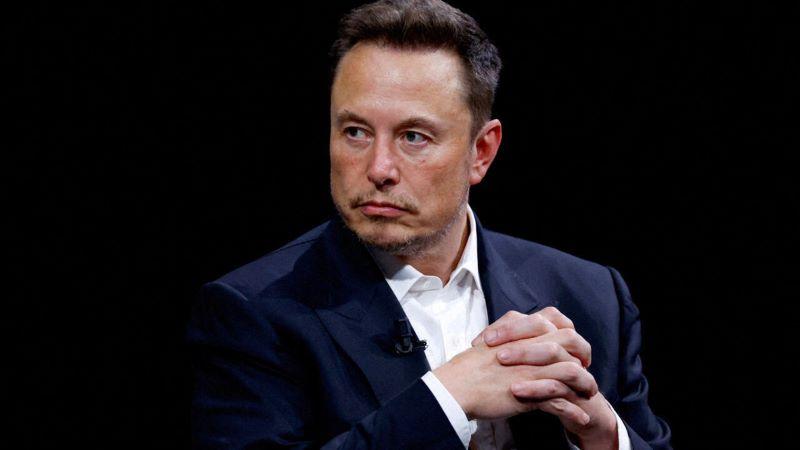



What caused U.K. exports to the U.S. to fall? Tariffs cut goods by nearly 25%
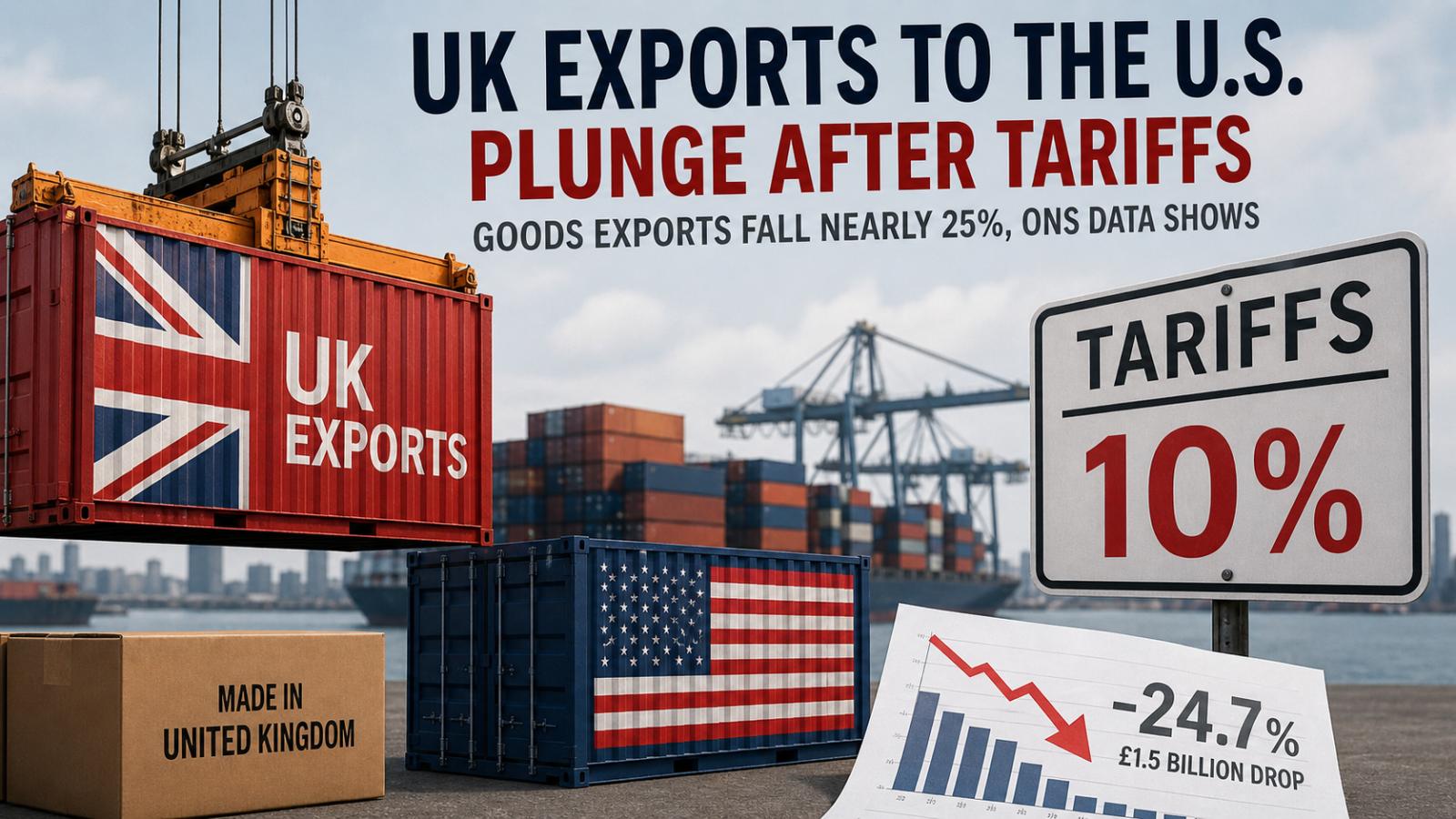
Tariffs trigger sharp decline in U.K. exports to the U.S. What caused U.K. exports to the U.S. to fall? Tariffs cut goods by nearly 25% as official data shows a steep decline in trade flows following sweeping tariff measures. According to figures released Friday by the Office for National Statistics, goods exports from the United Kingdom to the United States dropped by £1.5 billion, marking a 24.7% decrease after tariffs were introduced. The data, which excludes precious metals, highlights the immediate and sustained impact of trade policy changes initiated under Donald Trump. The tariffs, introduced as part of a broader “liberation day” strategy, disrupted established trading patterns between the two countries, which had previously benefited from largely tariff-free exchanges. Automotive and key sectors remain below pre-tariff levels The downturn has been particularly evident in the automotive sector, where U.K. car exports to the U.S. have remained below pre-tariff levels for the 12 months since April 2025. Analysts note that the continued weakness reflects both higher costs and reduced competitiveness in the American market. While exports have struggled, imports from the United States into the U.K. increased at the beginning of 2026. This imbalance has resulted in a trade deficit for three consecutive months, underscoring the broader economic consequences of the tariff regime on bilateral trade. Trade deal reshapes transatlantic economic ties The United Kingdom was the first nation to secure a post-tariff trade agreement with the U.S., following the introduction of the new measures. The deal included a 10% blanket tariff on goods entering the American market, effectively ending the previous zero-tariff environment that had benefited exporters on both sides. The new framework also imposed duties on key British exports, including Scotch whisky and other spirits. However, in a recent development, Trump announced plans to remove tariffs on Scotch whisky “in honor” of King Charles III and Queen Camilla following their state visit. Despite this move, industry experts caution that relief in one sector is unlikely to offset broader trade declines. Economic pressures weigh on exporters and growth outlook Economists warn that the sustained drop in exports could have wider implications for the U.K. economy. The United States remains the country’s largest export market, making the scale of the downturn particularly significant. Samuel Edwards, head of client portfolio management at Ebury, said exporters are facing mounting challenges. He pointed to a combination of higher trading costs from tariffs, increased employment expenses, and rising input prices, all of which are squeezing profit margins. These overlapping pressures are making it more difficult for U.K. businesses to remain competitive internationally, raising concerns about long-term growth and stability in the evolving global trade environment.
What caused U.K. exports to the U.S. to fall? Tariffs cut goods by nearly 25%
Tariffs trigger sharp decline in U.K. exports to the U.S. What caused U.K. exports to the U.S. to fall? Tariffs cut goods by nearly 25% as official data shows a steep decline in trade flows following sweeping tariff measures. According to figures released Friday by the Office for National Statistics, goods exports from the United Kingdom to the United States dropped by £1.5 billion, marking a 24.7% decrease after tariffs were introduced. The data, which excludes precious metals, highlights the immediate and sustained impact of trade policy changes initiated under Donald Trump. The tariffs, introduced as part of a broader “liberation day” strategy, disrupted established trading patterns between the two countries, which had previously benefited from largely tariff-free exchanges. Automotive and key sectors remain below pre-tariff levels The downturn has been particularly evident in the automotive sector, where U.K. car exports to the U.S. have remained below pre-tariff levels for the 12 months since April 2025. Analysts note that the continued weakness reflects both higher costs and reduced competitiveness in the American market. While exports have struggled, imports from the United States into the U.K. increased at the beginning of 2026. This imbalance has resulted in a trade deficit for three consecutive months, underscoring the broader economic consequences of the tariff regime on bilateral trade. Trade deal reshapes transatlantic economic ties The United Kingdom was the first nation to secure a post-tariff trade agreement with the U.S., following the introduction of the new measures. The deal included a 10% blanket tariff on goods entering the American market, effectively ending the previous zero-tariff environment that had benefited exporters on both sides. The new framework also imposed duties on key British exports, including Scotch whisky and other spirits. However, in a recent development, Trump announced plans to remove tariffs on Scotch whisky “in honor” of King Charles III and Queen Camilla following their state visit. Despite this move, industry experts caution that relief in one sector is unlikely to offset broader trade declines. Economic pressures weigh on exporters and growth outlook Economists warn that the sustained drop in exports could have wider implications for the U.K. economy. The United States remains the country’s largest export market, making the scale of the downturn particularly significant. Samuel Edwards, head of client portfolio management at Ebury, said exporters are facing mounting challenges. He pointed to a combination of higher trading costs from tariffs, increased employment expenses, and rising input prices, all of which are squeezing profit margins. These overlapping pressures are making it more difficult for U.K. businesses to remain competitive internationally, raising concerns about long-term growth and stability in the evolving global trade environment.

Narmada River boat accident kills mother and child near Bargi Dam
A boat accident in the Narmada River near Bargi Dam in Madhya Pradesh killed nine people, including a mother and child. Sudden bad weather caused the vessel to capsize. Rescue teams saved 24 people, while search operations continue for several missing passengers. A deadly boat accident in the Narmada River near Bargi Dam in the central Indian state of Madhya Pradesh has claimed the lives of a mother and her four-year-old son, highlighting the human toll of the tragedy that has left multiple families devastated. The incident occurred when a tourist vessel overturned in turbulent waters, reportedly after sudden adverse weather conditions disrupted the journey. Rescue teams recovered the bodies of the woman and her child on Friday morning, a day after the accident. Officials said the mother was found holding her son tightly, underscoring a final attempt to protect him as the boat sank. The victims were part of a family of four visiting from Delhi; the father and daughter survived the incident. Authorities confirmed that the death toll has risen to nine, while several individuals remain unaccounted for. According to officials, 24 people have been rescued so far, with 17 hospitalized for injuries and trauma. Nine others, including five children, are still missing as search operations continue. Survivors described moments of panic as the situation escalated rapidly. One passenger recounted that the weather worsened without warning, causing the boat to lose balance and take on water within minutes. Passengers were unable to comprehend the unfolding emergency as screams filled the air and people struggled to stay afloat. Another survivor, Syed Riyaz Hussain, described a prolonged fight for survival after being trapped in the water for nearly two hours. He said he managed to keep his head above water while surrounded by debris and victims drifting past, until rescue teams eventually located him. Members of his family are still missing. Local police, district authorities, and personnel from the State Disaster Response Force have been deployed to the site, conducting coordinated search efforts in challenging river conditions. Officials confirmed that the boat’s captain, Mahesh Patel, survived the incident as he was wearing a life jacket. The cause of the accident remains under investigation as authorities focus on rescue and recovery operations in the region.
Narmada River boat accident kills mother and child near Bargi Dam
A boat accident in the Narmada River near Bargi Dam in Madhya Pradesh killed nine people, including a mother and child. Sudden bad weather caused the vessel to capsize. Rescue teams saved 24 people, while search operations continue for several missing passengers. A deadly boat accident in the Narmada River near Bargi Dam in the central Indian state of Madhya Pradesh has claimed the lives of a mother and her four-year-old son, highlighting the human toll of the tragedy that has left multiple families devastated. The incident occurred when a tourist vessel overturned in turbulent waters, reportedly after sudden adverse weather conditions disrupted the journey. Rescue teams recovered the bodies of the woman and her child on Friday morning, a day after the accident. Officials said the mother was found holding her son tightly, underscoring a final attempt to protect him as the boat sank. The victims were part of a family of four visiting from Delhi; the father and daughter survived the incident. Authorities confirmed that the death toll has risen to nine, while several individuals remain unaccounted for. According to officials, 24 people have been rescued so far, with 17 hospitalized for injuries and trauma. Nine others, including five children, are still missing as search operations continue. Survivors described moments of panic as the situation escalated rapidly. One passenger recounted that the weather worsened without warning, causing the boat to lose balance and take on water within minutes. Passengers were unable to comprehend the unfolding emergency as screams filled the air and people struggled to stay afloat. Another survivor, Syed Riyaz Hussain, described a prolonged fight for survival after being trapped in the water for nearly two hours. He said he managed to keep his head above water while surrounded by debris and victims drifting past, until rescue teams eventually located him. Members of his family are still missing. Local police, district authorities, and personnel from the State Disaster Response Force have been deployed to the site, conducting coordinated search efforts in challenging river conditions. Officials confirmed that the boat’s captain, Mahesh Patel, survived the incident as he was wearing a life jacket. The cause of the accident remains under investigation as authorities focus on rescue and recovery operations in the region.
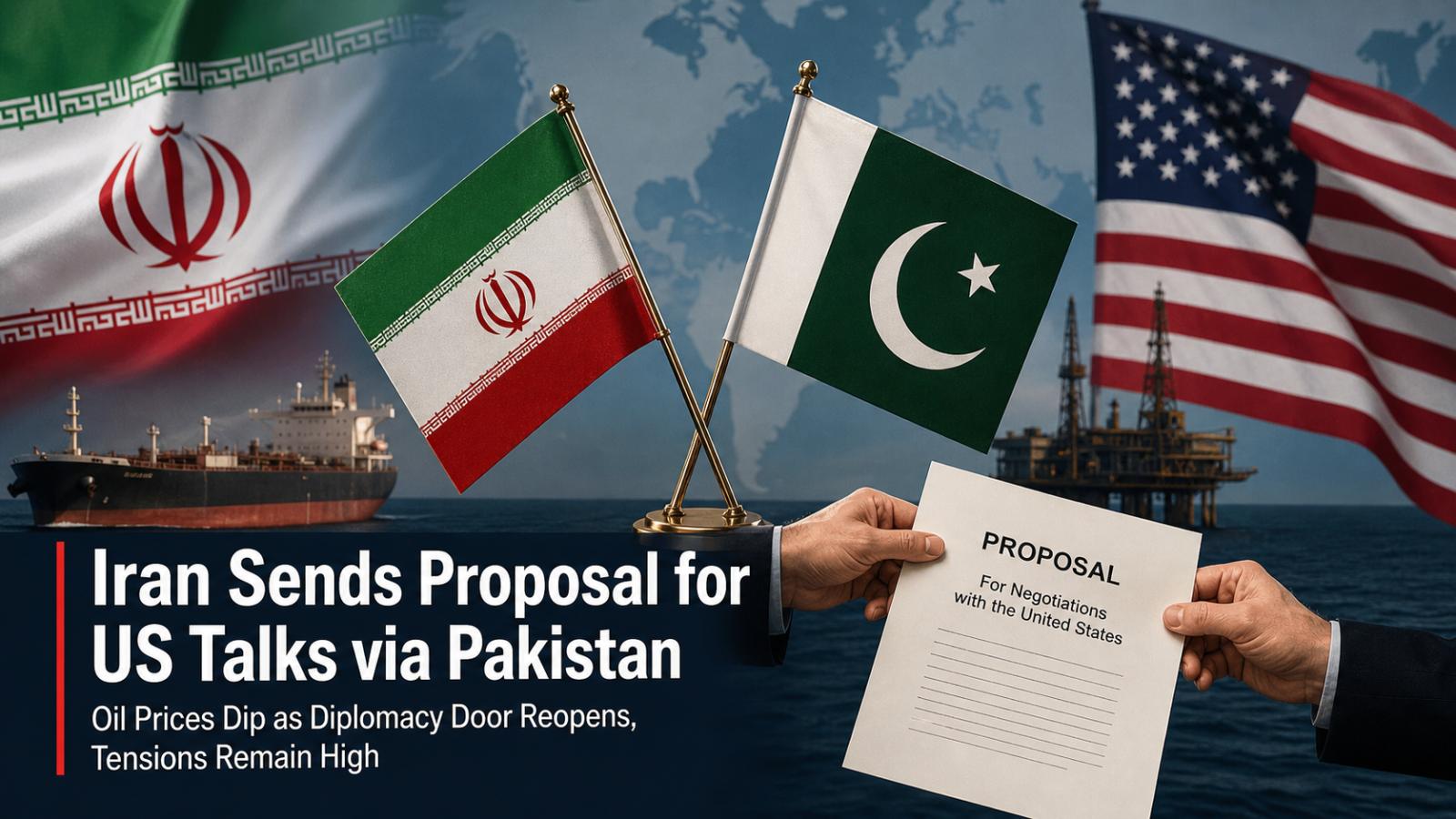
What did Iran propose to the U.S.? New talks plan sent via Pakistan signals diplomacy
Iran has delivered a new proposal for negotiations with the United States through Pakistan, signaling a potential diplomatic opening amid heightened regional tensions. According to IRNA, the proposal was formally
What did Iran propose to the U.S.? New talks plan sent via Pakistan signals diplomacy
Iran has delivered a new proposal for negotiations with the United States through Pakistan, signaling a potential diplomatic opening amid heightened regional tensions. According to IRNA, the proposal was formally
Could Alphabet overtake Nvidia as the most valuable company? Yes, analysts say it may happen soon
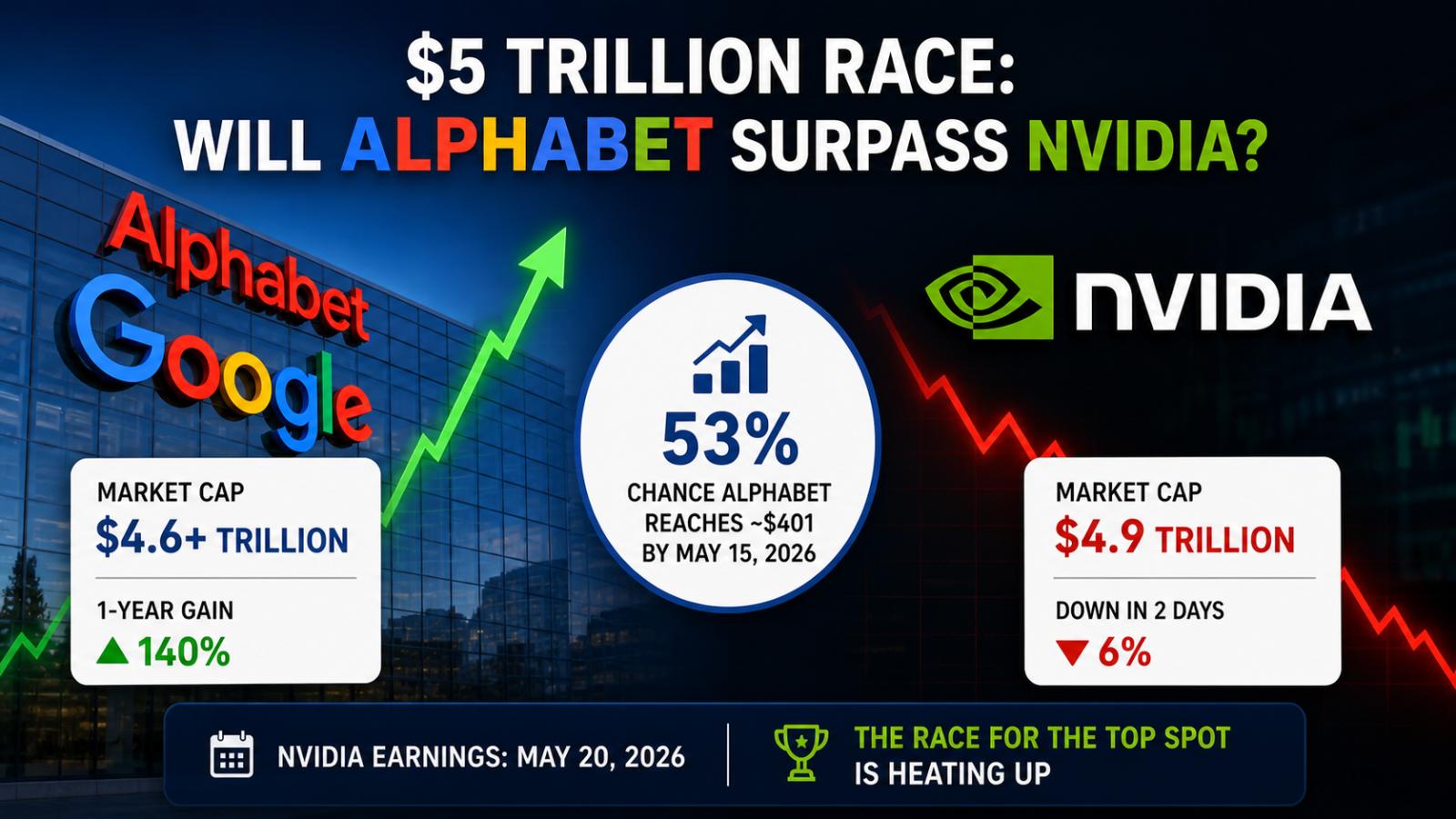
Shares of Alphabet are approaching a historic milestone, with the company nearing a $5 trillion valuation and potentially overtaking Nvidia as the world’s most valuable publicly traded firm. The surge comes after a strong rally in Alphabet’s stock, which climbed 10% on Thursday, extending its one-year gain to approximately 140% and pushing its market capitalization beyond $4.6 trillion. Strong earnings and cloud growth drive Alphabet’s surge The momentum follows a better-than-expected earnings report released on Wednesday, in which Alphabet exceeded analyst forecasts. A key highlight was its Google Cloud division, which generated more than $20 billion in revenue, reinforcing investor confidence in the company’s position within the artificial intelligence and cloud computing sectors. This performance has strengthened Alphabet’s standing among major AI-focused companies and boosted overall investor sentiment. Nvidia faces pressure amid partner concerns and stock decline Meanwhile, Nvidia, currently valued at under $4.9 trillion, has seen its stock decline by more than 6% over two trading sessions. The drop follows a report from The Wall Street Journal indicating that business partner OpenAI missed internal revenue and growth projections. The development has raised concerns about near-term demand and growth expectations in the AI ecosystem, impacting Nvidia’s market performance. Options market signals a potential shift in market leadership Options trading data suggests that Alphabet could soon close the valuation gap. For Alphabet to match Nvidia’s current market capitalization, its stock would need to rise by roughly 4%, reaching about $401 per share. Based on call option premiums around that level, traders estimate a 53% probability that Alphabet could reach that price before Thursday, May 15, 2026. Further projections indicate about a 30% chance that Alphabet will close above $400 on Friday, May 22, 2026, shortly after Nvidia’s upcoming earnings report scheduled for Tuesday, May 20, 2026. Notably, Nvidia’s stock has declined after four of its last five earnings announcements, adding uncertainty to its near-term outlook. Historical context as Alphabet eyes a return to the top Alphabet has previously held the top position among global companies, most recently in 2016 when it briefly surpassed Apple. A renewed rise to the top would mark a significant shift in market leadership, driven largely by advancements in artificial intelligence and cloud infrastructure. As both companies approach key earnings milestones, investors are closely watching whether Alphabet can capitalize on its momentum and reclaim the top spot in global market valuation. Alphabet has previously held the top position among global companies, most recently in 2016 when it briefly surpassed Apple. A renewed rise to the top would mark a significant shift in market leadership, driven largely by advancements in artificial intelligence and cloud infrastructure. As both companies approach key earnings milestones, investors are closely watching whether Alphabet can capitalize on its momentum and reclaim the top spot in global market valuation.
Could Alphabet overtake Nvidia as the most valuable company? Yes, analysts say it may happen soon
Shares of Alphabet are approaching a historic milestone, with the company nearing a $5 trillion valuation and potentially overtaking Nvidia as the world’s most valuable publicly traded firm. The surge comes after a strong rally in Alphabet’s stock, which climbed 10% on Thursday, extending its one-year gain to approximately 140% and pushing its market capitalization beyond $4.6 trillion. Strong earnings and cloud growth drive Alphabet’s surge The momentum follows a better-than-expected earnings report released on Wednesday, in which Alphabet exceeded analyst forecasts. A key highlight was its Google Cloud division, which generated more than $20 billion in revenue, reinforcing investor confidence in the company’s position within the artificial intelligence and cloud computing sectors. This performance has strengthened Alphabet’s standing among major AI-focused companies and boosted overall investor sentiment. Nvidia faces pressure amid partner concerns and stock decline Meanwhile, Nvidia, currently valued at under $4.9 trillion, has seen its stock decline by more than 6% over two trading sessions. The drop follows a report from The Wall Street Journal indicating that business partner OpenAI missed internal revenue and growth projections. The development has raised concerns about near-term demand and growth expectations in the AI ecosystem, impacting Nvidia’s market performance. Options market signals a potential shift in market leadership Options trading data suggests that Alphabet could soon close the valuation gap. For Alphabet to match Nvidia’s current market capitalization, its stock would need to rise by roughly 4%, reaching about $401 per share. Based on call option premiums around that level, traders estimate a 53% probability that Alphabet could reach that price before Thursday, May 15, 2026. Further projections indicate about a 30% chance that Alphabet will close above $400 on Friday, May 22, 2026, shortly after Nvidia’s upcoming earnings report scheduled for Tuesday, May 20, 2026. Notably, Nvidia’s stock has declined after four of its last five earnings announcements, adding uncertainty to its near-term outlook. Historical context as Alphabet eyes a return to the top Alphabet has previously held the top position among global companies, most recently in 2016 when it briefly surpassed Apple. A renewed rise to the top would mark a significant shift in market leadership, driven largely by advancements in artificial intelligence and cloud infrastructure. As both companies approach key earnings milestones, investors are closely watching whether Alphabet can capitalize on its momentum and reclaim the top spot in global market valuation. Alphabet has previously held the top position among global companies, most recently in 2016 when it briefly surpassed Apple. A renewed rise to the top would mark a significant shift in market leadership, driven largely by advancements in artificial intelligence and cloud infrastructure. As both companies approach key earnings milestones, investors are closely watching whether Alphabet can capitalize on its momentum and reclaim the top spot in global market valuation.
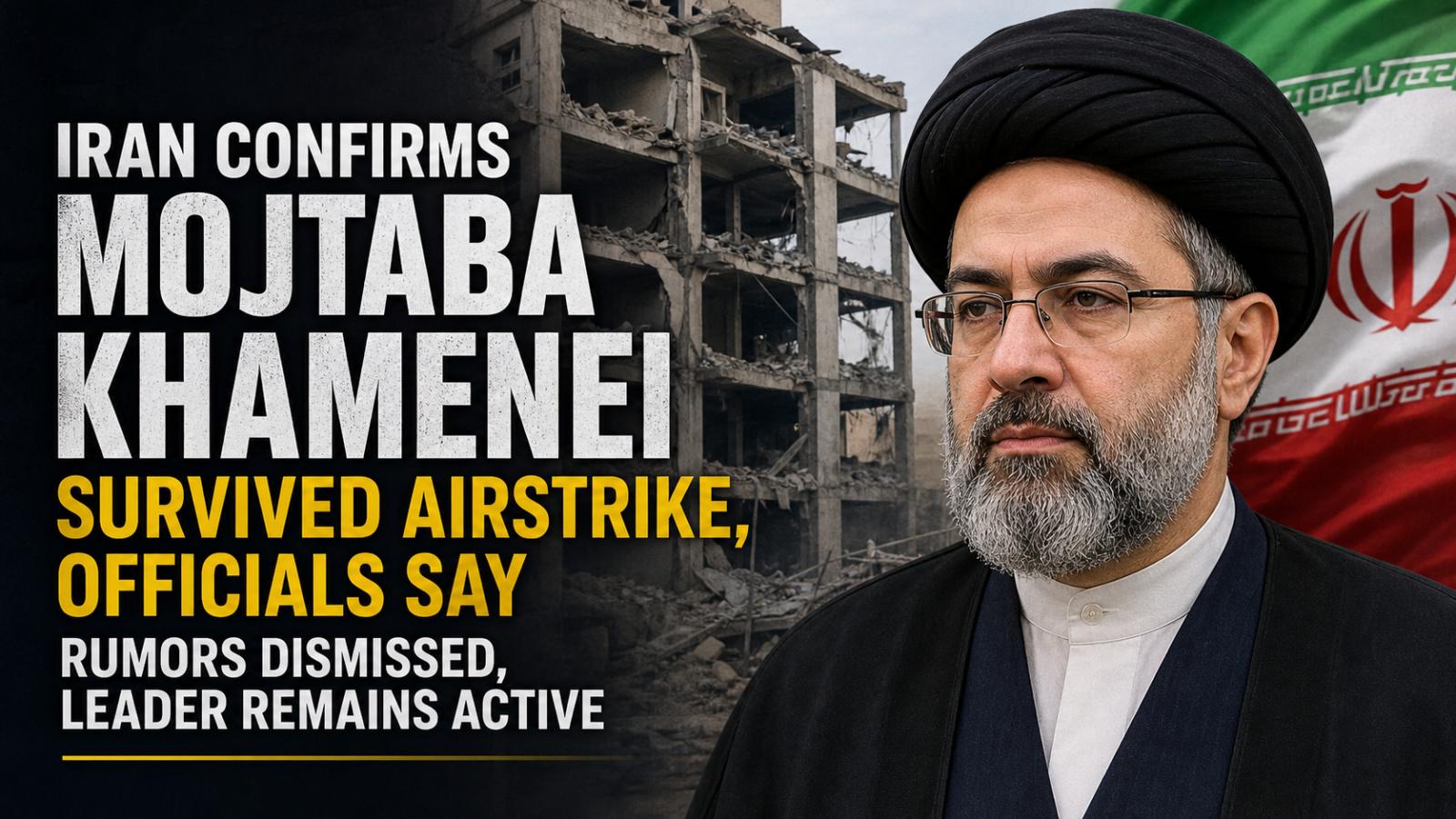
What happened to Mojtaba Khamenei during the Iran conflict? He survived an airstrike, officials say
Iranian authorities on Friday, May 1, confirmed that Mojtaba Khamenei was present in a building that was later destroyed in an airstrike during the ongoing Iran conflict, which began on February 28. Officials stated that he survived the attack and remains in active control of key state matters, while also dismissing widespread speculation about his health and absence from public appearances. Senior official details narrow escape during bombing Ayatollah Mohsen Qomi, a senior member of Iran’s Assembly of Experts and Deputy for International Affairs in the Supreme Leader’s office, said that Mojtaba Khamenei had been inside the targeted building shortly before it was struck. According to Qomi, Khamenei moved into the courtyard just minutes before the explosion, avoiding the fatal impact that reportedly killed others inside. Qomi described the survival as a matter of timing, emphasizing that the leader’s presence in the building had been confirmed but that his movement moments before the strike ultimately ensured his safety. The airstrike was part of ongoing hostilities that have escalated since late February. Officials assert leader remains in control of national affairs Despite rumors circulating internationally, Iranian officials maintained that Mojtaba Khamenei is in good health and continues to oversee both diplomatic and operational matters. Qomi stated that Khamenei is directly supervising negotiations and military-related decisions, including providing guidance to negotiating teams under varying conditions. The comments appear aimed at reinforcing internal stability and projecting continuity in leadership during a period of heightened geopolitical tension. Iranian officials emphasized that decision-making authority remains firmly centralized under Khamenei’s direction. Iran dismisses Western speculation as strategic pressure Qomi also addressed claims from Western sources regarding the leader’s health, characterizing them as deliberate attempts to provoke a response from Tehran. He suggested that questions about Khamenei’s public absence are part of a broader strategy to create uncertainty and apply psychological pressure. According to Qomi, such narratives are intended to push Iranian officials into reactive communication, which could be leveraged for strategic advantage by adversaries. Acknowledgment of injuries and focus on protection While firmly denying claims of serious health concerns, Qomi indicated that Mojtaba Khamenei may have sustained injuries during the incident. He stated that ensuring the leader’s safety has become a top priority for Iranian authorities, underscoring the importance of preserving leadership continuity amid the conflict. Officials reiterated that despite any injuries, Khamenei remains active and engaged in directing national policy, reinforcing the government’s position that leadership stability has not been compromised.
What happened to Mojtaba Khamenei during the Iran conflict? He survived an airstrike, officials say
Iranian authorities on Friday, May 1, confirmed that Mojtaba Khamenei was present in a building that was later destroyed in an airstrike during the ongoing Iran conflict, which began on February 28. Officials stated that he survived the attack and remains in active control of key state matters, while also dismissing widespread speculation about his health and absence from public appearances. Senior official details narrow escape during bombing Ayatollah Mohsen Qomi, a senior member of Iran’s Assembly of Experts and Deputy for International Affairs in the Supreme Leader’s office, said that Mojtaba Khamenei had been inside the targeted building shortly before it was struck. According to Qomi, Khamenei moved into the courtyard just minutes before the explosion, avoiding the fatal impact that reportedly killed others inside. Qomi described the survival as a matter of timing, emphasizing that the leader’s presence in the building had been confirmed but that his movement moments before the strike ultimately ensured his safety. The airstrike was part of ongoing hostilities that have escalated since late February. Officials assert leader remains in control of national affairs Despite rumors circulating internationally, Iranian officials maintained that Mojtaba Khamenei is in good health and continues to oversee both diplomatic and operational matters. Qomi stated that Khamenei is directly supervising negotiations and military-related decisions, including providing guidance to negotiating teams under varying conditions. The comments appear aimed at reinforcing internal stability and projecting continuity in leadership during a period of heightened geopolitical tension. Iranian officials emphasized that decision-making authority remains firmly centralized under Khamenei’s direction. Iran dismisses Western speculation as strategic pressure Qomi also addressed claims from Western sources regarding the leader’s health, characterizing them as deliberate attempts to provoke a response from Tehran. He suggested that questions about Khamenei’s public absence are part of a broader strategy to create uncertainty and apply psychological pressure. According to Qomi, such narratives are intended to push Iranian officials into reactive communication, which could be leveraged for strategic advantage by adversaries. Acknowledgment of injuries and focus on protection While firmly denying claims of serious health concerns, Qomi indicated that Mojtaba Khamenei may have sustained injuries during the incident. He stated that ensuring the leader’s safety has become a top priority for Iranian authorities, underscoring the importance of preserving leadership continuity amid the conflict. Officials reiterated that despite any injuries, Khamenei remains active and engaged in directing national policy, reinforcing the government’s position that leadership stability has not been compromised.

Indian student’s death in Chicago highlights mental health and visa stress
A 26-year-old Indian student from Andhra Pradesh died by suicide in Chicago after struggling to find a job post-graduation. Facing financial pressure and emotional stress, he left messages before his death. A fundraiser is underway to support repatriation and assist his family. Indian student’s death in Chicago highlights mental health and visa stress as Iraganaboyina Chandu, a 26-year-old graduate from Andhra Pradesh, died by suicide at his residence in Chicago
Indian student’s death in Chicago highlights mental health and visa stress
A 26-year-old Indian student from Andhra Pradesh died by suicide in Chicago after struggling to find a job post-graduation. Facing financial pressure and emotional stress, he left messages before his death. A fundraiser is underway to support repatriation and assist his family. Indian student’s death in Chicago highlights mental health and visa stress as Iraganaboyina Chandu, a 26-year-old graduate from Andhra Pradesh, died by suicide at his residence in Chicago

Security footage shows missed dog alerts before White House shooting
DOJ footage shows missed security dog alerts before shooting at WHCD A newly released video from the Justice Department has uncovered crucial details about the attempted shooting at the White House Correspondents' Dinner (WHCD). The footage reveals that a security dog alerted to Cole Tomas Allen’s presence twice, but these warnings went unnoticed, allowing the suspect to fire at a Secret Service officer before being detained. The video, shared by US Attorney Jeanine Pirro on social media platform X, shows Allen walking through the Hilton Hotel the night before the attack. In a chilling moment, the security dog reacts to Allen as he passes, signaling potential danger. However, despite these two distinct alerts, the handler fails to acknowledge the dog's warning, allowing Allen to continue his movement through the hotel. The footage captures the suspect armed with a shotgun, heading toward a security checkpoint where he shoots a Secret Service officer. The video highlights how Allen was moving through the hotel, appearing to “case the area” before the shooting. He can be seen walking through corridors and even passing through a gym in the hours before the more dramatic scene. The footage reveals Allen approaching the magnetometer checkpoint, where he charges past uniformed officers and agents, carrying a long-barrelled firearm. In a slow-motion clip of the video, a Secret Service agent fires three times at Allen, although police have confirmed that Allen was not shot. Instead, Allen was tackled and detained after a brief struggle with security personnel. The officer who was shot survived the attack, thanks to the protection provided by his ballistic vest. Pirro, in her statement, clarified that there is no evidence that friendly fire caused the shooting. She emphasized that the footage had already been provided to the US District Court for further legal action. Allen, a 31-year-old from California, has been charged with attempting to assassinate the president. If convicted, he faces up to life in prison. This latest video offers crucial insight into the incident, showing the missed warnings and the sequence of events that allowed the shooter to carry out the attack.
Security footage shows missed dog alerts before White House shooting
DOJ footage shows missed security dog alerts before shooting at WHCD A newly released video from the Justice Department has uncovered crucial details about the attempted shooting at the White House Correspondents' Dinner (WHCD). The footage reveals that a security dog alerted to Cole Tomas Allen’s presence twice, but these warnings went unnoticed, allowing the suspect to fire at a Secret Service officer before being detained. The video, shared by US Attorney Jeanine Pirro on social media platform X, shows Allen walking through the Hilton Hotel the night before the attack. In a chilling moment, the security dog reacts to Allen as he passes, signaling potential danger. However, despite these two distinct alerts, the handler fails to acknowledge the dog's warning, allowing Allen to continue his movement through the hotel. The footage captures the suspect armed with a shotgun, heading toward a security checkpoint where he shoots a Secret Service officer. The video highlights how Allen was moving through the hotel, appearing to “case the area” before the shooting. He can be seen walking through corridors and even passing through a gym in the hours before the more dramatic scene. The footage reveals Allen approaching the magnetometer checkpoint, where he charges past uniformed officers and agents, carrying a long-barrelled firearm. In a slow-motion clip of the video, a Secret Service agent fires three times at Allen, although police have confirmed that Allen was not shot. Instead, Allen was tackled and detained after a brief struggle with security personnel. The officer who was shot survived the attack, thanks to the protection provided by his ballistic vest. Pirro, in her statement, clarified that there is no evidence that friendly fire caused the shooting. She emphasized that the footage had already been provided to the US District Court for further legal action. Allen, a 31-year-old from California, has been charged with attempting to assassinate the president. If convicted, he faces up to life in prison. This latest video offers crucial insight into the incident, showing the missed warnings and the sequence of events that allowed the shooter to carry out the attack.
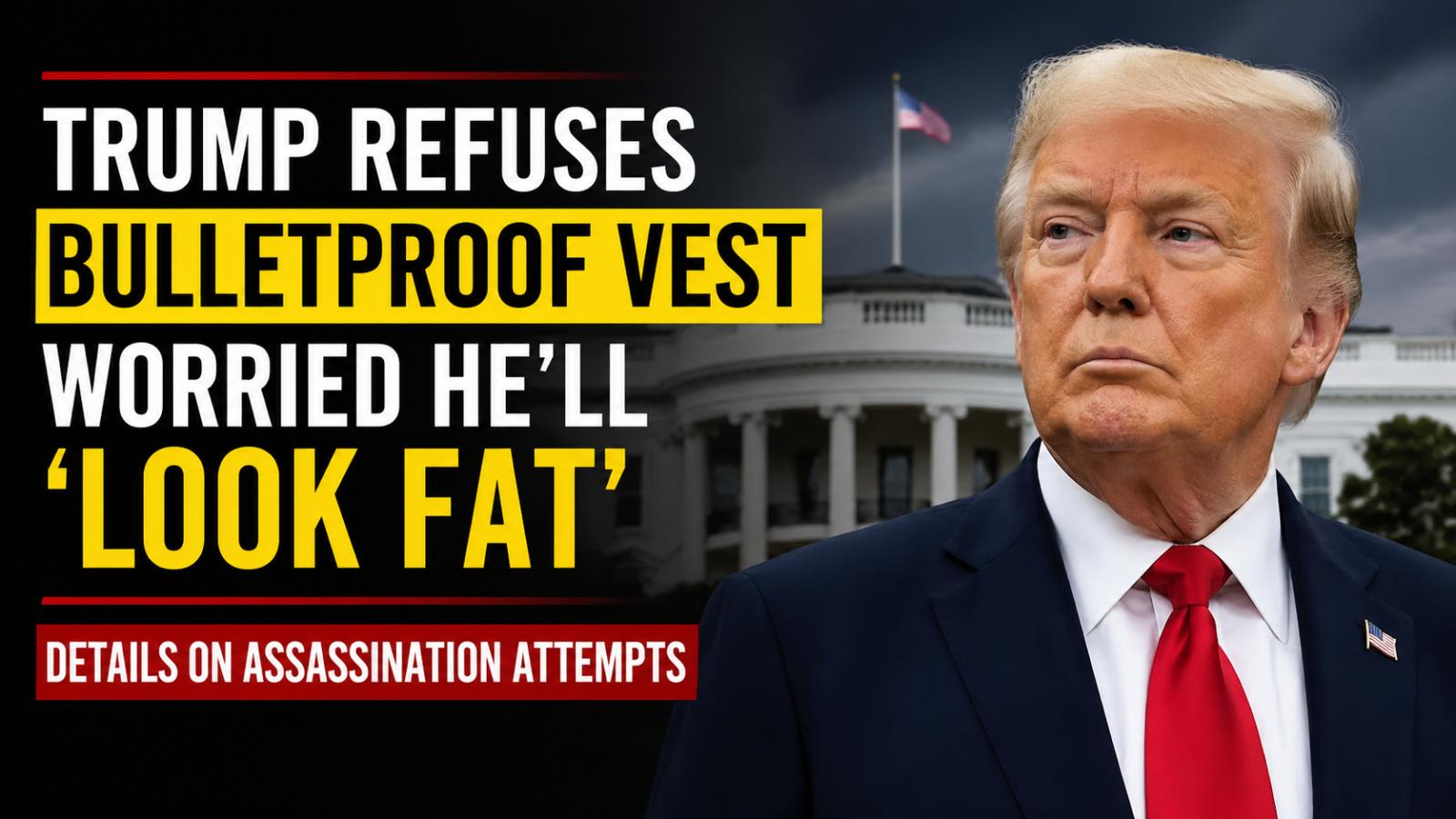
Trump avoids bulletproof vest citing appearance concerns after shooting at WHCA dinner
Trump discusses concerns about wearing bulletproof vest On April 30, 2026, U.S. President Donald Trump opened up about his hesitations regarding the use of a bulletproof vest following the shooting incident at the White House Correspondent’s Association (WHCA) dinner. "Would you wear a bulletproof vest at future events?" asked a reporter. Trump responded with his usual candidness: “I don’t know if I can handle looking 20 pounds heavier.” His concern stemmed not just from practicality but also from the image of surrendering to a threat. He continued, “It’s something you consider, but you don’t want to give in to a bad element.” These remarks came in light of recent security concerns regarding the WHCA shooting, where Trump and his team were the intended targets. Assassination attempts on Trump The suspect in the WHCA shooting has been identified as Cole Tomas Allen. He has been charged with attempting to assassinate the president. Secret Service agents prevented the assailant from reaching the ballroom during the gala event. This shooting marked another terrifying moment in a series of major assassination attempts against President Trump. Trump has faced three major assassination attempts during his time in office. Besides the WHCA attack, Trump was also targeted during a golfing trip at the Trump International Golf Club in Florida. The suspect, Ryan Wesley Routh, was observed by a Secret Service agent who saw a rifle barrel poking through a fence. After a quick response, the agent fired at Routh, who fled but was apprehended shortly after during a traffic stop. Routh was convicted of attempted assassination and other related charges, and was sentenced to life in prison in September 2025. Trump survives gunshot at campaign rally Another close call occurred in July 2024, when Trump was campaigning for president. Thomas Matthew Crooks fired multiple shots from a rooftop, one of which grazed Trump’s right ear, causing visible bleeding. Crooks was quickly neutralized by a Secret Service sniper, who killed him seconds after the shooting began. This assassination attempt reinforced the need for heightened security around the president. With Trump’s life under constant threat, security protocols have grown increasingly strict. However, his reluctance to wear a bulletproof vest highlights the complex balance between presidential safety and public image. While Trump’s safety is paramount, his concern about the perception of vulnerability speaks volumes about his approach to leadership and his struggle with the idea of appearing weak in front of the public. In conclusion, Trump continues to weigh the risks to his personal appearance versus the potential life-threatening risks posed by ongoing assassination attempts. Despite being advised about protective measures, he remains conflicted about whether to let public perception influence his security decisions.
Trump avoids bulletproof vest citing appearance concerns after shooting at WHCA dinner
Trump discusses concerns about wearing bulletproof vest On April 30, 2026, U.S. President Donald Trump opened up about his hesitations regarding the use of a bulletproof vest following the shooting incident at the White House Correspondent’s Association (WHCA) dinner. "Would you wear a bulletproof vest at future events?" asked a reporter. Trump responded with his usual candidness: “I don’t know if I can handle looking 20 pounds heavier.” His concern stemmed not just from practicality but also from the image of surrendering to a threat. He continued, “It’s something you consider, but you don’t want to give in to a bad element.” These remarks came in light of recent security concerns regarding the WHCA shooting, where Trump and his team were the intended targets. Assassination attempts on Trump The suspect in the WHCA shooting has been identified as Cole Tomas Allen. He has been charged with attempting to assassinate the president. Secret Service agents prevented the assailant from reaching the ballroom during the gala event. This shooting marked another terrifying moment in a series of major assassination attempts against President Trump. Trump has faced three major assassination attempts during his time in office. Besides the WHCA attack, Trump was also targeted during a golfing trip at the Trump International Golf Club in Florida. The suspect, Ryan Wesley Routh, was observed by a Secret Service agent who saw a rifle barrel poking through a fence. After a quick response, the agent fired at Routh, who fled but was apprehended shortly after during a traffic stop. Routh was convicted of attempted assassination and other related charges, and was sentenced to life in prison in September 2025. Trump survives gunshot at campaign rally Another close call occurred in July 2024, when Trump was campaigning for president. Thomas Matthew Crooks fired multiple shots from a rooftop, one of which grazed Trump’s right ear, causing visible bleeding. Crooks was quickly neutralized by a Secret Service sniper, who killed him seconds after the shooting began. This assassination attempt reinforced the need for heightened security around the president. With Trump’s life under constant threat, security protocols have grown increasingly strict. However, his reluctance to wear a bulletproof vest highlights the complex balance between presidential safety and public image. While Trump’s safety is paramount, his concern about the perception of vulnerability speaks volumes about his approach to leadership and his struggle with the idea of appearing weak in front of the public. In conclusion, Trump continues to weigh the risks to his personal appearance versus the potential life-threatening risks posed by ongoing assassination attempts. Despite being advised about protective measures, he remains conflicted about whether to let public perception influence his security decisions.
Will Donald Trump win Nobel Peace Prize 2026? Key facts and timeline
Nobel Peace Prize 2026: Trump emerges as likely contender Donald Trump is being seen as a likely contender for the Nobel Peace Prize 2026, with 287 candidates under review, but the final list remains strictly confidential. Kristian Berg Harpviken, secretary of the Norwegian Nobel Committee, confirmed that the total nominations include 208 individuals and 79 organisations, highlighting strong global participation despite ongoing conf
Will Donald Trump win Nobel Peace Prize 2026? Key facts and timeline
Nobel Peace Prize 2026: Trump emerges as likely contender Donald Trump is being seen as a likely contender for the Nobel Peace Prize 2026, with 287 candidates under review, but the final list remains strictly confidential. Kristian Berg Harpviken, secretary of the Norwegian Nobel Committee, confirmed that the total nominations include 208 individuals and 79 organisations, highlighting strong global participation despite ongoing conf
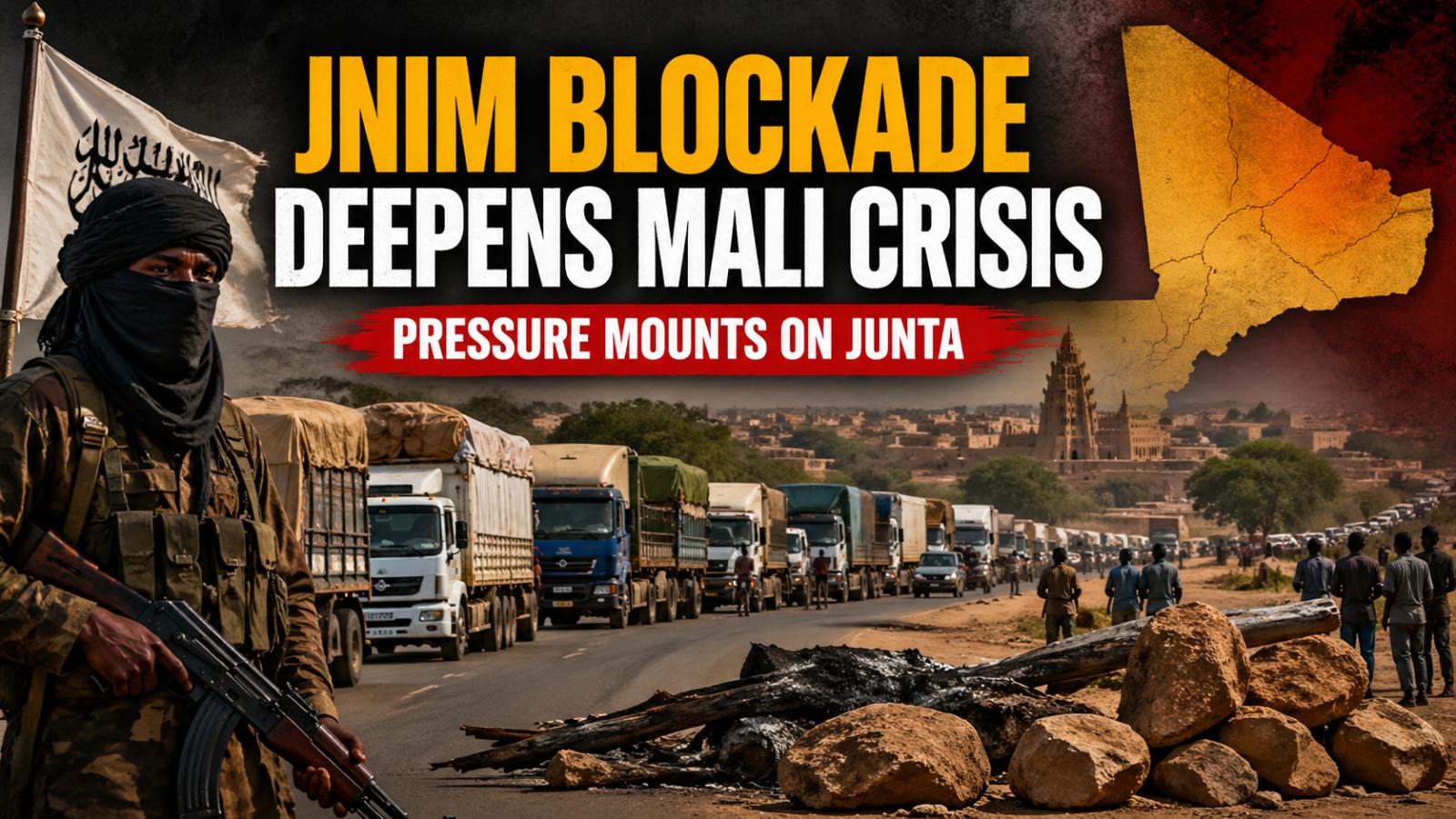
JNIM blockade in Mali on April 30 deepens crisis around Bamako
JNIM blockade in mali escalates crisis on April 30 The Mali crisis intensified on April 30 as the jnim blockade tightened around bamako, cutting key supply routes and increasing pressure on the mali junta government. The jihadist group, the Group for the Support of Islam and Muslims, also called for a united front to remove the military leadership, raising fears of deeper instability across the country. JNIM released a statement on Thursday, April 30, urging political parties, security forces, religious leaders, and citizens to unite against the junta. the group called for a “common front” to bring down the government and push for a transition, following recent coordinated attacks with Tuareg fighters. These attacks targeted military positions and led to the death of Mali’s defence minister Sadio Camara. His funeral in Bamako was held under tight security, attended by thousands including junta leader Assimi Goita. At the same time, the blockade around bamako has created a major supply crisis, with roads leading into the capital and nearby Kati effectively shut. Hundreds of trucks and passenger vehicles remain stranded at entry points, with drivers reporting long waits and growing uncertainty. jnim warned of strict action against anyone using these routes, allowing only those inside the city to leave. The impact is severe because Mali depends heavily on road transport for essential goods. As a landlocked country, it relies on routes through neighboring nations for fuel and supplies. key trade corridors linking to ports like abidjan are now disrupted, affecting businesses and daily life. Reports of violence against drivers along these routes have added to fear, though some claims remain unverified. Air traffic into Bamako continues without disruption, but the overall situation remains tense. analysts warn that if the blockade continues, it could worsen the mali economy crisis and create further humanitarian challenges. The developments on April 30 highlight the growing difficulty for authorities in handling both security threats and economic stability in Mali.
JNIM blockade in Mali on April 30 deepens crisis around Bamako
JNIM blockade in mali escalates crisis on April 30 The Mali crisis intensified on April 30 as the jnim blockade tightened around bamako, cutting key supply routes and increasing pressure on the mali junta government. The jihadist group, the Group for the Support of Islam and Muslims, also called for a united front to remove the military leadership, raising fears of deeper instability across the country. JNIM released a statement on Thursday, April 30, urging political parties, security forces, religious leaders, and citizens to unite against the junta. the group called for a “common front” to bring down the government and push for a transition, following recent coordinated attacks with Tuareg fighters. These attacks targeted military positions and led to the death of Mali’s defence minister Sadio Camara. His funeral in Bamako was held under tight security, attended by thousands including junta leader Assimi Goita. At the same time, the blockade around bamako has created a major supply crisis, with roads leading into the capital and nearby Kati effectively shut. Hundreds of trucks and passenger vehicles remain stranded at entry points, with drivers reporting long waits and growing uncertainty. jnim warned of strict action against anyone using these routes, allowing only those inside the city to leave. The impact is severe because Mali depends heavily on road transport for essential goods. As a landlocked country, it relies on routes through neighboring nations for fuel and supplies. key trade corridors linking to ports like abidjan are now disrupted, affecting businesses and daily life. Reports of violence against drivers along these routes have added to fear, though some claims remain unverified. Air traffic into Bamako continues without disruption, but the overall situation remains tense. analysts warn that if the blockade continues, it could worsen the mali economy crisis and create further humanitarian challenges. The developments on April 30 highlight the growing difficulty for authorities in handling both security threats and economic stability in Mali.

US-Settled Malayali Sisters From Kottayam Die By Suicide In Kanyakumari
A deeply disturbing incident has come to light where two sisters from Kottayam, who were settled in Austin, were found dead in Kanyakumari on April 30, 2026. The victims had reportedly travelled from the United S
US-Settled Malayali Sisters From Kottayam Die By Suicide In Kanyakumari
A deeply disturbing incident has come to light where two sisters from Kottayam, who were settled in Austin, were found dead in Kanyakumari on April 30, 2026. The victims had reportedly travelled from the United S
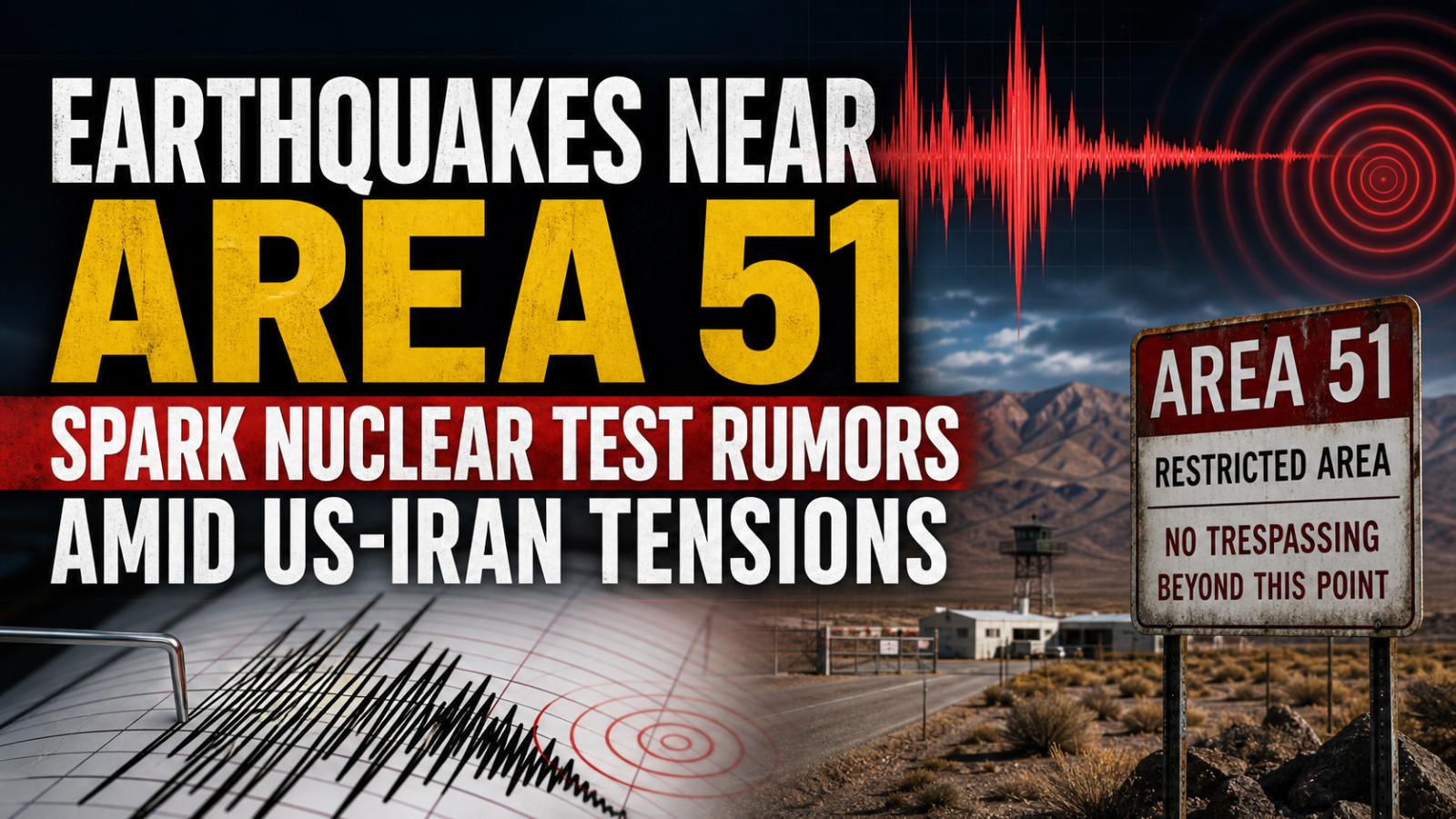
Earthquakes near Area 51 spark nuclear test rumors amid US-Iran tensions
Earthquakes near Area 51 raise questions amid rising tensions A series of earthquakes near Area 51 in Nevada between April 29 and April 30, 2026, has sparked widespread attention, with at least 17 tremors recorded within a 24 to 48-hour window, most around magnitude 4.4. The seismic activity occurred during this short time frame and has dr
Earthquakes near Area 51 spark nuclear test rumors amid US-Iran tensions
Earthquakes near Area 51 raise questions amid rising tensions A series of earthquakes near Area 51 in Nevada between April 29 and April 30, 2026, has sparked widespread attention, with at least 17 tremors recorded within a 24 to 48-hour window, most around magnitude 4.4. The seismic activity occurred during this short time frame and has dr
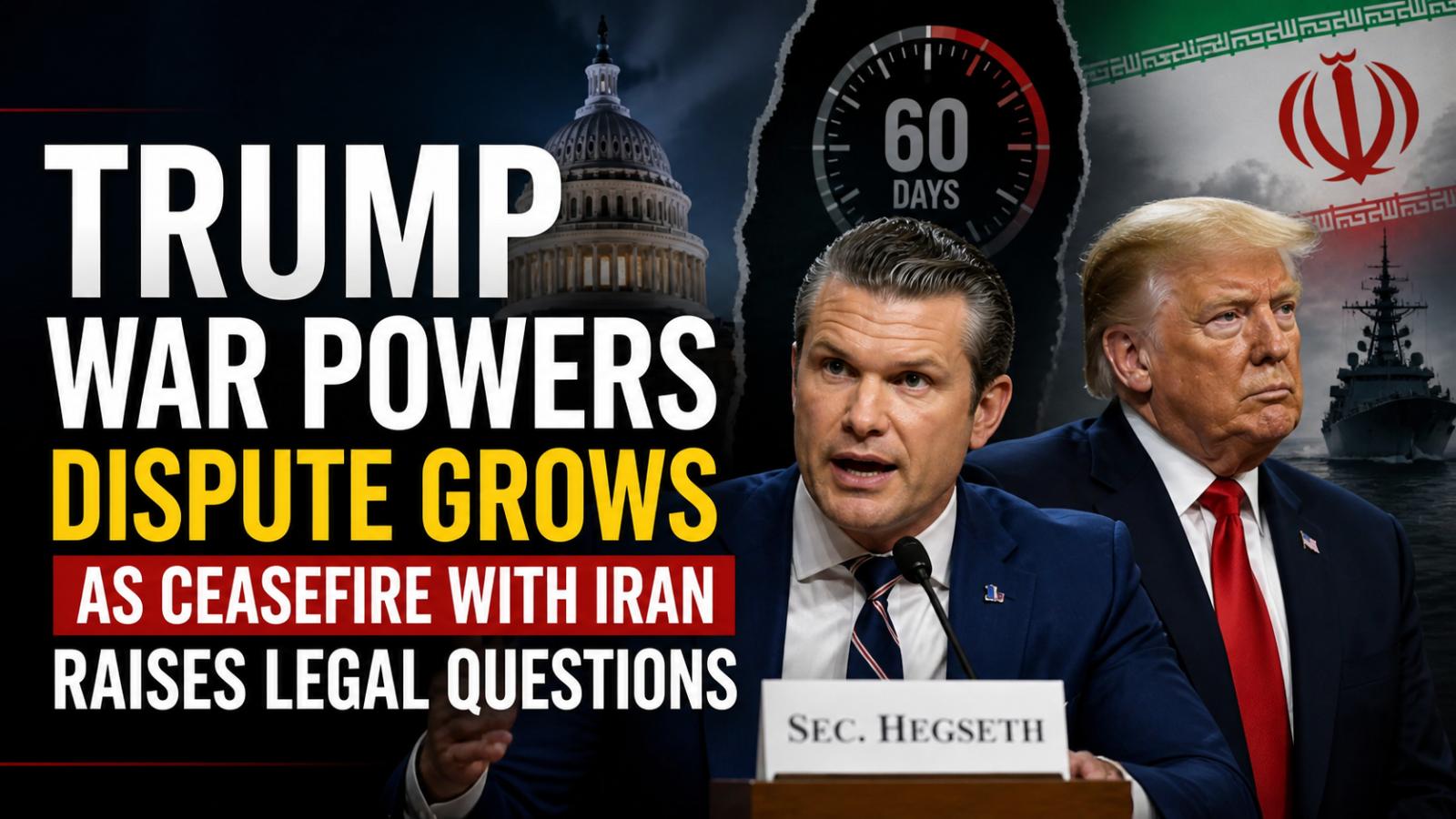
Hegseth says Iran ceasefire pauses war powers clock amid congressional concerns
The Trump war powers debate took center stage in Washington as Defense Secretary Pete Hegseth told lawmakers that a ceasefire with Iran pauses the legal clock under the War Powers Resolution, a claim that has triggered strong political and legal reactions. The dispute comes just before the 60-day deadline that typically requires the president to seek approval from Congress to continue military action, raising questions about how the law should be applied during a ceasefire. Speaking before the Senate Armed Services Committee, Hegseth argued that ongoing ceasefire conditions mean the countdown does not apply in the usual way. Under the War Powers Resolution, introduced in 1973, presidents must inform Congress within 48 hours of military action and must withdraw troops within 60 days unless lawmakers approve continued engagement. Lawmakers had expected this deadline to expire on May 1, but Hegseth’s interpretation suggests otherwise. Hegseth avoided giving a clear answer when asked if the administration of Donald Trump would seek formal authorization. Instead, he defended the administration’s actions and criticized opponents, saying that internal political disagreements weaken the country’s position. His remarks came during discussions on the Pentagon’s proposed $1.45 trillion budget, though much of the focus shifted to the Iran conflict and its legal implications. Several lawmakers from both parties expressed concern. Senator Tim Kaine warned that the situation raises serious constitutional questions, while some Republicans also indicated they may oppose continuing military operations without approval. Others supported a more flexible interpretation, especially during active negotiations or ceasefire periods. Legal experts, however, strongly rejected the argument that a ceasefire pauses the law. Analysts pointed out that US naval forces remain active in the region, including operations in the Strait of Hormuz, suggesting that hostilities have not fully stopped. Scholars emphasized that the law does not include any provision for pausing the timeline. The conflict has already had wider consequences, including rising energy prices and increased tensions in the region. Critics have also accused the administration of starting the conflict without a clear immediate threat. During the hearing, Senator Elissa Slotkin questioned whether the administration could truly claim progress while key trade routes remain unstable. The exchange grew tense at times, reflecting deep divisions over the handling of the situation. While military officials maintained a more measured tone, political leaders continued to clash over strategy, legality, and communication with the public. As the deadline passes, the debate over war powers, presidential authority, and congressional oversight is expected to intensify further.
Hegseth says Iran ceasefire pauses war powers clock amid congressional concerns
The Trump war powers debate took center stage in Washington as Defense Secretary Pete Hegseth told lawmakers that a ceasefire with Iran pauses the legal clock under the War Powers Resolution, a claim that has triggered strong political and legal reactions. The dispute comes just before the 60-day deadline that typically requires the president to seek approval from Congress to continue military action, raising questions about how the law should be applied during a ceasefire. Speaking before the Senate Armed Services Committee, Hegseth argued that ongoing ceasefire conditions mean the countdown does not apply in the usual way. Under the War Powers Resolution, introduced in 1973, presidents must inform Congress within 48 hours of military action and must withdraw troops within 60 days unless lawmakers approve continued engagement. Lawmakers had expected this deadline to expire on May 1, but Hegseth’s interpretation suggests otherwise. Hegseth avoided giving a clear answer when asked if the administration of Donald Trump would seek formal authorization. Instead, he defended the administration’s actions and criticized opponents, saying that internal political disagreements weaken the country’s position. His remarks came during discussions on the Pentagon’s proposed $1.45 trillion budget, though much of the focus shifted to the Iran conflict and its legal implications. Several lawmakers from both parties expressed concern. Senator Tim Kaine warned that the situation raises serious constitutional questions, while some Republicans also indicated they may oppose continuing military operations without approval. Others supported a more flexible interpretation, especially during active negotiations or ceasefire periods. Legal experts, however, strongly rejected the argument that a ceasefire pauses the law. Analysts pointed out that US naval forces remain active in the region, including operations in the Strait of Hormuz, suggesting that hostilities have not fully stopped. Scholars emphasized that the law does not include any provision for pausing the timeline. The conflict has already had wider consequences, including rising energy prices and increased tensions in the region. Critics have also accused the administration of starting the conflict without a clear immediate threat. During the hearing, Senator Elissa Slotkin questioned whether the administration could truly claim progress while key trade routes remain unstable. The exchange grew tense at times, reflecting deep divisions over the handling of the situation. While military officials maintained a more measured tone, political leaders continued to clash over strategy, legality, and communication with the public. As the deadline passes, the debate over war powers, presidential authority, and congressional oversight is expected to intensify further.
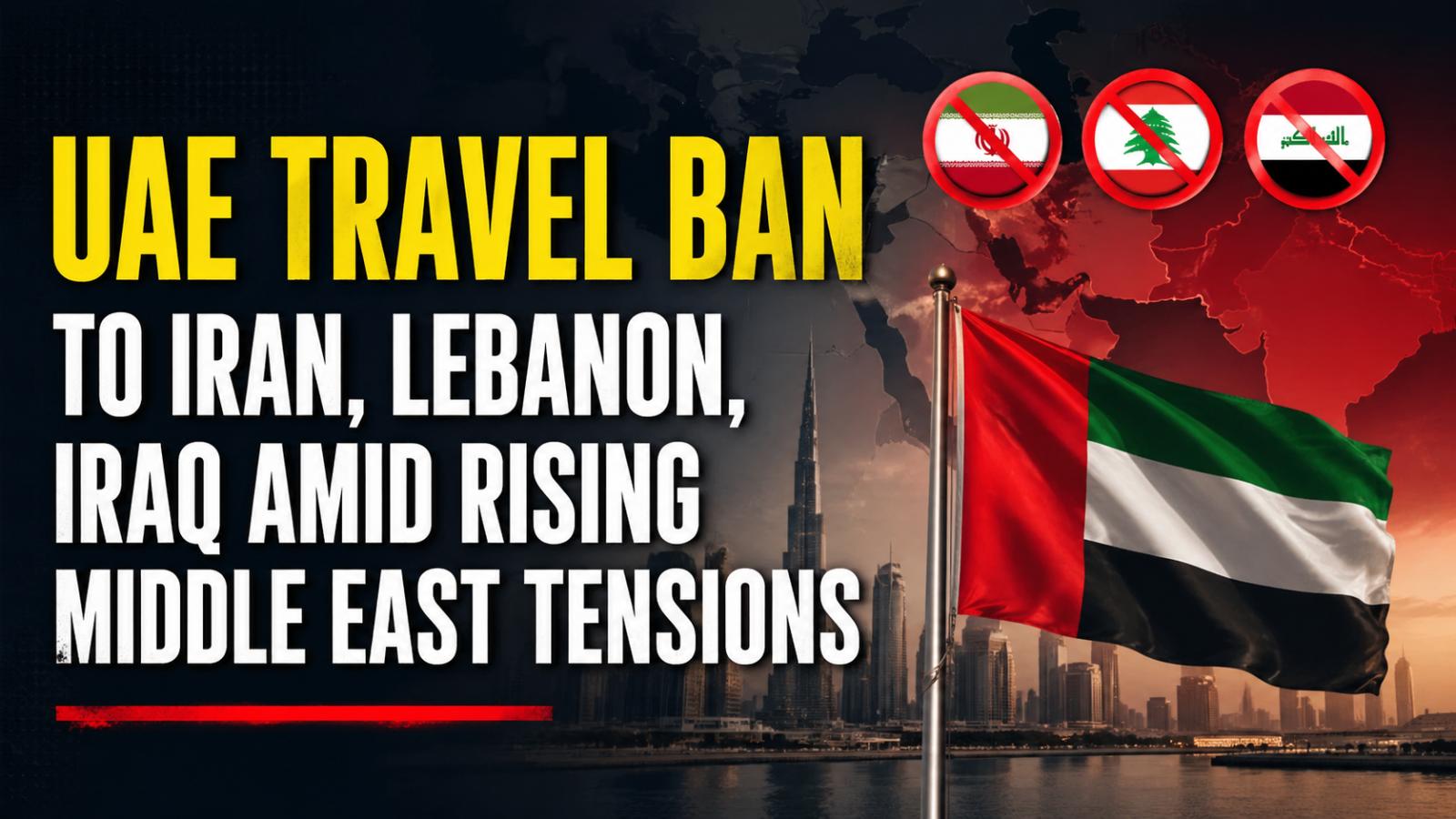
UAE travel ban to Iran, Lebanon, Iraq amid rising Middle East tensions
UAE issues immediate travel ban amid rising tensions The United Arab Emirates has imposed an immediate travel ban to Iran, Lebanon, and Iraq starting April 30, ordering its citizens to avoid travel and urging those currently in these countries to return without delay as regional tensions intensify. The move comes as security risks grow across West Asia, with increasing military activity and stalled diplomatic efforts. The UAE Ministry of Foreign Affairs confirmed that the travel ban came into effect immediately from Thursday (April 30). Travel to Iran, Lebanon, and Iraq is now restricted, and citizens already present there have been strongly advised to leave at the earliest opportunity, highlighting the government’s focus on citizen safety. What triggered the UAE travel ban? The decision follows rising instability, security threats, and reports of missile and drone risks in the region. Earlier advisories had warned of possible attacks, and although some alerts were later eased, authorities stress that the situation remains volatile and unpredictable. What role is the United States playing? The United States continues to maintain a strategic presence. Reports indicate that Donald Trump is reviewing military strategies presented by United States Central Command. These include short, targeted strikes aimed at pressuring Iran into negotiations, particularly around the Strait of Hormuz, a critical global oil route. CENTCOM also confirmed that US Air Force fighter jets are conducting routine patrols to support regional stability, signaling heightened readiness amid ongoing tensions. Are advanced defense systems deployed in the UAE? Yes. Reports suggest that Israel has provided support through advanced systems similar to the Iron Dome. These defense systems are designed to intercept missiles and drones, adding a layer of protection. Surveillance technologies capable of detecting threats at long range have also reportedly been deployed, indicating a coordinated regional defense strategy. What is happening with Iran-US talks? Diplomatic talks between Iran and the United States have stalled again. Iran proposed a three-stage plan involving ending hostilities, lifting maritime restrictions, and negotiating its nuclear program, but the proposal has not been accepted. Disagreements, especially regarding Hezbollah, have further complicated the process. Despite earlier ceasefire discussions, tensions have resurfaced, affecting key areas like the Strait of Hormuz and increasing global concern. The breakdown in negotiations has added to uncertainty across the region. What does this mean for UAE citizens? The UAE government has emphasized that citizen safety is the top priority, and the immediate travel ban is a precautionary step. By urging citizens to return quickly, authorities aim to minimize exposure to potential conflict zones. Residents are advised to stay updated and follow official guidance closely as the situation continues to evolve.
UAE travel ban to Iran, Lebanon, Iraq amid rising Middle East tensions
UAE issues immediate travel ban amid rising tensions The United Arab Emirates has imposed an immediate travel ban to Iran, Lebanon, and Iraq starting April 30, ordering its citizens to avoid travel and urging those currently in these countries to return without delay as regional tensions intensify. The move comes as security risks grow across West Asia, with increasing military activity and stalled diplomatic efforts. The UAE Ministry of Foreign Affairs confirmed that the travel ban came into effect immediately from Thursday (April 30). Travel to Iran, Lebanon, and Iraq is now restricted, and citizens already present there have been strongly advised to leave at the earliest opportunity, highlighting the government’s focus on citizen safety. What triggered the UAE travel ban? The decision follows rising instability, security threats, and reports of missile and drone risks in the region. Earlier advisories had warned of possible attacks, and although some alerts were later eased, authorities stress that the situation remains volatile and unpredictable. What role is the United States playing? The United States continues to maintain a strategic presence. Reports indicate that Donald Trump is reviewing military strategies presented by United States Central Command. These include short, targeted strikes aimed at pressuring Iran into negotiations, particularly around the Strait of Hormuz, a critical global oil route. CENTCOM also confirmed that US Air Force fighter jets are conducting routine patrols to support regional stability, signaling heightened readiness amid ongoing tensions. Are advanced defense systems deployed in the UAE? Yes. Reports suggest that Israel has provided support through advanced systems similar to the Iron Dome. These defense systems are designed to intercept missiles and drones, adding a layer of protection. Surveillance technologies capable of detecting threats at long range have also reportedly been deployed, indicating a coordinated regional defense strategy. What is happening with Iran-US talks? Diplomatic talks between Iran and the United States have stalled again. Iran proposed a three-stage plan involving ending hostilities, lifting maritime restrictions, and negotiating its nuclear program, but the proposal has not been accepted. Disagreements, especially regarding Hezbollah, have further complicated the process. Despite earlier ceasefire discussions, tensions have resurfaced, affecting key areas like the Strait of Hormuz and increasing global concern. The breakdown in negotiations has added to uncertainty across the region. What does this mean for UAE citizens? The UAE government has emphasized that citizen safety is the top priority, and the immediate travel ban is a precautionary step. By urging citizens to return quickly, authorities aim to minimize exposure to potential conflict zones. Residents are advised to stay updated and follow official guidance closely as the situation continues to evolve.
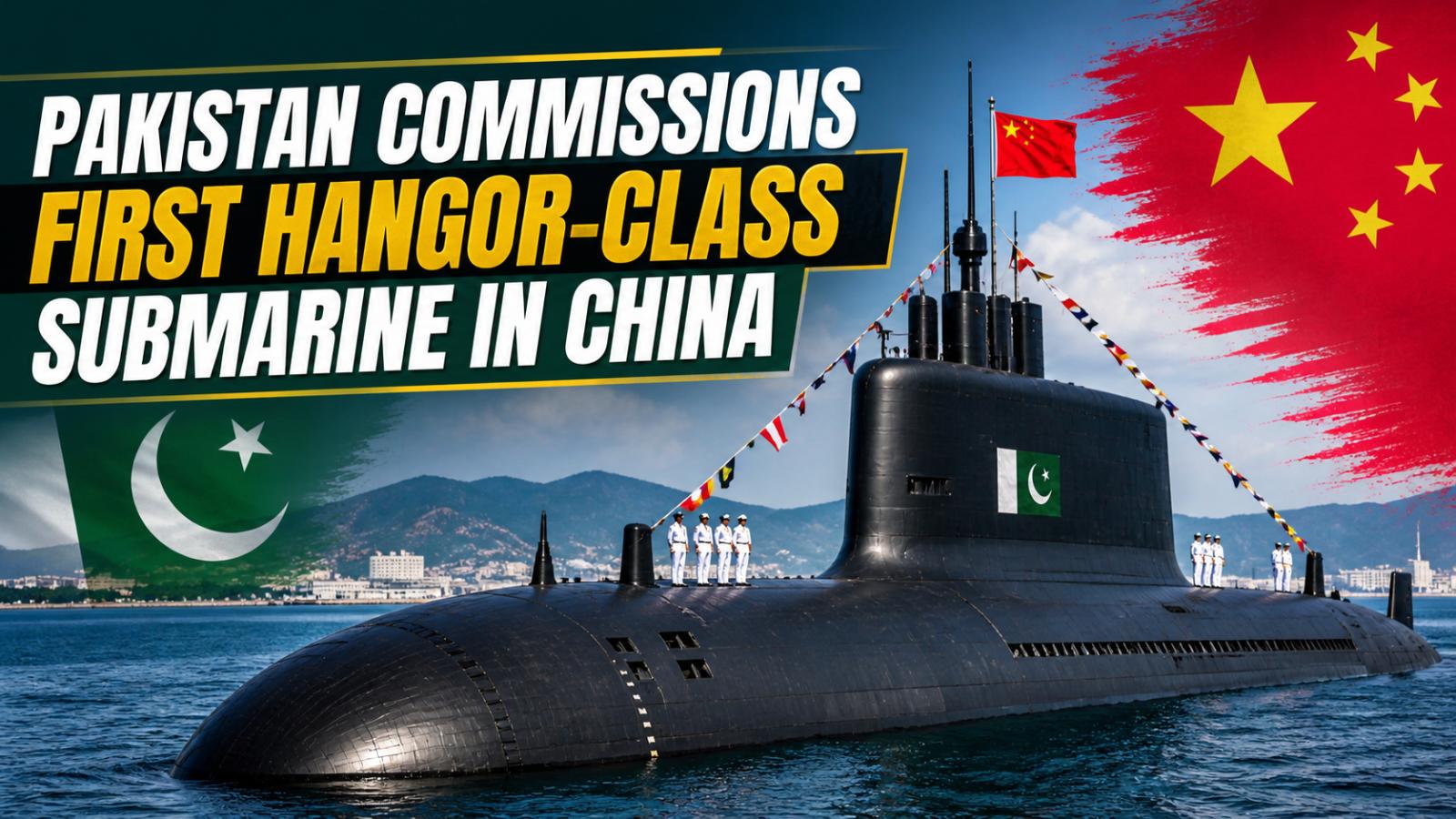
Pakistan commissions first Hangor-class submarine built in China
Pakistan submarine induction marks major naval boost Pakistan submarine induction marked a major milestone as the country commissioned its first Hangor-class submarine built in China. The ceremony was held in Sanya and attended by President Asif Ali Zardari and Naval Chief Admiral Naveed Ashraf. This move highlights strong China Pakistan defence cooperation and signals a major expansion in naval fleet capacity.
Pakistan commissions first Hangor-class submarine built in China
Pakistan submarine induction marks major naval boost Pakistan submarine induction marked a major milestone as the country commissioned its first Hangor-class submarine built in China. The ceremony was held in Sanya and attended by President Asif Ali Zardari and Naval Chief Admiral Naveed Ashraf. This move highlights strong China Pakistan defence cooperation and signals a major expansion in naval fleet capacity.

May Day 2026 Theme, History and Significance of International Labour Day Explained
May Day 2026, also known as International Labour Day, is observed globally on May 1 to recognize the contribution of workers in building economies and societies. It is not just a symbolic celebration but a reminder of the struggles, sacrifices, and ongoing demands of the working class. In India, the day is marked by rallies, union meetings, and public discussions focusing on fair wages, safe working conditions, and social justice. While many treat it as a holiday, the deeper purpose lies in evaluating whether workers today are truly benefiting from the progress they helped create. Historical Background and Global Relevance The roots of May Day go back to the Haymarket Affair in Chicago, where workers protested for an eight-hour workday. That movement reshaped labor laws worldwide and laid the foundation for modern worker rights. Over time, May Day evolved into a global platform for workers to demand dignity, equality, and legal protection. Despite these historical gains, many of the original issues—long hours, unsafe conditions, and unfair pay—still persist in different forms across countries, especially in developing economies. May Day 2026 Theme and Its Meaning The International Labour Organization has declared the 2026 theme as “Ensuring a Healthy Psychosocial Working Environment.” This reflects a major shift in focus from physical safety alone to mental well-being in workplaces. Emphasis on reducing stress, burnout, and workplace anxiety Need for policies addressing harassment and discrimination Encouragement of work-life balance and flexible work structures Recognition that productivity should not come at the cost of mental health This theme exposes a critical gap—while companies talk about employee wellness, many still operate in ways that increase pressure and reduce job satisfaction. Importance of May Day in India In India, May Day carries unique significance due to the size of its informal workforce. Millions of workers in sectors like construction, agriculture, and domestic work lack job security and legal protection. Informal workers often do not receive minimum wages or benefits Migrant workers face unstable employment and poor living conditions Social security systems are limited or inaccessible for many Awareness exists, but enforcement of labour laws remains weak This highlights a hard truth: progress in labour rights is uneven, and large sections of the workforce are still left behind. How May Day is Celebrated May Day celebrations in India and across the world are a mix of awareness and activism. Trade unions organize marches and protests Public speeches highlight labour issues and policy gaps Campaigns are run to support worker welfare and rights Governments announce reforms or initiatives, though impact varies These activities create visibility, but without consistent follow-through, they risk becoming routine rather than impactful. Key Challenges Workers Still Face Despite decades of labour reforms, several critical issues remain unresolved: Wage inequality across sectors and regions Lack of mental health support in workplaces Job insecurity due to contract and gig-based employment Poor enforcement of safety regulations Exploitation in unorganized sectors These challenges suggest that while the nature of work has evolved, worker struggles have simply taken new forms. Why May Day Still Matters Today May Day is no longer just about celebrating workers—it is about questioning systems. It forces governments, businesses, and society to examine whether economic growth is inclusive or exploitative. The 2026 theme makes it clear that worker well-being is not limited to physical safety but includes emotional and psychological health. The uncomfortable reality is this: awareness alone does not change conditions. Unless policies are enforced and accountability is maintained, May Day risks becoming symbolic rather than transformative. The real value of this day lies in pushing for measurable change, not just repeating familiar slogans.
May Day 2026 Theme, History and Significance of International Labour Day Explained
May Day 2026, also known as International Labour Day, is observed globally on May 1 to recognize the contribution of workers in building economies and societies. It is not just a symbolic celebration but a reminder of the struggles, sacrifices, and ongoing demands of the working class. In India, the day is marked by rallies, union meetings, and public discussions focusing on fair wages, safe working conditions, and social justice. While many treat it as a holiday, the deeper purpose lies in evaluating whether workers today are truly benefiting from the progress they helped create. Historical Background and Global Relevance The roots of May Day go back to the Haymarket Affair in Chicago, where workers protested for an eight-hour workday. That movement reshaped labor laws worldwide and laid the foundation for modern worker rights. Over time, May Day evolved into a global platform for workers to demand dignity, equality, and legal protection. Despite these historical gains, many of the original issues—long hours, unsafe conditions, and unfair pay—still persist in different forms across countries, especially in developing economies. May Day 2026 Theme and Its Meaning The International Labour Organization has declared the 2026 theme as “Ensuring a Healthy Psychosocial Working Environment.” This reflects a major shift in focus from physical safety alone to mental well-being in workplaces. Emphasis on reducing stress, burnout, and workplace anxiety Need for policies addressing harassment and discrimination Encouragement of work-life balance and flexible work structures Recognition that productivity should not come at the cost of mental health This theme exposes a critical gap—while companies talk about employee wellness, many still operate in ways that increase pressure and reduce job satisfaction. Importance of May Day in India In India, May Day carries unique significance due to the size of its informal workforce. Millions of workers in sectors like construction, agriculture, and domestic work lack job security and legal protection. Informal workers often do not receive minimum wages or benefits Migrant workers face unstable employment and poor living conditions Social security systems are limited or inaccessible for many Awareness exists, but enforcement of labour laws remains weak This highlights a hard truth: progress in labour rights is uneven, and large sections of the workforce are still left behind. How May Day is Celebrated May Day celebrations in India and across the world are a mix of awareness and activism. Trade unions organize marches and protests Public speeches highlight labour issues and policy gaps Campaigns are run to support worker welfare and rights Governments announce reforms or initiatives, though impact varies These activities create visibility, but without consistent follow-through, they risk becoming routine rather than impactful. Key Challenges Workers Still Face Despite decades of labour reforms, several critical issues remain unresolved: Wage inequality across sectors and regions Lack of mental health support in workplaces Job insecurity due to contract and gig-based employment Poor enforcement of safety regulations Exploitation in unorganized sectors These challenges suggest that while the nature of work has evolved, worker struggles have simply taken new forms. Why May Day Still Matters Today May Day is no longer just about celebrating workers—it is about questioning systems. It forces governments, businesses, and society to examine whether economic growth is inclusive or exploitative. The 2026 theme makes it clear that worker well-being is not limited to physical safety but includes emotional and psychological health. The uncomfortable reality is this: awareness alone does not change conditions. Unless policies are enforced and accountability is maintained, May Day risks becoming symbolic rather than transformative. The real value of this day lies in pushing for measurable change, not just repeating familiar slogans.
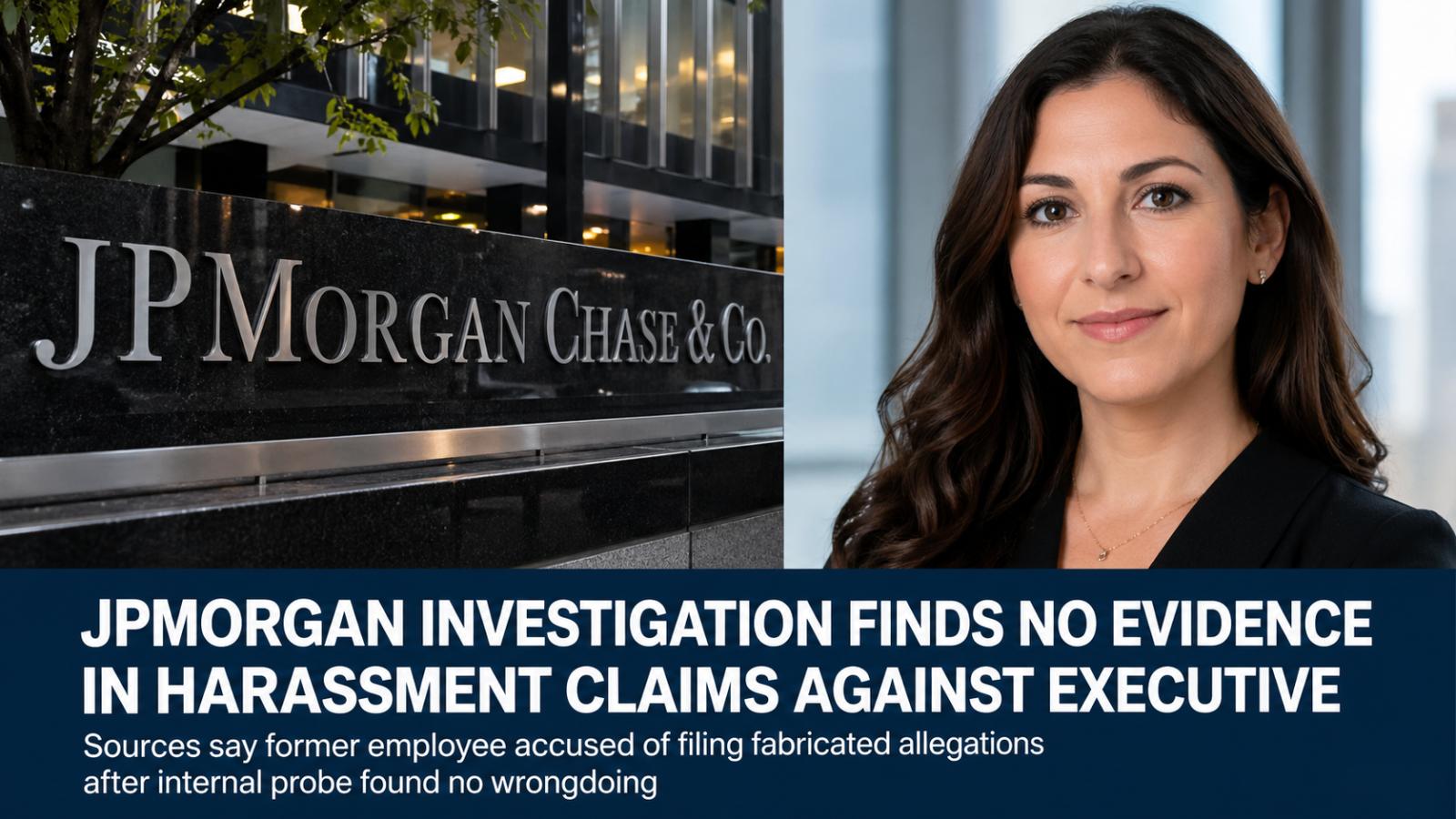
Who is accused in the JPMorgan lawsuit? Investigation points to fabricated allegations
Internal investigation challenges high-profile allegations A former employee of JPMorgan Chase has been accused by sources of filing fabricated sexual harassment allegations against a senior executive after an internal investigation reportedly found no evidence supporting the claims. The allegations were initially brought forward in a lawsuit filed earlier this week under
Who is accused in the JPMorgan lawsuit? Investigation points to fabricated allegations
Internal investigation challenges high-profile allegations A former employee of JPMorgan Chase has been accused by sources of filing fabricated sexual harassment allegations against a senior executive after an internal investigation reportedly found no evidence supporting the claims. The allegations were initially brought forward in a lawsuit filed earlier this week under
AI spending surge could top $1 trillion by 2027, analysts say
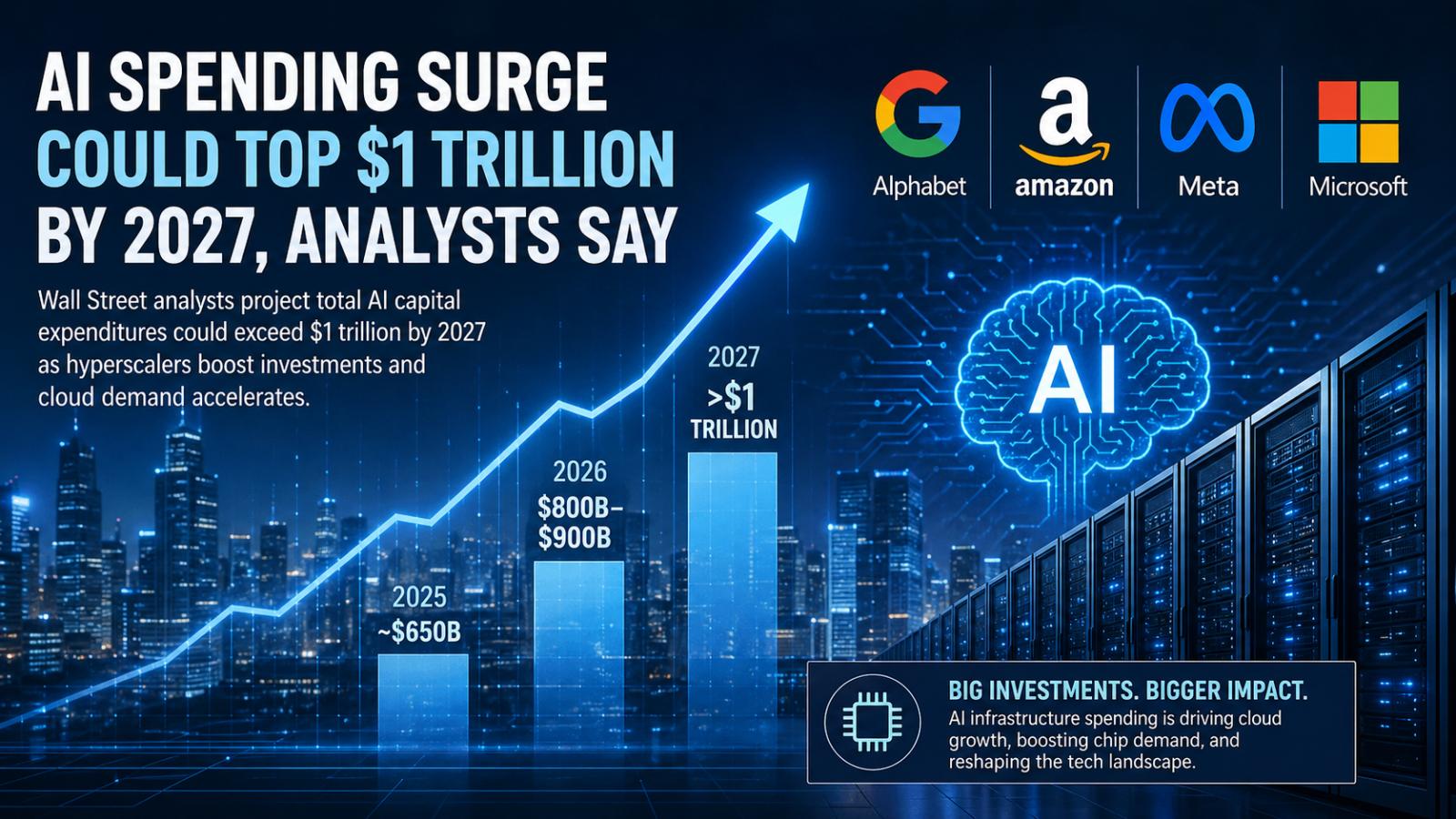
Wall Street analysts project AI spending could exceed $1 trillion by 2027 as major tech firms boost investments. Strong cloud demand and rising revenues support growth, though investor concerns remain over returns and rising infrastructure costs AI spending surge could top $1 trillion by 2027, analysts say is increasingly shaping expectations across the technology sector, as Wall Street analysts project unprecedented capital expenditures driven by artificial intelligence demand. Following recent tech earnings announcements on Wednesday, analysts at firms including Evercore and Bank of America estimate total AI-related capital spending could surpass $1 trillion by 2027, with 2026 projections already rising to between $800 billion and $900 billion. The surge reflects aggressive investment strategies by major technology companies, including Alphabet, Amazon, Meta, and Microsoft. According to analyst estimates, projected capital spending for 2026 includes approximately $200 billion from Amazon, $190 billion from Microsoft, $185 billion from Alphabet, and $135 billion from Meta, reflecting broad increases across the sector. Executives continue to signal confidence in long-term AI investments despite investor concerns about the scale of spending. Amazon CEO Andy Jassy emphasized the company’s commitment to infrastructure expansion, citing strong long-term returns. Similarly, Alphabet reported significant growth in its cloud segment, with revenue increasing sharply year over year, reinforcing expectations that AI-driven services are becoming a major revenue driver. Analysts note that while capital expenditures continue to rise, early signs of return on investment are emerging. Strong cloud demand, expanding contract backlogs, and increasing enterprise adoption of AI tools are contributing to revenue growth. Alphabet, in particular, has seen substantial backlog expansion tied to its cloud platform, with a large portion expected to convert into revenue over the next two years. However, not all companies are receiving equal investor confidence. Meta’s increased spending plans have raised concerns about near-term returns, particularly as its free cash flow has declined significantly compared to the previous year. CEO Mark Zuckerberg acknowledged higher infrastructure costs, including rising component prices, while maintaining confidence in the long-term value of AI investments. The rapid expansion of AI infrastructure is also benefiting semiconductor manufacturers and hardware suppliers. Companies such as Intel are seeing increased demand as AI workloads require a broader range of computing hardware beyond graphics processors. Analysts highlight growing demand for specialized chips and custom silicon solutions, suggesting that AI development could drive sustained growth across the semiconductor industry. Overall, analysts expect improving revenue and cash flow trends across the sector by 2026, supporting continued investment. While skepticism remains about the pace and scale of spending, the combination of strong demand, expanding cloud services, and technological advancements indicates that the AI-driven capital expenditure cycle is likely to continue shaping the global technology landscape.
AI spending surge could top $1 trillion by 2027, analysts say
Wall Street analysts project AI spending could exceed $1 trillion by 2027 as major tech firms boost investments. Strong cloud demand and rising revenues support growth, though investor concerns remain over returns and rising infrastructure costs AI spending surge could top $1 trillion by 2027, analysts say is increasingly shaping expectations across the technology sector, as Wall Street analysts project unprecedented capital expenditures driven by artificial intelligence demand. Following recent tech earnings announcements on Wednesday, analysts at firms including Evercore and Bank of America estimate total AI-related capital spending could surpass $1 trillion by 2027, with 2026 projections already rising to between $800 billion and $900 billion. The surge reflects aggressive investment strategies by major technology companies, including Alphabet, Amazon, Meta, and Microsoft. According to analyst estimates, projected capital spending for 2026 includes approximately $200 billion from Amazon, $190 billion from Microsoft, $185 billion from Alphabet, and $135 billion from Meta, reflecting broad increases across the sector. Executives continue to signal confidence in long-term AI investments despite investor concerns about the scale of spending. Amazon CEO Andy Jassy emphasized the company’s commitment to infrastructure expansion, citing strong long-term returns. Similarly, Alphabet reported significant growth in its cloud segment, with revenue increasing sharply year over year, reinforcing expectations that AI-driven services are becoming a major revenue driver. Analysts note that while capital expenditures continue to rise, early signs of return on investment are emerging. Strong cloud demand, expanding contract backlogs, and increasing enterprise adoption of AI tools are contributing to revenue growth. Alphabet, in particular, has seen substantial backlog expansion tied to its cloud platform, with a large portion expected to convert into revenue over the next two years. However, not all companies are receiving equal investor confidence. Meta’s increased spending plans have raised concerns about near-term returns, particularly as its free cash flow has declined significantly compared to the previous year. CEO Mark Zuckerberg acknowledged higher infrastructure costs, including rising component prices, while maintaining confidence in the long-term value of AI investments. The rapid expansion of AI infrastructure is also benefiting semiconductor manufacturers and hardware suppliers. Companies such as Intel are seeing increased demand as AI workloads require a broader range of computing hardware beyond graphics processors. Analysts highlight growing demand for specialized chips and custom silicon solutions, suggesting that AI development could drive sustained growth across the semiconductor industry. Overall, analysts expect improving revenue and cash flow trends across the sector by 2026, supporting continued investment. While skepticism remains about the pace and scale of spending, the combination of strong demand, expanding cloud services, and technological advancements indicates that the AI-driven capital expenditure cycle is likely to continue shaping the global technology landscape.

What do Apple options trades reveal? Mixed sentiment ahead of earnings
Apple’s stock may have remained largely flat over the past six months, but activity in the options market suggests traders are anticipating significant movement following its latest earnings report. Implied volatility points to a potential 3.5% swing in either direction, notably higher than the average 1.8% move seen after the company’s previous four quarterly earnings announcements. Options pricing reflects heightened expectations The increase in im
What do Apple options trades reveal? Mixed sentiment ahead of earnings
Apple’s stock may have remained largely flat over the past six months, but activity in the options market suggests traders are anticipating significant movement following its latest earnings report. Implied volatility points to a potential 3.5% swing in either direction, notably higher than the average 1.8% move seen after the company’s previous four quarterly earnings announcements. Options pricing reflects heightened expectations The increase in im
Putin and Trump discuss Iran tensions and Ukraine in lengthy phone call
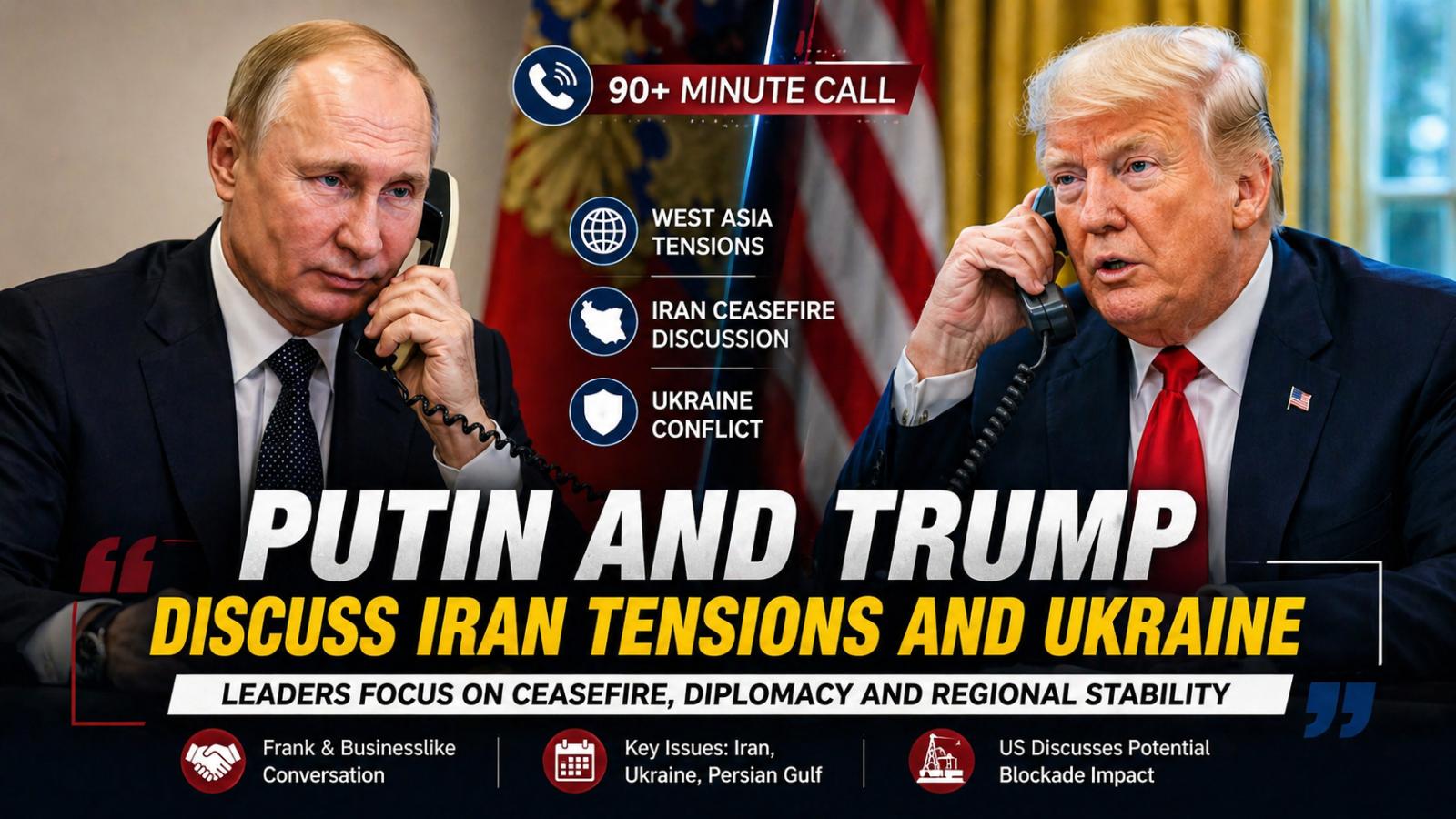
Russian President Vladimir Putin and US President Donald Trump held a 90-minute call on Iran, Ukraine, and Gulf tensions, discussing ceasefire efforts, diplomacy, and possible US actions on Iranian ports. Putin and Trump discuss Iran tensions and Ukraine in lengthy phone call as Vladimir Putin held a phone conversation with Donald Trump addressing ongoing conflicts in West Asia and Ukraine, according to statements from the Kremlin. The discussion, confirmed by aide Yuri Ushakov on Wednesday, lasted more than 90 minutes and was described as both “frank” and “businesslike,” reflecting the seriousness of the geopolitical issues involved. A central topic of the conversation was the situation in Iran and the broader Persian Gulf. Putin reportedly welcomed Trump’s decision to extend a ceasefire involving Iran, emphasizing that the move could provide critical time for diplomatic negotiations and help reduce escalating tensions across the region. The call highlighted mutual concerns about stability in key global energy corridors and the potential consequences of prolonged conflict. According to a White House official, Trump also discussed strategies with U.S. oil companies to mitigate the economic and logistical impact of a possible long-term U.S. blockade targeting Iranian ports. The potential blockade, which could last for months, is part of broader efforts to pressure Tehran amid ongoing disputes over regional security and nuclear negotiations. During the conversation, Trump urged Iranian leadership to act swiftly, signaling that diplomatic opportunities remain open but limited. His remarks underscored Washington’s push for a negotiated agreement while maintaining pressure through economic and strategic measures. The exchange between the two leaders reflects continued engagement between the United States and Russia on key international crises, even amid broader tensions in bilateral relations.
Putin and Trump discuss Iran tensions and Ukraine in lengthy phone call
Russian President Vladimir Putin and US President Donald Trump held a 90-minute call on Iran, Ukraine, and Gulf tensions, discussing ceasefire efforts, diplomacy, and possible US actions on Iranian ports. Putin and Trump discuss Iran tensions and Ukraine in lengthy phone call as Vladimir Putin held a phone conversation with Donald Trump addressing ongoing conflicts in West Asia and Ukraine, according to statements from the Kremlin. The discussion, confirmed by aide Yuri Ushakov on Wednesday, lasted more than 90 minutes and was described as both “frank” and “businesslike,” reflecting the seriousness of the geopolitical issues involved. A central topic of the conversation was the situation in Iran and the broader Persian Gulf. Putin reportedly welcomed Trump’s decision to extend a ceasefire involving Iran, emphasizing that the move could provide critical time for diplomatic negotiations and help reduce escalating tensions across the region. The call highlighted mutual concerns about stability in key global energy corridors and the potential consequences of prolonged conflict. According to a White House official, Trump also discussed strategies with U.S. oil companies to mitigate the economic and logistical impact of a possible long-term U.S. blockade targeting Iranian ports. The potential blockade, which could last for months, is part of broader efforts to pressure Tehran amid ongoing disputes over regional security and nuclear negotiations. During the conversation, Trump urged Iranian leadership to act swiftly, signaling that diplomatic opportunities remain open but limited. His remarks underscored Washington’s push for a negotiated agreement while maintaining pressure through economic and strategic measures. The exchange between the two leaders reflects continued engagement between the United States and Russia on key international crises, even amid broader tensions in bilateral relations.