

















#nucleardisarmament
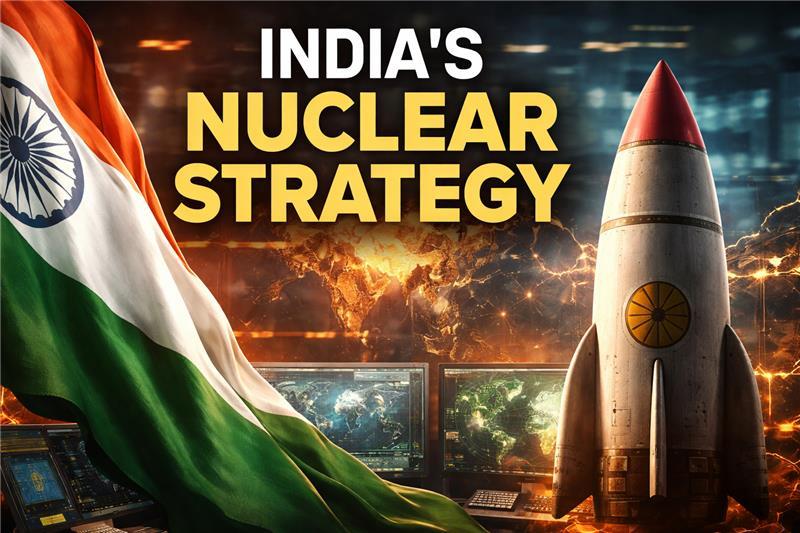
India’s nuclear posture: balancing deterrence with global stability
India’s nuclear strategy has consistently evolved, reflecting the country’s changing security landscape and its response to emerging global challenges. With a doctrine centered on credible minimum deterrence, India ensures that its nuclear capabilities are sufficient to deter adversaries without striving for nuclear superiority. This strategic posture maintains a delicate balance, ensuring national security while preventing the escalation of conflicts into nuclear war.
India’s nuclear posture: balancing deterrence with global stability
India’s nuclear strategy has consistently evolved, reflecting the country’s changing security landscape and its response to emerging global challenges. With a doctrine centered on credible minimum deterrence, India ensures that its nuclear capabilities are sufficient to deter adversaries without striving for nuclear superiority. This strategic posture maintains a delicate balance, ensuring national security while preventing the escalation of conflicts into nuclear war.
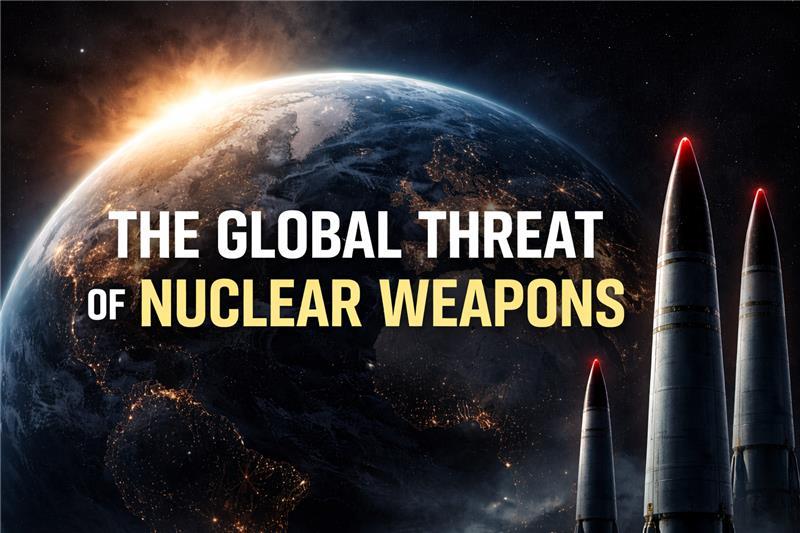
Global nuclear weapons control faces rising risks and new arms race
The global system governing nuclear weapons is not anchored in a single treaty but rather a web of agreements, arms-control arrangements, and regional initiatives, each designed to address different facets of nuclear security. While some agreements restrict which nations can possess nuclear weapons, others focus on halting tests, limiting arsenals, or even striving to establish nuclear-weapon-free zones. As of 2025, nine countries—led by the United States and Russia—currently mainta
Global nuclear weapons control faces rising risks and new arms race
The global system governing nuclear weapons is not anchored in a single treaty but rather a web of agreements, arms-control arrangements, and regional initiatives, each designed to address different facets of nuclear security. While some agreements restrict which nations can possess nuclear weapons, others focus on halting tests, limiting arsenals, or even striving to establish nuclear-weapon-free zones. As of 2025, nine countries—led by the United States and Russia—currently mainta


