#palestine
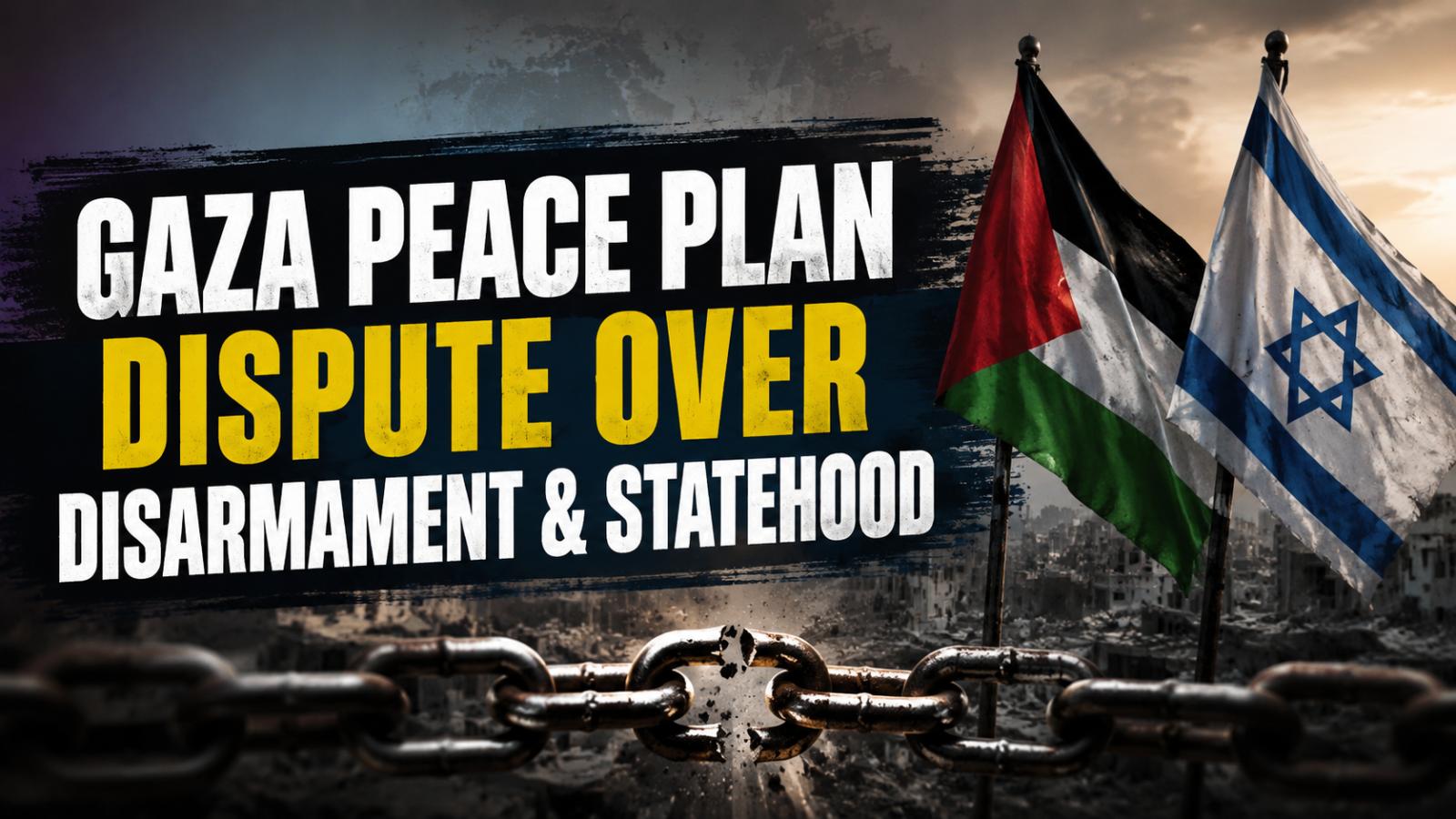
Gaza peace plan divides leaders over disarmament terms
Fresh diplomatic discussions around a proposed Gaza peace framework have exposed deep divisions over how the territory should transition after conflict. The draft outlines a multi-step roadmap covering security arrangements, reconstruction and political governance, but key stakeholders remain split on the order in which these steps should take place. At the center of the disagreement is whether armed groups should be required to disarm before any political transition begins, or whether political recognition and state-building guarantees must come first to ensure balance in negotiations. Disarmament conditions trigger political tension One version of the proposal places disarmament as a prerequisite for rebuilding efforts and formal governance structures. Supporters of this approach argue that long-term stability cannot be achieved without removing weapons from non-state actors first. Opponents reject this sequencing, warning that it could leave Palestinian authorities without leverage in future talks. They argue that political rights and institutional recognition must be secured alongside any security commitments, not after them. This divide has become one of the most sensitive issues in the ongoing talks. Aid and reconstruction tied to compliance terms Another contested element involves humanitarian aid and reconstruction funding. Some draft interpretations suggest that international assistance could be linked to compliance with security benchmarks under the proposed roadmap. Critics say this risks turning basic recovery needs into conditional political tools, potentially slowing down urgently needed rebuilding efforts. Supporters argue that conditionality is necessary to prevent renewed escalation and ensure accountability during the transition phase. Governance model and external oversight concerns The proposed framework also includes the idea of an international oversight structure to stabilize post-conflict Gaza. While intended to support security coordination and administrative rebuilding, the concept has raised concerns about long-term external control. Questions remain unanswered over who would lead local governance, how authority would be transferred over time, and what limits would be placed on external involvement. These unresolved issues continue to slow consensus-building. Trust gap widens between negotiating sides Beyond policy disagreements, a broader trust deficit is shaping the talks. Each side interprets the roadmap differently, particularly on what constitutes compliance and political progress. This lack of shared definition has made it difficult to establish a clear sequence for implementation. Analysts note that without agreed enforcement mechanisms, even minor disputes could delay or derail the entire process. Fragile outlook for ceasefire implementation While discussions continue, the overall outlook remains uncertain. The success of any ceasefire arrangement depends on whether both sides can align on sequencing, accountability, and political guarantees. Without that alignment, observers warn that the proposed roadmap risks remaining a draft framework rather than becoming an actionable peace agreement.
Gaza peace plan divides leaders over disarmament terms
Fresh diplomatic discussions around a proposed Gaza peace framework have exposed deep divisions over how the territory should transition after conflict. The draft outlines a multi-step roadmap covering security arrangements, reconstruction and political governance, but key stakeholders remain split on the order in which these steps should take place. At the center of the disagreement is whether armed groups should be required to disarm before any political transition begins, or whether political recognition and state-building guarantees must come first to ensure balance in negotiations. Disarmament conditions trigger political tension One version of the proposal places disarmament as a prerequisite for rebuilding efforts and formal governance structures. Supporters of this approach argue that long-term stability cannot be achieved without removing weapons from non-state actors first. Opponents reject this sequencing, warning that it could leave Palestinian authorities without leverage in future talks. They argue that political rights and institutional recognition must be secured alongside any security commitments, not after them. This divide has become one of the most sensitive issues in the ongoing talks. Aid and reconstruction tied to compliance terms Another contested element involves humanitarian aid and reconstruction funding. Some draft interpretations suggest that international assistance could be linked to compliance with security benchmarks under the proposed roadmap. Critics say this risks turning basic recovery needs into conditional political tools, potentially slowing down urgently needed rebuilding efforts. Supporters argue that conditionality is necessary to prevent renewed escalation and ensure accountability during the transition phase. Governance model and external oversight concerns The proposed framework also includes the idea of an international oversight structure to stabilize post-conflict Gaza. While intended to support security coordination and administrative rebuilding, the concept has raised concerns about long-term external control. Questions remain unanswered over who would lead local governance, how authority would be transferred over time, and what limits would be placed on external involvement. These unresolved issues continue to slow consensus-building. Trust gap widens between negotiating sides Beyond policy disagreements, a broader trust deficit is shaping the talks. Each side interprets the roadmap differently, particularly on what constitutes compliance and political progress. This lack of shared definition has made it difficult to establish a clear sequence for implementation. Analysts note that without agreed enforcement mechanisms, even minor disputes could delay or derail the entire process. Fragile outlook for ceasefire implementation While discussions continue, the overall outlook remains uncertain. The success of any ceasefire arrangement depends on whether both sides can align on sequencing, accountability, and political guarantees. Without that alignment, observers warn that the proposed roadmap risks remaining a draft framework rather than becoming an actionable peace agreement.
UN meeting turns tense over Gaza report allegations dispute
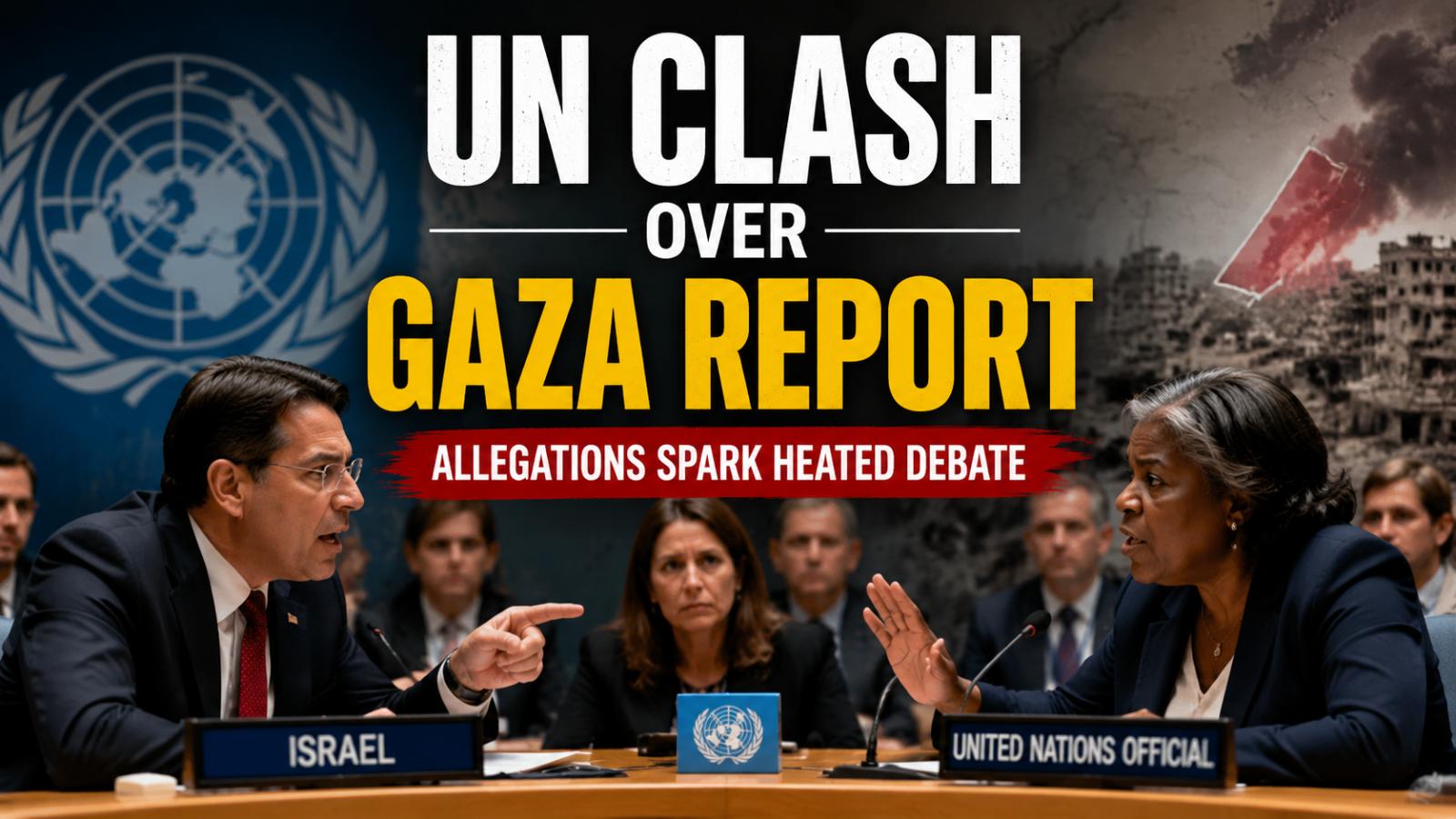
A United Nations discussion intended to review conflict-related sexual violence and child protection issues turned sharply contentious in New York, as disagreements over a Gaza-focused report escalated between Israel’s delegation and senior UN officials. What began as a policy review quickly shifted into a direct diplomatic exchange over credibility, methodology, and political framing of the findings. Dispute over credibility of conflict data The tension intensified when Israel’s representative, Danny Danon, challenged the validity of a UN monitoring report that documented violations affecting children in multiple conflict zones, including Gaza. He argued that the findings reflected institutional bias and selective interpretation of incidents involving Israeli forces and related actors. His remarks prompted immediate pushback from UN officials present in the session. Sharp exchange between diplomats and UN officials UN representative Vanessa Frazier responded by rejecting the criticism of the report’s integrity, stressing that the data was compiled through established verification mechanisms used in conflict monitoring worldwide. She objected to what she described as personal accusations directed at UN personnel, which further escalated the exchange. The discussion momentarily lost procedural focus as both sides defended their positions more forcefully. Findings highlight scale of child impact in conflict zones The report at the center of the debate outlined thousands of grave violations affecting children across active conflict regions during the year. It attributed a significant portion of documented incidents to multiple parties operating in high-intensity zones, while also calling attention to the broader deterioration of child safety in war-affected areas. UN Secretary-General António Guterres has previously expressed concern over rising figures and warned that persistent patterns of violations could trigger stronger international accountability measures. Broader diplomatic divide over accountability frameworks The confrontation reflects a continuing divide between Israel and United Nations institutions regarding how conflict data is collected, interpreted, and publicly presented. Israel has consistently rejected allegations of bias in UN reporting, while UN bodies maintain that standardized monitoring systems are essential for documenting humanitarian conditions in active war zones. The latest exchange underscores how reporting on civilian harm has become a recurring point of friction in international diplomacy, particularly in relation to Gaza.
UN meeting turns tense over Gaza report allegations dispute
A United Nations discussion intended to review conflict-related sexual violence and child protection issues turned sharply contentious in New York, as disagreements over a Gaza-focused report escalated between Israel’s delegation and senior UN officials. What began as a policy review quickly shifted into a direct diplomatic exchange over credibility, methodology, and political framing of the findings. Dispute over credibility of conflict data The tension intensified when Israel’s representative, Danny Danon, challenged the validity of a UN monitoring report that documented violations affecting children in multiple conflict zones, including Gaza. He argued that the findings reflected institutional bias and selective interpretation of incidents involving Israeli forces and related actors. His remarks prompted immediate pushback from UN officials present in the session. Sharp exchange between diplomats and UN officials UN representative Vanessa Frazier responded by rejecting the criticism of the report’s integrity, stressing that the data was compiled through established verification mechanisms used in conflict monitoring worldwide. She objected to what she described as personal accusations directed at UN personnel, which further escalated the exchange. The discussion momentarily lost procedural focus as both sides defended their positions more forcefully. Findings highlight scale of child impact in conflict zones The report at the center of the debate outlined thousands of grave violations affecting children across active conflict regions during the year. It attributed a significant portion of documented incidents to multiple parties operating in high-intensity zones, while also calling attention to the broader deterioration of child safety in war-affected areas. UN Secretary-General António Guterres has previously expressed concern over rising figures and warned that persistent patterns of violations could trigger stronger international accountability measures. Broader diplomatic divide over accountability frameworks The confrontation reflects a continuing divide between Israel and United Nations institutions regarding how conflict data is collected, interpreted, and publicly presented. Israel has consistently rejected allegations of bias in UN reporting, while UN bodies maintain that standardized monitoring systems are essential for documenting humanitarian conditions in active war zones. The latest exchange underscores how reporting on civilian harm has become a recurring point of friction in international diplomacy, particularly in relation to Gaza.
Narendra Modi receives rare honours from both Israel and Palestine
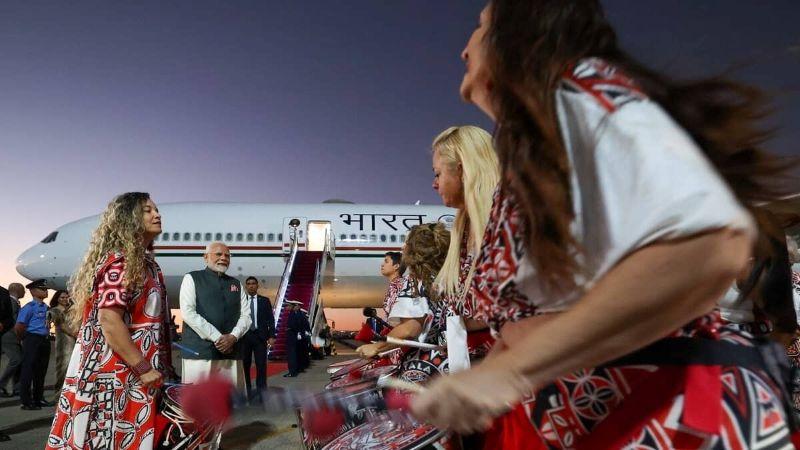
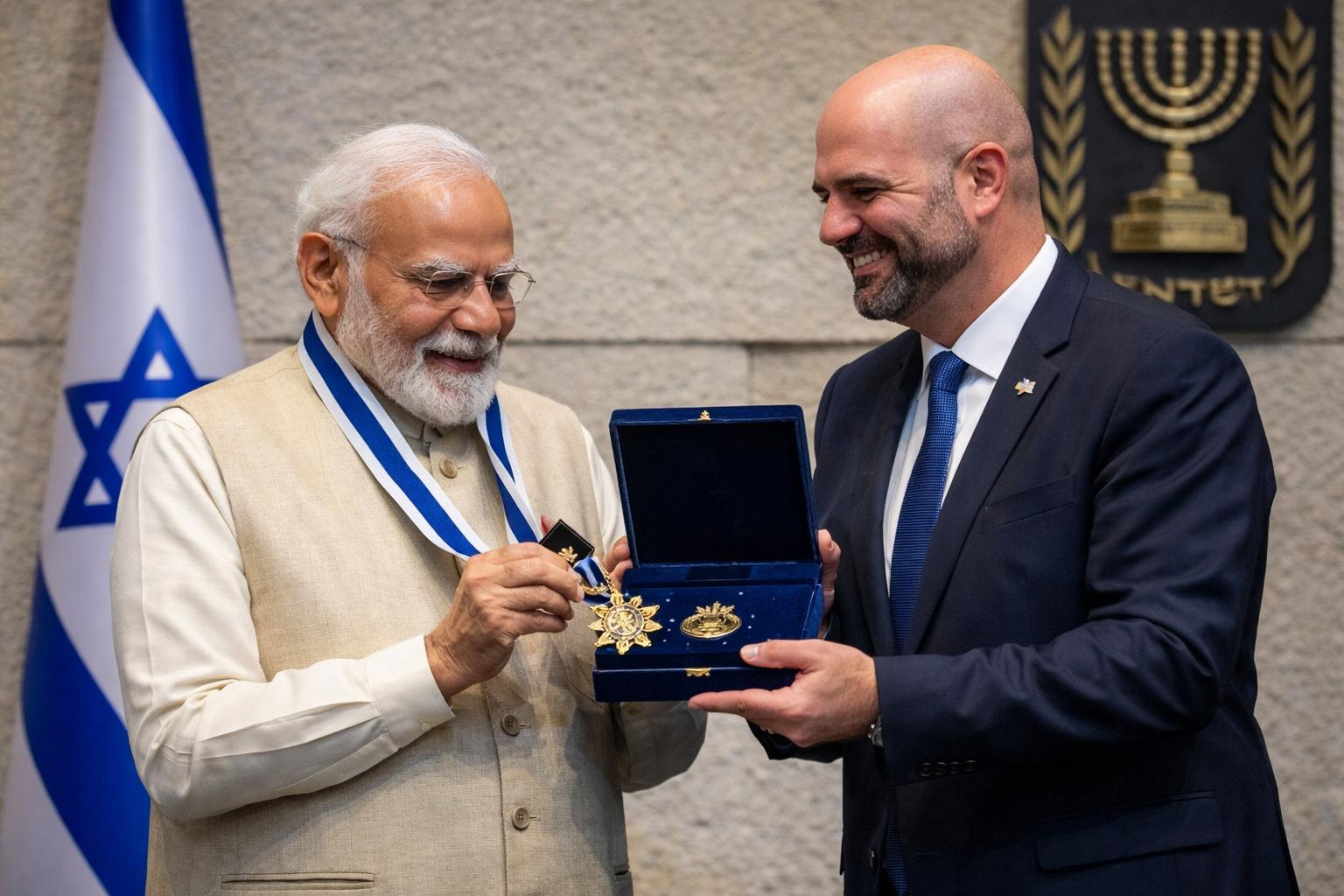
Prime Minister Narendra Modi was on Wednesday conferred with the prestigious Speaker of the Knesset Medal, marking a significant milestone in India-Israel relations. The honour, considered the highest award of Israel’s Parliament, was presented in recognition of Modi’s exceptional contribution to strengthening the strategic partnership between the two nations. Knesset Speaker Amir Ohana presented the medal to the Indian prime minister following his address to the Israeli Parliam
Narendra Modi receives rare honours from both Israel and Palestine
Prime Minister Narendra Modi was on Wednesday conferred with the prestigious Speaker of the Knesset Medal, marking a significant milestone in India-Israel relations. The honour, considered the highest award of Israel’s Parliament, was presented in recognition of Modi’s exceptional contribution to strengthening the strategic partnership between the two nations. Knesset Speaker Amir Ohana presented the medal to the Indian prime minister following his address to the Israeli Parliam
Palestine seeks India’s support for peace and reconstruction amid West Asia tensions
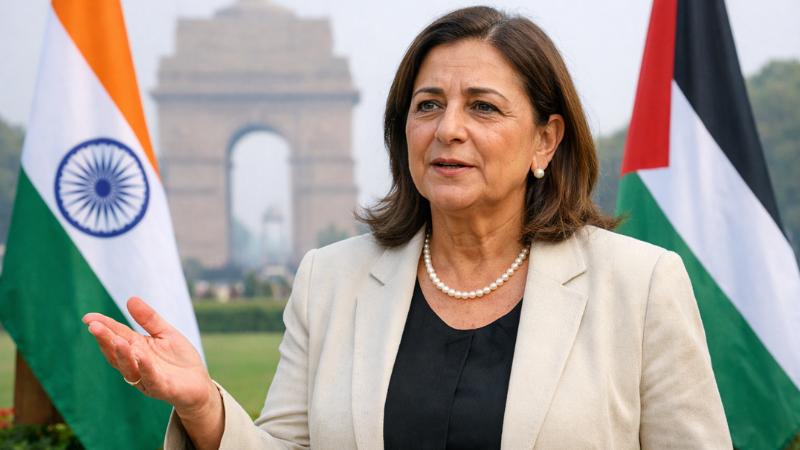
With renewed calls for peace, reconstruction, and an end to prolonged conflict, Dr. Varsen Aghabekian Shahin, Minister of Foreign Affairs and Expatriates of the State of Palestine, is on her first official visit to India. Speaking to journalists in New Delhi on Thursday, she stressed the urgency of achieving Palestinian statehood, arguing that lasting peace in West Asia cannot be realised without ending occupation and restoring sovereignty to the Palestinian people. Dr. Shahin highl
Palestine seeks India’s support for peace and reconstruction amid West Asia tensions
With renewed calls for peace, reconstruction, and an end to prolonged conflict, Dr. Varsen Aghabekian Shahin, Minister of Foreign Affairs and Expatriates of the State of Palestine, is on her first official visit to India. Speaking to journalists in New Delhi on Thursday, she stressed the urgency of achieving Palestinian statehood, arguing that lasting peace in West Asia cannot be realised without ending occupation and restoring sovereignty to the Palestinian people. Dr. Shahin highl
PM Modi Backs Trump’s Gaza Peace Plan, Calls It Pathway To Long-Term Stability
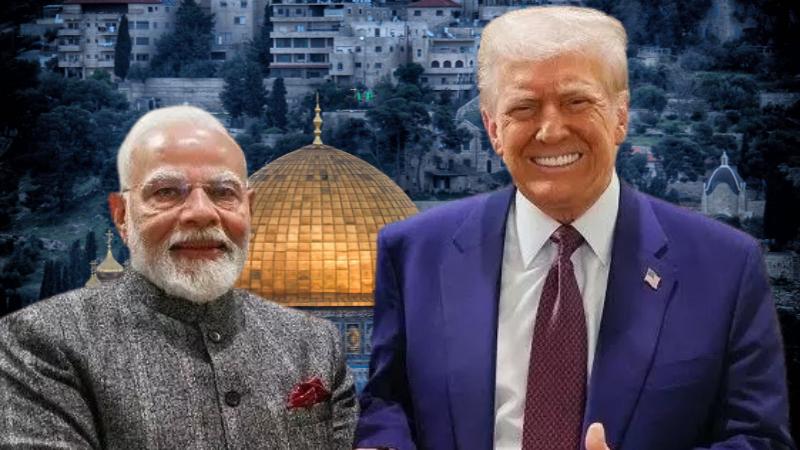
Prime Minister Narendra Modi has welcomed US President Donald Trump’s new initiative aimed at ending the Gaza conflict, describing it as a comprehensive pathway toward long-term and sustainable peace. Modi’s support comes after Trump and Israeli Prime Minister Benjamin Netanyahu agreed on Washington’s 20-point proposal during talks at the White House. In a statement posted on X, Modi said, We welcom
PM Modi Backs Trump’s Gaza Peace Plan, Calls It Pathway To Long-Term Stability
Prime Minister Narendra Modi has welcomed US President Donald Trump’s new initiative aimed at ending the Gaza conflict, describing it as a comprehensive pathway toward long-term and sustainable peace. Modi’s support comes after Trump and Israeli Prime Minister Benjamin Netanyahu agreed on Washington’s 20-point proposal during talks at the White House. In a statement posted on X, Modi said, We welcom
Trump and Netanyahu announce Gaza peace plan with hostages release proposal
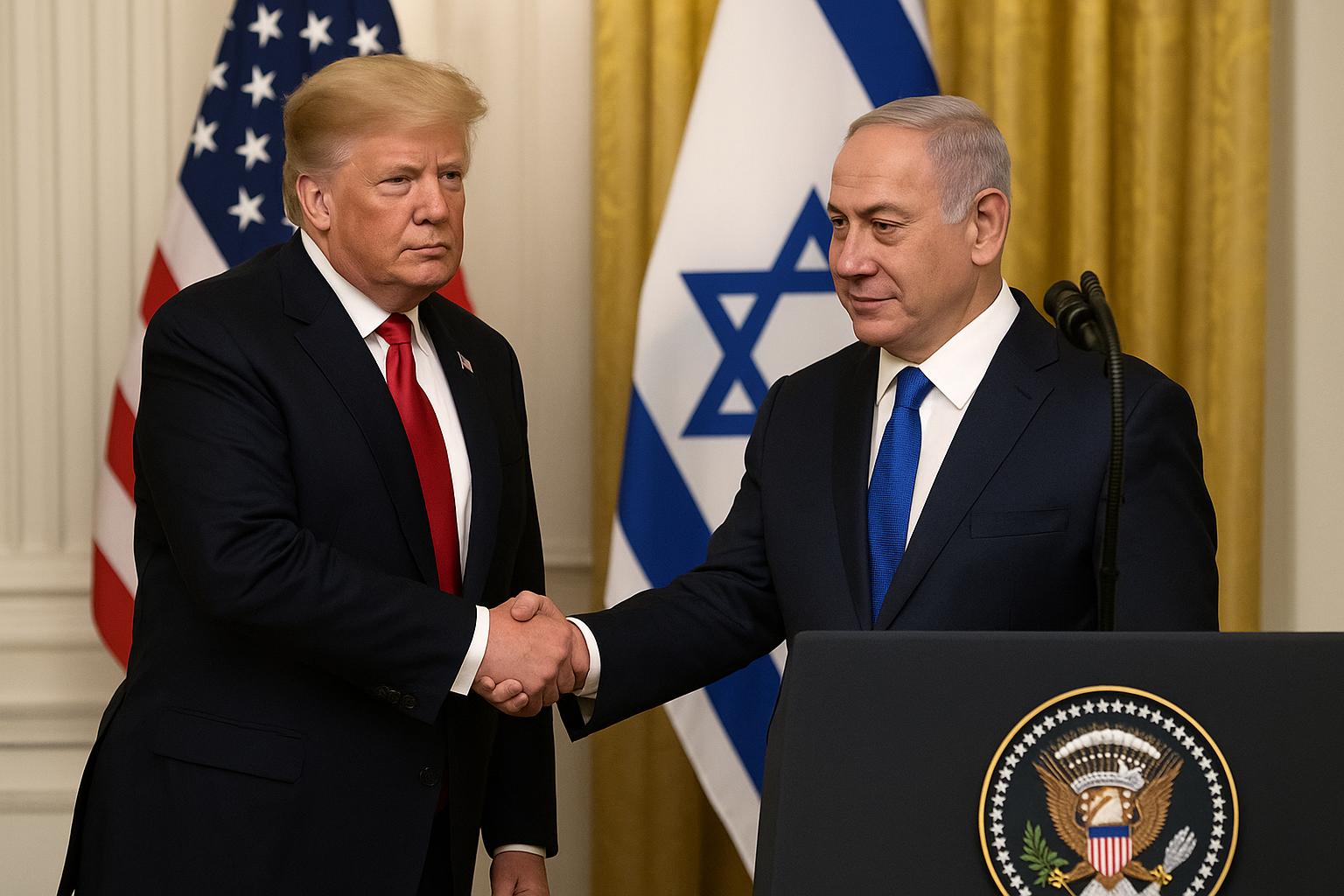
President Donald Trump and Israeli Prime Minister Benjamin Netanyahu on Monday announced a comprehensive peace initiative aimed at ending the ongoing Gaza war, expanding the Abraham Accords, and setting the stage for long-term stability in the Middle East. The announcement came after an extended meeting at the White House, where both leaders addressed the press in the State Dining Room and described the day as historic. Trump declared that the plan was designed to end not just the fighting in
Trump and Netanyahu announce Gaza peace plan with hostages release proposal
President Donald Trump and Israeli Prime Minister Benjamin Netanyahu on Monday announced a comprehensive peace initiative aimed at ending the ongoing Gaza war, expanding the Abraham Accords, and setting the stage for long-term stability in the Middle East. The announcement came after an extended meeting at the White House, where both leaders addressed the press in the State Dining Room and described the day as historic. Trump declared that the plan was designed to end not just the fighting in