



RBI and Nirmala Sitharaman Target Mis-selling in Banking Sector with New Guidelines
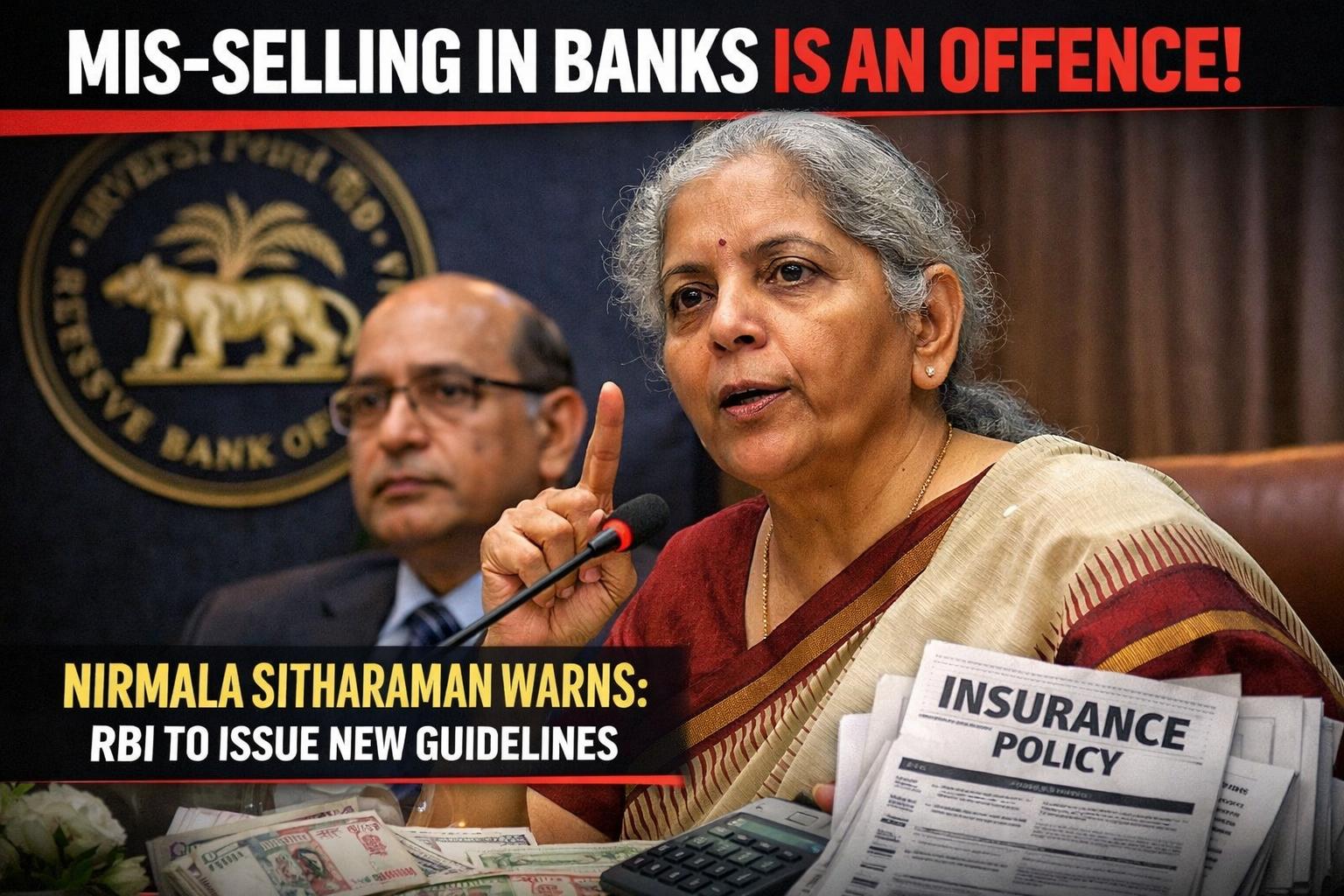
India’s financial sector has been grappling with the persistent issue of mis-selling, especially in the realm of banking and insurance products. In a recent statement, Finance Minister Nirmala Sitharaman addressed the ongoing concern, declaring that banks cannot treat mis-selling as a routine part of their business. She went as far as to say that mis-selling is an "offence," sending a clear message to financial institutions that such practices will not be tolerated. Her remarks came at a pr
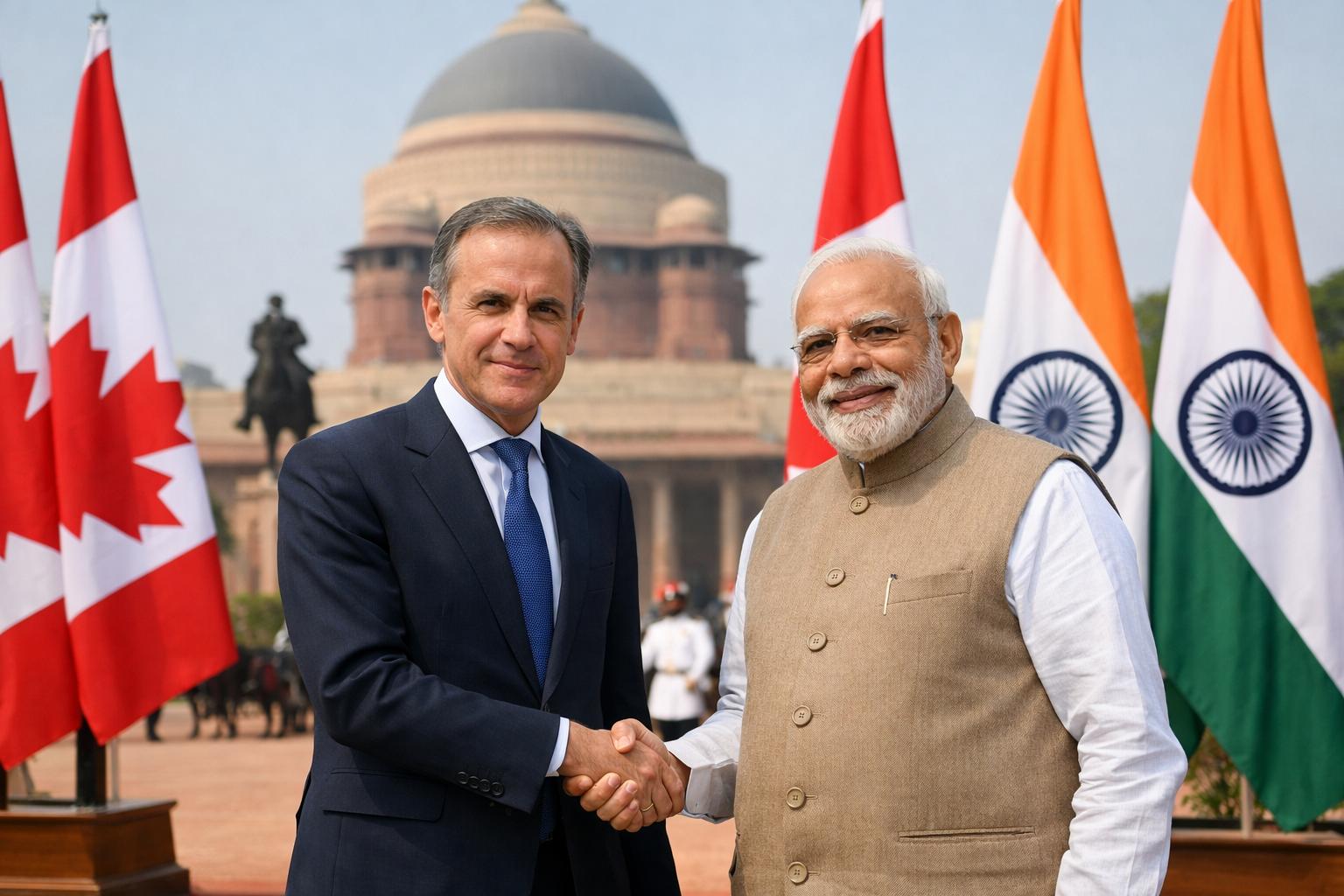
Mark Carney to visit India to boost Canada-India ties
Canadian Prime Minister Mark Carney has announced a high-profile visit to India as part of a broader Indo-Pacific tour, in what officials describe as a significant step toward revitalizing bilateral relations that have faced strain in recent years. The visit, scheduled from February 26 to March 7, 2026, will also include stops in Australia and Japan, reflecting Ottawa’s strategic focus on strengthening partnerships across the Indo-Pacific region. Carney’s itinerary begins in Mum
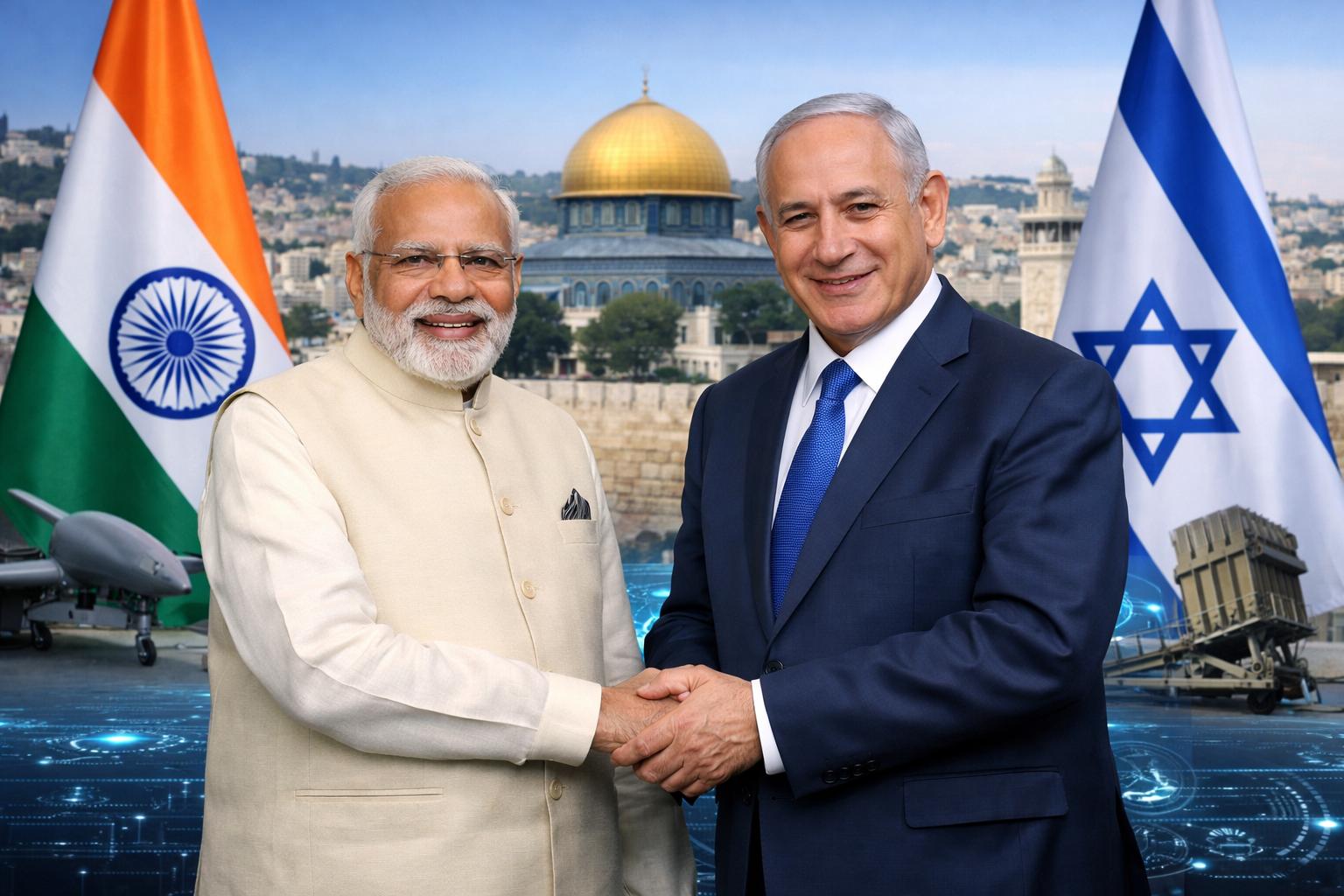
Modi’s Israel visit to deepen defence and innovation ties, says envoy
Israel’s Ambassador to India, Reuven Azar, on Monday expressed enthusiasm ahead of Prime Minister Narendra Modi’s upcoming visit, describing it as a significant step forward in strengthening India-Israel relations. The visit, scheduled for February 25, is expected to accelerate cooperation across defence, technology, and economic sectors, reflecting the growing depth of the strategic partnership between the two nations. In a video message shared on social media, Azar said Israel was l
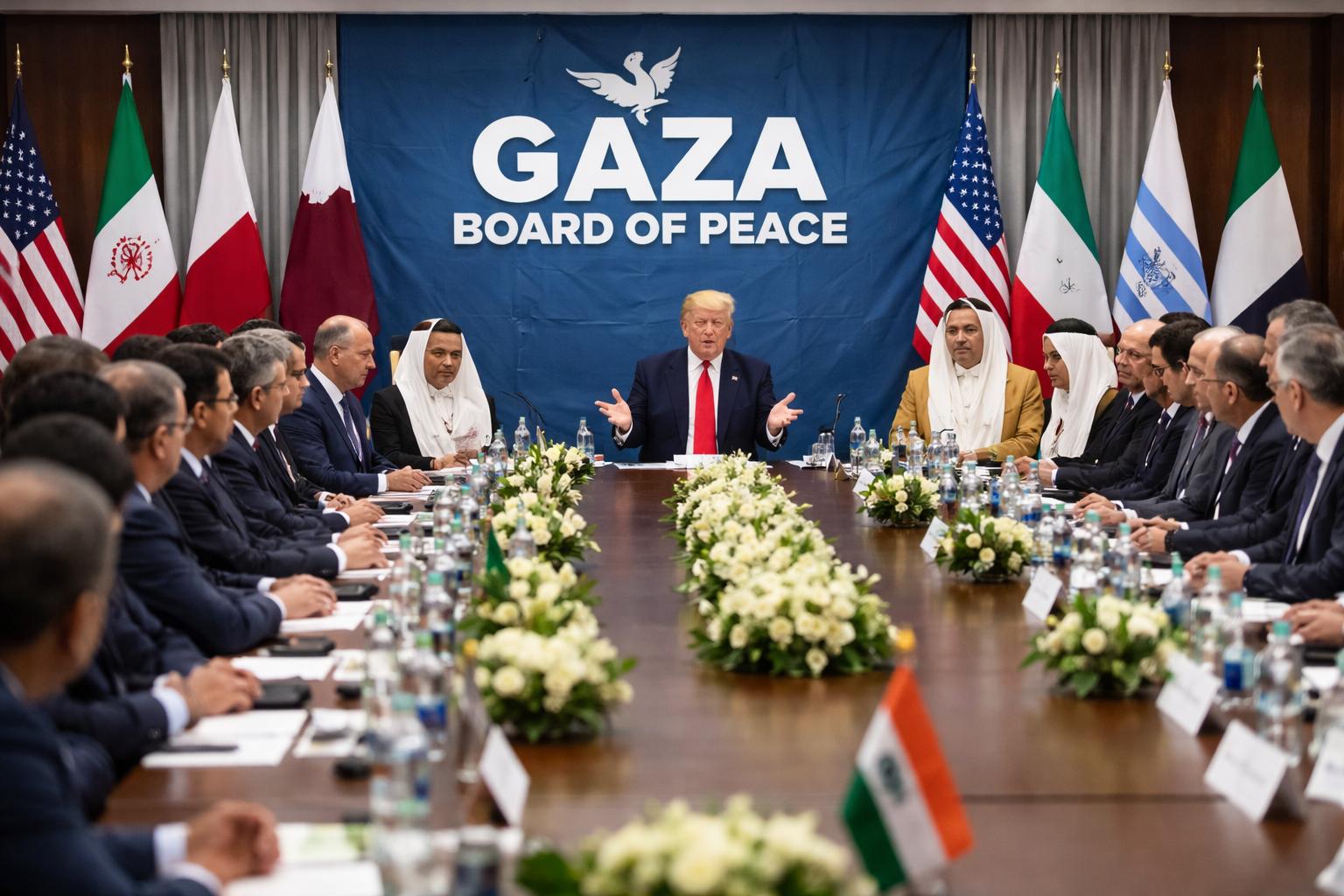
India attends Trump’s Gaza Board of Peace meeting as observer
India participated as an observer in the inaugural meeting of United States President Donald Trump’s newly announced Board of Peace initiative focused on Gaza, according to official participant records. The meeting was held at the Donald J. Trump Institute of Peace in Washington, DC, where India was represented by Chargé d’Affaires Namgya Khampa from the Indian embassy. New Delhi has not formally joined the Board of Peace but attended in a limited observer capacity as international discussions around Gaza reconstruction and regional stability continue to evolve. During the launch event, Trump announced a pledge of $10 billion toward the reconstruction of the Gaza Strip, positioning the initiative as a major international effort following the recent ceasefire. Several Muslim-majority countries also committed financial and security support. Leaders from Qatar, Saudi Arabia, and the United Arab Emirates each pledged at least $1 billion, according to officials present at the gathering. The White House Press Secretary later stated that total commitments from participating nations had crossed $6.5 billion, a figure that appeared to exclude the separate US contribution. The Board of Peace was convened in the aftermath of a ceasefire agreement reached in October following negotiations facilitated by the United States in coordination with Qatar and Egypt. The ceasefire aimed to halt nearly two years of intense conflict in Gaza. Under the proposed second phase of the framework, Hamas is expected to be disarmed as part of broader stabilisation measures. The current war was triggered by Hamas’ October 7, 2023 attack on Israel, which led to a large-scale Israeli military response in the Gaza Strip. In a notable development, Morocco announced its readiness to contribute police personnel and officers to the newly proposed International Stabilisation Force, marking what officials described as a first-of-its-kind commitment by an Arab nation in the context of the Gaza peace initiative. The move is seen as part of wider efforts to establish security arrangements alongside reconstruction planning. Prime Minister Narendra Modi was among several global leaders invited by the US President to be associated with the Board of Peace, which was formally announced as part of the second phase of the Israel-Hamas ceasefire framework. India, however, had not been present at the earlier January 22 ceremony in Davos where Trump first unveiled the initiative aimed at fostering long-term peace in Gaza and potentially addressing other global conflicts. The Board of Peace has drawn attention in diplomatic circles due to perceptions that it could emerge as an alternative multilateral platform. Trump has previously suggested that the body “might” replace the United Nations, arguing that existing global institutions have not fully delivered on their mandates. Observers note that the structure, scope, and long-term objectives of the Board of Peace remain under discussion as participating countries evaluate their roles. India’s decision to attend as an observer reflects its cautious diplomatic approach to the evolving Middle East situation. Officials have not indicated any immediate plan to formally join the initiative, but New Delhi continues to monitor developments closely as international stakeholders shape the future framework for Gaza’s reconstruction and regional stability.
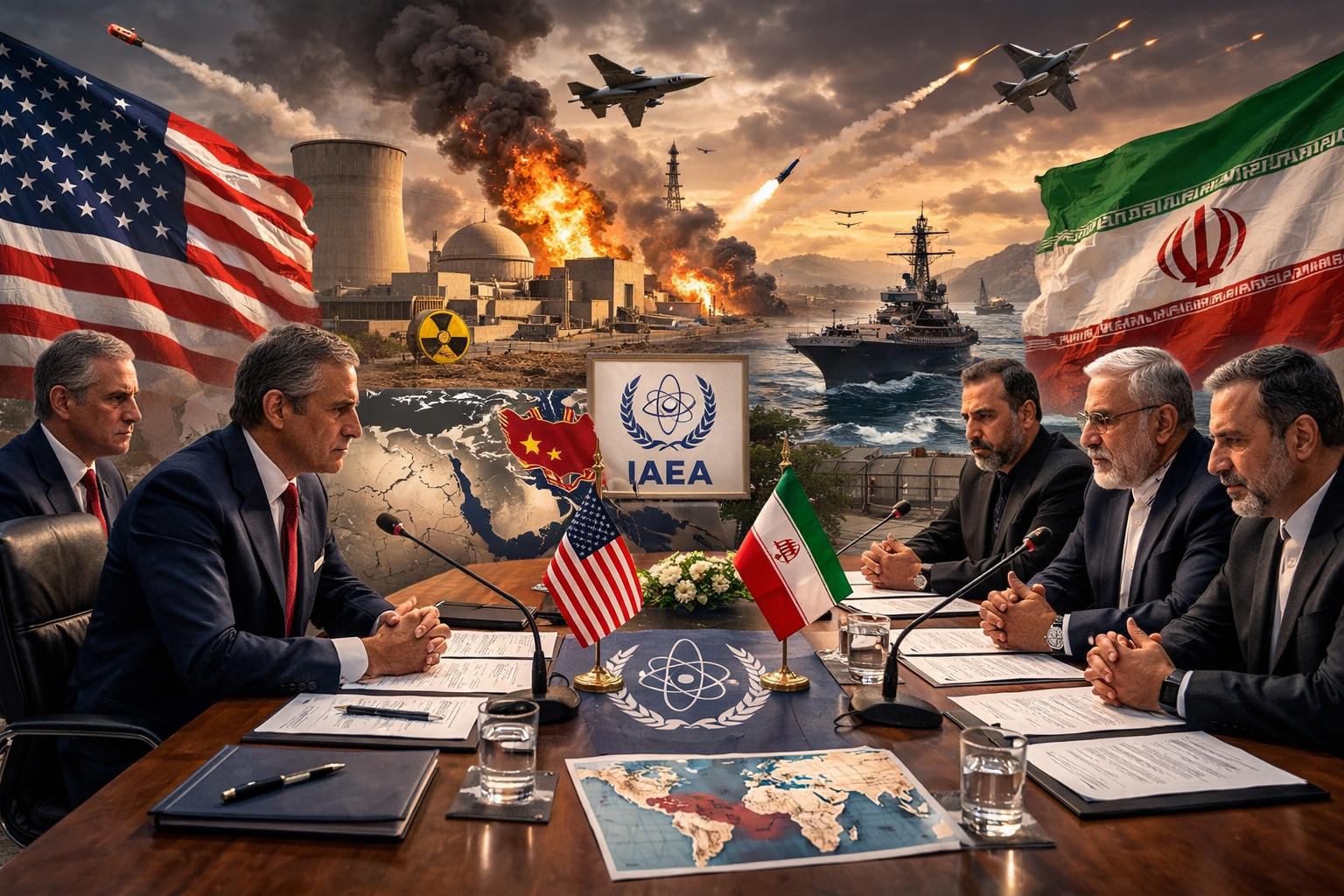
IAEA chief warns of urgency in US-Iran nuclear deal talks
The head of the International Atomic Energy Agency (IAEA), Rafael Grossi, has issued a stark warning about the narrowing window for diplomacy between the United States and Iran, emphasizing the urgent need for an agreement to prevent further military escalation. His remarks come as concerns grow over Iran’s enriched nuclear material, which he said remains largely intact despite US strikes on key facilities last year. Speaking in an interview with French broadcaster TF1, Grossi stressed tha
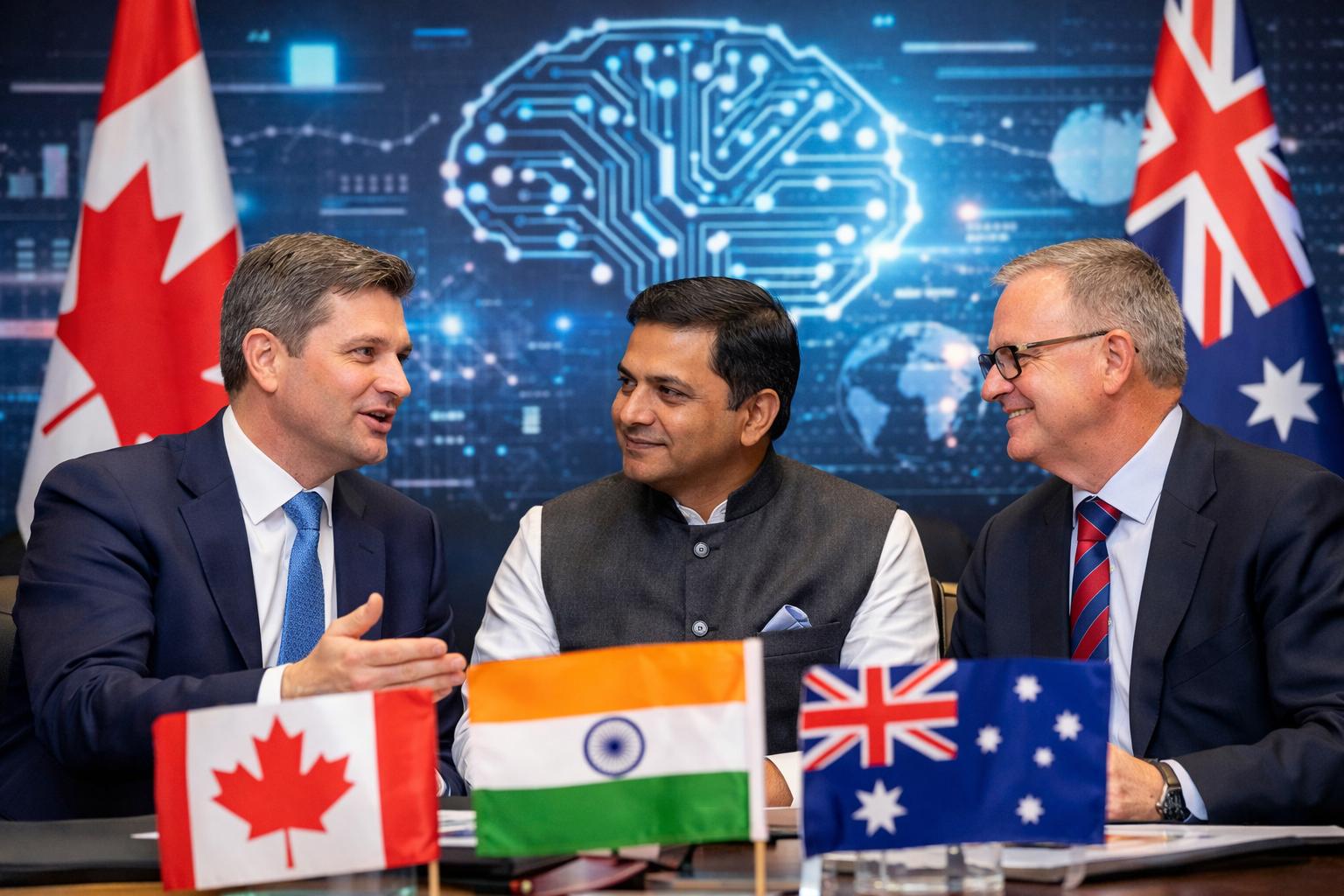
Canada, India and Australia deepen AI cooperation through ACITI partnership
New Delhi: Canada’s Minister of Artificial Intelligence and Digital Innovation, Evan Solomon, has underscored the growing momentum behind trilateral collaboration among Canada, India and Australia in the field of emerging technologies, particularly artificial intelligence. Speaking to reporters in the national capital, Solomon described the three countries as natural partners in advancing responsible and inclusive AI development. He noted that Canada and India have both establishe
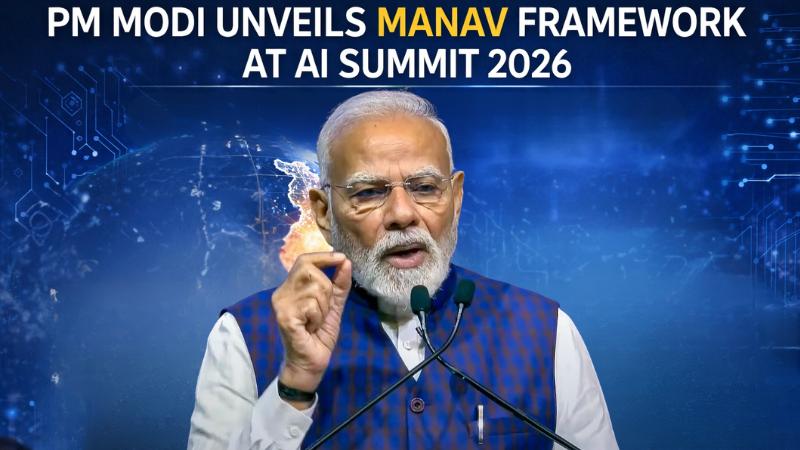
PM Modi Unveils MANAV Framework At AI Summit 2026, Calls For Inclusive AI For Global South
Prime Minister Narendra Modi presented India’s bold and human-centric vision for artificial intelligence at the India AI Impact Summit 2026 in New Delhi, calling for the democratisation of AI and introducing the MANAV framework to guide its ethical and inclusive development. Addressing global leaders, technology pioneers, and policymakers, the Prime Minister stressed that artificial intelligence must empower humanity rather than reduce people to mere data points. He highlighted the need to ensure that AI benefits everyone, particularly developing nations in the Global South, and does not remain concentrated in the hands of a few powerful entities. The MANAV framework, introduced as India’s roadmap for responsible AI governance, focuses on five core principles: Moral and Ethical Systems, Accountable Governance, National Data Sovereignty, Accessible and Inclusive Technology, and Valid and Legitimate AI systems. According to the Prime Minister, AI must operate within ethical boundaries, ensure transparency, protect national data rights, and remain accessible to all sections of society. He emphasized that AI should serve as a multiplier of human potential rather than a monopolistic force controlled by limited stakeholders. The framework aims to ensure that AI remains lawful, trustworthy, and beneficial to humanity while supporting innovation and growth. Prime Minister Modi described artificial intelligence as one of the most transformative technologies in human history, comparable to major breakthroughs such as the discovery of fire and the invention of communication systems. He noted that AI is evolving at an unprecedented pace, impacting industries, economies, and societies worldwide. He warned that without proper governance, AI could create disruption, but with the right direction, it can become a powerful solution to global challenges including healthcare, education, and economic development. The India AI Impact Summit 2026, which brought together over 200,000 participants and representatives from more than 100 countries, reflects India’s growing leadership role in shaping the future of AI. The event featured participation from major global technology leaders, innovators, and policymakers, highlighting India’s position as a key hub for AI innovation. The Prime Minister also praised young innovators and entrepreneurs, noting that the next generation is actively shaping the future of artificial intelligence despite early scepticism surrounding emerging technologies. Prime Minister Modi emphasized that India’s MANAV vision is designed not just for national development but for global benefit, particularly for countries in the Global South. He called on international leaders to work together to ensure that artificial intelligence remains inclusive, ethical, and aligned with human values. He reiterated that the ultimate goal of AI should be welfare for all and happiness for all, ensuring that technological progress strengthens societies rather than widening inequalities. The summit marks a significant milestone in India’s technological journey, positioning the country as a global advocate for responsible AI governance. With its focus on inclusivity, ethics, and accessibility, the MANAV framework represents a major step toward building a balanced and human-centric artificial intelligence ecosystem that can benefit people across the world.

Ramadan Mubarak 2026 Begins Worldwide With Fasting, Prayers And Spiritual Reflection
Ramadan Mubarak 2026 has officially begun, bringing a period of deep spiritual reflection, fasting, prayer, and charity for Muslims across the world. Observed during the ninth month of the Islamic lunar calendar, Ramadan is considered the holiest month in Islam. In 2026, Ramadan is expected to be observed from the evening of February 17 until March 19, depending on the sighting of the crescent moon. During this time, millions of Muslims in countries such as India, Saudi Arabia, UAE, Indonesia
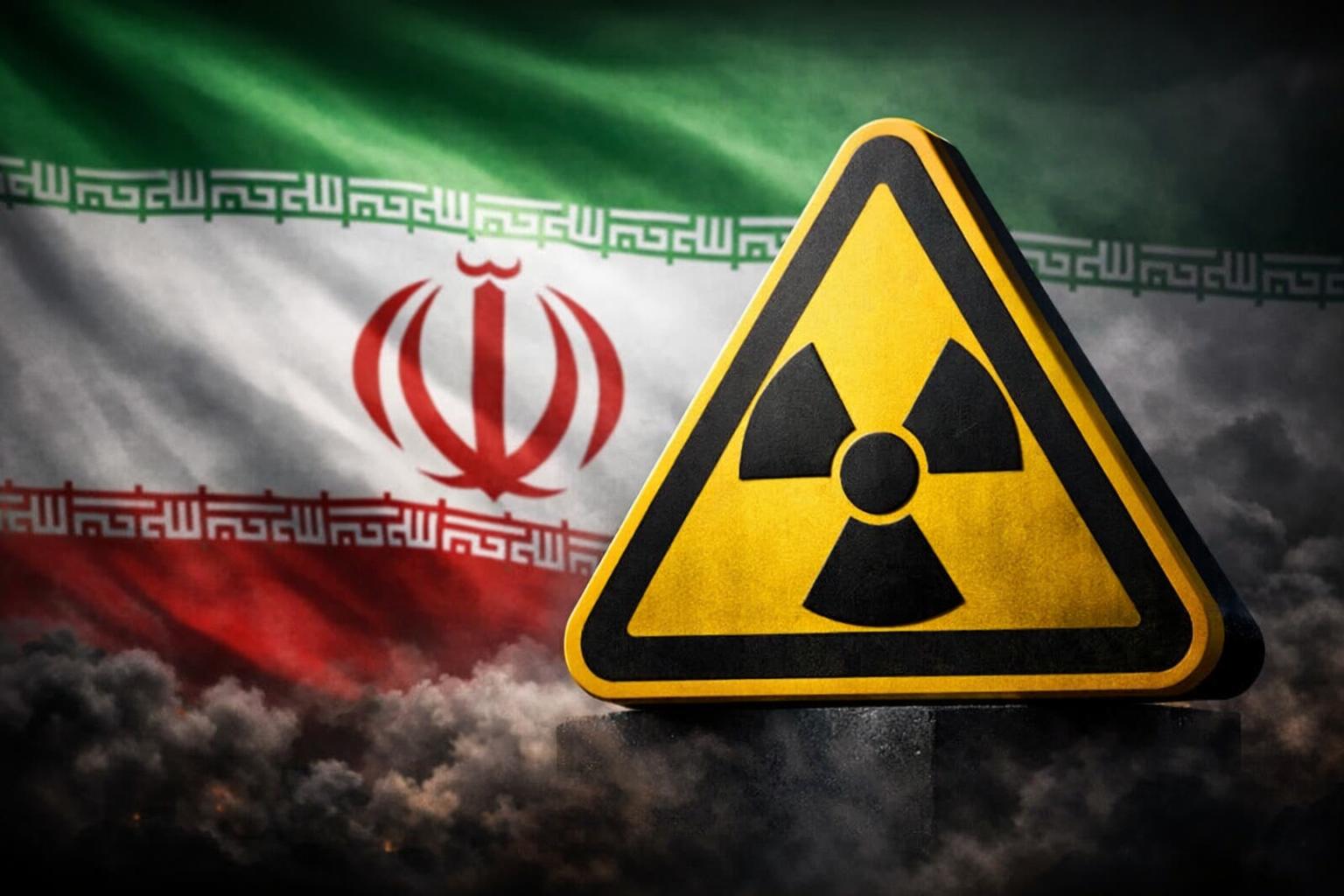
Iran says it is open to nuclear verification after US talks in Geneva
Iran has indicated it is prepared to allow verification of its nuclear activities following the conclusion of a second round of US-Iran negotiations mediated by Oman. Speaking on Tuesday, February 17, Iranian President Masoud Pezeshkian reiterated that Tehran has no intention of developing atomic weapons and expressed openness to international scrutiny aimed at confirming that position. In remarks reported after the Geneva talks, Pezeshkian stated that Iran’s stance on nuclear weapons rema
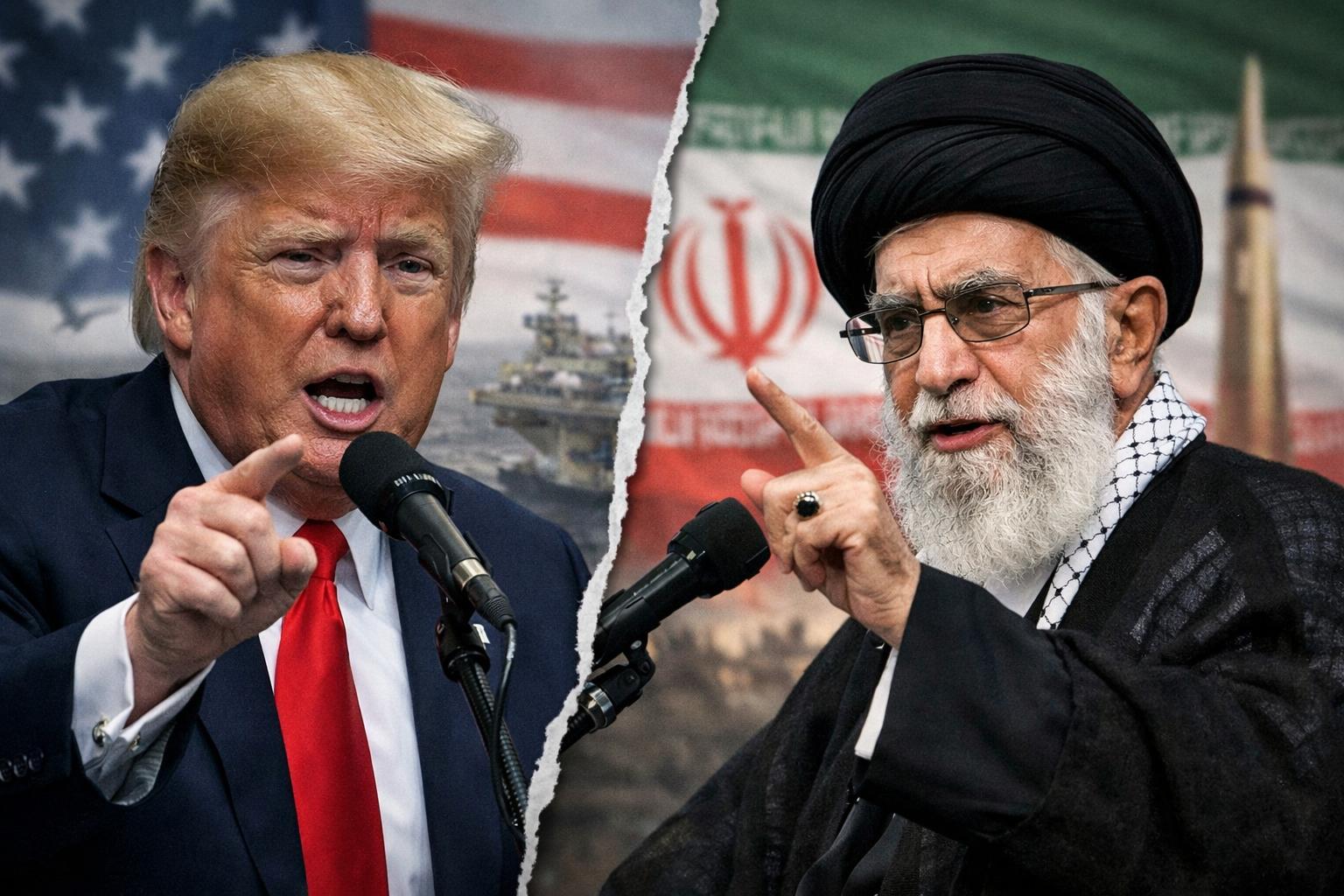
Trump and Khamenei exchange sharp warnings ahead of nuclear talks
Tensions between the United States and Iran intensified this week as both sides exchanged sharp rhetoric ahead of renewed diplomatic efforts over Tehran’s nuclear program. Former US President Donald Trump highlighted America’s military strength while Iran’s Supreme Leader Ali Khamenei issued a pointed warning, underscoring the fragile atmosphere surrounding the latest round of nuclear deal talks. The war of words escalated even before the second round of negotiations, which were mediat
India must lead in artificial intelligence, says PM Modi at AI Impact Summit
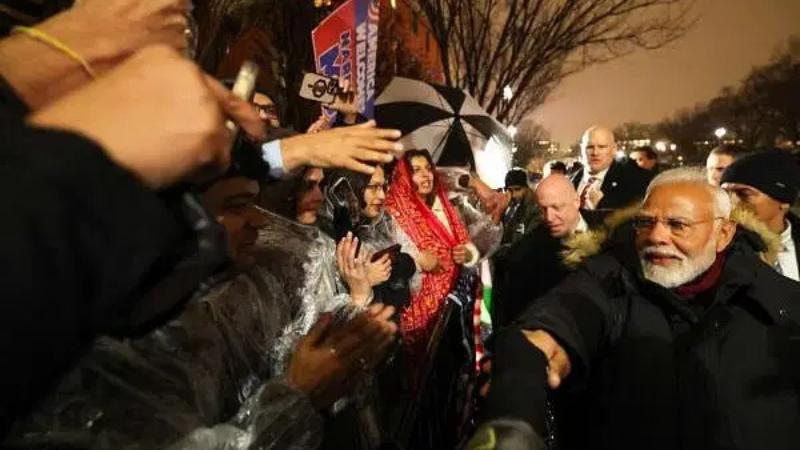
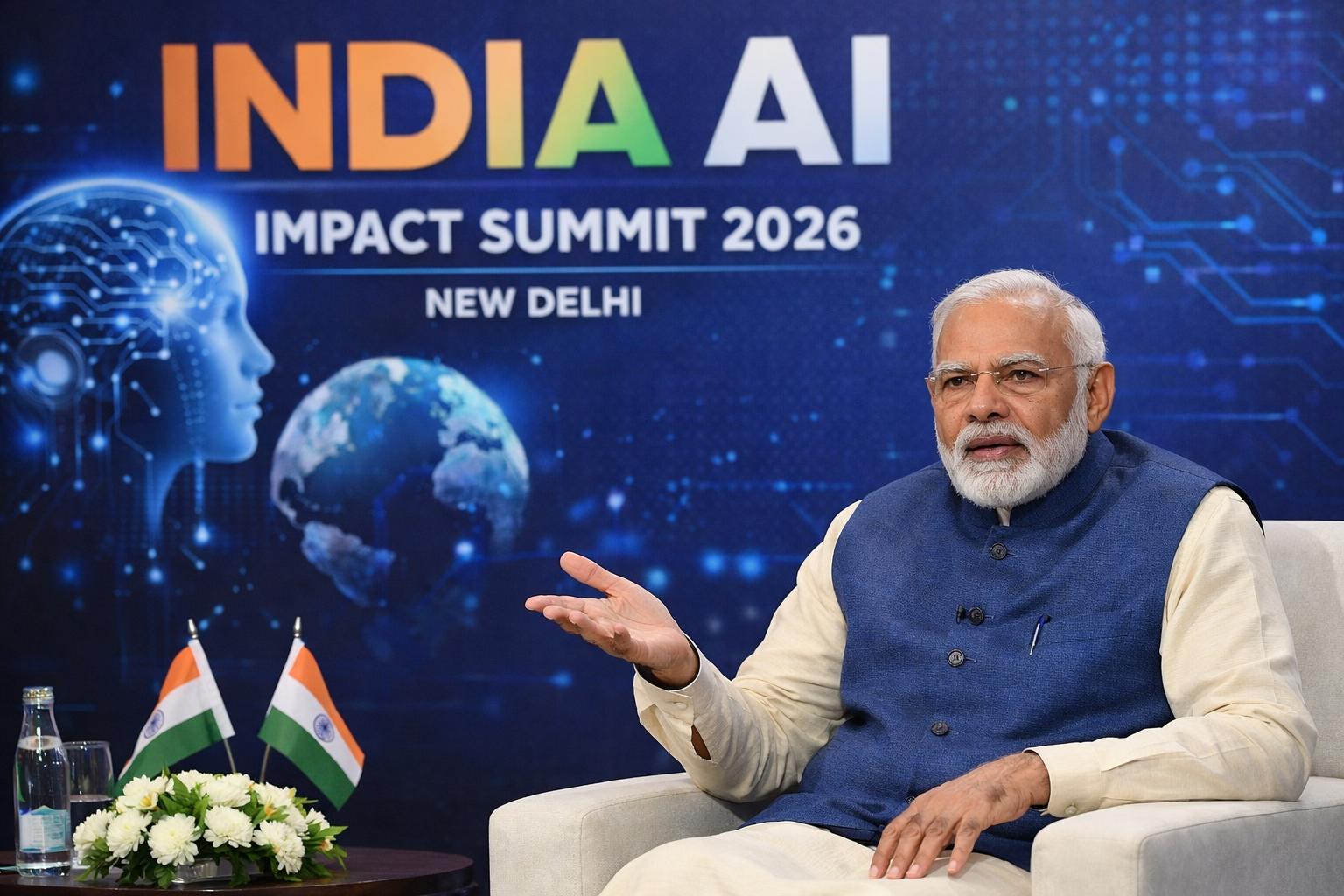
Prime Minister Narendra Modi on Tuesday emphasized that India must position itself as a global leader in artificial intelligence, urging the country to transition from being primarily a consumer of technology to a creator of advanced AI solutions. His remarks came during the ongoing India AI Impact Summit 2026 in New Delhi, a high-profile international gathering widely regarded as the first global AI forum of this scale hosted in the Global South. In an interview with ANI, the Prime Minister
Macron begins India visit focusing on AI ties and Rafale jet deal
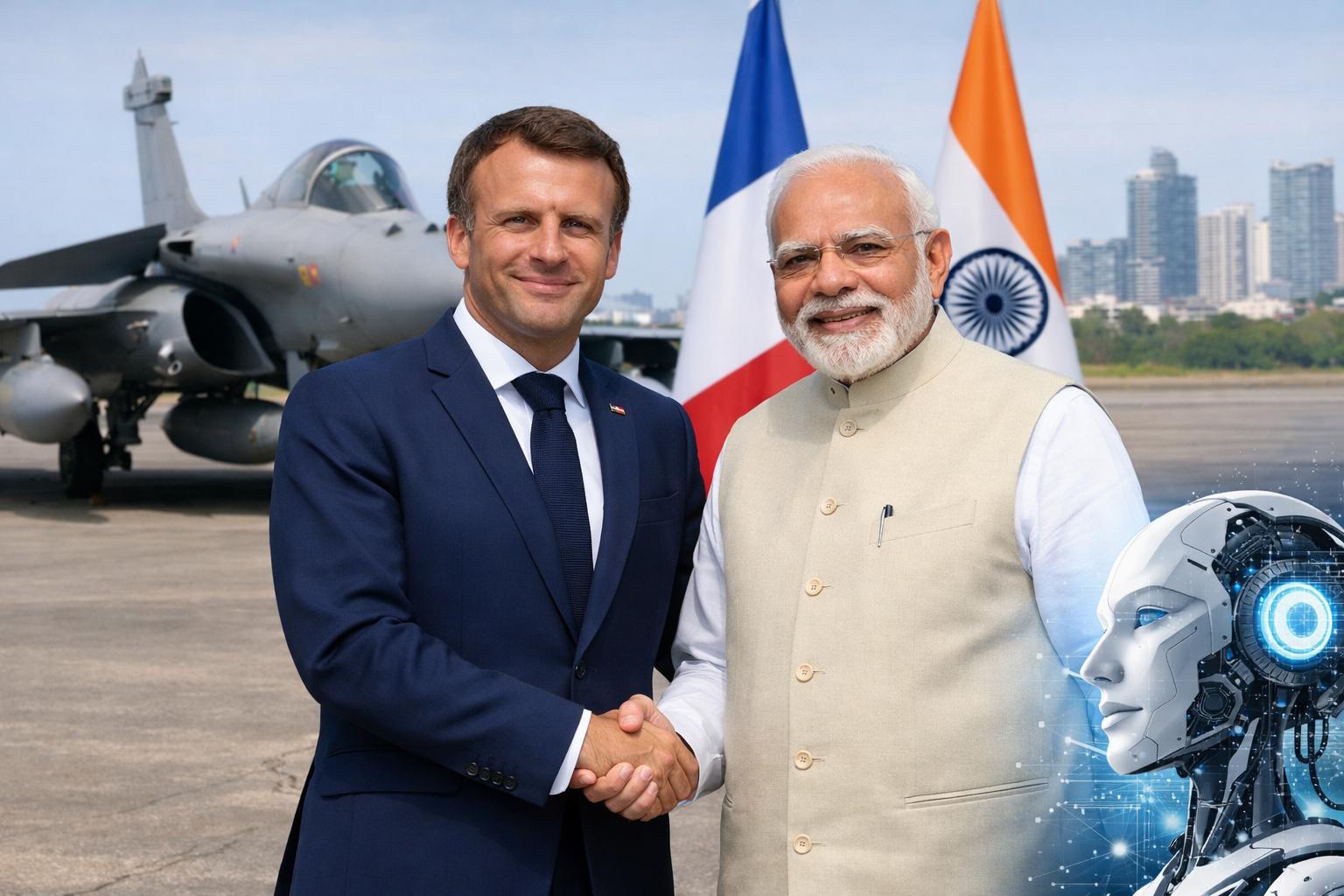
French President Emmanuel Macron is set to begin a three-day visit to India on Tuesday, with high-level discussions expected to focus on artificial intelligence cooperation and a potential multibillion-dollar agreement involving Dassault Aviation Rafale fighter jets. The visit underscores the growing India-France relations and reflects both countries’ efforts to strengthen their strategic partnership across defence, technology, and economic sectors. Macron, accompanied by his wife Brigitte
PM Modi to visit Israel on February 25–26 to boost strategic ties
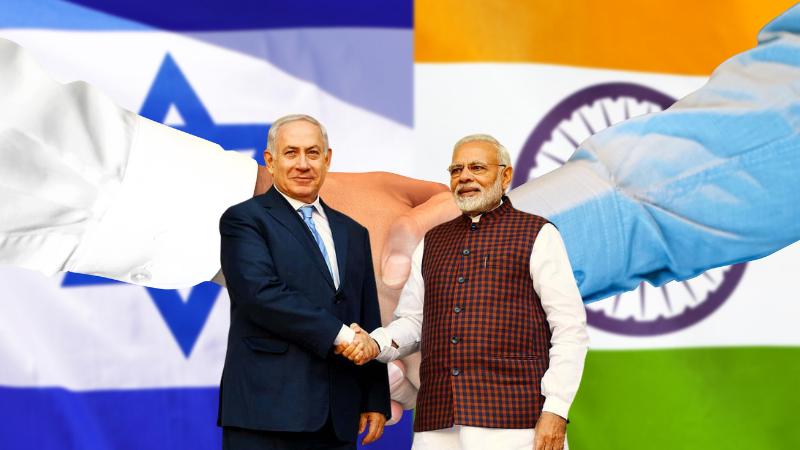
Prime Minister Narendra Modi is expected to undertake a two-day visit to Israel from February 25 to 26, according to sources familiar with the development. The programme for the trip is currently being finalised, but officials indicate that the visit will include high-level engagements aimed at strengthening the already robust India–Israel partnership. During the visit, Modi is likely to address the Israeli parliament, the Knesset, where discussions are expected to focus on key bilateral an
India to Host Global AI Impact Summit 2026 in New Delhi with World Leaders
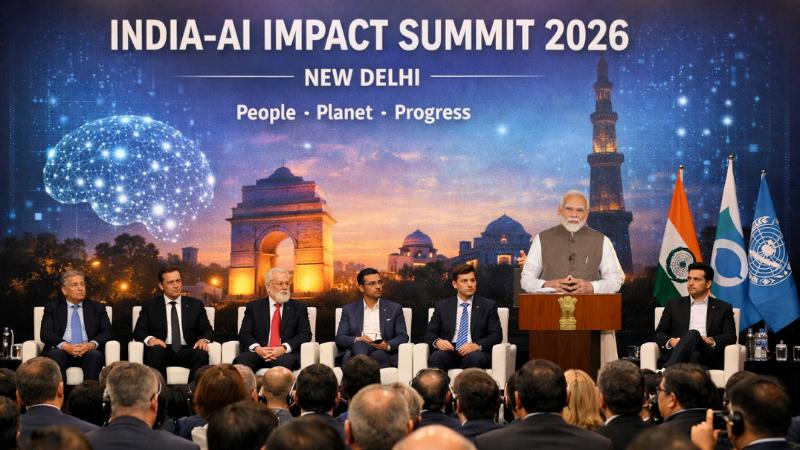
New Delhi is set to host a major international gathering of technology executives, political leaders and policy experts as the India-AI Impact Summit 2026 begins in the national capital from February 16 to 20. The Ministry of External Affairs confirmed that delegations from more than 45 countries will attend the high-level event, positioning the summit as one of the largest global forums focused on artificial intelligence and digital policy. Among the notable participants is Antonio Guterres, the Secretary-General of the United Nations, along with senior officials from several international organisations. The presence of global leadership underscores the summit’s growing significance as countries seek to collaborate on the opportunities and challenges posed by rapidly advancing AI technologies. The summit’s framework is built around three central themes—People, Planet and Progress—reflecting India’s stated aim of shaping artificial intelligence governance that promotes inclusive growth, environmental sustainability and technological advancement. Officials said the agenda will focus on balancing innovation with responsibility, ensuring that digital transformation benefits both developing and developed economies. Several heads of state and government are scheduled to attend at the invitation of Prime Minister Narendra Modi. Leaders expected to participate include Tshering Tobgay of Bhutan, Luiz Inácio Lula da Silva of Brazil, Emmanuel Macron of France, Pedro Sánchez of Spain and Dick Schoof of the Netherlands, among others. Additional representation will come from vice presidents, crown princes and senior ministers, highlighting broad geographic participation across Europe, Latin America, Asia and Africa. Beyond government delegations, the event will draw prominent figures from the global technology sector. Executives expected to attend include Sundar Pichai of Google, Sam Altman of OpenAI, Jensen Huang of Nvidia, Demis Hassabis of DeepMind, Brad Smith of Microsoft and Cristiano Amon of Qualcomm. Their participation is expected to add industry insight into emerging AI trends, research and investment. According to officials, the summit will facilitate discussions on responsible AI governance, innovation ecosystems, digital public infrastructure and climate-conscious technology. Sessions are also planned on equitable access to emerging tools, reflecting concerns that technological gaps could widen inequalities between regions. Organisers have described the India-AI Impact Summit as a platform designed not only for dialogue but also for measurable outcomes. By encouraging collaboration between policymakers, startups and multinational firms, the event aims to generate partnerships and frameworks that support economic growth, social development and the sustainable use of artificial intelligence. With a strong international presence and a broad agenda, the summit is expected to reinforce India’s role as an influential player in shaping global AI policy while promoting cooperation on the future of the digital economy.
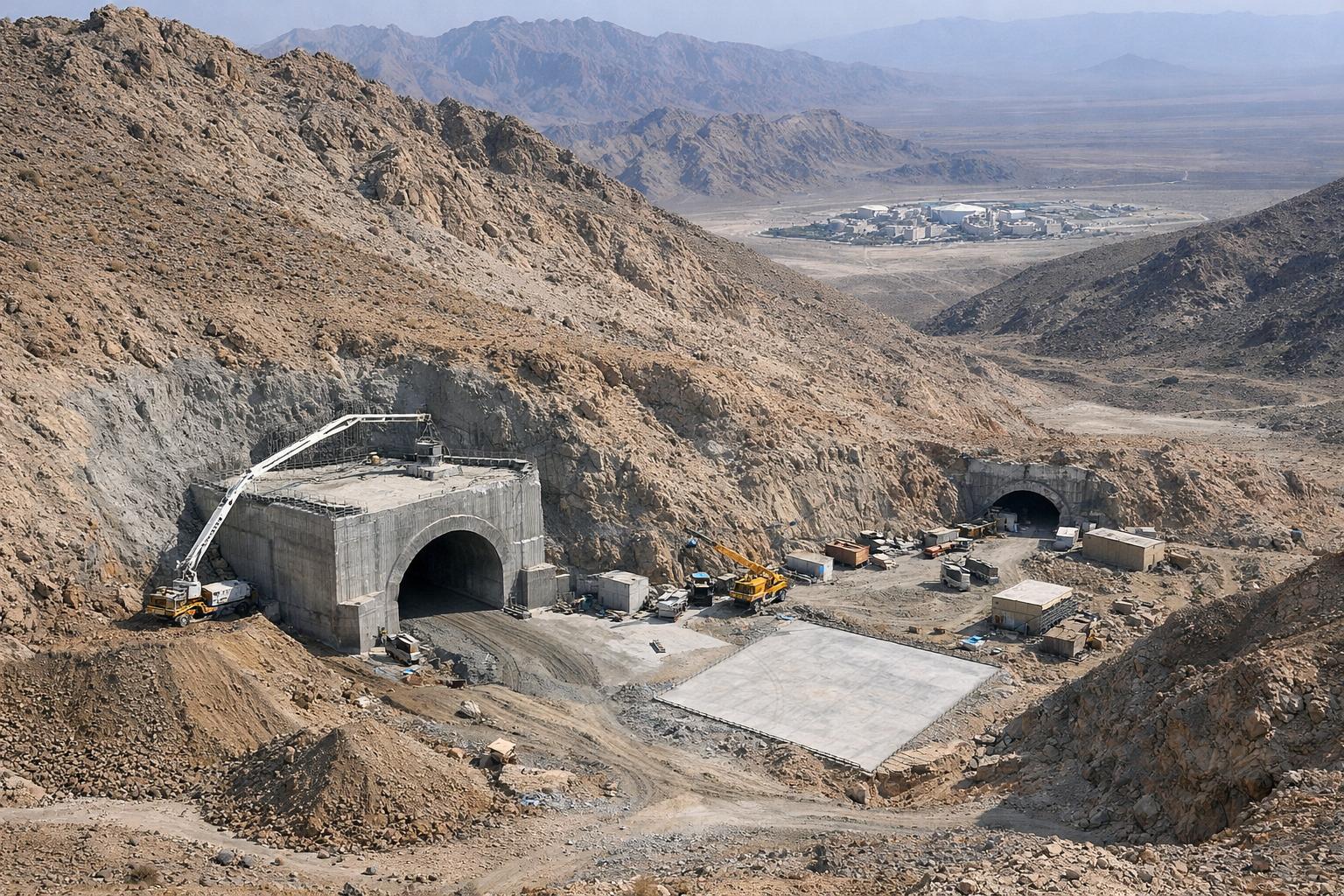
Satellite images show Iran fortifying underground site near Natanz nuclear facility
Fresh satellite imagery indicates that Iran is strengthening an underground complex near its main nuclear installation at Natanz, a development that analysts say could complicate diplomatic efforts and heighten regional security concerns. The activity has been observed at a mountainous site known as Pickaxe Mountain, located roughly 1.6 kilometres south of the uranium enrichment facility in central Iran, and appears to involve new concrete structures and expanded tunnel protections. The construction comes at a time of renewed friction between Tehran and Washington. Former US president Donald Trump has repeatedly warned of possible military action if Iran does not reach an agreement over its nuclear programme, while Iranian officials have vowed to respond to any strike. The exchange of threats has added to fears of escalation across West Asia, where US forces have increased their presence and longstanding rivalries continue to shape the strategic landscape. Images reviewed by analysts from the Institute for Science and International Security, a Washington-based think tank that tracks nuclear proliferation risks, show what appears to be fresh concrete poured over at least one tunnel entrance. Equipment consistent with a boom pump used for concrete delivery is visible at the site, suggesting active reinforcement work. Nearby, rock and soil appear to have been cleared and levelled, and additional concrete-reinforced structures have been erected close to the entrances. Researchers who have monitored the area for several years say the scale of excavation and the amount of construction material suggest the site could support more than routine maintenance. The depth of the tunnels, estimated to be between 79 and 100 metres underground, may offer significant protection from aerial attacks and surveillance, potentially making the facility more resilient than other known installations. Such characteristics have drawn scrutiny from non-proliferation experts, who view hardened underground sites as capable of hosting sensitive operations such as centrifuge assembly or uranium enrichment. Iran has previously said that Pickaxe Mountain could be used for manufacturing and assembling centrifuges, devices required for nuclear fuel production. Tehran maintains that its nuclear activities are intended solely for peaceful purposes, including energy generation and medical research, and has repeatedly denied pursuing a nuclear weapon. However, the limited access granted to international inspectors has raised questions among watchdog groups and foreign governments about transparency and compliance. The site was not among those reportedly targeted during earlier US strikes on Iranian nuclear infrastructure, which officials described at the time as severely damaging key facilities. Analysts now suggest that any reconstruction of centrifuge capacity in protected locations like Pickaxe Mountain could allow Iran to restore or expand operations more quickly if other sites are disrupted. International observers emphasize that the situation underscores the importance of oversight by the International Atomic Energy Agency. Experts argue that greater disclosure and inspections are essential to clarify the purpose of the new construction and to reduce the risk of miscalculation. Without verifiable information, they warn, suspicion could deepen and diplomatic efforts may face additional obstacles. As tensions persist, the developments at Pickaxe Mountain have become another focal point in the broader debate over Iran’s nuclear ambitions, regional stability, and the fragile balance between deterrence and diplomacy.
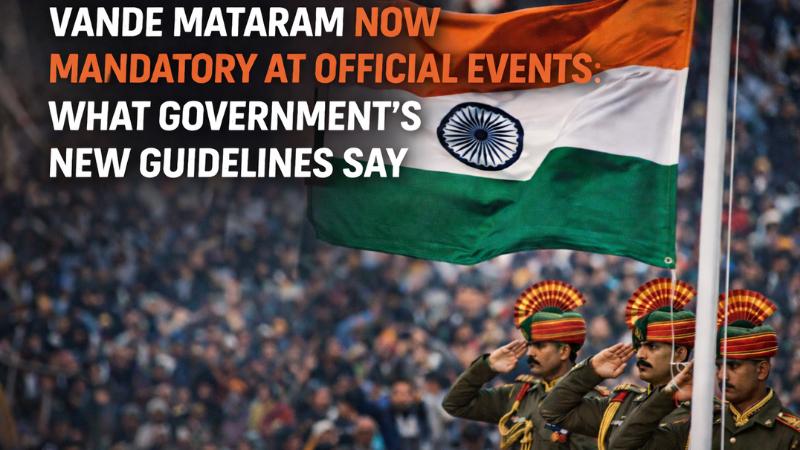
Vande Mataram Now Mandatory at Official Events: What Government's New Guidelines Say
The Indian government has issued a new directive requiring the six-stanza version of Vande Mataram to be sung or played at all official ceremonies and state functions. The rendition, lasting approximately three minutes and ten seconds, will now be mandatory during significant events, including the unfurling of the Tricolour, the arrival of the President at formal gatherings, and before and after their speeches. The government’s decision aims to ensure uniformity and consi
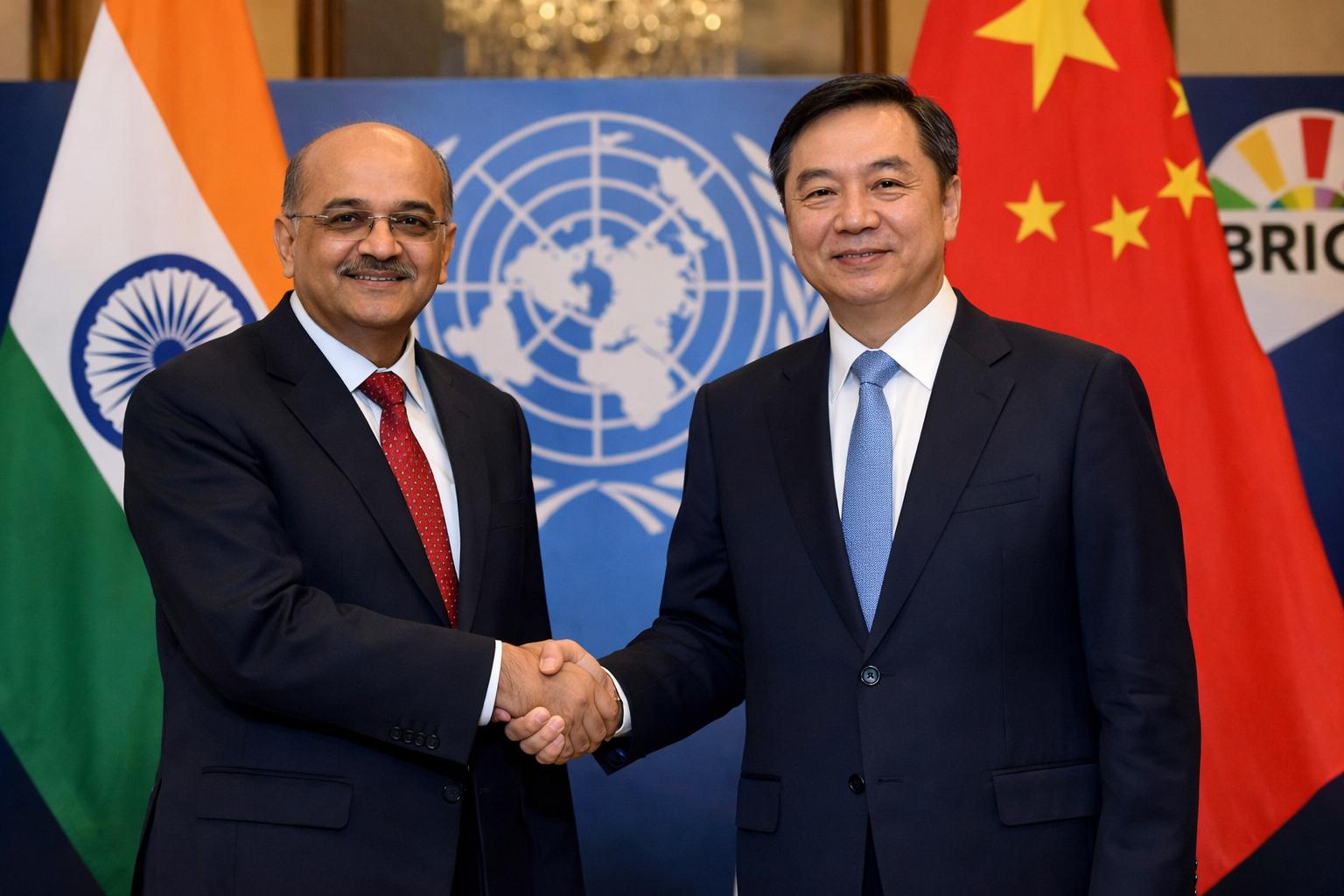
China signals support for India’s UNSC bid amid renewed diplomatic engagement
China has said it understands and respects India’s aspiration for permanent membership of the United Nations Security Council, marking a notable shift in tone as the two Asian powers work to stabilise relations after several years of tension. The statement came during high-level diplomatic talks in New Delhi and is being viewed as a cautious but significant gesture aimed at rebuilding trust between the neighbours. China’s Executive Vice Foreign Minister Ma Zhaoxu conveyed the po
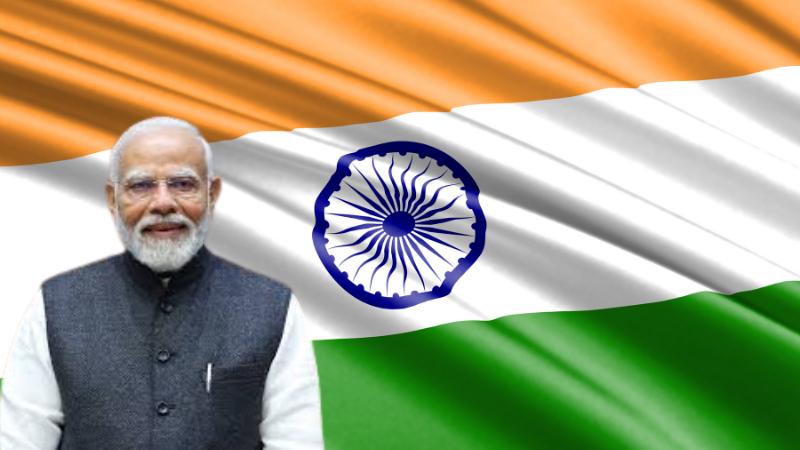
Modi, Ramgoolam discuss India–Mauritius ties and Indian Ocean stability
Prime Minister Narendra Modi on Monday held a telephone conversation with Mauritian Prime Minister Dr Navinchandra Ramgoolam, during which both leaders reaffirmed their commitment to deepening the special and historic relationship between India and Mauritius. The discussion focused on strengthening bilateral ties, expanding development cooperation, and ensuring peace and stability in the Indian Ocean Region, underscoring the strategic significance of the island nation in India’s foreign pol

Winter Olympics 2026: Lindsey Vonn Crashes Out of Downhill
A dramatic and heartbreaking moment unfolded at the Winter Olympics 2026 as alpine skiing legend Lindsey Vonn crashed out of the women’s downhill event, abruptly ending her medal hopes. The incident occurred midway through her run when Vonn lost control at high speed, sending her skidding violently off the racing line and forcing officials to halt the event briefly. Visuals from the slope showed medical teams rushing to her aid before she was airlifted off the mountain as a precau
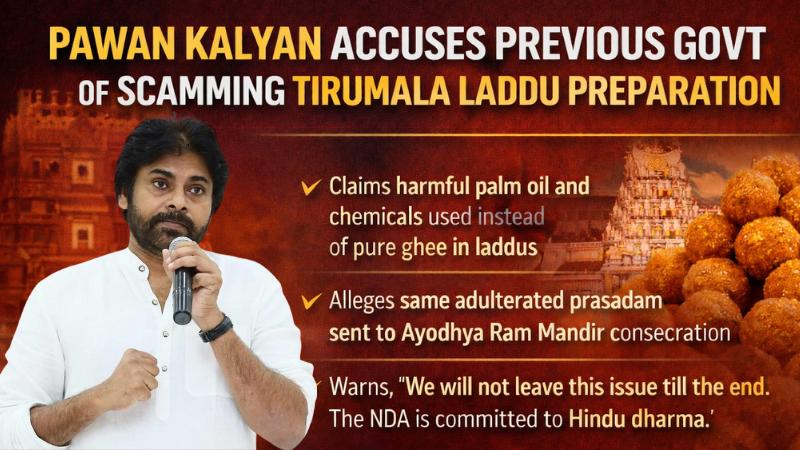
Pawan Kalyan Accuses Previous Government of Scamming Tirumala Laddu Preparation, Vows to Expose Truth
In a press statement today, DCM Pawan Kalyan strongly addressed the ongoing Tirumala laddu controversy, accusing the previous YSRCP government of a major scam in the preparation of the sacred prasadam. Kalyan claimed that palm oil and harmful chemicals had been used instead of pure ghee in the preparation of the famous Tirumala Srivari Laddu, which he said not only hurt the faith of devotees but also compromised their health. Kalyan emphasized the seriousness of the issue, pointing