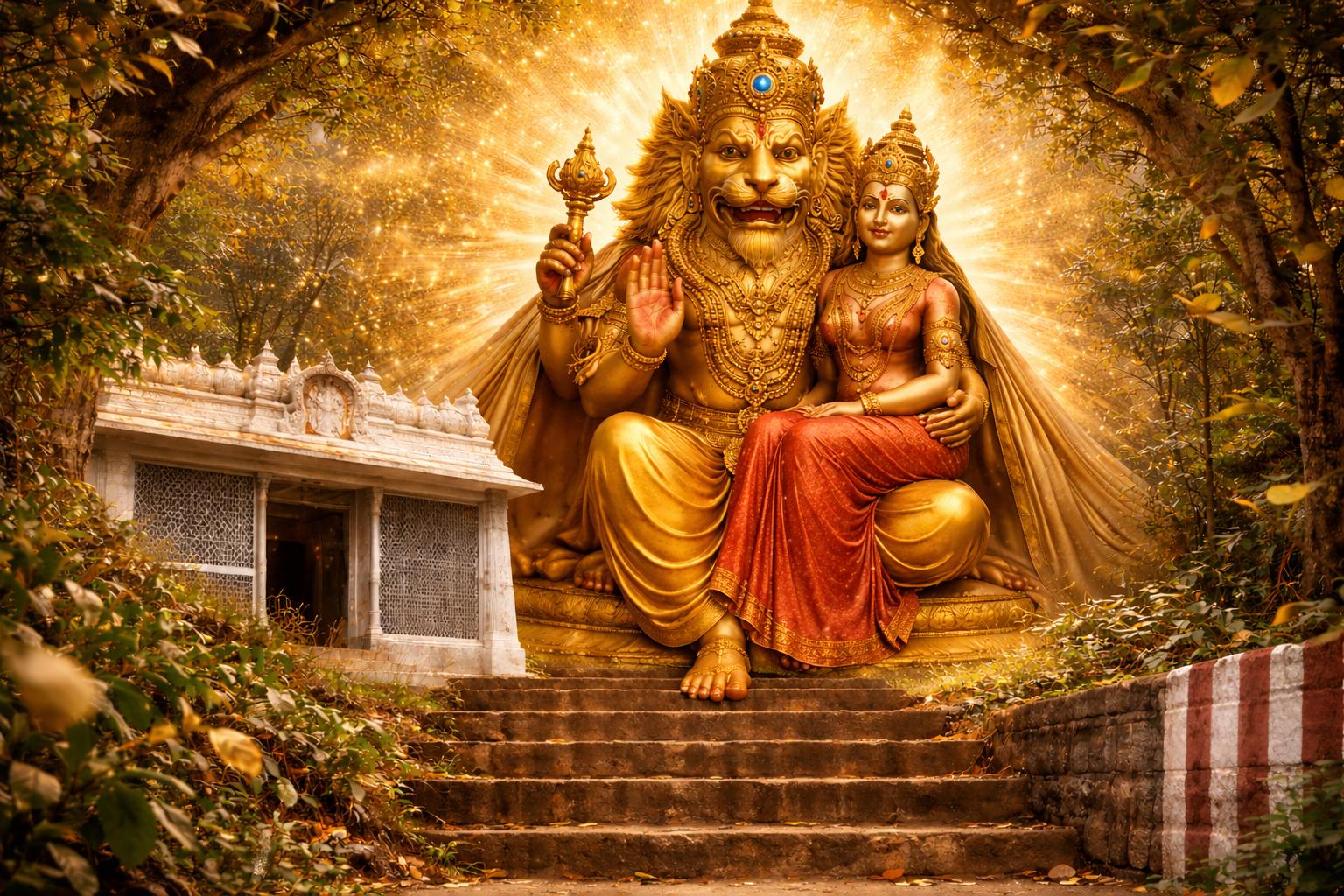
The Malola Narasimha Swamy Temple, located in Ahobilam, Andhra Pradesh, holds immense spiritual significance for devotees of Lord Vishnu. It is one of the nine Narasimha temples in Ahobilam and is dedicated to Lord Malola Narasimha, a unique and graceful form of the deity. Lord Malola Narasimha is believed to rule the planet Venus (Sukran) and is revered for his benevolent presence. This temple is considered larger and more majestic than the Jwala Narasimha Temple, which is also located
The Malola Narasimha Swamy Temple, located in Ahobilam, Andhra Pradesh, holds immense spiritual significance for devotees of Lord Vishnu. It is one of the nine Narasimha temples in Ahobilam and is dedicated to Lord Malola Narasimha, a unique and graceful form of the deity. Lord Malola Narasimha is believed to rule the planet Venus (Sukran) and is revered for his benevolent presence. This temple is considered larger and more majestic than the Jwala Narasimha Temple, which is also located
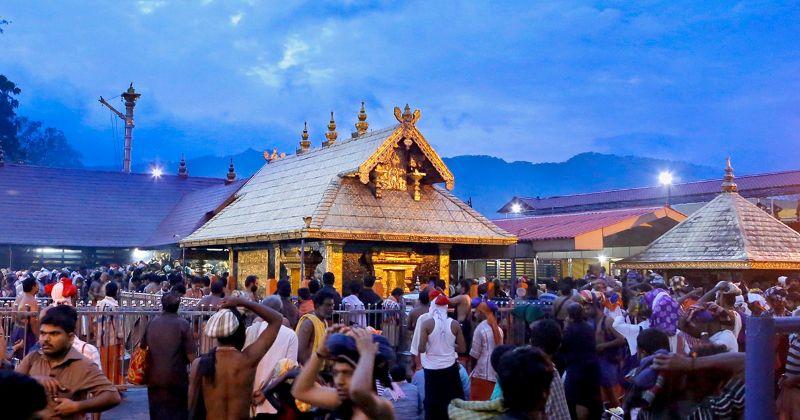
The ongoing review of the Sabarimala case has attracted significant attention as the Indian government presented its stance to the Supreme Court, urging caution in defining the terms “denomination” and “essential religious practices.” The Centre has argued that any narrow interpretation of these terms would compress the plural and diverse nature of Hinduism, potentially stifling the flexibility and variety of religious practices within the faith. At the heart of the review is the cont
The ongoing review of the Sabarimala case has attracted significant attention as the Indian government presented its stance to the Supreme Court, urging caution in defining the terms “denomination” and “essential religious practices.” The Centre has argued that any narrow interpretation of these terms would compress the plural and diverse nature of Hinduism, potentially stifling the flexibility and variety of religious practices within the faith. At the heart of the review is the cont
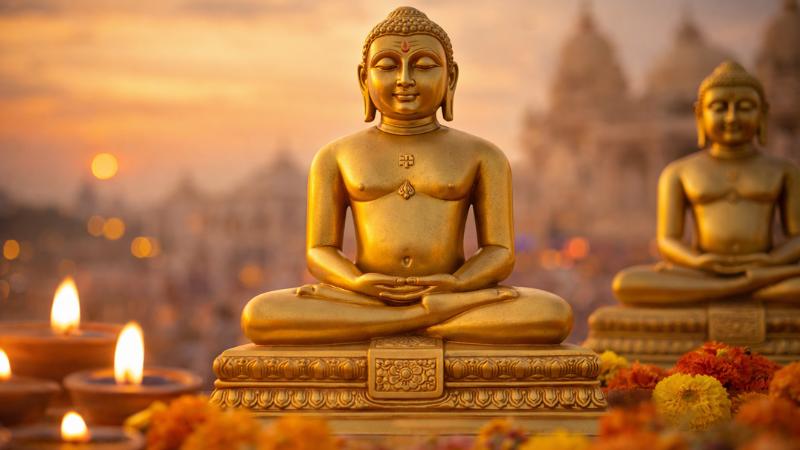
Mahavir Jayanti is a significant festival in Jainism that celebrates the birth of Lord Mahavir, the 24th and last Tirthankara. This day is observed with great reverence and devotion by Jains across India and worldwide. The festival marks the birth of Lord Mahavir, who was born in 599 BCE in Kundagrama, near present-day Vaishali. His teachings have profoundly influenced the Jain community and beyond, encouraging people to lead a life filled with peace, compassion, truth, and non-violence. Maha
Mahavir Jayanti is a significant festival in Jainism that celebrates the birth of Lord Mahavir, the 24th and last Tirthankara. This day is observed with great reverence and devotion by Jains across India and worldwide. The festival marks the birth of Lord Mahavir, who was born in 599 BCE in Kundagrama, near present-day Vaishali. His teachings have profoundly influenced the Jain community and beyond, encouraging people to lead a life filled with peace, compassion, truth, and non-violence. Maha
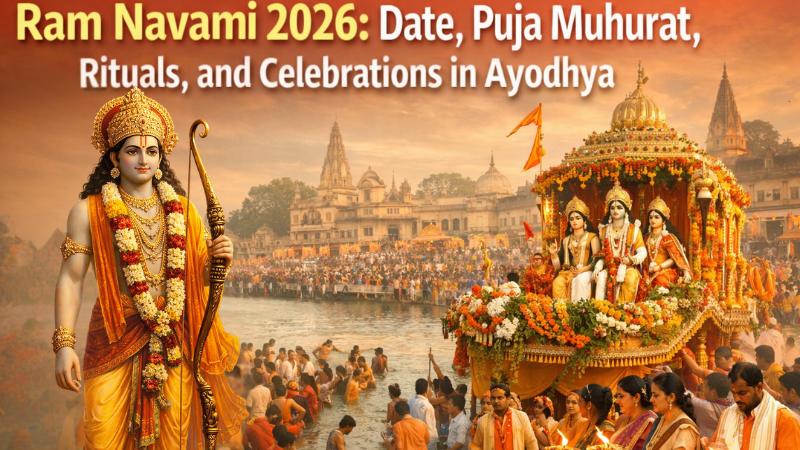
Ram Navami, an important festival in Sanatan Dharma, marks the birth of Lord Ram, the seventh incarnation of Lord Vishnu. The festival is observed on the Navami Tithi during Shukla Paksha in the month of Chaitra. In 2026, Ram Navami will be celebrated on March 27, which aligns with the Udaya Tithi. This day holds immense significance in Hinduism, especially in Ayodhya, which is considered the birthplace of Lord Ram. The city becomes a center of devotion, as thousands of devotees gather to cel
Ram Navami, an important festival in Sanatan Dharma, marks the birth of Lord Ram, the seventh incarnation of Lord Vishnu. The festival is observed on the Navami Tithi during Shukla Paksha in the month of Chaitra. In 2026, Ram Navami will be celebrated on March 27, which aligns with the Udaya Tithi. This day holds immense significance in Hinduism, especially in Ayodhya, which is considered the birthplace of Lord Ram. The city becomes a center of devotion, as thousands of devotees gather to cel
As Ramadan comes to a close in 2026, Muslims across the globe eagerly await the celebration of Eid ul-Fitr, marking the end of a month of fasting and spiritual reflection. The exact date of Eid, however, depends on the sighting of the crescent moon, making it a topic of great anticipation. Eid ul-Fitr, which marks the beginning of Shawwal, the 10th month of the Islamic calendar, is celebrated based on lunar cycles. This means that the date of Eid can vary from country to country, depending on
As Ramadan comes to a close in 2026, Muslims across the globe eagerly await the celebration of Eid ul-Fitr, marking the end of a month of fasting and spiritual reflection. The exact date of Eid, however, depends on the sighting of the crescent moon, making it a topic of great anticipation. Eid ul-Fitr, which marks the beginning of Shawwal, the 10th month of the Islamic calendar, is celebrated based on lunar cycles. This means that the date of Eid can vary from country to country, depending on
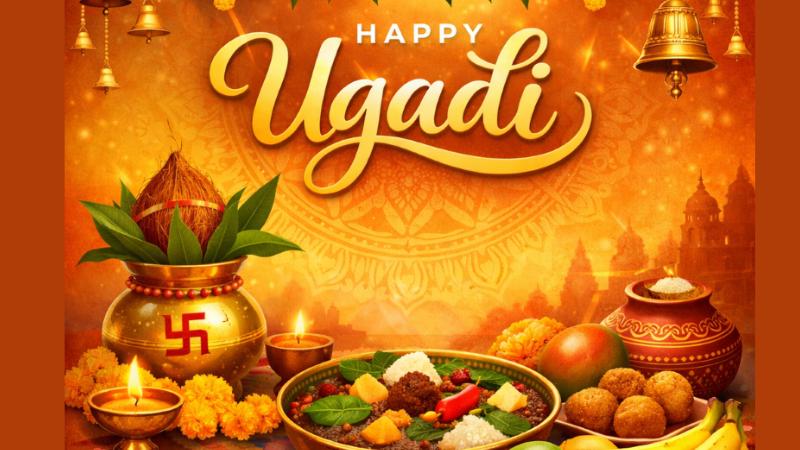
Ugadi, the Hindu New Year festival, will be celebrated on Thursday, March 19, 2026. This auspicious day, falling during the Chaitra month of the Hindu lunar calendar, marks the arrival of the spring season and the beginning of the harvest period. Celebrated with immense enthusiasm and devotion, particularly in Karnataka, Ugadi is a time for renewal, spiritual growth, and emotional well-being.
Ugadi Timings (I
Ugadi, the Hindu New Year festival, will be celebrated on Thursday, March 19, 2026. This auspicious day, falling during the Chaitra month of the Hindu lunar calendar, marks the arrival of the spring season and the beginning of the harvest period. Celebrated with immense enthusiasm and devotion, particularly in Karnataka, Ugadi is a time for renewal, spiritual growth, and emotional well-being.
Ugadi Timings (I
As Holi 2026 approaches, there is a growing shift toward eco-friendly celebrations that embrace sustainability without compromising the fun and joy of the festival. Traditionally known for its vibrant colors and exuberant celebrations, Holi has often left behind significant environmental impacts, including water pollution, plastic waste, and chemical residues on skin and streets. However, with increasing environmental concerns, many families are opting for more responsible ways to celebrate.
As Holi 2026 approaches, there is a growing shift toward eco-friendly celebrations that embrace sustainability without compromising the fun and joy of the festival. Traditionally known for its vibrant colors and exuberant celebrations, Holi has often left behind significant environmental impacts, including water pollution, plastic waste, and chemical residues on skin and streets. However, with increasing environmental concerns, many families are opting for more responsible ways to celebrate.
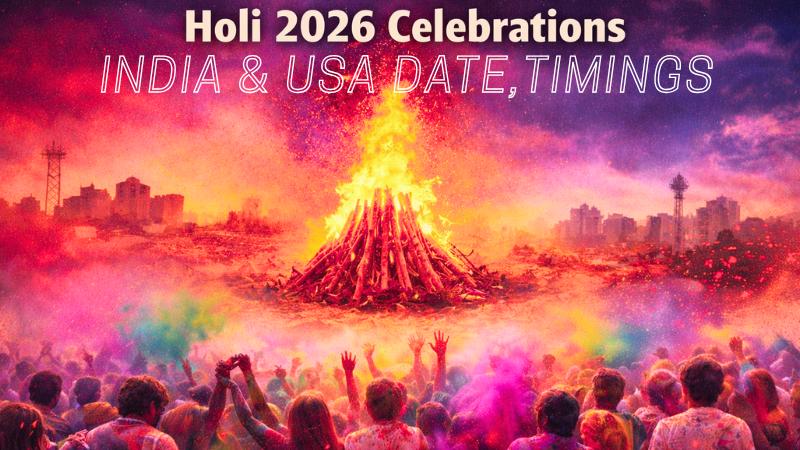
Holi 2026, the festival of colors, will be celebrated across the globe on March 3 and 4, but the occurrence of a rare lunar eclipse on March 3 is causing confusion, particularly in India. Traditionally, Holi is celebrated on Phalguna Purnima, the full moon night, which in 2026 falls on March 3. However, the lunar eclipse that occurs on the evening of March 3 triggers the "sutak" period, which is considered inauspicious for performing religious rituals. Holika Dahan, the bonfire lighting cerem
Holi 2026, the festival of colors, will be celebrated across the globe on March 3 and 4, but the occurrence of a rare lunar eclipse on March 3 is causing confusion, particularly in India. Traditionally, Holi is celebrated on Phalguna Purnima, the full moon night, which in 2026 falls on March 3. However, the lunar eclipse that occurs on the evening of March 3 triggers the "sutak" period, which is considered inauspicious for performing religious rituals. Holika Dahan, the bonfire lighting cerem
Ramadan Mubarak 2026 has officially begun, bringing a period of deep spiritual reflection, fasting, prayer, and charity for Muslims across the world. Observed during the ninth month of the Islamic lunar calendar, Ramadan is considered the holiest month in Islam. In 2026, Ramadan is expected to be observed from the evening of February 17 until March 19, depending on the sighting of the crescent moon. During this time, millions of Muslims in countries such as India, Saudi Arabia, UAE, Indonesia
Ramadan Mubarak 2026 has officially begun, bringing a period of deep spiritual reflection, fasting, prayer, and charity for Muslims across the world. Observed during the ninth month of the Islamic lunar calendar, Ramadan is considered the holiest month in Islam. In 2026, Ramadan is expected to be observed from the evening of February 17 until March 19, depending on the sighting of the crescent moon. During this time, millions of Muslims in countries such as India, Saudi Arabia, UAE, Indonesia
Maha Shivratri is one of the most important festivals for Lord Shiva's devotees, the god of destruction and transformation. While it is celebrated every month, it holds a special place when it falls during the months of Magha or Phalguna in the Hindu calendar. This festival marks the beginning of the summer months and is a time for fasting, prayers, and deep reverence for Lord Shiva. It is a night dedicated to Lord Shiva, filled with rituals, celebrations, and an opportunity to reflect on the
Maha Shivratri is one of the most important festivals for Lord Shiva's devotees, the god of destruction and transformation. While it is celebrated every month, it holds a special place when it falls during the months of Magha or Phalguna in the Hindu calendar. This festival marks the beginning of the summer months and is a time for fasting, prayers, and deep reverence for Lord Shiva. It is a night dedicated to Lord Shiva, filled with rituals, celebrations, and an opportunity to reflect on the
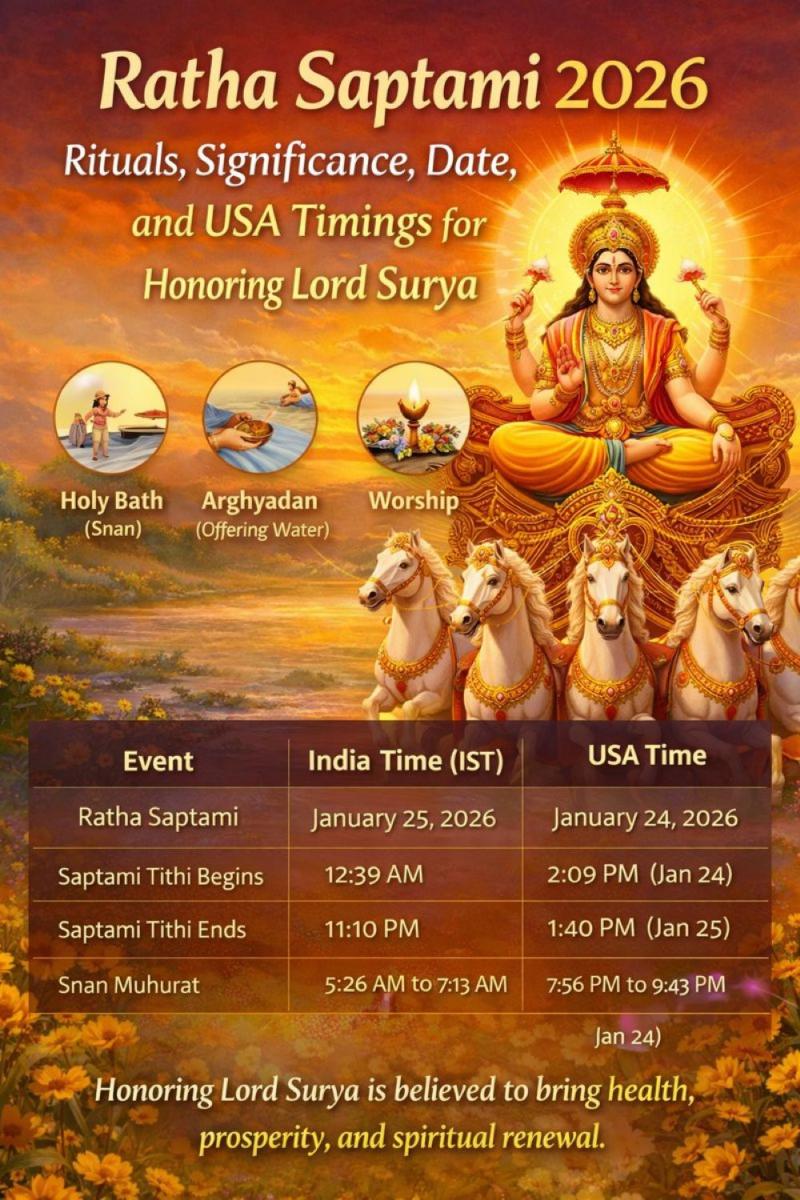
Ratha Saptami, also known as Surya Jayanti, is a highly auspicious festival dedicated to the worship of Lord Surya, the Sun God. Celebrated on the seventh day (Saptami) of the bright half (Shukla Paksha) of the Magha month, this festival is observed with great devotion by millions of Hindus worldwide. In 2026, Ratha Saptami will be observed on January 25th. The day honors Lord Surya for his life-giving energy, seeking blessings for health, prosperity, and spiritual growth. Th
Ratha Saptami, also known as Surya Jayanti, is a highly auspicious festival dedicated to the worship of Lord Surya, the Sun God. Celebrated on the seventh day (Saptami) of the bright half (Shukla Paksha) of the Magha month, this festival is observed with great devotion by millions of Hindus worldwide. In 2026, Ratha Saptami will be observed on January 25th. The day honors Lord Surya for his life-giving energy, seeking blessings for health, prosperity, and spiritual growth. Th
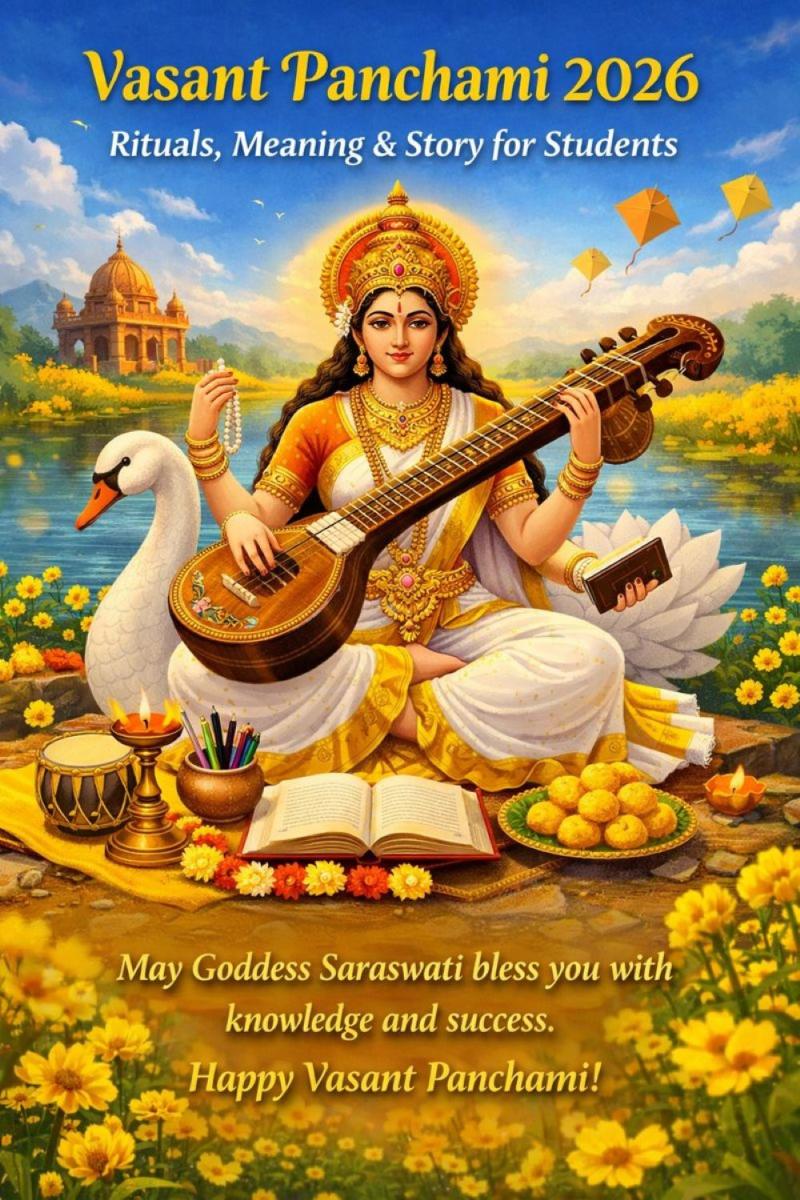
Vasant Panchami 2026 is a significant Hindu festival that heralds the arrival of spring and is dedicated to the worship of Goddess Saraswati, the goddess of wisdom, knowledge, music, and arts. The festival, also known as Saraswati Panchami, is celebrated on the fifth day of the lunar month of Magha. In 2026, it will be observed on January 23rd. This festival holds great significance, especially for students, educators, and anyone involved in the arts. The day is dedicated to
Vasant Panchami 2026 is a significant Hindu festival that heralds the arrival of spring and is dedicated to the worship of Goddess Saraswati, the goddess of wisdom, knowledge, music, and arts. The festival, also known as Saraswati Panchami, is celebrated on the fifth day of the lunar month of Magha. In 2026, it will be observed on January 23rd. This festival holds great significance, especially for students, educators, and anyone involved in the arts. The day is dedicated to
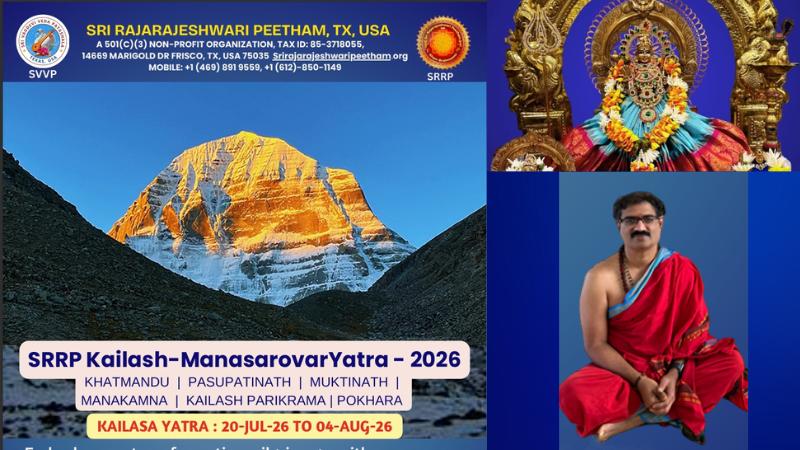
Sri Rajarajeshwari Peetham has announced the schedule and spiritual framework for its Kailash Manasarovar Yatra 2026, while also outlining the broader scope of religious and ritual activities conducted by the organization across multiple countries. The yatra, scheduled from July 20 to August 4, 2026, is positioned as one of the organization’s major pilgrimages, distinct from its year-round spiritual programs carried out globally.
The Kailash Manasarovar Yatra will take pilgrims th
Sri Rajarajeshwari Peetham has announced the schedule and spiritual framework for its Kailash Manasarovar Yatra 2026, while also outlining the broader scope of religious and ritual activities conducted by the organization across multiple countries. The yatra, scheduled from July 20 to August 4, 2026, is positioned as one of the organization’s major pilgrimages, distinct from its year-round spiritual programs carried out globally.
The Kailash Manasarovar Yatra will take pilgrims th
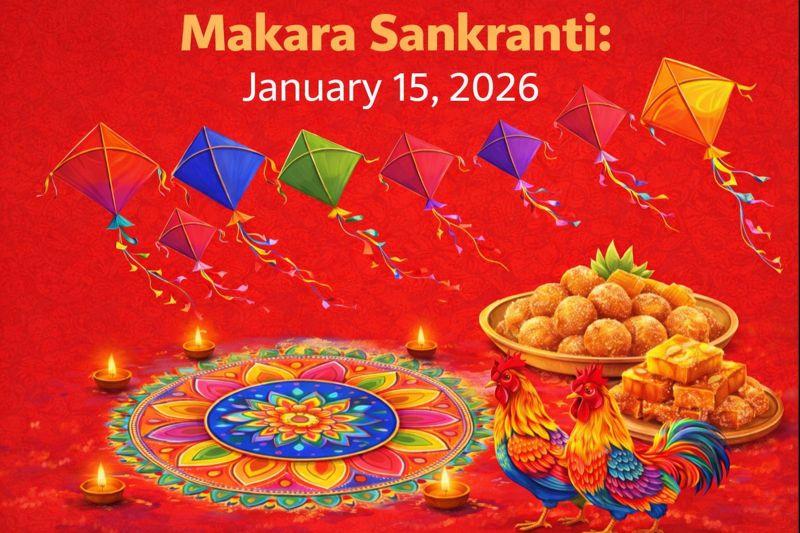
Makara Sankranti is one of the most auspicious and widely celebrated festivals in India. Observed every year in mid-January, the festival marks the transition of the Sun into Makara Rashi (Capricorn), beginning the Sun’s northward journey known as Uttarayana. In 2026, Makara Sankranti will be celebrated on Thursday January 15 across most parts of India.
Unlike many Hindu festivals that follow the lunar calendar, Makara Sankranti is based on the solar calendar
Makara Sankranti is one of the most auspicious and widely celebrated festivals in India. Observed every year in mid-January, the festival marks the transition of the Sun into Makara Rashi (Capricorn), beginning the Sun’s northward journey known as Uttarayana. In 2026, Makara Sankranti will be celebrated on Thursday January 15 across most parts of India.
Unlike many Hindu festivals that follow the lunar calendar, Makara Sankranti is based on the solar calendar
Vaikuntha Ekadashi is often observed with fasting, temple visits and devotional practices, but traditional sources describe it as far more than a symbolic religious occasion. Ancient Hindu texts and yogic teachings present the observance as a carefully timed alignment of cosmic movements, biological rhythms and human consciousness, established long before the emergence of modern scientific terminology. The day is traditionally observed during Dhanur Masa, in the bright fortnight of Margashirsha, immediately preceding Makara Sankranti, when the Sun begins its northward journey known as Uttarayana.
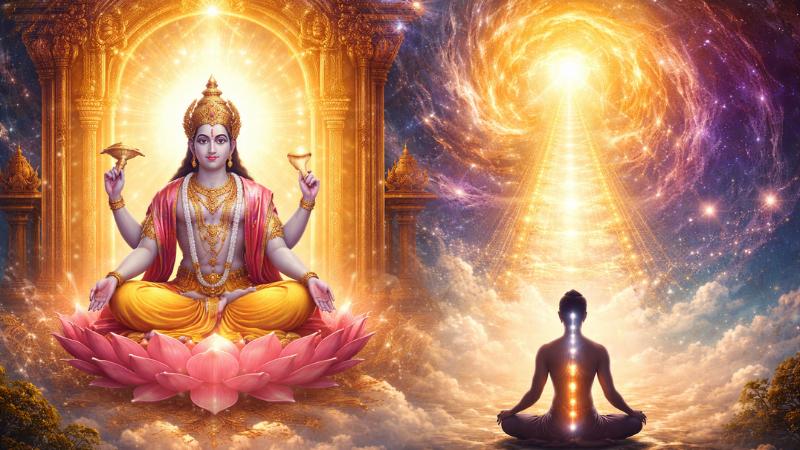
While many temples ceremonially open a northern gate on this day, classical interpretations clarify that the reference is not primarily architectural. Yogic literature describes Vaikuntha as a state beyond limitation and suffering, and Dvara as a gateway. Together, the term points toward an internal transition rather than a physical passage. According to yogic physiology, this gateway corresponds to the Sushumna Nadi, the central energy channel that runs along the spinal axis. Texts such as the Shiva Samhita state that liberation is experienced when prana, or vital energy, flows freely through this central channel without obstruction.
Vaikuntha Ekadashi is observed on Ekadashi tithi, a lunar phase traditionally associated with reduced digestive activity in the human body. Yogic science holds that on this day the digestive system operates at a minimum, making fasting less stressful on the body. Through fasting, the downward-moving energy known as Apana Vayu is restrained, allowing prana to move upward more naturally. This upward movement is believed to balance the Ida and Pingala nadis, often described as the lunar and solar energy channels, creating conditions favorable for the activation of the Sushumna Nadi. Contemporary scientific research into fasting has begun to recognize restorative processes that align with these ancient observations.
Classical yogic texts further explain this mechanism. The Hatha Yoga Pradipika notes that when food intake and sensory distractions are restrained, prana is more likely to enter the central channel. The timing of Vaikuntha Ekadashi coincides with the Sun’s transition toward Uttarayana, symbolically mirroring the upward movement of consciousness described in yogic practices. This phase is traditionally associated with the awakening of higher centers of awareness, moving from the lower chakras toward Ajna and Sahasrara.
Hindu scriptures also describe cosmic time in a distinctive way, defining a single day of the devas as consisting of six months of Uttarayana and six months of Dakshinayana. In this framework, one human year equals one full day and night for celestial beings. Vaikuntha Ekadashi is therefore regarded as marking a cosmic dawn within this larger cycle.
Devotional practices on this day traditionally include the recitation of the Dwadashakshari mantra, Om Namo Narayanaya, as a form of japa. Beyond ritual observance, the day is understood as an opportunity for internal alignment, where seasonal astronomy, lunar dynamics and human physiology converge. Ancient seers embedded this observance into the calendar as a reminder of harmony between the cosmos and the individual.
The invocation Hari Om, often associated with Vaikuntha Ekadashi, reflects this integrated vision. Hari signifies the principle that removes sorrow, ignorance and bondage, while Om represents the primordial sound identified with ultimate reality. Together, they express an aspiration toward clarity and balance within the larger cosmic order.
Viewed through this lens, Vaikuntha Ekadashi stands as a structured convergence of spiritual practice and natural rhythms, emphasizing introspection, restraint and alignment rather than mere ritual formality.
Vaikuntha Ekadashi is often observed with fasting, temple visits and devotional practices, but traditional sources describe it as far more than a symbolic religious occasion. Ancient Hindu texts and yogic teachings present the observance as a carefully timed alignment of cosmic movements, biological rhythms and human consciousness, established long before the emergence of modern scientific terminology. The day is traditionally observed during Dhanur Masa, in the bright fortnight of Margashirsha, immediately preceding Makara Sankranti, when the Sun begins its northward journey known as Uttarayana.
While many temples ceremonially open a northern gate on this day, classical interpretations clarify that the reference is not primarily architectural. Yogic literature describes Vaikuntha as a state beyond limitation and suffering, and Dvara as a gateway. Together, the term points toward an internal transition rather than a physical passage. According to yogic physiology, this gateway corresponds to the Sushumna Nadi, the central energy channel that runs along the spinal axis. Texts such as the Shiva Samhita state that liberation is experienced when prana, or vital energy, flows freely through this central channel without obstruction.
Vaikuntha Ekadashi is observed on Ekadashi tithi, a lunar phase traditionally associated with reduced digestive activity in the human body. Yogic science holds that on this day the digestive system operates at a minimum, making fasting less stressful on the body. Through fasting, the downward-moving energy known as Apana Vayu is restrained, allowing prana to move upward more naturally. This upward movement is believed to balance the Ida and Pingala nadis, often described as the lunar and solar energy channels, creating conditions favorable for the activation of the Sushumna Nadi. Contemporary scientific research into fasting has begun to recognize restorative processes that align with these ancient observations.
Classical yogic texts further explain this mechanism. The Hatha Yoga Pradipika notes that when food intake and sensory distractions are restrained, prana is more likely to enter the central channel. The timing of Vaikuntha Ekadashi coincides with the Sun’s transition toward Uttarayana, symbolically mirroring the upward movement of consciousness described in yogic practices. This phase is traditionally associated with the awakening of higher centers of awareness, moving from the lower chakras toward Ajna and Sahasrara.
Hindu scriptures also describe cosmic time in a distinctive way, defining a single day of the devas as consisting of six months of Uttarayana and six months of Dakshinayana. In this framework, one human year equals one full day and night for celestial beings. Vaikuntha Ekadashi is therefore regarded as marking a cosmic dawn within this larger cycle.
Devotional practices on this day traditionally include the recitation of the Dwadashakshari mantra, Om Namo Narayanaya, as a form of japa. Beyond ritual observance, the day is understood as an opportunity for internal alignment, where seasonal astronomy, lunar dynamics and human physiology converge. Ancient seers embedded this observance into the calendar as a reminder of harmony between the cosmos and the individual.
The invocation Hari Om, often associated with Vaikuntha Ekadashi, reflects this integrated vision. Hari signifies the principle that removes sorrow, ignorance and bondage, while Om represents the primordial sound identified with ultimate reality. Together, they express an aspiration toward clarity and balance within the larger cosmic order.
Viewed through this lens, Vaikuntha Ekadashi stands as a structured convergence of spiritual practice and natural rhythms, emphasizing introspection, restraint and alignment rather than mere ritual formality.
Christmas 2025 arrives on December 25, celebrated worldwide as a season of joy, warmth and togetherness. Rooted in the birth of Jesus Christ, the festival has evolved into a global cultural occasion that blends faith, tradition, food, music and family gatherings. While Christmas began as a religious commemoration, it now speaks to people of many backgrounds, offering a sense of connection and celebration as the year comes to an end. Today, streets light up with decorations, homes fill with fe
Christmas 2025 arrives on December 25, celebrated worldwide as a season of joy, warmth and togetherness. Rooted in the birth of Jesus Christ, the festival has evolved into a global cultural occasion that blends faith, tradition, food, music and family gatherings. While Christmas began as a religious commemoration, it now speaks to people of many backgrounds, offering a sense of connection and celebration as the year comes to an end. Today, streets light up with decorations, homes fill with fe
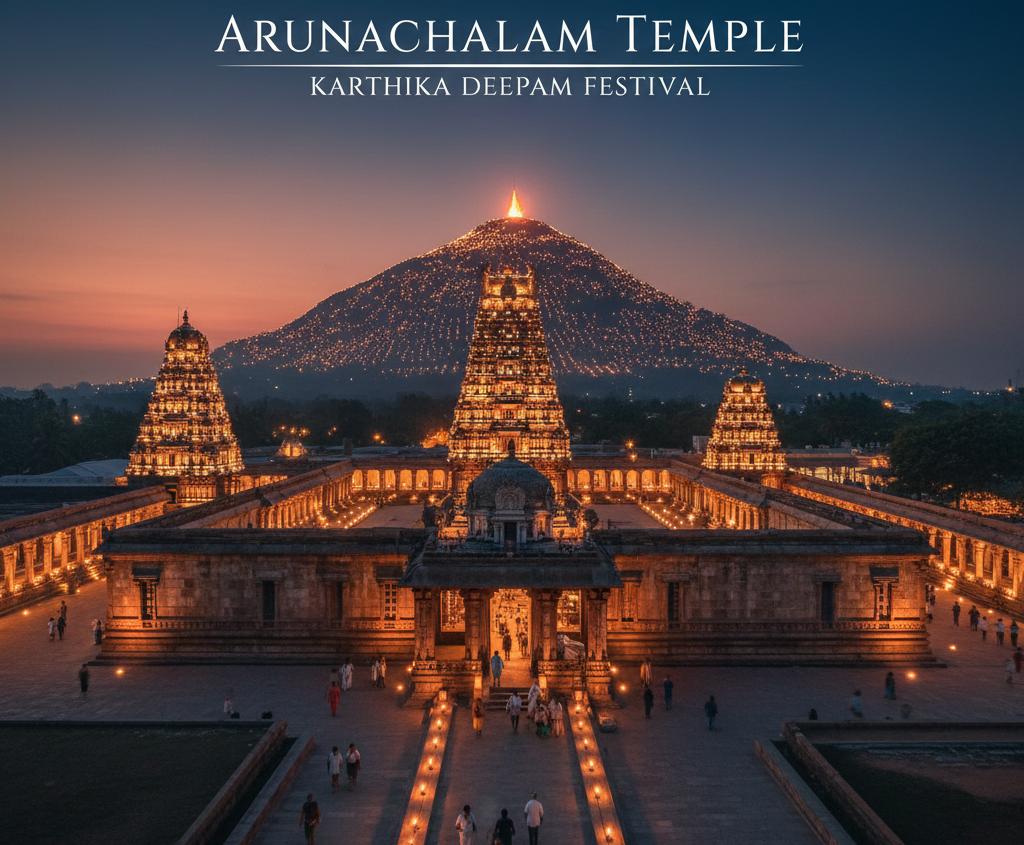
The Thiruvannamalai Annamalaiyar Temple, one of India’s most revered Shiva temples, stands at the foothills of the sacred Arunachala Hill in Tamil Nadu. Known as the temple of fire (Agni) among the five Panch Bhoota Sthalams, it holds deep spiritual significance. Devotees believe that Lord Shiva manifested here as an infinite column of light, symbolizing supreme truth and divine power. Rich in history, the temple has been shaped by the Chola, Pallava, Hoysala, Pandya, and Vijayanagara dynas
The Thiruvannamalai Annamalaiyar Temple, one of India’s most revered Shiva temples, stands at the foothills of the sacred Arunachala Hill in Tamil Nadu. Known as the temple of fire (Agni) among the five Panch Bhoota Sthalams, it holds deep spiritual significance. Devotees believe that Lord Shiva manifested here as an infinite column of light, symbolizing supreme truth and divine power. Rich in history, the temple has been shaped by the Chola, Pallava, Hoysala, Pandya, and Vijayanagara dynas
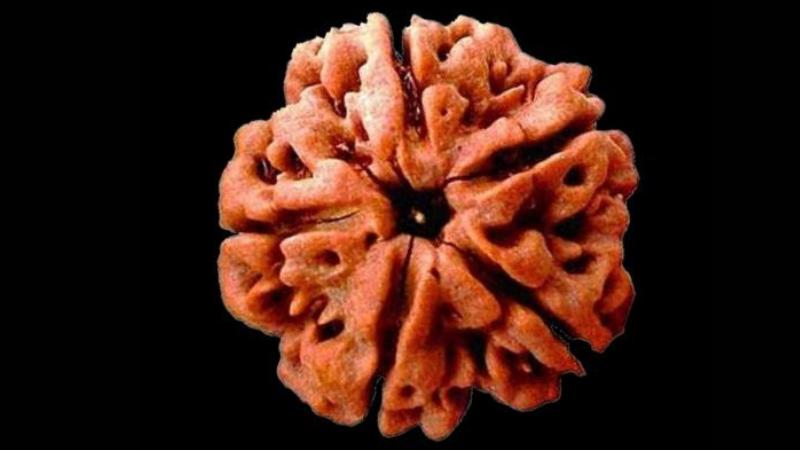
Rooted in the Shiva Purana, the sacred Rudraksha is regarded as a living embodiment of Lord Shiva — a symbol of His compassion and presence. At RudraTattva, this divine essence takes form as a humble seva initiative, offering consecrated Rudrakshas to seekers across the United States, not as a product, but as Shiva’s blessing.
Each Rudraksha offered by RudraTattva begins its journey in the serene Dingla Valley of Nepal, home to some of the world’s most revered
Rooted in the Shiva Purana, the sacred Rudraksha is regarded as a living embodiment of Lord Shiva — a symbol of His compassion and presence. At RudraTattva, this divine essence takes form as a humble seva initiative, offering consecrated Rudrakshas to seekers across the United States, not as a product, but as Shiva’s blessing.
Each Rudraksha offered by RudraTattva begins its journey in the serene Dingla Valley of Nepal, home to some of the world’s most revered
Kartik Purnima, also known as Dev Diwali or Tripurari Purnima, is one of the most sacred and spiritually uplifting festivals in the Hindu calendar. In 2025, it will be celebrated on Wednesday, 5th November, marking the conclusion of the holy month of Kartik — the “month of light.” Devotees across India and abroad honor this full moon day with prayers, fasting, charity, and by lighting thousands of lamps that symbolize the triumph of light over darkness and good over evil.
This
Kartik Purnima, also known as Dev Diwali or Tripurari Purnima, is one of the most sacred and spiritually uplifting festivals in the Hindu calendar. In 2025, it will be celebrated on Wednesday, 5th November, marking the conclusion of the holy month of Kartik — the “month of light.” Devotees across India and abroad honor this full moon day with prayers, fasting, charity, and by lighting thousands of lamps that symbolize the triumph of light over darkness and good over evil.
This