


















King Charles Praises New King’s Gurkha Artillery Unit at Larkhill Barracks
King Charles III praised the newly formed King’s Gurkha Artillery during a special formation parade at Larkhill Barracks in Wiltshire. The event marked an important milestone for Gurkha soldiers, as they begin a new chapter within the British Army’s Royal Artillery. The creation of the unit is seen as a major recognition of the courage, discipline and long-standing service of Gurkha soldiers. For generations, Gurkhas have been respected for their loyalty and bravery, and this ne
King Charles Praises New King’s Gurkha Artillery Unit at Larkhill Barracks
King Charles III praised the newly formed King’s Gurkha Artillery during a special formation parade at Larkhill Barracks in Wiltshire. The event marked an important milestone for Gurkha soldiers, as they begin a new chapter within the British Army’s Royal Artillery. The creation of the unit is seen as a major recognition of the courage, discipline and long-standing service of Gurkha soldiers. For generations, Gurkhas have been respected for their loyalty and bravery, and this ne
US President Open to Meeting Iran’s Mojtaba Amid Tensions
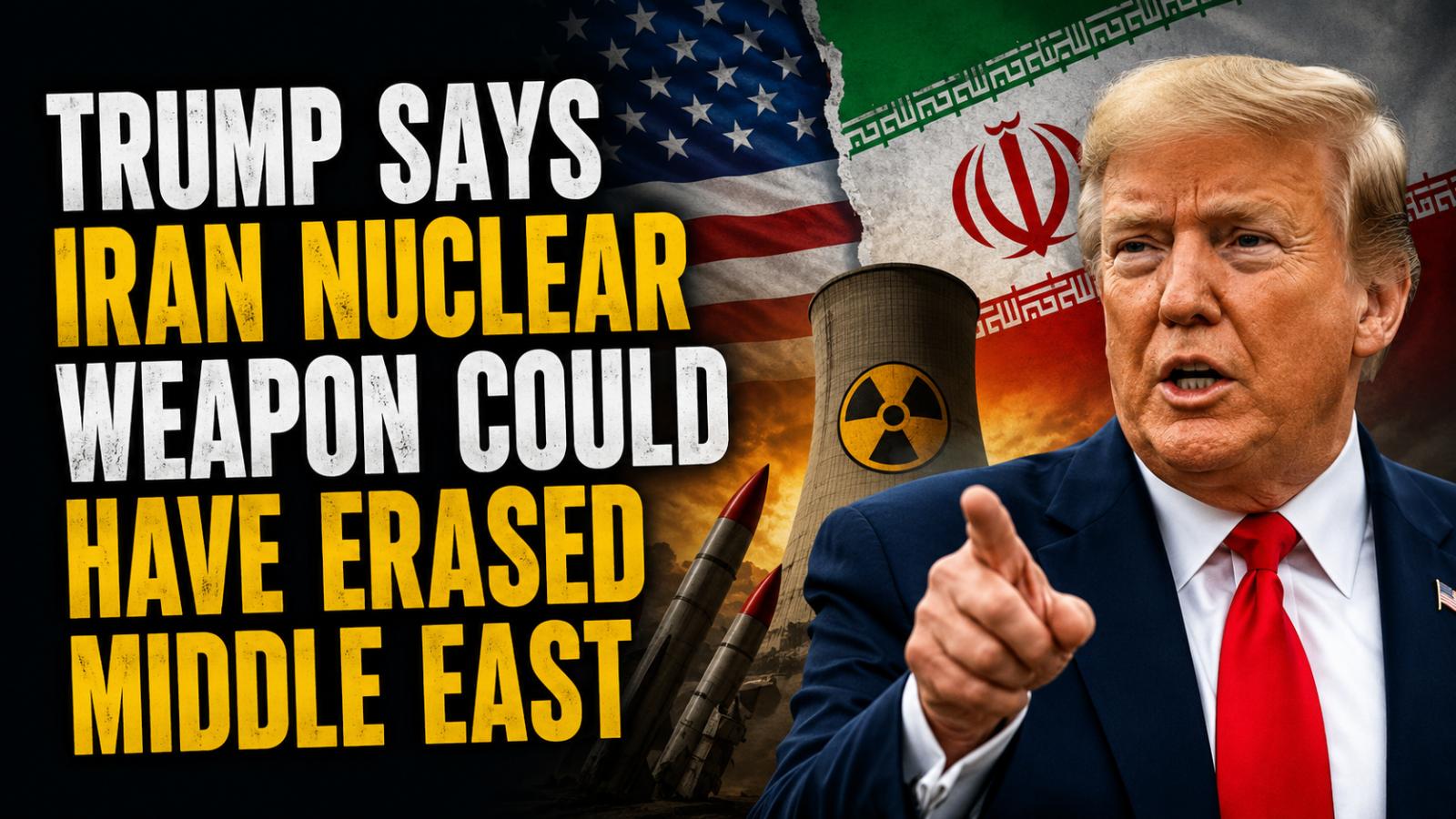
Trump Hints at Potential Iran Conflict US President Donald Trump on Thursday, June 5, indicated that breakthroughs in the Iran conflict might be near but warned that the killing of American troops would constitute a red line potentially restarting the war. Speaking from the Oval Office, Trump said he could meet Iran’s Mojtaba Khamenei under a diplomatic agreement, despite tensions between Washington and Te
US President Open to Meeting Iran’s Mojtaba Amid Tensions
Trump Hints at Potential Iran Conflict US President Donald Trump on Thursday, June 5, indicated that breakthroughs in the Iran conflict might be near but warned that the killing of American troops would constitute a red line potentially restarting the war. Speaking from the Oval Office, Trump said he could meet Iran’s Mojtaba Khamenei under a diplomatic agreement, despite tensions between Washington and Te
Lebanon-Israel Conflict: Civilian Deaths Reported in Airstrikes
Israeli Airstrikes Kill Eight in Lebanon Amid Ceasefire Talks Israeli airstrikes killed eight people in Lebanon on Thursday, just a day after a conditional ceasefire plan was agreed upon by Lebanese and Israeli representatives in the United States. Five people were killed in eastern Lebanon, while three more lost their lives near Tyre. Eight others were injured, including women and children, as the conflict
Lebanon-Israel Conflict: Civilian Deaths Reported in Airstrikes
Israeli Airstrikes Kill Eight in Lebanon Amid Ceasefire Talks Israeli airstrikes killed eight people in Lebanon on Thursday, just a day after a conditional ceasefire plan was agreed upon by Lebanese and Israeli representatives in the United States. Five people were killed in eastern Lebanon, while three more lost their lives near Tyre. Eight others were injured, including women and children, as the conflict
US House Votes to End Iran War Amid Trump Tensions
US House Approves Resolution to End Iran War The US House of Representatives on Wednesday, June 4, passed a resolution ordering the withdrawal of American troops from Iran, marking a rare bipartisan move in the Republican-controlled chamber. Four Republican members joined Democrats in backing the measure, which passed 215-208 and now moves to the Senate for debate. The resolution, part of the War Powers Resolution framework, seeks t
US House Votes to End Iran War Amid Trump Tensions
US House Approves Resolution to End Iran War The US House of Representatives on Wednesday, June 4, passed a resolution ordering the withdrawal of American troops from Iran, marking a rare bipartisan move in the Republican-controlled chamber. Four Republican members joined Democrats in backing the measure, which passed 215-208 and now moves to the Senate for debate. The resolution, part of the War Powers Resolution framework, seeks t
Iran Denies Kuwait Airport Attack, Blames Patriot Missile Malfunction
Iran Denies Responsibility Iran’s Islamic Revolutionary Guard Corps (IRGC) has categorically denied involvement in the recent attack on Kuwait International Airport. The IRGC stated that the damage resulted from a malfunction in the US-made Patriot missile defence system, which failed to intercept incoming projectiles. According to a spokesperson, the Aerospace Force did not target the civilian airport, and the terminal was struck accidentally by malfunctioning defensive systems. The incident caused extensive damage to Passenger Terminal 1 (T1), killed one individual—a citizen of India—and injured 63 others. Kuwaiti authorities immediately closed national airspace, suspended commercial operations, and diverted incoming flights. Regional Criticism and Concerns Former Qatari Prime Minister Sheikh Hamad bin Jassim bin Jaber Al Thani strongly criticized Iran’s military activities against Gulf countries, labeling them as "astonishing" and "unjustifiable." While emphasizing Qatar’s intent to maintain constructive relations with Tehran, he stressed that Gulf states should adopt a coordinated stance to ensure regional stability. Al Thani questioned the rationale behind recent attacks on Bahrain and Kuwait and highlighted the importance of unified diplomatic and security measures in the face of escalating threats. US Response and CENTCOM Statement The United States Central Command (CENTCOM) rejected Iran’s claim, asserting that Tehran deliberately targeted Kuwait’s civilian airport. Officials described the attack as “unjustified” and stressed the potential threat to civilian safety in the region. CENTCOM continues to monitor developments and coordinate with Gulf partners to prevent further escalation. The conflicting accounts between Tehran and Washington underline growing tensions in the Middle East, highlighting the need for diplomatic engagement to avoid a wider regional conflict. Strategic and Political Implications The dispute underscores the fragility of security in the Gulf amid Iran’s military expansion and the broader geopolitical rivalries in the region. The use of defensive missile systems such as the Patriot has drawn scrutiny for its reliability and effectiveness in high-tension scenarios. Analysts note that the incident may influence future negotiations between Gulf countries and Iran and could prompt stronger regional defense cooperation. Both civilian safety and military escalation remain pressing concerns as authorities assess the implications of the incident. International Repercussions The attack has drawn global attention to the volatility of the Gulf region, with multiple countries urging restraint. International observers have called for transparent investigations into the incident and emphasized the importance of maintaining airspace security to prevent further civilian casualties. The events highlight the intersection of military technology, regional politics, and civilian safety, reinforcing the need for carefully coordinated responses to avoid unintended consequences in densely populated areas.
Iran Denies Kuwait Airport Attack, Blames Patriot Missile Malfunction
Iran Denies Responsibility Iran’s Islamic Revolutionary Guard Corps (IRGC) has categorically denied involvement in the recent attack on Kuwait International Airport. The IRGC stated that the damage resulted from a malfunction in the US-made Patriot missile defence system, which failed to intercept incoming projectiles. According to a spokesperson, the Aerospace Force did not target the civilian airport, and the terminal was struck accidentally by malfunctioning defensive systems. The incident caused extensive damage to Passenger Terminal 1 (T1), killed one individual—a citizen of India—and injured 63 others. Kuwaiti authorities immediately closed national airspace, suspended commercial operations, and diverted incoming flights. Regional Criticism and Concerns Former Qatari Prime Minister Sheikh Hamad bin Jassim bin Jaber Al Thani strongly criticized Iran’s military activities against Gulf countries, labeling them as "astonishing" and "unjustifiable." While emphasizing Qatar’s intent to maintain constructive relations with Tehran, he stressed that Gulf states should adopt a coordinated stance to ensure regional stability. Al Thani questioned the rationale behind recent attacks on Bahrain and Kuwait and highlighted the importance of unified diplomatic and security measures in the face of escalating threats. US Response and CENTCOM Statement The United States Central Command (CENTCOM) rejected Iran’s claim, asserting that Tehran deliberately targeted Kuwait’s civilian airport. Officials described the attack as “unjustified” and stressed the potential threat to civilian safety in the region. CENTCOM continues to monitor developments and coordinate with Gulf partners to prevent further escalation. The conflicting accounts between Tehran and Washington underline growing tensions in the Middle East, highlighting the need for diplomatic engagement to avoid a wider regional conflict. Strategic and Political Implications The dispute underscores the fragility of security in the Gulf amid Iran’s military expansion and the broader geopolitical rivalries in the region. The use of defensive missile systems such as the Patriot has drawn scrutiny for its reliability and effectiveness in high-tension scenarios. Analysts note that the incident may influence future negotiations between Gulf countries and Iran and could prompt stronger regional defense cooperation. Both civilian safety and military escalation remain pressing concerns as authorities assess the implications of the incident. International Repercussions The attack has drawn global attention to the volatility of the Gulf region, with multiple countries urging restraint. International observers have called for transparent investigations into the incident and emphasized the importance of maintaining airspace security to prevent further civilian casualties. The events highlight the intersection of military technology, regional politics, and civilian safety, reinforcing the need for carefully coordinated responses to avoid unintended consequences in densely populated areas.
Israel and Lebanon Agree to Ceasefire After US Talks
Israel and Lebanon Agree to Ceasefire After US-Led Talks Israel and Lebanon have reached an agreement to work towards a ceasefire following US-led negotiations in Washington on June 4. The ceasefire is contingent on a “complete cessation” of hostilities by Iran-backed Hezbollah, according to a joint statement issued by the United States, Israel, and Lebanon. The deal also requires the evacuation of all H
Israel and Lebanon Agree to Ceasefire After US Talks
Israel and Lebanon Agree to Ceasefire After US-Led Talks Israel and Lebanon have reached an agreement to work towards a ceasefire following US-led negotiations in Washington on June 4. The ceasefire is contingent on a “complete cessation” of hostilities by Iran-backed Hezbollah, according to a joint statement issued by the United States, Israel, and Lebanon. The deal also requires the evacuation of all H
Royal Navy Helicopter Crashes Near Okehampton in Devon: Emergency Teams Respond
Early Wednesday morning, a Royal Navy helicopter crashed near Sourton Down, close to Okehampton in Devon. Authorities quickly dispatched emergency teams, including police and rescue units, to secure the area and assist personnel involved. The Ministry of Defence confirmed that an investigation is now underway to determine the cause of the incident. Immediate Emergency Response Local police and f
Royal Navy Helicopter Crashes Near Okehampton in Devon: Emergency Teams Respond
Early Wednesday morning, a Royal Navy helicopter crashed near Sourton Down, close to Okehampton in Devon. Authorities quickly dispatched emergency teams, including police and rescue units, to secure the area and assist personnel involved. The Ministry of Defence confirmed that an investigation is now underway to determine the cause of the incident. Immediate Emergency Response Local police and f
Iran Halts US Talks as Lebanon Conflict Escalates
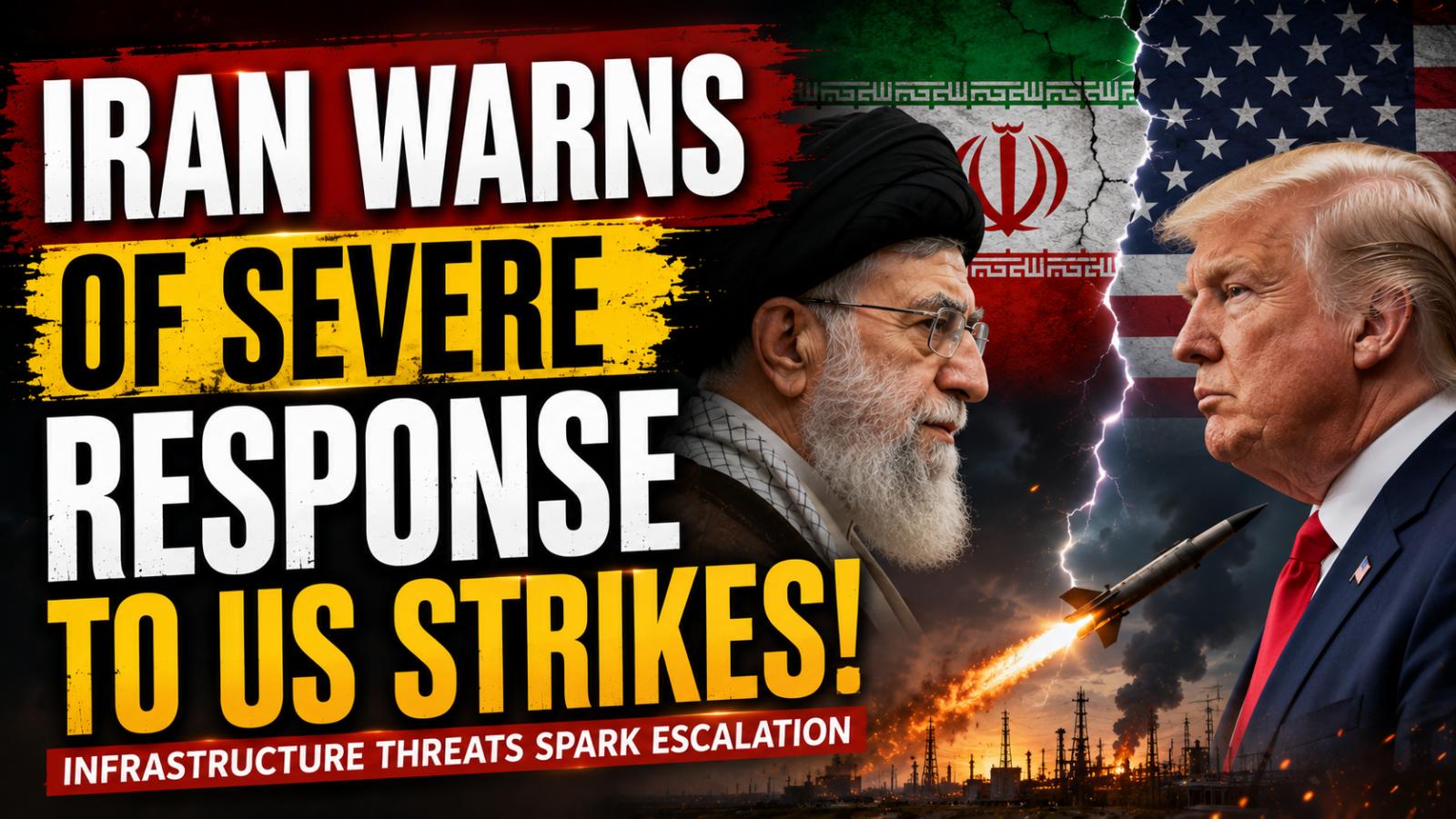
Iran has decided to pause indirect negotiations with the United States in response to ongoing hostilities in Lebanon. Tehran cited repeated breaches of the ceasefire by Israeli forces as a primary reason for halting diplomatic exchanges. Officials emphasized that the suspension is temporary but signals a serious shift in Iran’s diplomatic approach. Tehran Signals Defensive Measures Iran’s le
Iran Halts US Talks as Lebanon Conflict Escalates
Iran has decided to pause indirect negotiations with the United States in response to ongoing hostilities in Lebanon. Tehran cited repeated breaches of the ceasefire by Israeli forces as a primary reason for halting diplomatic exchanges. Officials emphasized that the suspension is temporary but signals a serious shift in Iran’s diplomatic approach. Tehran Signals Defensive Measures Iran’s le
Iran Strikes U.S. Military Bases Across Middle East
Iran has carried out a series of coordinated attacks on U.S. military bases across the Middle East, striking facilities in multiple countries simultaneously. Satellite assessments suggest significant damage to critical infrastructure, including radar installations, air defense systems, and support aircraft. Analysts describe these operations as highly precise, signaling a new phase in Tehran’s regional military strategy.
Iran Strikes U.S. Military Bases Across Middle East
Iran has carried out a series of coordinated attacks on U.S. military bases across the Middle East, striking facilities in multiple countries simultaneously. Satellite assessments suggest significant damage to critical infrastructure, including radar installations, air defense systems, and support aircraft. Analysts describe these operations as highly precise, signaling a new phase in Tehran’s regional military strategy.
France Calls for End to Violence in Lebanon
Macron Condemns Violence in Lebanon French President Emmanuel Macron on Sunday, May 31, denounced the ongoing escalation in southern Lebanon, stating that the intensifying conflict cannot be justified. Macron called for an urgent end to the violence and emphasized the importance of diplomacy, urging the United States and Iran to quickly reach an agreement to prevent further regional escalation. In a message
France Calls for End to Violence in Lebanon
Macron Condemns Violence in Lebanon French President Emmanuel Macron on Sunday, May 31, denounced the ongoing escalation in southern Lebanon, stating that the intensifying conflict cannot be justified. Macron called for an urgent end to the violence and emphasized the importance of diplomacy, urging the United States and Iran to quickly reach an agreement to prevent further regional escalation. In a message
Iran Missile Strike Damages US Drones at Kuwait Base – Rising Gulf Tensions
In the past 24 hours, a ballistic missile launched by Iranian forces struck Ali Al Salem Air Base in Kuwait, a key location for U.S. military operations. Kuwaiti air defenses engaged the incoming projectile, but falling debris caused significant destruction inside the base perimeter. Two U.S. MQ‑9 Reaper drones, each valued at roughly $30 million, were hit — one was destroyed and the other badly damaged. Several American service members and civilian contr
Iran Missile Strike Damages US Drones at Kuwait Base – Rising Gulf Tensions
In the past 24 hours, a ballistic missile launched by Iranian forces struck Ali Al Salem Air Base in Kuwait, a key location for U.S. military operations. Kuwaiti air defenses engaged the incoming projectile, but falling debris caused significant destruction inside the base perimeter. Two U.S. MQ‑9 Reaper drones, each valued at roughly $30 million, were hit — one was destroyed and the other badly damaged. Several American service members and civilian contr
US Blocks Iranian Military Tech Network Over Deceptive Procurement
The United States announced new sanctions against an Iranian network involved in procuring advanced military technology through deceptive practices. The network reportedly misrepresented itself as legitimate companies, acquiring critical equipment such as spectrum analysers and security devices for Iran’s defense programs. The sanctions reflect Washington’s ongoing effort to restrict Iran’s access to sensitive military technology.
US Blocks Iranian Military Tech Network Over Deceptive Procurement
The United States announced new sanctions against an Iranian network involved in procuring advanced military technology through deceptive practices. The network reportedly misrepresented itself as legitimate companies, acquiring critical equipment such as spectrum analysers and security devices for Iran’s defense programs. The sanctions reflect Washington’s ongoing effort to restrict Iran’s access to sensitive military technology.
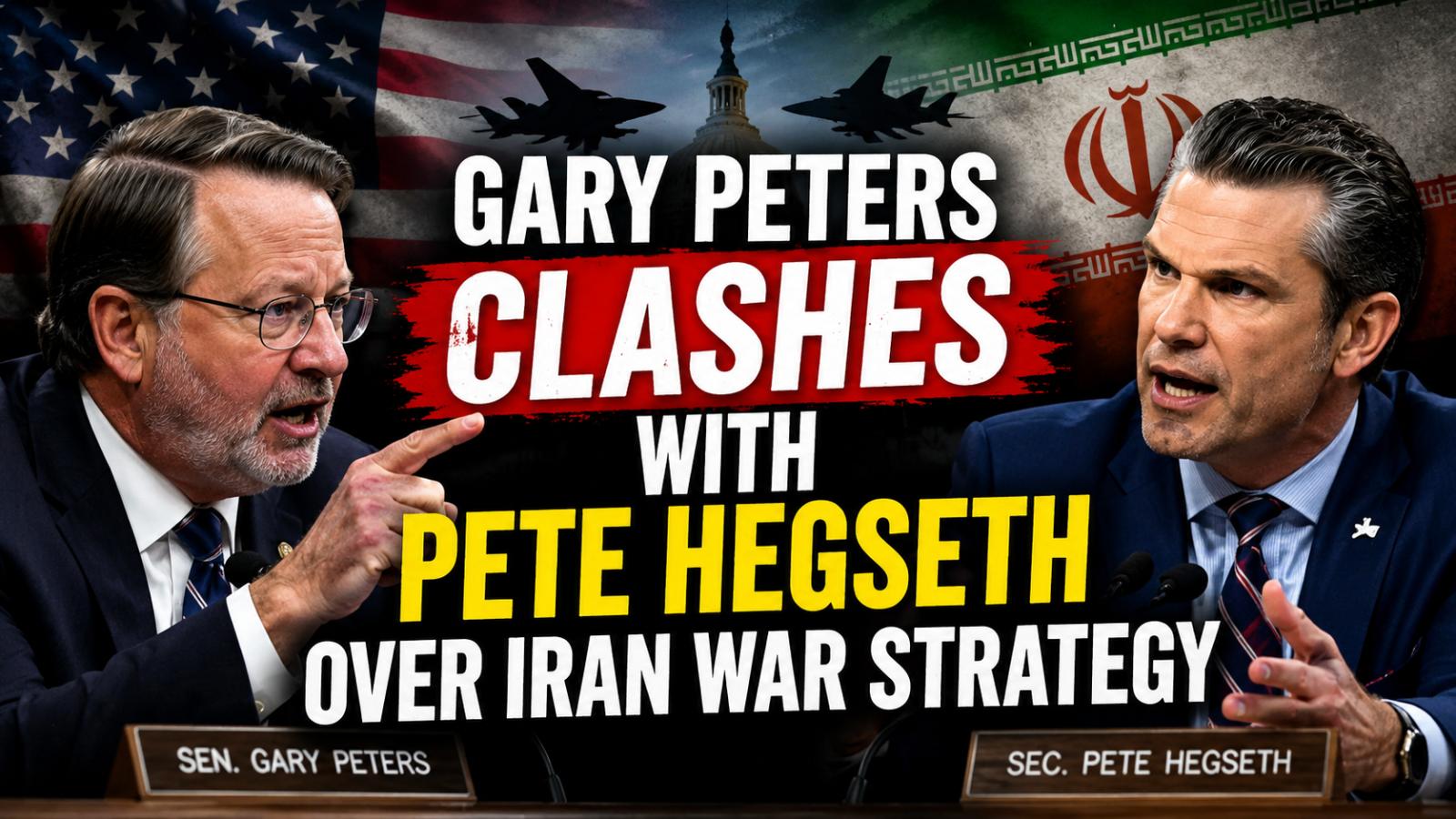
US War Secretary Assures Readiness Against Iran
Hegseth Affirms U.S. Military Readiness US Secretary of War Pete Hegseth on Saturday, May 30, dismissed concerns over the United States’ military preparedness, asserting that the country remains fully capable of launching fresh operations against Iran if necessary. Speaking at the annual Shangri-La Dialogue security summit in Singapore, Hegseth emphasized the US military’s ability to res
US War Secretary Assures Readiness Against Iran
Hegseth Affirms U.S. Military Readiness US Secretary of War Pete Hegseth on Saturday, May 30, dismissed concerns over the United States’ military preparedness, asserting that the country remains fully capable of launching fresh operations against Iran if necessary. Speaking at the annual Shangri-La Dialogue security summit in Singapore, Hegseth emphasized the US military’s ability to res
Zelensky Warns of Major Russian Attack on Ukraine
Zelensky Warns of New Russian Strikes Ukrainian President Volodymyr Zelensky on Friday, May 29, warned that Russia is preparing a major new attack on Ukraine. His message comes after Kyiv experienced one of the largest Russian bombardments since the full-scale invasion began in 2022. The capital city was among the hardest-hit areas during last weekend’s wave of strikes, raising concerns about further
Zelensky Warns of Major Russian Attack on Ukraine
Zelensky Warns of New Russian Strikes Ukrainian President Volodymyr Zelensky on Friday, May 29, warned that Russia is preparing a major new attack on Ukraine. His message comes after Kyiv experienced one of the largest Russian bombardments since the full-scale invasion began in 2022. The capital city was among the hardest-hit areas during last weekend’s wave of strikes, raising concerns about further
Military Officials Meet Amid Rising US-Cuba Tensions
US-Cuba Talks at Guantanamo Bay Senior military officials from the United States and Cuba met on Friday, May 29, at the Guantanamo Bay naval base, amid ongoing political tensions between Washington and Havana. The meeting involved U.S. General Francis Donovan and Cuban General Roberto Legra Sotolongo, focusing on operational security matters. A photograph released by the U.S. Southern Command showed the two
Military Officials Meet Amid Rising US-Cuba Tensions
US-Cuba Talks at Guantanamo Bay Senior military officials from the United States and Cuba met on Friday, May 29, at the Guantanamo Bay naval base, amid ongoing political tensions between Washington and Havana. The meeting involved U.S. General Francis Donovan and Cuban General Roberto Legra Sotolongo, focusing on operational security matters. A photograph released by the U.S. Southern Command showed the two
Russia and Taliban Strengthen Military Cooperation in Afghanistan
Russia and Taliban Formalize Military Pact Russia and the Taliban have officially signed a military cooperation agreement, aiming to enhance defense collaboration and regional stability in Afghanistan. The deal was finalized during the International Security Forum in Moscow, held from May 26 to May 29. Taliban Defence Minister Mullah Yaqoob emphasized that this pact strengthens Afghanistan’s military capabilities while recognizing Russia
Russia and Taliban Strengthen Military Cooperation in Afghanistan
Russia and Taliban Formalize Military Pact Russia and the Taliban have officially signed a military cooperation agreement, aiming to enhance defense collaboration and regional stability in Afghanistan. The deal was finalized during the International Security Forum in Moscow, held from May 26 to May 29. Taliban Defence Minister Mullah Yaqoob emphasized that this pact strengthens Afghanistan’s military capabilities while recognizing Russia
US Military Targets Suspected Drug Vessel in Eastern Pacific
The US military executed a targeted strike on a vessel suspected of transporting illegal narcotics in the Eastern Pacific on Tuesday. The operation resulted in one fatality and two individuals rescued alive. Officials confirmed that the vessel was navigating known drug trafficking routes and linked to transnational criminal networks. No US personnel were injured, and the Coast Guard immediately initiated search and rescue efforts for the survivors.
US Military Targets Suspected Drug Vessel in Eastern Pacific
The US military executed a targeted strike on a vessel suspected of transporting illegal narcotics in the Eastern Pacific on Tuesday. The operation resulted in one fatality and two individuals rescued alive. Officials confirmed that the vessel was navigating known drug trafficking routes and linked to transnational criminal networks. No US personnel were injured, and the Coast Guard immediately initiated search and rescue efforts for the survivors.
Iran Claims US MQ-9 Reaper Drone Shot Down After Gulf Airspace Breach
Iran has claimed that its forces shot down a US MQ-9 Reaper drone after what it described as an airspace violation over the Gulf region. According to Iran’s Islamic Revolutionary Guard Corps, the aircraft entered Iranian airspace before being targeted. The IRGC also claimed that its forces fired at an RQ-4 surveillance drone and an F-35 fighter jet, saying the aircraft were forced away from Iranian airspace. The claim has not yet answered several important questions. The exact time, location, flight path and independent confirmation of the incident remain unclear. Because of that, the event should be treated as a claim from Iran unless the United States or another reliable source confirms more details. Why This Gulf Drone Incident Matters The Gulf region is one of the most sensitive military zones in the world. It includes major shipping routes, energy corridors and heavily monitored airspace. Any military aircraft activity in this area can quickly increase tension, especially when it involves the United States and Iran. Iran says the drone crossed into its airspace. In past Gulf incidents, Washington and Tehran have often disagreed over whether US aircraft were flying in international airspace or inside Iranian territory. That is why the location of this alleged drone incident is important. If the drone was inside Iranian airspace, Iran will present it as a defensive action. If it was outside Iranian airspace, the incident could be seen as a serious escalation. What Is the MQ-9 Reaper Drone? The MQ-9 Reaper is a remotely piloted US military drone used for intelligence, surveillance, reconnaissance and precision strike missions. In simple terms, it is a large unmanned aircraft that can stay in the sky for long hours, monitor wide areas and support military operations from a distance. The MQ-9A Reaper is built by General Atomics Aeronautical Systems. It is known for long endurance, high-altitude operations and flexible mission use. General Atomics says the MQ-9A can fly for more than 27 hours, reach speeds of 240 KTAS, operate up to 50,000 feet and carry a payload of 3,850 pounds. Why the Reaper Drone Is Important for the US Military The MQ-9 Reaper is valuable because it can perform both surveillance and strike roles. It can watch military zones, track movement, support troops, monitor maritime routes and carry guided weapons when required. The drone can be equipped with cameras, infrared sensors, radar systems and weapons such as Hellfire missiles and guided bombs. This makes it useful in conflict zones where long-distance monitoring and quick response are needed. For the United States, losing an MQ-9 Reaper is not just a financial loss. It can also affect intelligence gathering, battlefield awareness and military messaging in a tense region. Why Iran’s Claim Is Getting Attention Iran’s statement is getting attention because it comes during a period of high regional tension. Drone activity, fighter jet movement and air defense operations in the Gulf can easily turn into a larger diplomatic or military dispute. The mention of an RQ-4 drone and an F-35 fighter jet makes the claim even more sensitive. The RQ-4 is associated with high-altitude surveillance, while the F-35 is one of the most advanced fighter jets used by the US and its allies. However, Iran’s statement does not clearly prove that all aircraft were hit or damaged. The clearer claim is about the MQ-9 Reaper drone. What Is Still Not Clear? Several key facts are still missing. There is no fully clear public confirmation about the exact location of the alleged airspace breach. There is also no complete independent verification of whether a US MQ-9 Reaper was actually shot down in the manner Iran described. The United States’ official response is also important. Until more details are confirmed, the safest way to report the incident is to say that Iran claims it shot down the drone, not that the drone was definitely shot down. Bigger Picture: US-Iran Tensions in the Gulf The Gulf has seen repeated military tension between Iran and the United States over the years. Drone surveillance, naval patrols, sanctions, regional alliances and conflict spillovers have all contributed to mistrust. A drone shootdown claim can become more than a military headline. It can affect diplomacy, oil markets, regional security and public messaging from both sides. That is why this incident is being watched closely. Final Takeaway Iran has claimed that it shot down a US MQ-9 Reaper drone after an alleged airspace breach over the Gulf region. The IRGC also said it fired at other US aircraft, including an RQ-4 drone and an F-35 fighter jet. However, important details such as the exact location, timing and independent confirmation are still unclear. For now, the incident should be seen as a major claim from Iran, not a fully confirmed military event. If verified, it could become another serious flashpoint between Iran and the United States in the Gulf.
Iran Claims US MQ-9 Reaper Drone Shot Down After Gulf Airspace Breach
Iran has claimed that its forces shot down a US MQ-9 Reaper drone after what it described as an airspace violation over the Gulf region. According to Iran’s Islamic Revolutionary Guard Corps, the aircraft entered Iranian airspace before being targeted. The IRGC also claimed that its forces fired at an RQ-4 surveillance drone and an F-35 fighter jet, saying the aircraft were forced away from Iranian airspace. The claim has not yet answered several important questions. The exact time, location, flight path and independent confirmation of the incident remain unclear. Because of that, the event should be treated as a claim from Iran unless the United States or another reliable source confirms more details. Why This Gulf Drone Incident Matters The Gulf region is one of the most sensitive military zones in the world. It includes major shipping routes, energy corridors and heavily monitored airspace. Any military aircraft activity in this area can quickly increase tension, especially when it involves the United States and Iran. Iran says the drone crossed into its airspace. In past Gulf incidents, Washington and Tehran have often disagreed over whether US aircraft were flying in international airspace or inside Iranian territory. That is why the location of this alleged drone incident is important. If the drone was inside Iranian airspace, Iran will present it as a defensive action. If it was outside Iranian airspace, the incident could be seen as a serious escalation. What Is the MQ-9 Reaper Drone? The MQ-9 Reaper is a remotely piloted US military drone used for intelligence, surveillance, reconnaissance and precision strike missions. In simple terms, it is a large unmanned aircraft that can stay in the sky for long hours, monitor wide areas and support military operations from a distance. The MQ-9A Reaper is built by General Atomics Aeronautical Systems. It is known for long endurance, high-altitude operations and flexible mission use. General Atomics says the MQ-9A can fly for more than 27 hours, reach speeds of 240 KTAS, operate up to 50,000 feet and carry a payload of 3,850 pounds. Why the Reaper Drone Is Important for the US Military The MQ-9 Reaper is valuable because it can perform both surveillance and strike roles. It can watch military zones, track movement, support troops, monitor maritime routes and carry guided weapons when required. The drone can be equipped with cameras, infrared sensors, radar systems and weapons such as Hellfire missiles and guided bombs. This makes it useful in conflict zones where long-distance monitoring and quick response are needed. For the United States, losing an MQ-9 Reaper is not just a financial loss. It can also affect intelligence gathering, battlefield awareness and military messaging in a tense region. Why Iran’s Claim Is Getting Attention Iran’s statement is getting attention because it comes during a period of high regional tension. Drone activity, fighter jet movement and air defense operations in the Gulf can easily turn into a larger diplomatic or military dispute. The mention of an RQ-4 drone and an F-35 fighter jet makes the claim even more sensitive. The RQ-4 is associated with high-altitude surveillance, while the F-35 is one of the most advanced fighter jets used by the US and its allies. However, Iran’s statement does not clearly prove that all aircraft were hit or damaged. The clearer claim is about the MQ-9 Reaper drone. What Is Still Not Clear? Several key facts are still missing. There is no fully clear public confirmation about the exact location of the alleged airspace breach. There is also no complete independent verification of whether a US MQ-9 Reaper was actually shot down in the manner Iran described. The United States’ official response is also important. Until more details are confirmed, the safest way to report the incident is to say that Iran claims it shot down the drone, not that the drone was definitely shot down. Bigger Picture: US-Iran Tensions in the Gulf The Gulf has seen repeated military tension between Iran and the United States over the years. Drone surveillance, naval patrols, sanctions, regional alliances and conflict spillovers have all contributed to mistrust. A drone shootdown claim can become more than a military headline. It can affect diplomacy, oil markets, regional security and public messaging from both sides. That is why this incident is being watched closely. Final Takeaway Iran has claimed that it shot down a US MQ-9 Reaper drone after an alleged airspace breach over the Gulf region. The IRGC also said it fired at other US aircraft, including an RQ-4 drone and an F-35 fighter jet. However, important details such as the exact location, timing and independent confirmation are still unclear. For now, the incident should be seen as a major claim from Iran, not a fully confirmed military event. If verified, it could become another serious flashpoint between Iran and the United States in the Gulf.
Rubio Urges Open Strait of Hormuz Amid US-Iran Tensions
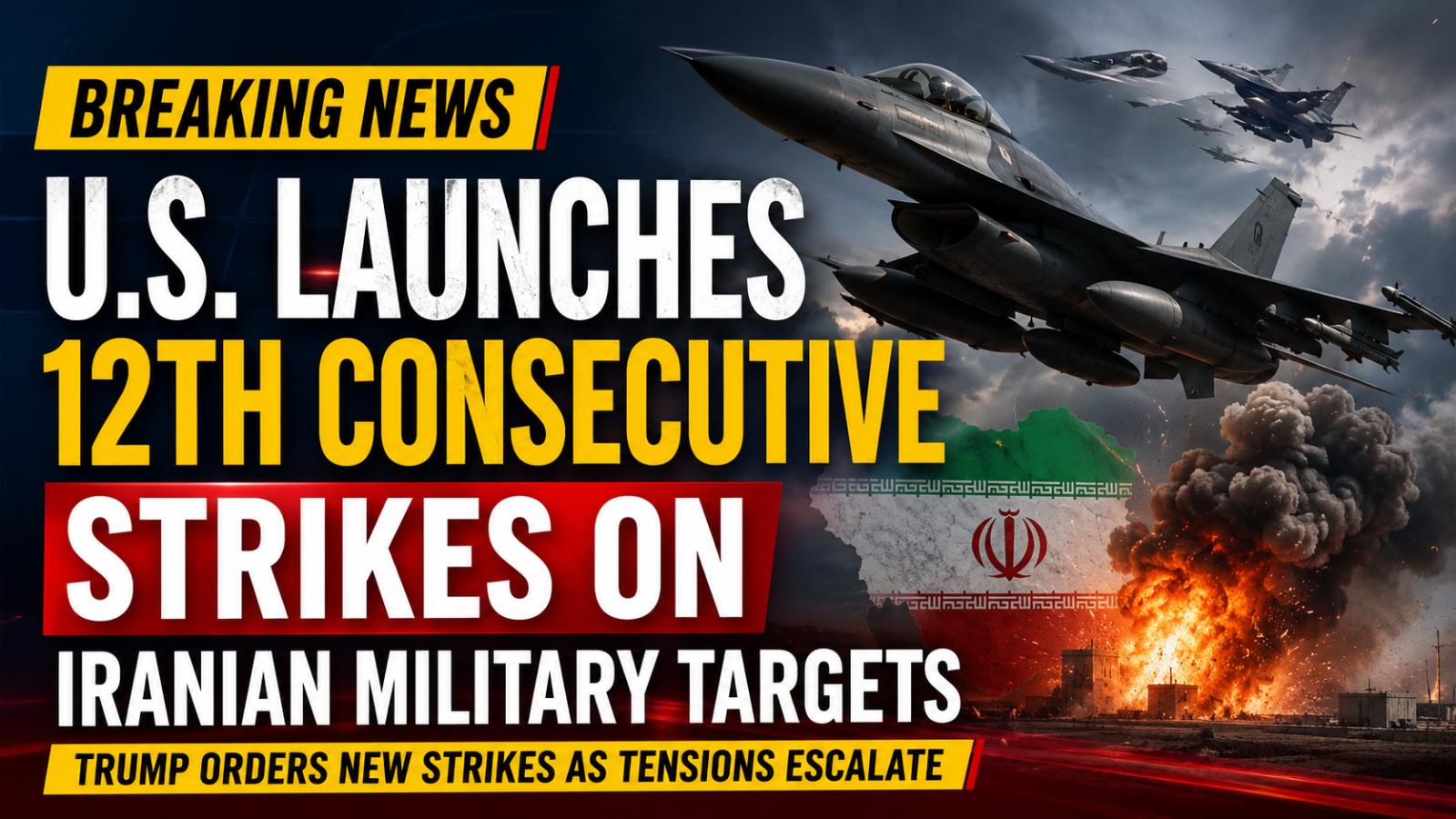
US Secretary of State Comments on Iran Strikes US Secretary of State Marco Rubio, currently visiting India and set to attend the QUAD summit on May 26, addressed the recent US military strikes on Iran. He emphasized the main objective of the United States: to ensure the Strait of Hormuz remains open. Rubio described the blockade as "illegal and unlawful," noting that discussions continue over the language of the potential final deal with Tehran. Rubio Highlights Diplomatic Efforts Speaking in Jaipur, India, Rubio noted ongoing talks in Qatar aimed at finalizing the agreement. “There were some talks going on in Qatar today, so we'll see if we can make progress,” he said. Rubio added that President Trump is determined to secure either a beneficial deal or no agreement at all, underscoring the administration’s cautious approach to diplomacy amidst ongoing tensions. US Strikes and Military Position The remarks followed self-defense strikes carried out by US forces on May 25, targeting Iranian missile launch sites and boats near the Strait of Hormuz. CENTCOM spokesman Timothy Hawkins confirmed that these actions were aimed at protecting American troops from threats posed by Iranian forces. The strikes occurred while a ceasefire remained in effect, demonstrating the delicate balance between military action and diplomatic engagement. Context of US-Iran Relations These strikes mark a continuation of the complex US-Iran relationship, which has included previous conflicts, drone and missile engagements, and blocked international shipping routes. Rubio’s comments reaffirm the administration’s priority to keep strategic waterways accessible while pursuing negotiations with Tehran. The Secretary stressed that the US aims to achieve a resolution through dialogue, ensuring regional security and global maritime stability. Ongoing Diplomacy and Future Prospects Rubio indicated that discussions on the initial documents are still underway, emphasizing the back-and-forth nature of the negotiations. The Secretary expressed cautious optimism about achieving a deal, highlighting that the President is committed to a fair and enforceable agreement. The situation remains fluid as US diplomatic channels engage with Iran to prevent further escalation while maintaining strategic control over critical maritime routes.
Rubio Urges Open Strait of Hormuz Amid US-Iran Tensions
US Secretary of State Comments on Iran Strikes US Secretary of State Marco Rubio, currently visiting India and set to attend the QUAD summit on May 26, addressed the recent US military strikes on Iran. He emphasized the main objective of the United States: to ensure the Strait of Hormuz remains open. Rubio described the blockade as "illegal and unlawful," noting that discussions continue over the language of the potential final deal with Tehran. Rubio Highlights Diplomatic Efforts Speaking in Jaipur, India, Rubio noted ongoing talks in Qatar aimed at finalizing the agreement. “There were some talks going on in Qatar today, so we'll see if we can make progress,” he said. Rubio added that President Trump is determined to secure either a beneficial deal or no agreement at all, underscoring the administration’s cautious approach to diplomacy amidst ongoing tensions. US Strikes and Military Position The remarks followed self-defense strikes carried out by US forces on May 25, targeting Iranian missile launch sites and boats near the Strait of Hormuz. CENTCOM spokesman Timothy Hawkins confirmed that these actions were aimed at protecting American troops from threats posed by Iranian forces. The strikes occurred while a ceasefire remained in effect, demonstrating the delicate balance between military action and diplomatic engagement. Context of US-Iran Relations These strikes mark a continuation of the complex US-Iran relationship, which has included previous conflicts, drone and missile engagements, and blocked international shipping routes. Rubio’s comments reaffirm the administration’s priority to keep strategic waterways accessible while pursuing negotiations with Tehran. The Secretary stressed that the US aims to achieve a resolution through dialogue, ensuring regional security and global maritime stability. Ongoing Diplomacy and Future Prospects Rubio indicated that discussions on the initial documents are still underway, emphasizing the back-and-forth nature of the negotiations. The Secretary expressed cautious optimism about achieving a deal, highlighting that the President is committed to a fair and enforceable agreement. The situation remains fluid as US diplomatic channels engage with Iran to prevent further escalation while maintaining strategic control over critical maritime routes.
Iran’s New Security Chief Declares “No Retreat” Amid US-Israel Tensions
Iran’s New Security Chief Signals Hardline Approach Mohammad Bagher Zolghadr, recently appointed head of Iran’s Supreme National Security Council, delivered a defiant message in his first public address, asserting that Iran will not back down in its standoff with the United States and Israel. Speaking to a domestic audience, Zolghadr emphasized, “There will be no retreat” in Iran’s fight against t
Iran’s New Security Chief Declares “No Retreat” Amid US-Israel Tensions
Iran’s New Security Chief Signals Hardline Approach Mohammad Bagher Zolghadr, recently appointed head of Iran’s Supreme National Security Council, delivered a defiant message in his first public address, asserting that Iran will not back down in its standoff with the United States and Israel. Speaking to a domestic audience, Zolghadr emphasized, “There will be no retreat” in Iran’s fight against t


