US House Approves Resolution to End Iran War
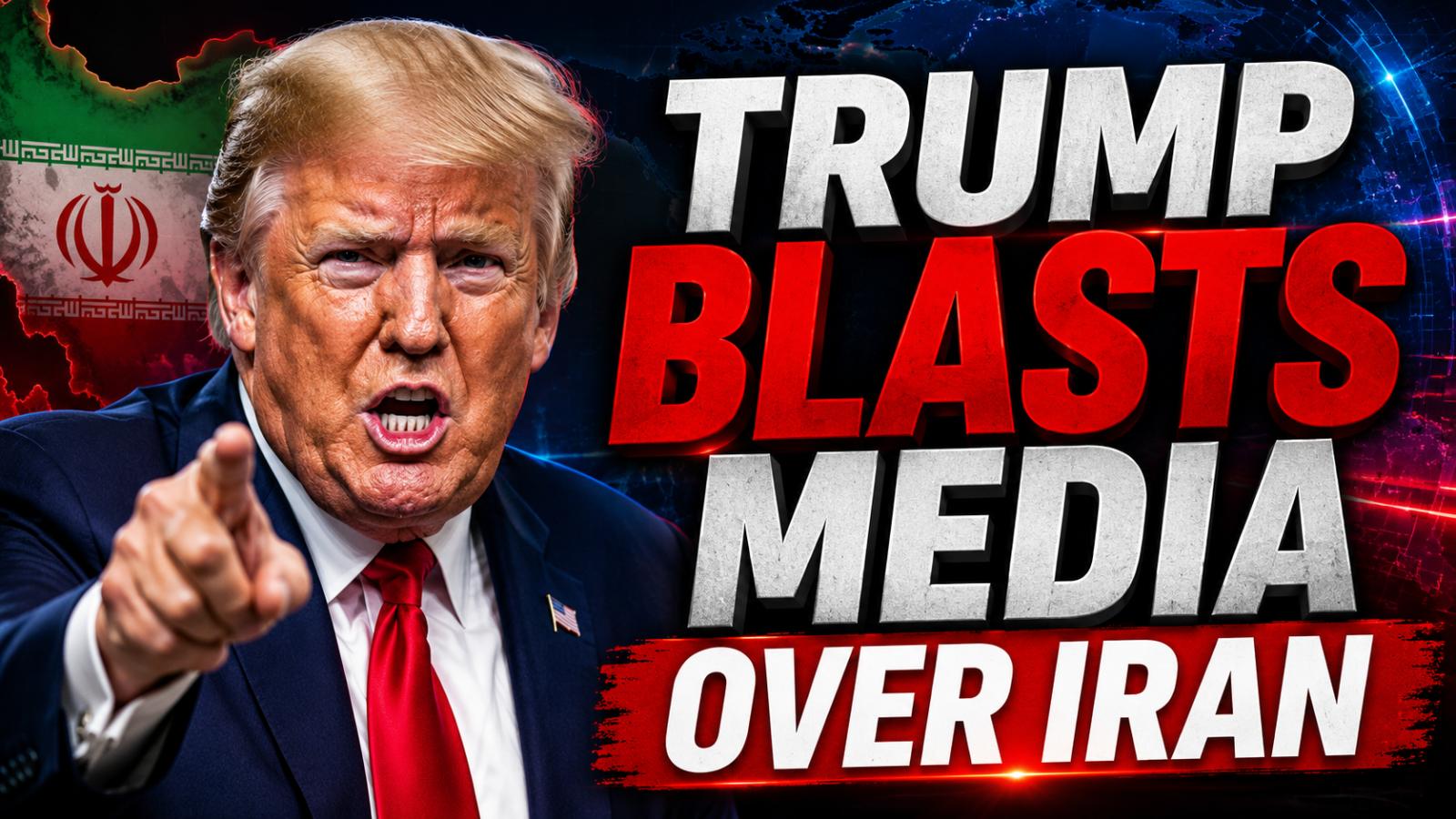
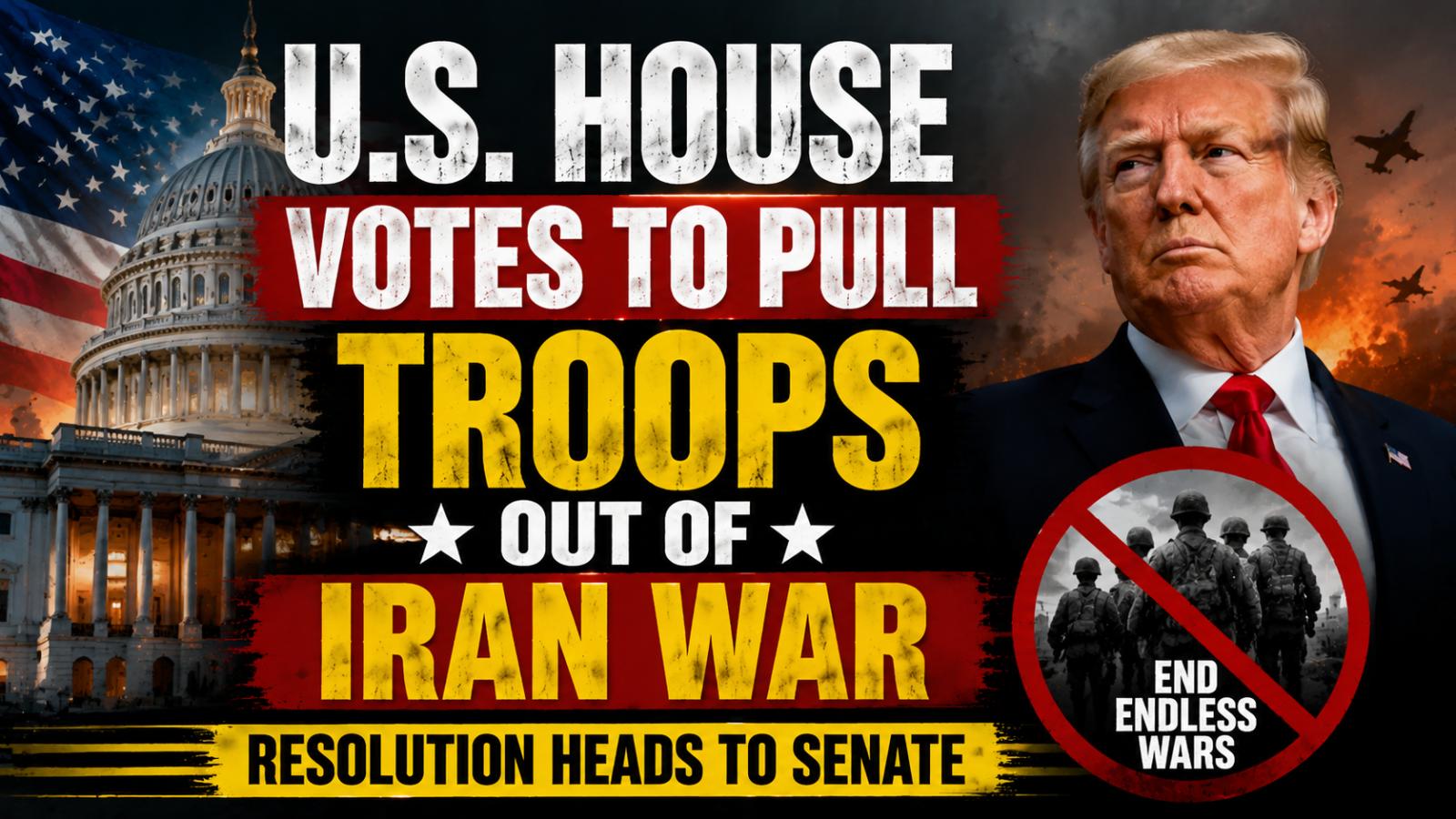
The US House of Representatives on Wednesday, June 4, passed a resolution ordering the withdrawal of American troops from Iran, marking a rare bipartisan move in the Republican-controlled chamber. Four Republican members joined Democrats in backing the measure, which passed 215-208 and now moves to the Senate for debate. The resolution, part of the War Powers Resolution framework, seeks to curb the president’s ability to engage US forces without congressional authorization.
Senate Review and Presidential Veto Likely
A similar resolution recently cleared a procedural hurdle in the Senate, and lawmakers anticipate a vote this week. President Donald Trump, however, is expected to veto the resolution if it reaches his desk. Overriding a presidential veto would require a two-thirds majority in both the House and Senate, a difficult prospect given Republican control and support for Trump.
War Powers Resolution Context
The War Powers Resolution, passed in 1973, limits the president’s authority to involve US forces in conflict without Congress’s approval. It requires notification within 48 hours of troop deployment and mandates withdrawal within 60 days unless Congress authorizes military action. Lawmakers argued the resolution reflects widespread public sentiment against the war in Iran and seeks to formally restrict the executive’s military discretion.
Political and Symbolic Implications
While symbolic in nature due to the anticipated veto, the House vote demonstrates growing congressional pressure on the Trump administration. The resolution underscores tensions between the legislative branch and the executive over US military engagement abroad and signals a concerted effort by lawmakers to assert oversight of ongoing operations against Tehran.
Ongoing Military Context
Despite claims by the administration that the Iran war is concluded, hostilities continue in limited exchanges, leaving the military situation unresolved. The resolution highlights the ongoing debate about executive power in foreign conflicts and the role of Congress in overseeing the deployment of US forces overseas.