Iran Will Not Expand War, Pezeshkian Says
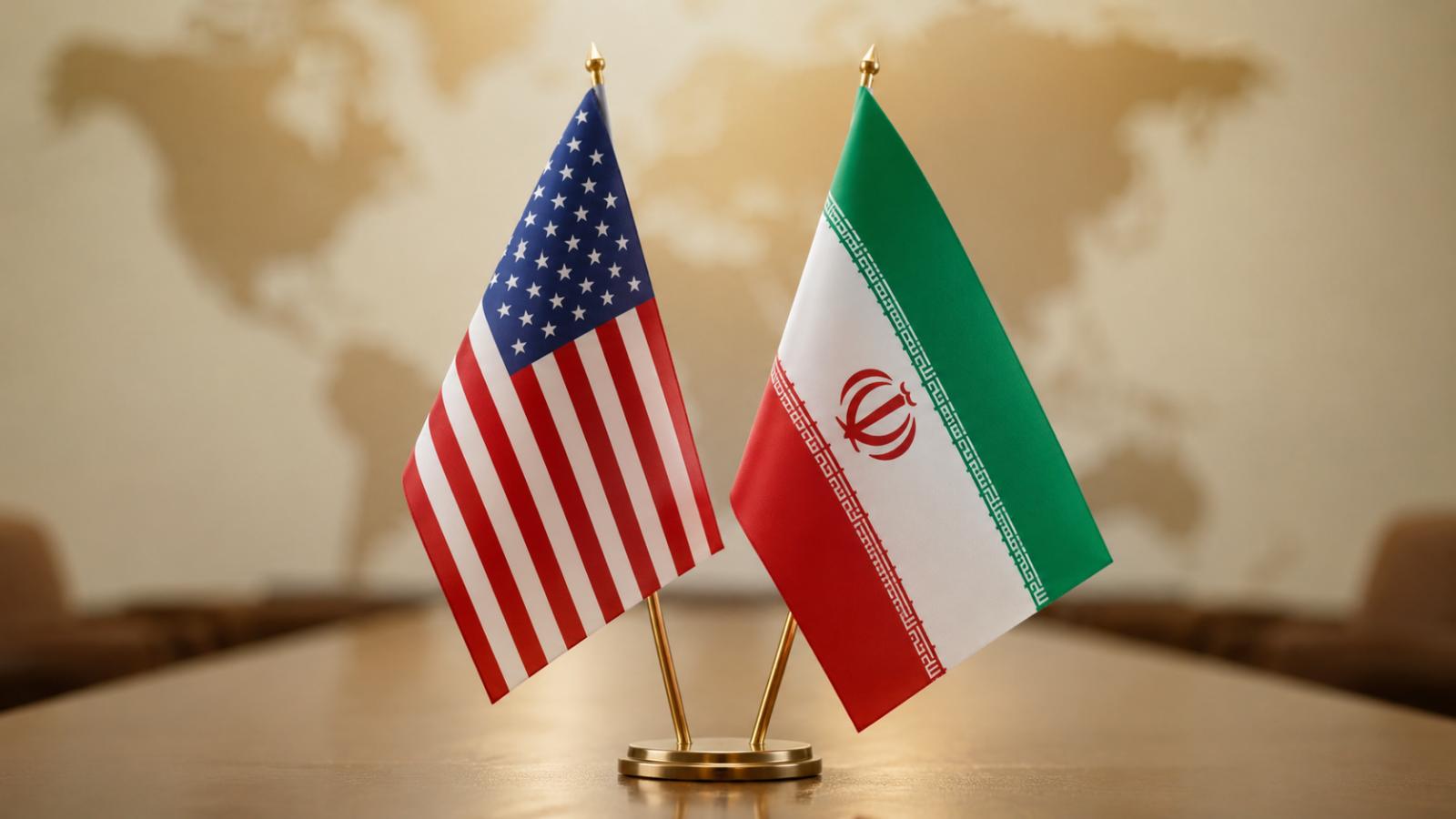
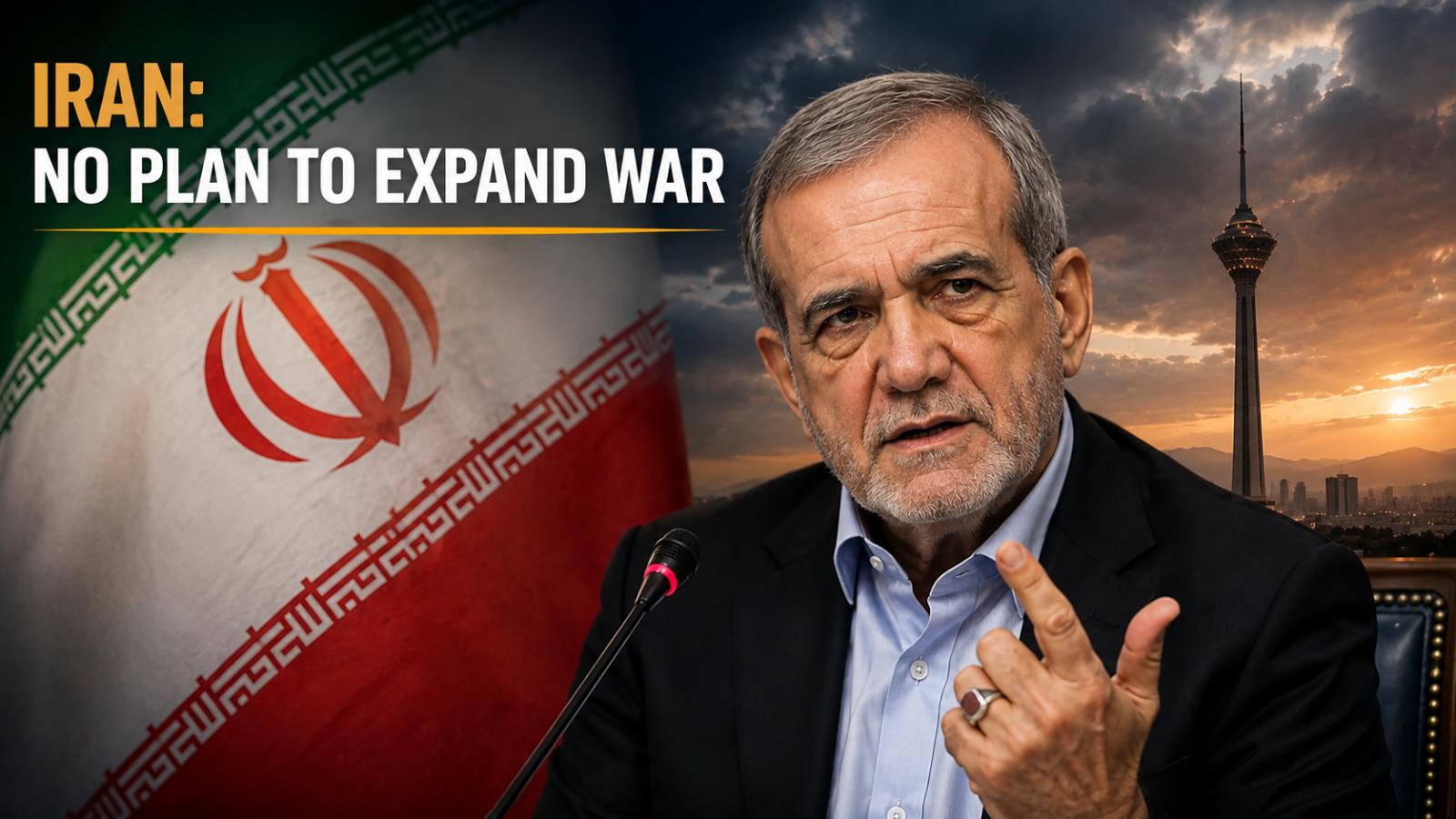
Iranian President Masoud Pezeshkian says Iran will not expand war or prolong the current conflict, but it will defend its borders against threats. He also stressed social unity, national security, military coordination and his commitment to remain in office. Iran War Policy Iranian President Masoud Pezeshkian said on Tuesday, August 4, that Tehran was not seeking to continue or expand the ongoi
Iran Will Not Expand War, Pezeshkian Says
Iranian President Masoud Pezeshkian says Iran will not expand war or prolong the current conflict, but it will defend its borders against threats. He also stressed social unity, national security, military coordination and his commitment to remain in office. Iran War Policy Iranian President Masoud Pezeshkian said on Tuesday, August 4, that Tehran was not seeking to continue or expand the ongoi
Americans Doubt Iran War Will End as Public Trust Falls
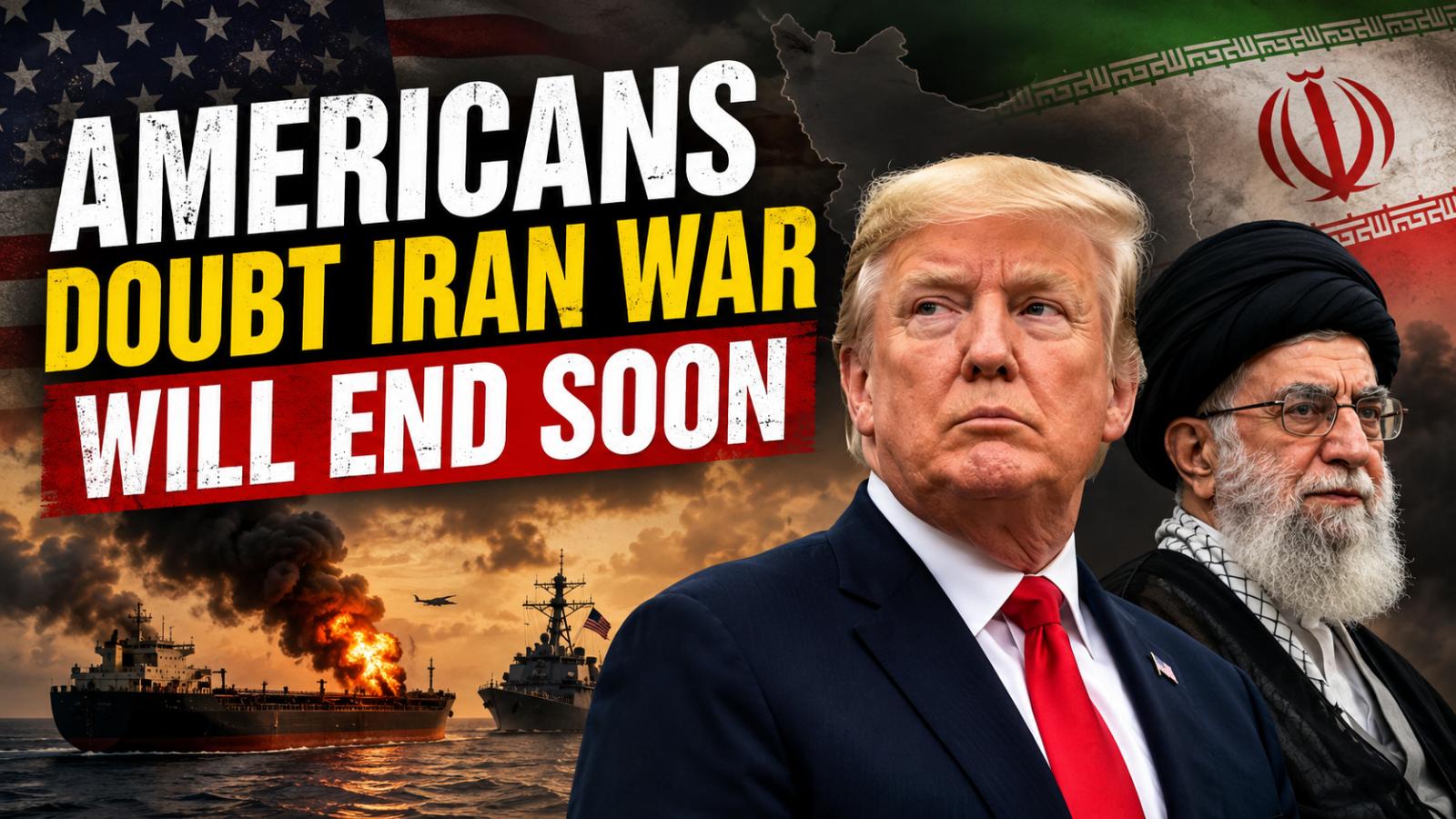
Americans increasingly doubt the Iran war will end soon as diplomacy stalls, Congress debates presidential war powers, shipping risks rise in the Strait of Hormuz and new polling shows voters expect the conflict to continue for months or years rather than weeks. Timeline remains uncertain U.S. Ambassador to the United Nations Mike Waltz has declined to place a deadline on the conflict. Waltz sa
Americans Doubt Iran War Will End as Public Trust Falls
Americans increasingly doubt the Iran war will end soon as diplomacy stalls, Congress debates presidential war powers, shipping risks rise in the Strait of Hormuz and new polling shows voters expect the conflict to continue for months or years rather than weeks. Timeline remains uncertain U.S. Ambassador to the United Nations Mike Waltz has declined to place a deadline on the conflict. Waltz sa
US Senate reverses stance on Iran war powers resolution
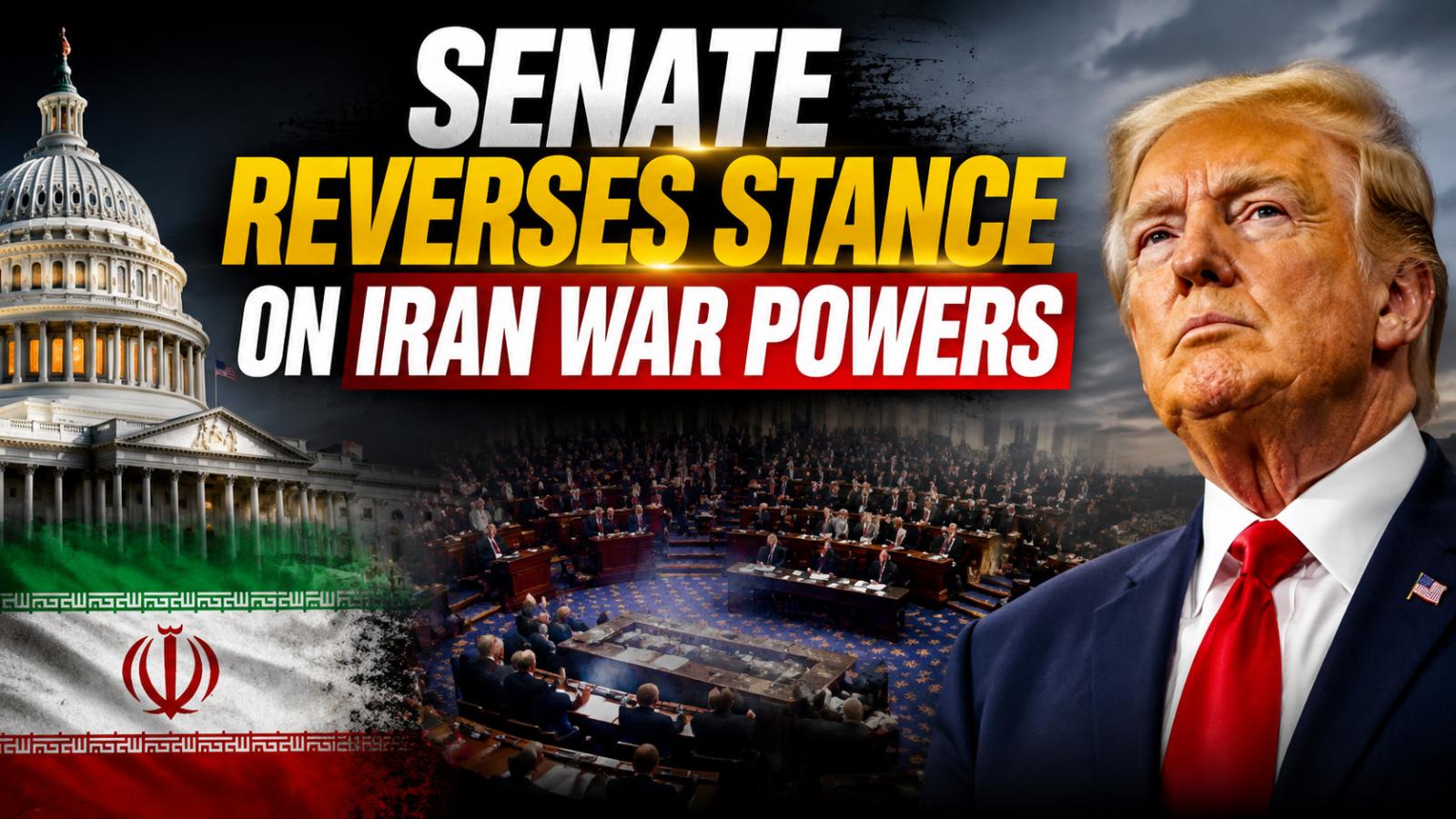
A closely watched Senate vote on a resolution linked to presidential war authority over Iran took an unexpected turn after several Republican lawmakers altered their positions. The measure, which focused on limiting executive flexibility in military action, ended up reflecting a divided but shifting political landscape rather than a clear consensus. Political negotiations behind the scenes The change in voting pattern followed internal discussions among Republican senators and briefings from senior administration figures. Lawmakers who initially leaned toward restricting presidential authority later adjusted their stance after being updated on diplomatic and security considerations related to Iran. The shift underscored how quickly positions can move when strategic briefings and party pressure converge. Key senators adjust positions Among those influencing the outcome were Senator Bill Cassidy and Senator Rand Paul. Cassidy moved away from his earlier support for tighter restrictions after consultations with White House representatives. Rand Paul maintained his broader skepticism toward expansive executive war powers but opted for a procedural position that reflected his long-standing policy concerns without directly blocking the measure. Trump frames outcome as political leverage President Donald Trump responded to the Senate outcome by framing it as a strengthening of US negotiating leverage in relation to Iran. His public remarks highlighted the vote as evidence of alignment within the Republican Party on foreign policy strategy. While the resolution itself remains largely symbolic, it has become a focal point in the wider debate over presidential authority and congressional oversight. Broader implications for US foreign policy The vote shift reflects ongoing tension in Washington over how much autonomy the executive branch should hold in matters of military engagement. Supporters of stronger presidential powers argue for flexibility in fast-moving geopolitical situations, while critics warn against reducing congressional oversight. The Iran-related vote has now become another reference point in that broader constitutional debate.
US Senate reverses stance on Iran war powers resolution
A closely watched Senate vote on a resolution linked to presidential war authority over Iran took an unexpected turn after several Republican lawmakers altered their positions. The measure, which focused on limiting executive flexibility in military action, ended up reflecting a divided but shifting political landscape rather than a clear consensus. Political negotiations behind the scenes The change in voting pattern followed internal discussions among Republican senators and briefings from senior administration figures. Lawmakers who initially leaned toward restricting presidential authority later adjusted their stance after being updated on diplomatic and security considerations related to Iran. The shift underscored how quickly positions can move when strategic briefings and party pressure converge. Key senators adjust positions Among those influencing the outcome were Senator Bill Cassidy and Senator Rand Paul. Cassidy moved away from his earlier support for tighter restrictions after consultations with White House representatives. Rand Paul maintained his broader skepticism toward expansive executive war powers but opted for a procedural position that reflected his long-standing policy concerns without directly blocking the measure. Trump frames outcome as political leverage President Donald Trump responded to the Senate outcome by framing it as a strengthening of US negotiating leverage in relation to Iran. His public remarks highlighted the vote as evidence of alignment within the Republican Party on foreign policy strategy. While the resolution itself remains largely symbolic, it has become a focal point in the wider debate over presidential authority and congressional oversight. Broader implications for US foreign policy The vote shift reflects ongoing tension in Washington over how much autonomy the executive branch should hold in matters of military engagement. Supporters of stronger presidential powers argue for flexibility in fast-moving geopolitical situations, while critics warn against reducing congressional oversight. The Iran-related vote has now become another reference point in that broader constitutional debate.
Trump signals softer tone on Zelensky amid Ukraine war shift
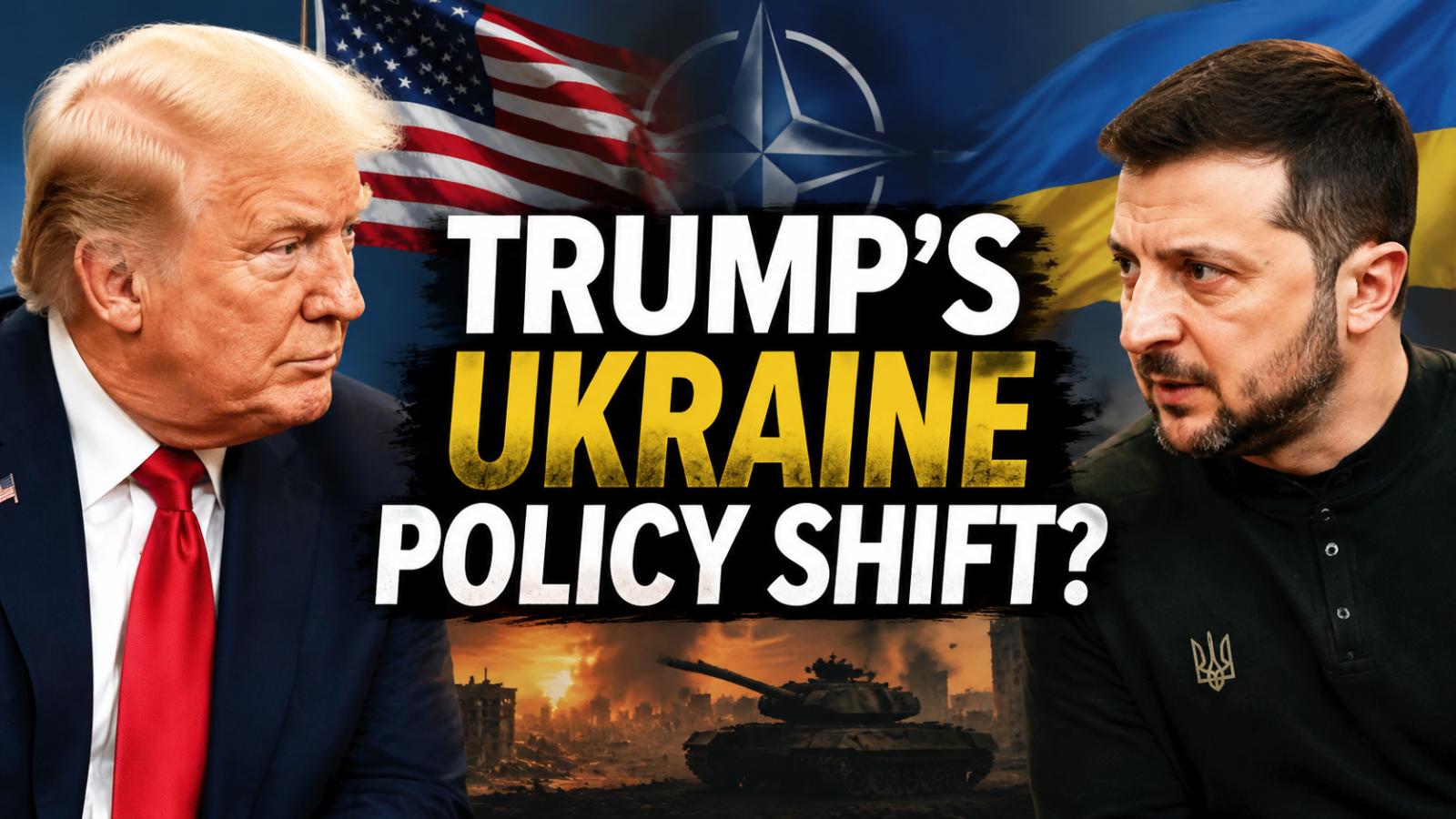
US President Donald Trump has recently shown a more measured tone when speaking about Ukrainian President Volodymyr Zelensky. During a public engagement alongside NATO leadership, Trump acknowledged Ukraine’s continued resistance in the war, describing its position as steady despite ongoing conflict. The comments mark a shift in tone compared to his earlier criticism and reflect a more cautious diplomatic posture from Washington. G7 coordination shapes US approach Recent discussions among G7 member nations have contributed to renewed alignment on Russia-related sanctions and energy strategy. Allied countries have been pushing for tighter coordination on restricting oil revenues linked to Moscow. This collective pressure has influenced US policy thinking, encouraging a more structured approach rather than isolated action. The focus remains on balancing economic pressure with long-term stability in global energy markets. Battlefield situation influences political messaging Developments on the ground in Ukraine continue to play a key role in shaping international responses. Reports of Ukraine expanding its operational reach and sustaining defensive positions have strengthened its bargaining position in diplomatic discussions. These battlefield realities are increasingly reflected in political messaging, as Western leaders reassess how the conflict may evolve over time. Energy markets and global risks remain central Global energy stability remains a key factor in foreign policy decisions. Earlier concerns linked to Middle East tensions and potential disruptions in key shipping routes had raised oil market uncertainty. As conditions show signs of stabilisation, policymakers are gaining more room to consider stricter measures on Russian energy exports without immediate economic disruption. Diplomatic outlook remains uncertain Despite continued international engagement, progress toward direct peace negotiations between Russia and Ukraine remains limited. Positions on territorial control and security guarantees continue to block meaningful breakthroughs. While diplomatic channels remain open, there is no clear indication of a near-term resolution. The current US approach reflects a balance between maintaining pressure and keeping space for future negotiations.
Trump signals softer tone on Zelensky amid Ukraine war shift
US President Donald Trump has recently shown a more measured tone when speaking about Ukrainian President Volodymyr Zelensky. During a public engagement alongside NATO leadership, Trump acknowledged Ukraine’s continued resistance in the war, describing its position as steady despite ongoing conflict. The comments mark a shift in tone compared to his earlier criticism and reflect a more cautious diplomatic posture from Washington. G7 coordination shapes US approach Recent discussions among G7 member nations have contributed to renewed alignment on Russia-related sanctions and energy strategy. Allied countries have been pushing for tighter coordination on restricting oil revenues linked to Moscow. This collective pressure has influenced US policy thinking, encouraging a more structured approach rather than isolated action. The focus remains on balancing economic pressure with long-term stability in global energy markets. Battlefield situation influences political messaging Developments on the ground in Ukraine continue to play a key role in shaping international responses. Reports of Ukraine expanding its operational reach and sustaining defensive positions have strengthened its bargaining position in diplomatic discussions. These battlefield realities are increasingly reflected in political messaging, as Western leaders reassess how the conflict may evolve over time. Energy markets and global risks remain central Global energy stability remains a key factor in foreign policy decisions. Earlier concerns linked to Middle East tensions and potential disruptions in key shipping routes had raised oil market uncertainty. As conditions show signs of stabilisation, policymakers are gaining more room to consider stricter measures on Russian energy exports without immediate economic disruption. Diplomatic outlook remains uncertain Despite continued international engagement, progress toward direct peace negotiations between Russia and Ukraine remains limited. Positions on territorial control and security guarantees continue to block meaningful breakthroughs. While diplomatic channels remain open, there is no clear indication of a near-term resolution. The current US approach reflects a balance between maintaining pressure and keeping space for future negotiations.
US Senate votes 50-48 to limit Iran conflict authority
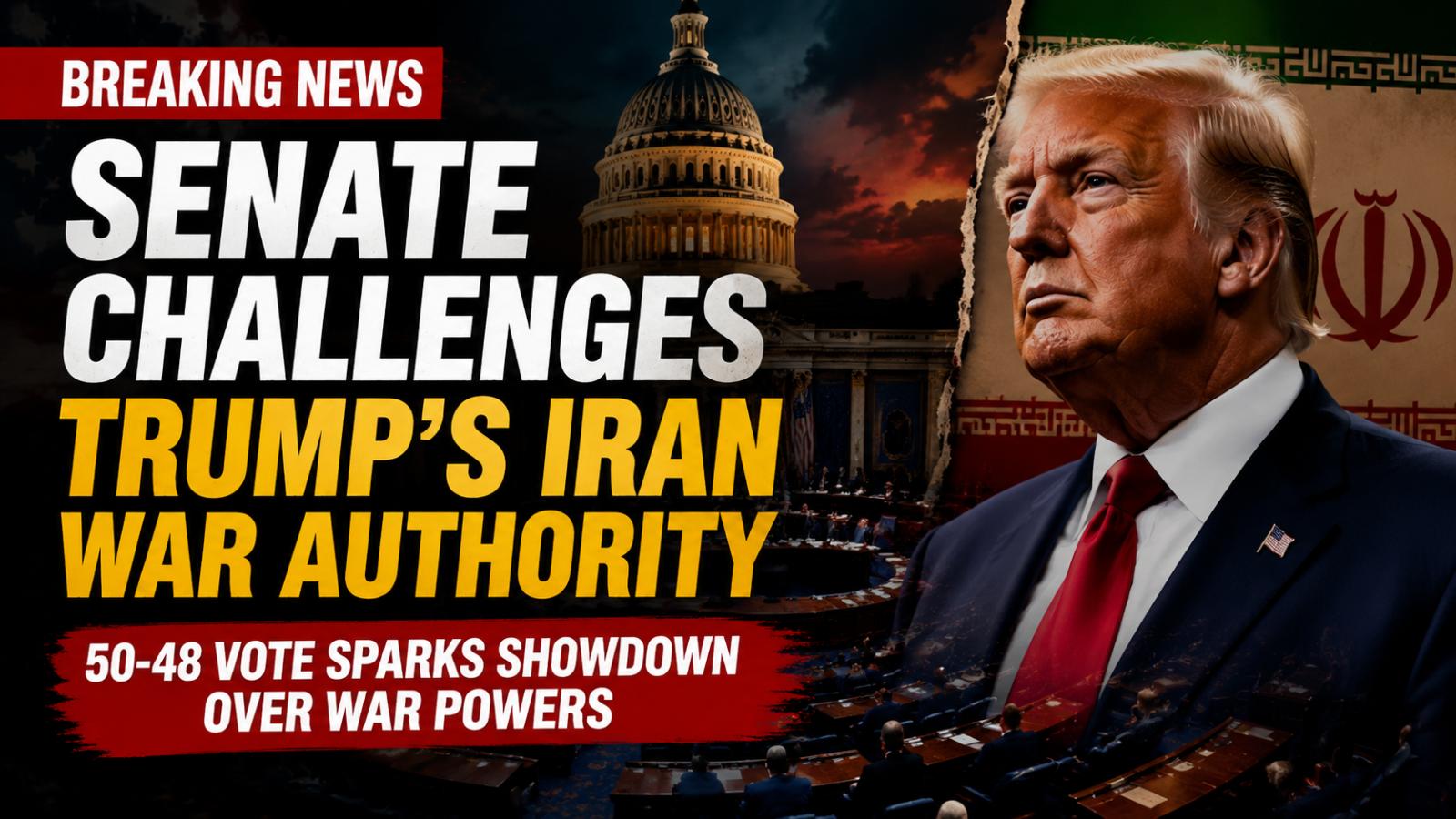
Senate challenges executive war authority The US Senate has approved a resolution opposing continued military involvement tied to Iran, signaling widening friction between Congress and the executive branch over war powers. The measure passed narrowly at 50–48 and had already cleared the House, reflecting rare bipartisan concern over the direction of US military engagement in the region. Although the resol
US Senate votes 50-48 to limit Iran conflict authority
Senate challenges executive war authority The US Senate has approved a resolution opposing continued military involvement tied to Iran, signaling widening friction between Congress and the executive branch over war powers. The measure passed narrowly at 50–48 and had already cleared the House, reflecting rare bipartisan concern over the direction of US military engagement in the region. Although the resol
Iran–US talks stall as Lebanon crisis deepens over Hezbollah role
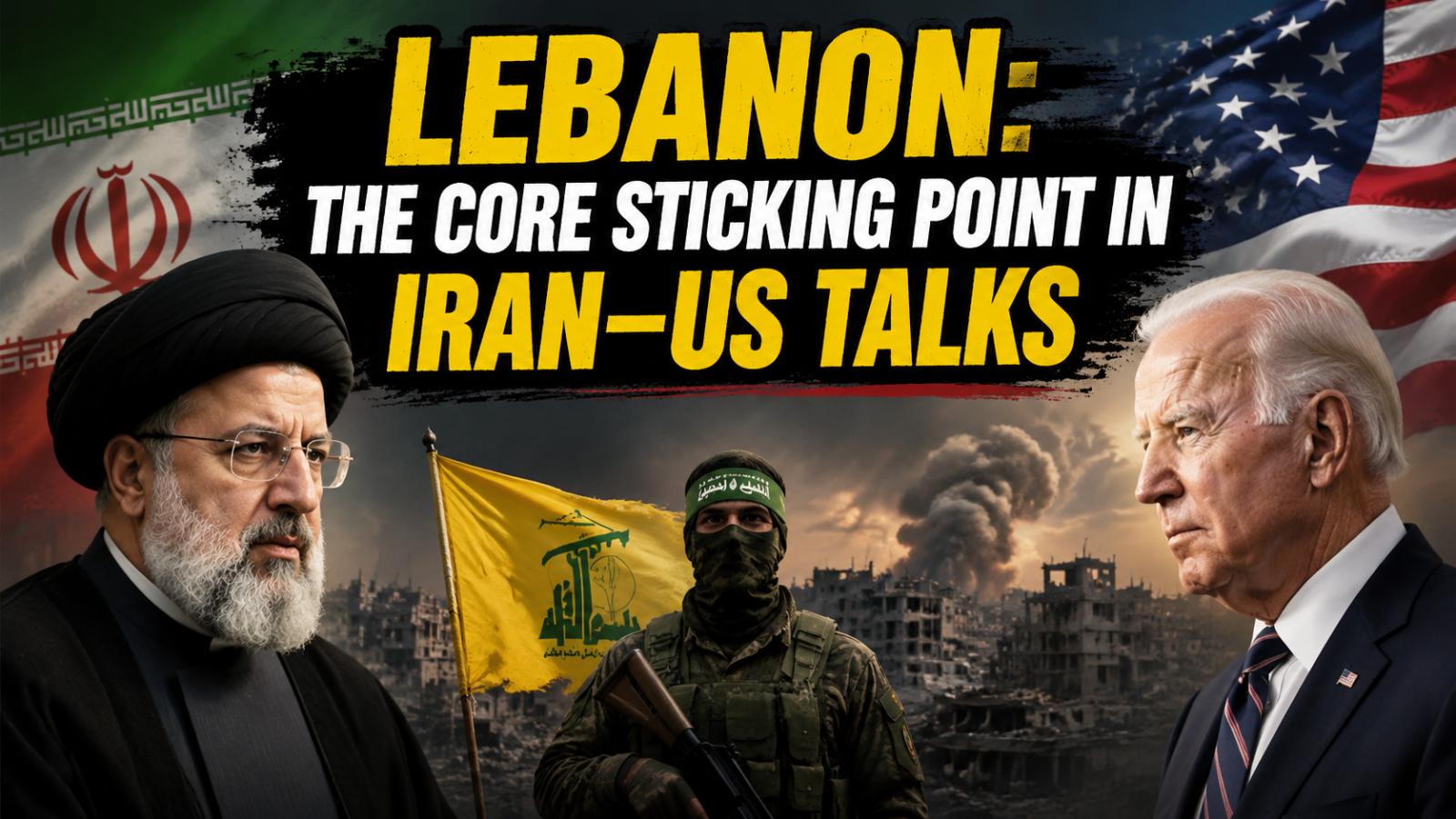
Negotiations between Iran and the United States are increasingly being shaped by events in Lebanon, where Hezbollah’s presence has turned a local conflict into a regional negotiation barrier. What was once a narrow security issue has evolved into a wider political and military deadlock involving multiple state and non-state actors. Hezbollah’s dual structure complicates negotiations Hezbolla
Iran–US talks stall as Lebanon crisis deepens over Hezbollah role
Negotiations between Iran and the United States are increasingly being shaped by events in Lebanon, where Hezbollah’s presence has turned a local conflict into a regional negotiation barrier. What was once a narrow security issue has evolved into a wider political and military deadlock involving multiple state and non-state actors. Hezbollah’s dual structure complicates negotiations Hezbolla
U.S.-Iran War Cost Americans $132 Billion as Peace Talks Begin
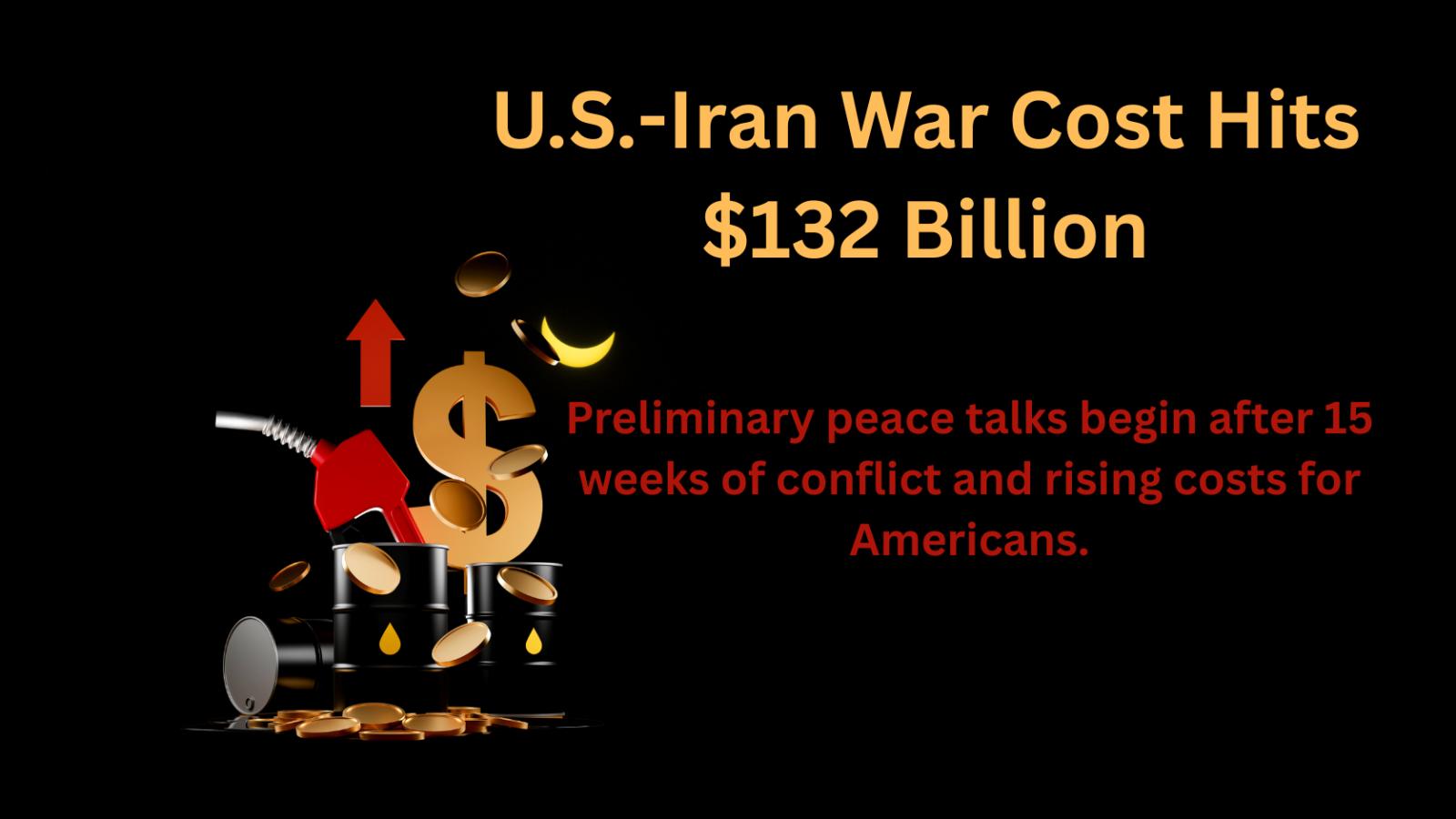
The U.S.-Iran war cost Americans an estimated $132 billion before a preliminary agreement opened a 60-day negotiation period, according to Moody’s Analytics. The framework was announced on Monday, June 15, 2026. President Donald Trump and Iranian President Masoud Pezeshkian signed the interim accord in France on Wednesday, June 17, 2026. The agreement pauses hostilities but is not a final peace treaty. How the U.S.-Iran War Cost Americans $132 Billion
U.S.-Iran War Cost Americans $132 Billion as Peace Talks Begin
The U.S.-Iran war cost Americans an estimated $132 billion before a preliminary agreement opened a 60-day negotiation period, according to Moody’s Analytics. The framework was announced on Monday, June 15, 2026. President Donald Trump and Iranian President Masoud Pezeshkian signed the interim accord in France on Wednesday, June 17, 2026. The agreement pauses hostilities but is not a final peace treaty. How the U.S.-Iran War Cost Americans $132 Billion
US President Open to Meeting Iran’s Mojtaba Amid Tensions
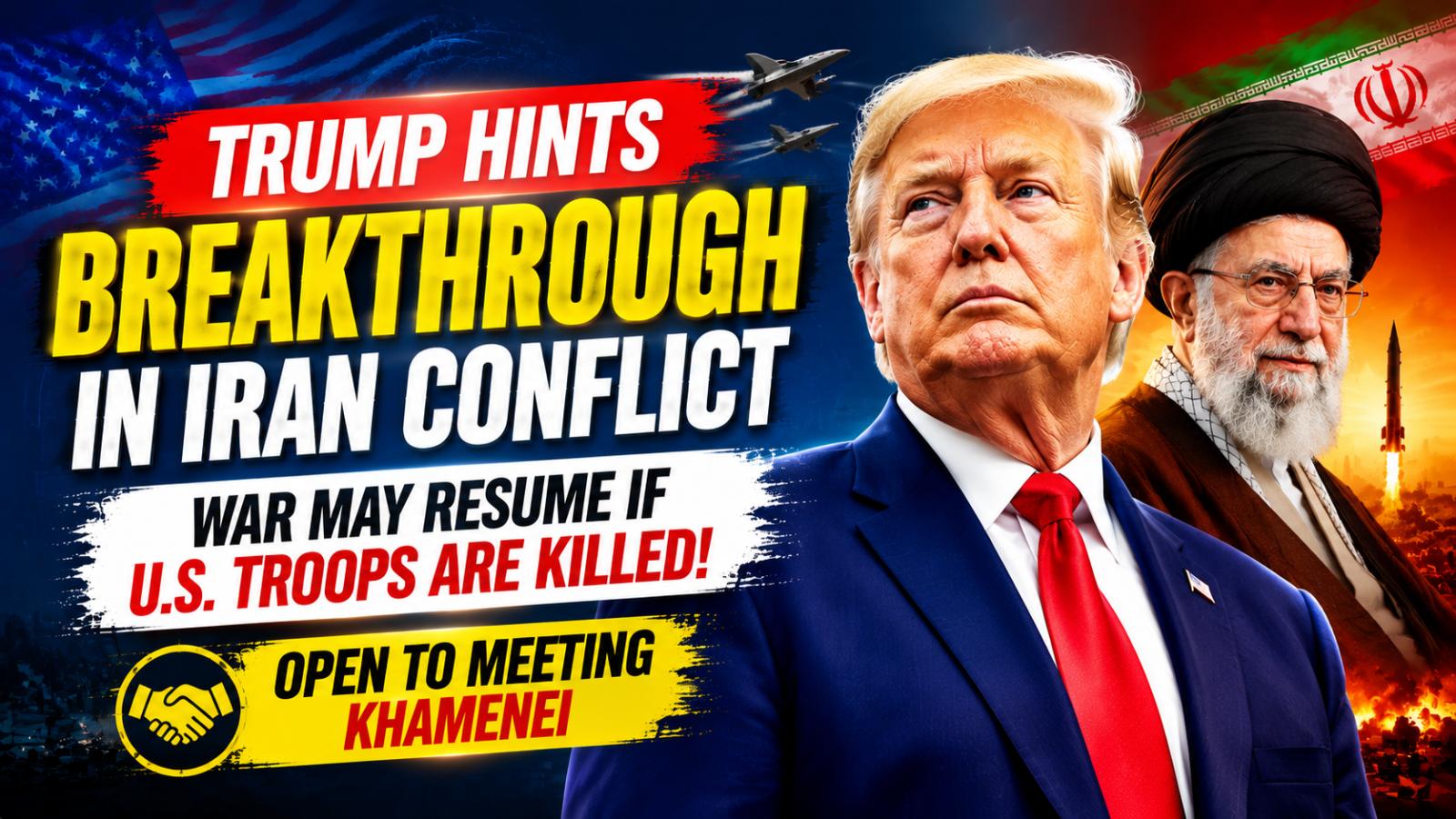
Trump Hints at Potential Iran Conflict US President Donald Trump on Thursday, June 5, indicated that breakthroughs in the Iran conflict might be near but warned that the killing of American troops would constitute a red line potentially restarting the war. Speaking from the Oval Office, Trump said he could meet Iran’s Mojtaba Khamenei under a diplomatic agreement, despite tensions between Washington and Te
US President Open to Meeting Iran’s Mojtaba Amid Tensions
Trump Hints at Potential Iran Conflict US President Donald Trump on Thursday, June 5, indicated that breakthroughs in the Iran conflict might be near but warned that the killing of American troops would constitute a red line potentially restarting the war. Speaking from the Oval Office, Trump said he could meet Iran’s Mojtaba Khamenei under a diplomatic agreement, despite tensions between Washington and Te
US House Votes to End Iran War Amid Trump Tensions
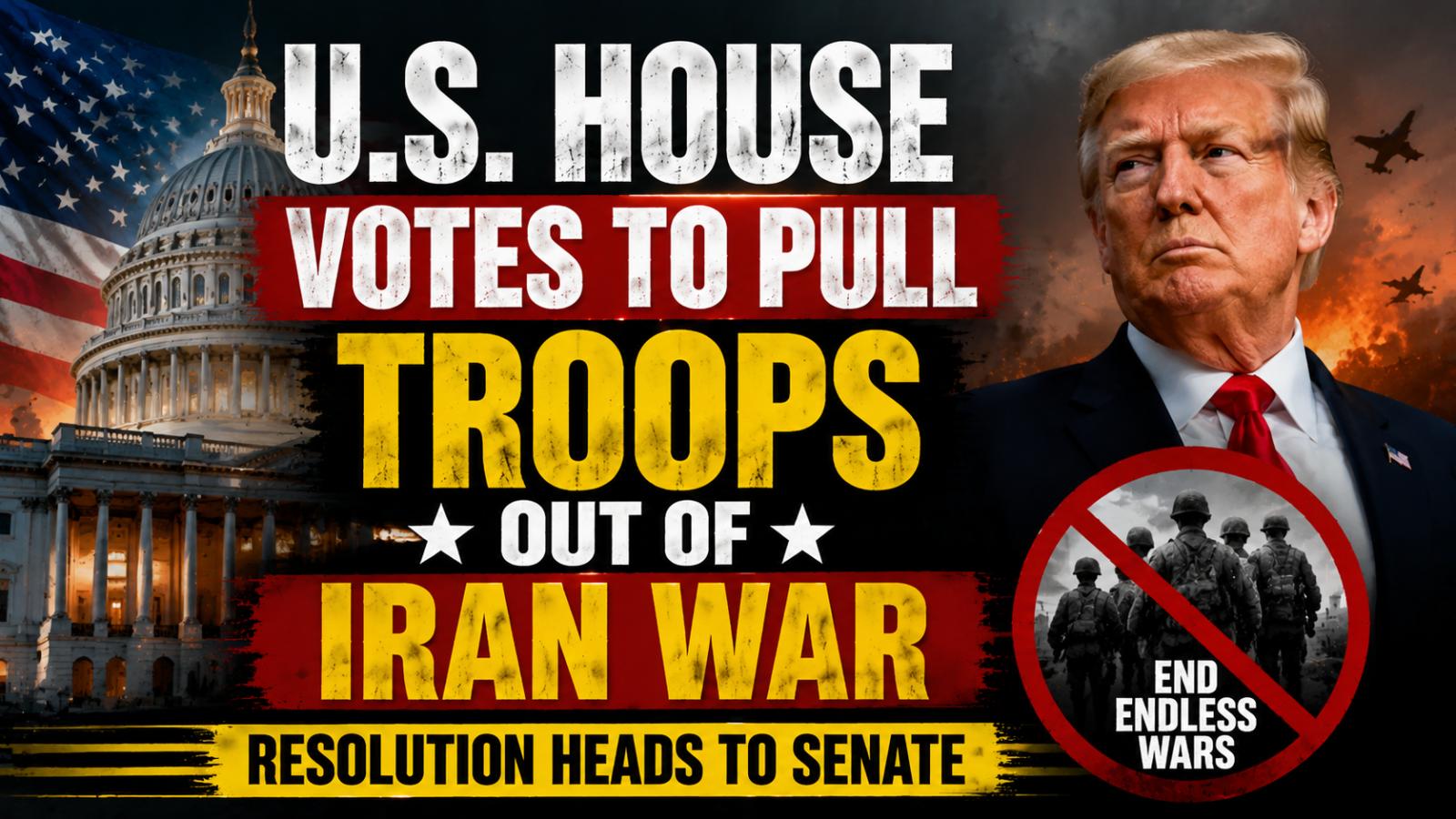
US House Approves Resolution to End Iran War The US House of Representatives on Wednesday, June 4, passed a resolution ordering the withdrawal of American troops from Iran, marking a rare bipartisan move in the Republican-controlled chamber. Four Republican members joined Democrats in backing the measure, which passed 215-208 and now moves to the Senate for debate. The resolution, part of the War Powers Resolution framework, seeks t
US House Votes to End Iran War Amid Trump Tensions
US House Approves Resolution to End Iran War The US House of Representatives on Wednesday, June 4, passed a resolution ordering the withdrawal of American troops from Iran, marking a rare bipartisan move in the Republican-controlled chamber. Four Republican members joined Democrats in backing the measure, which passed 215-208 and now moves to the Senate for debate. The resolution, part of the War Powers Resolution framework, seeks t
US War Secretary Assures Readiness Against Iran
Hegseth Affirms U.S. Military Readiness US Secretary of War Pete Hegseth on Saturday, May 30, dismissed concerns over the United States’ military preparedness, asserting that the country remains fully capable of launching fresh operations against Iran if necessary. Speaking at the annual Shangri-La Dialogue security summit in Singapore, Hegseth emphasized the US military’s ability to res
US War Secretary Assures Readiness Against Iran
Hegseth Affirms U.S. Military Readiness US Secretary of War Pete Hegseth on Saturday, May 30, dismissed concerns over the United States’ military preparedness, asserting that the country remains fully capable of launching fresh operations against Iran if necessary. Speaking at the annual Shangri-La Dialogue security summit in Singapore, Hegseth emphasized the US military’s ability to res
Senate Votes To Limit Trump’s Military Action in Iran
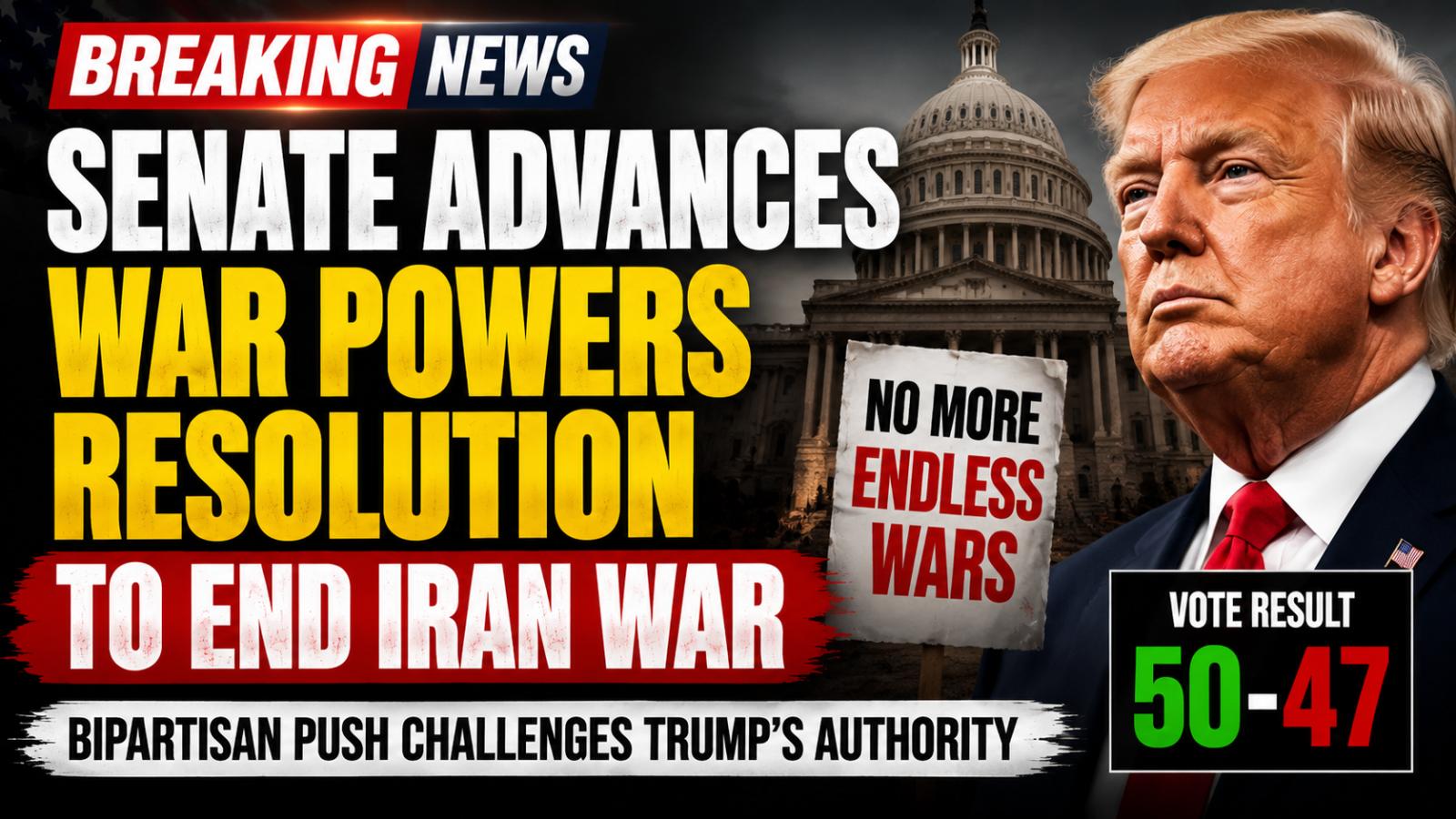
Senate Votes To Advance War Powers Resolution On Tuesday, May 19, the US Senate voted 50-47 to advance a war powers resolution that seeks to compel President Donald Trump to end military operations in Iran unless Congress authorizes continuation. This procedural victory marks the first time a resolution of this type has progressed after seven previous failed attempts since the conflict began in February. Four Republicans joi
Senate Votes To Limit Trump’s Military Action in Iran
Senate Votes To Advance War Powers Resolution On Tuesday, May 19, the US Senate voted 50-47 to advance a war powers resolution that seeks to compel President Donald Trump to end military operations in Iran unless Congress authorizes continuation. This procedural victory marks the first time a resolution of this type has progressed after seven previous failed attempts since the conflict began in February. Four Republicans joi
US Military Investigation Nears End On Minab School Strike in Iran
US Military Investigation Nears Completion The US military investigation into the Minab school strike in Iran is nearing its final stages, officials said. The February 28 strike targeted a girls’ school in southern Minab, which Iranian authorities claim resulted in over 175 deaths among students and teachers. Admiral Brad Cooper told the US House committee that the investigation has been complex due to t
US Military Investigation Nears End On Minab School Strike in Iran
US Military Investigation Nears Completion The US military investigation into the Minab school strike in Iran is nearing its final stages, officials said. The February 28 strike targeted a girls’ school in southern Minab, which Iranian authorities claim resulted in over 175 deaths among students and teachers. Admiral Brad Cooper told the US House committee that the investigation has been complex due to t
US-Iran Tensions Rise as Trump Signals Time is Running Out
Trump Issues Urgent Warning to Iran US President Donald Trump on May 17,2026 posted a stern warning to Iran, emphasizing that “the clock is ticking” as negotiations over nuclear stockpiles, sanctions relief, and war compensation remain deadlocked. Trump’s message, shared via Truth Social, stressed that Iran must act quickly on the peace proposal or face dire consequences.
US-Iran Tensions Rise as Trump Signals Time is Running Out
Trump Issues Urgent Warning to Iran US President Donald Trump on May 17,2026 posted a stern warning to Iran, emphasizing that “the clock is ticking” as negotiations over nuclear stockpiles, sanctions relief, and war compensation remain deadlocked. Trump’s message, shared via Truth Social, stressed that Iran must act quickly on the peace proposal or face dire consequences.
Trump Gas Tax Suspension Plan: How Much Could Drivers Save?
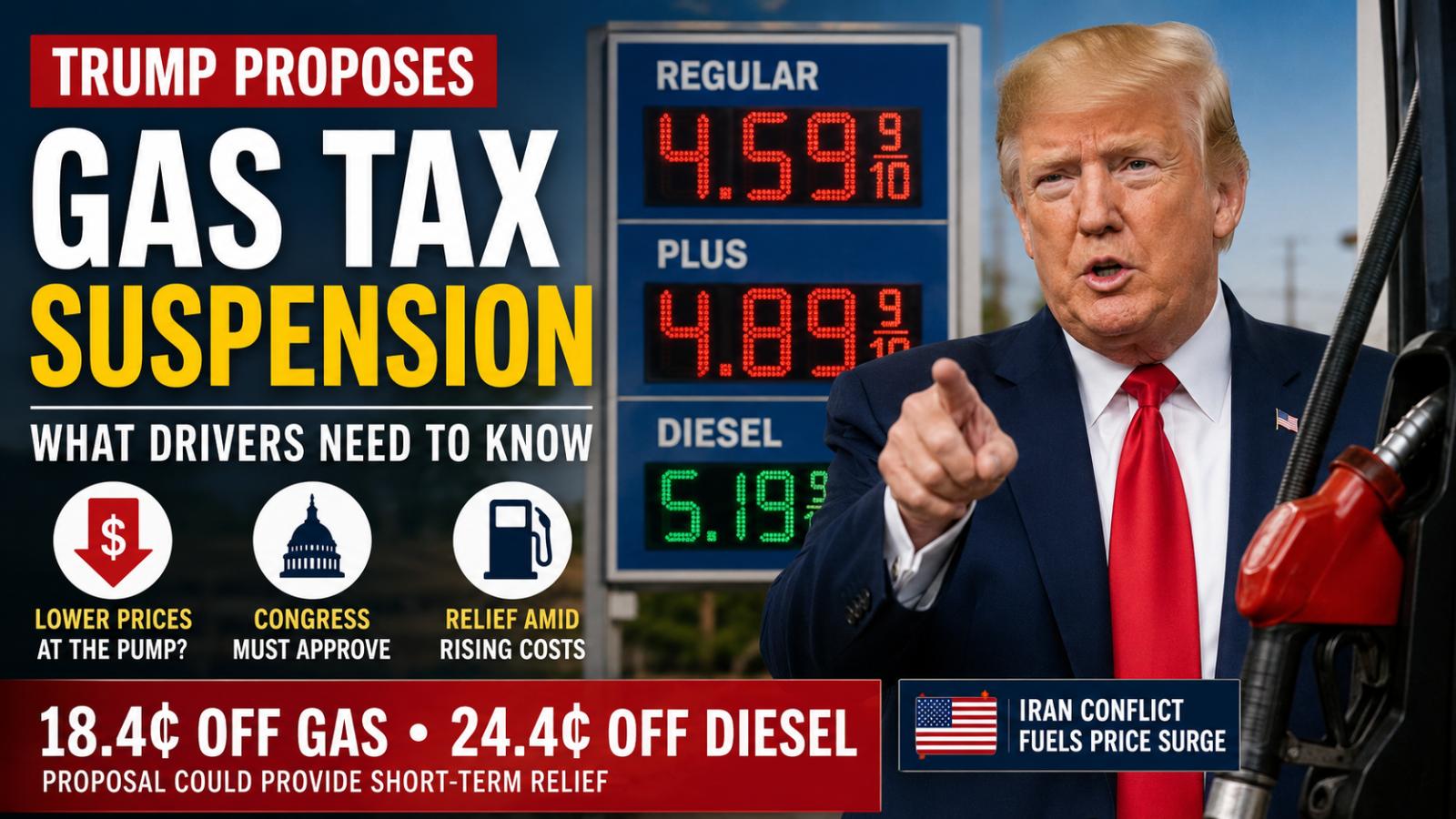
President Donald Trump is backing a temporary federal gas tax suspension as US drivers face sharply higher fuel prices linked to the Iran conflict. The proposal could cut up to 18.4 cents per gallon from gasoline and 24.4 cents per gallon from diesel, but it cannot take effect without approval from Congress. How Much Could Drivers Save? Trump said on Monday, May 11, 2026, that he wants to remove the federal gas tax “for a period of time” and restore it once prices ease. The White House has not confirmed whether formal legislation has already been sent to lawmakers. The relief would be limited compared with the wider rise in pump prices. US gasoline prices have climbed sharply since the Iran conflict intensified, leaving many households paying more for commuting, deliveries and daily transportation. Congress Holds The Key The federal gas tax helps fund highways, bridges and public transit through the Highway Trust Fund. Any suspension could give drivers short-term relief but may raise concerns over road funding. Energy Secretary Chris Wright said the administration supports steps to lower fuel costs. Some lawmakers have also backed a temporary gas tax holiday, while critics argue the savings may not fully reach consumers. For American families already dealing with inflation, even a small reduction at the pump could matter. But the plan’s real impact depends on Congress, fuel markets and whether gas stations pass the full tax cut to drivers.
Trump Gas Tax Suspension Plan: How Much Could Drivers Save?
President Donald Trump is backing a temporary federal gas tax suspension as US drivers face sharply higher fuel prices linked to the Iran conflict. The proposal could cut up to 18.4 cents per gallon from gasoline and 24.4 cents per gallon from diesel, but it cannot take effect without approval from Congress. How Much Could Drivers Save? Trump said on Monday, May 11, 2026, that he wants to remove the federal gas tax “for a period of time” and restore it once prices ease. The White House has not confirmed whether formal legislation has already been sent to lawmakers. The relief would be limited compared with the wider rise in pump prices. US gasoline prices have climbed sharply since the Iran conflict intensified, leaving many households paying more for commuting, deliveries and daily transportation. Congress Holds The Key The federal gas tax helps fund highways, bridges and public transit through the Highway Trust Fund. Any suspension could give drivers short-term relief but may raise concerns over road funding. Energy Secretary Chris Wright said the administration supports steps to lower fuel costs. Some lawmakers have also backed a temporary gas tax holiday, while critics argue the savings may not fully reach consumers. For American families already dealing with inflation, even a small reduction at the pump could matter. But the plan’s real impact depends on Congress, fuel markets and whether gas stations pass the full tax cut to drivers.
US-Iran Conflict Escalates: Why Trump Has No Clear Exit Strategy
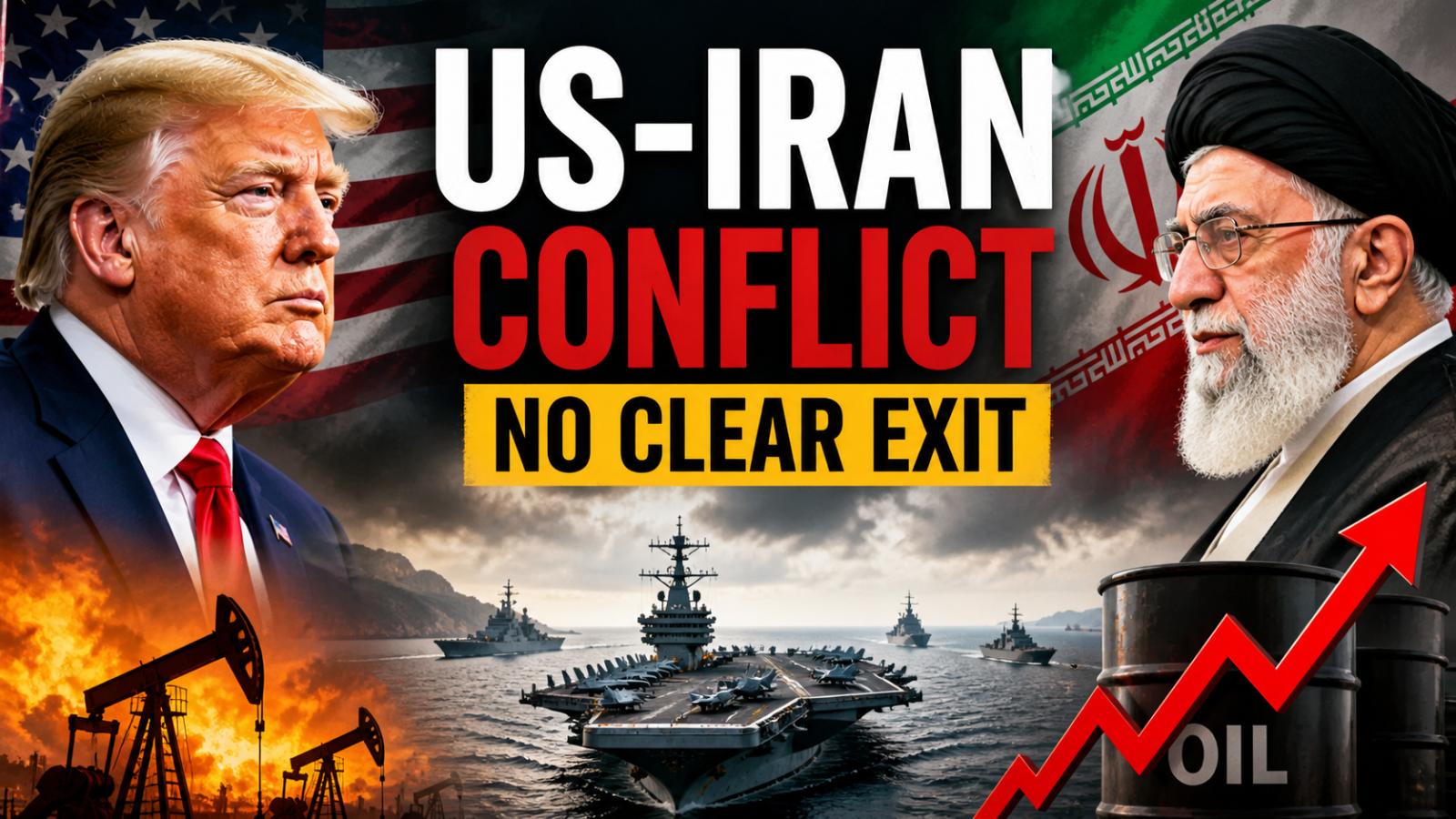
More than two months into military action against Iran, Donald Trump is facing a difficult reality: the conflict is far from over—and there’s no clear way out. What began as a show of strength has turned into a prolonged standoff, with rising global consequences. Military Gains, But No Strategic Victory The United States, alongside Israeli forces, has carried out multiple strikes targeting Iran’s
US-Iran Conflict Escalates: Why Trump Has No Clear Exit Strategy
More than two months into military action against Iran, Donald Trump is facing a difficult reality: the conflict is far from over—and there’s no clear way out. What began as a show of strength has turned into a prolonged standoff, with rising global consequences. Military Gains, But No Strategic Victory The United States, alongside Israeli forces, has carried out multiple strikes targeting Iran’s
China Rejects US Sanctions on Iranian Oil Trade, Escalating Global Energy Tensions in 2026
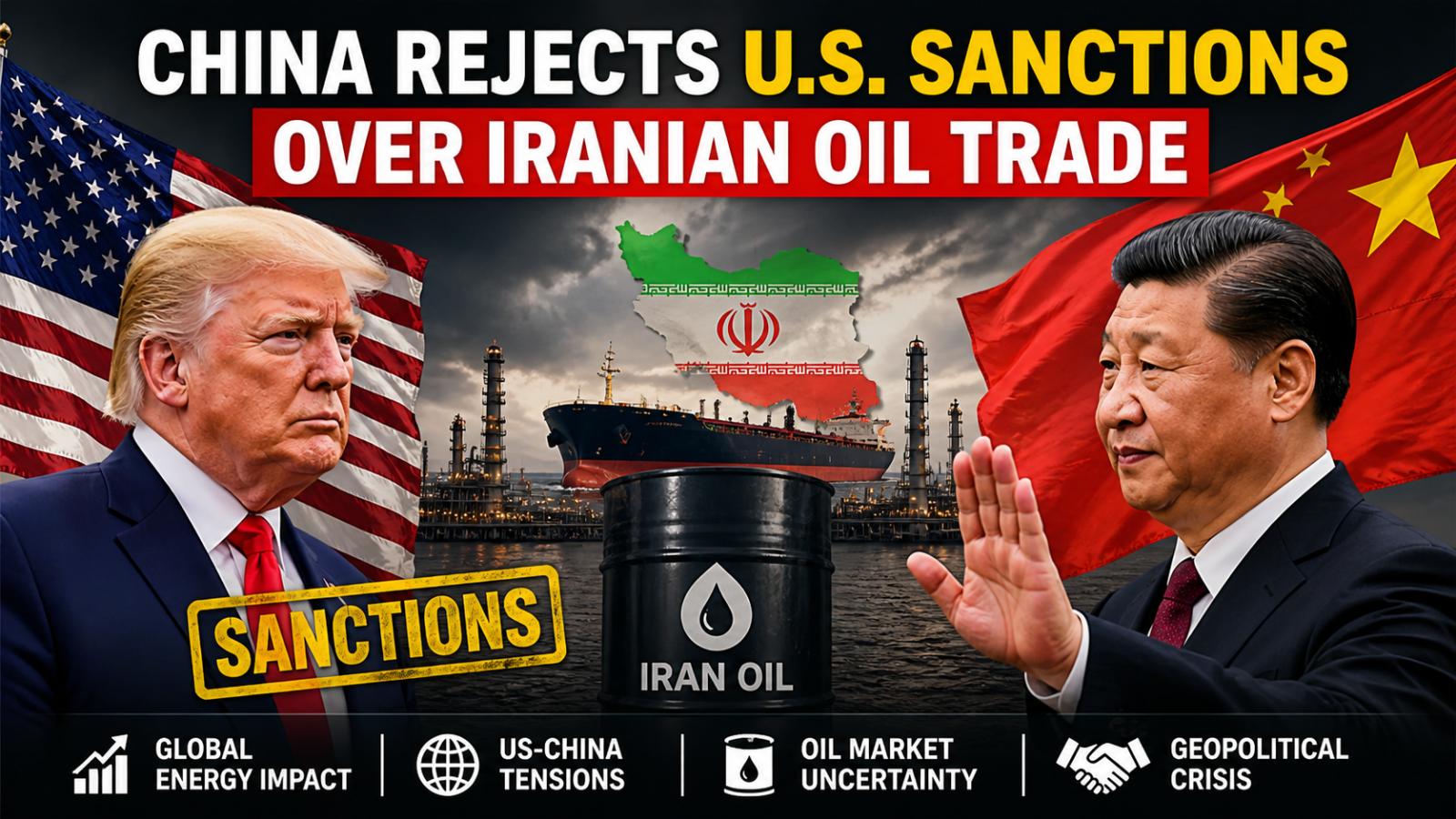
China has strongly rejected new sanctions imposed by the United States on Chinese firms accused of purchasing Iranian oil, calling the measures “unlawful” and a violation of international trade norms. The move marks a fresh escalation in tensions between China and Washington, with potential ripple effe
China Rejects US Sanctions on Iranian Oil Trade, Escalating Global Energy Tensions in 2026
China has strongly rejected new sanctions imposed by the United States on Chinese firms accused of purchasing Iranian oil, calling the measures “unlawful” and a violation of international trade norms. The move marks a fresh escalation in tensions between China and Washington, with potential ripple effe
Explosion of leftover bombs kills 14 IRGC members in northwestern Iran
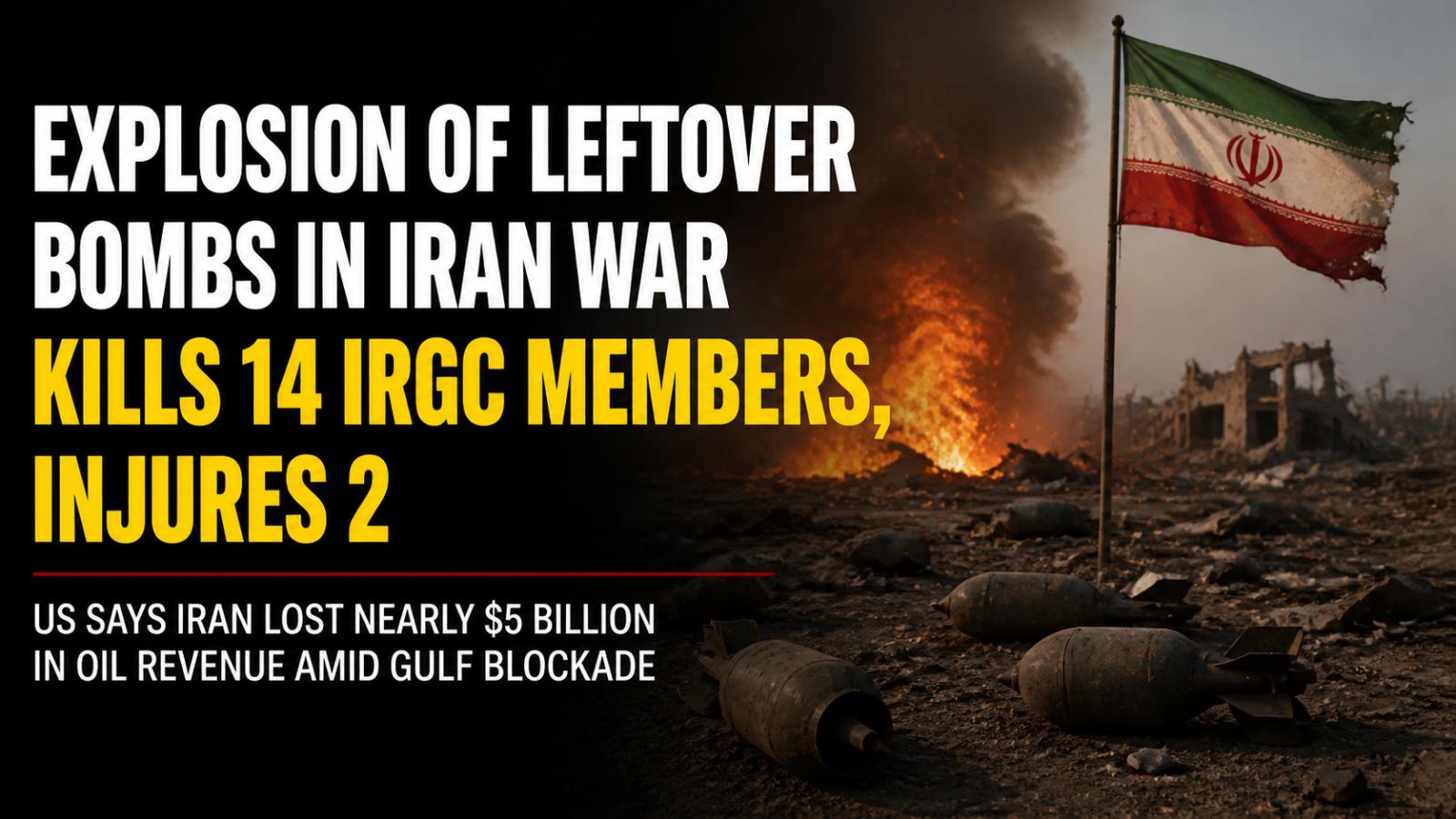
Explosion kills 14 IRGC members in northwestern Iran On Friday, May 1, 14 members of Iran's Islamic Revolutionary Guard Corps (IRGC) were killed in an explosion caused by leftover bombs from the ongoing war. The explosion took place in Zanjan Province, a region in northwestern Iran. This incident marks the largest number of casualties for the IRGC since the US-Iran ceasefi
Explosion of leftover bombs kills 14 IRGC members in northwestern Iran
Explosion kills 14 IRGC members in northwestern Iran On Friday, May 1, 14 members of Iran's Islamic Revolutionary Guard Corps (IRGC) were killed in an explosion caused by leftover bombs from the ongoing war. The explosion took place in Zanjan Province, a region in northwestern Iran. This incident marks the largest number of casualties for the IRGC since the US-Iran ceasefi
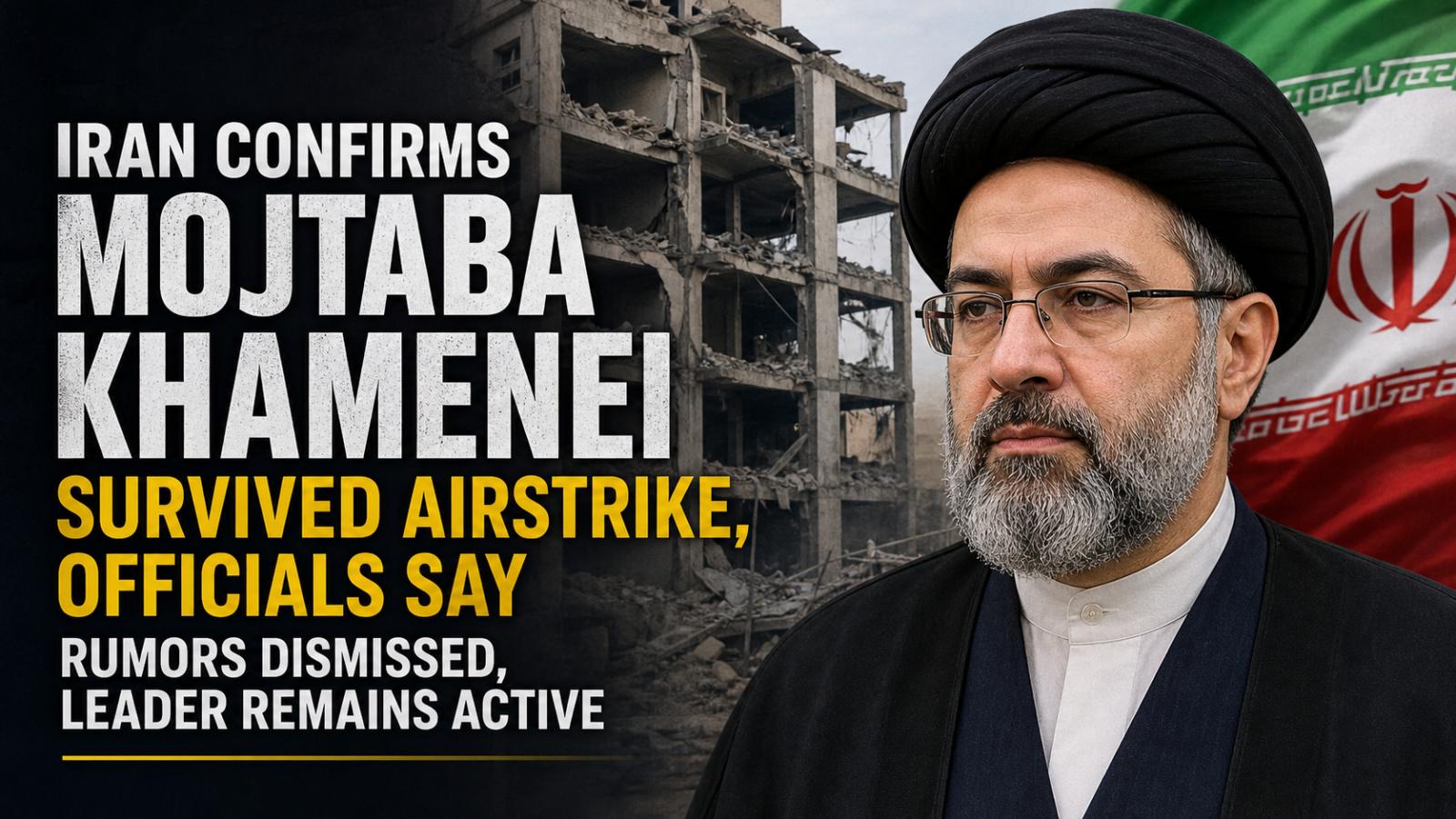
What happened to Mojtaba Khamenei during the Iran conflict? He survived an airstrike, officials say
Iranian authorities on Friday, May 1, confirmed that Mojtaba Khamenei was present in a building that was later destroyed in an airstrike during the ongoing Iran conflict, which began on February 28. Officials stated that he survived the attack and remains in active control of key state matters, while also dismissing widespread speculation about his health and absence from public appearances. Senior official details narrow escape during bombing Ayatollah Mohsen Qomi, a senior member of Iran’s Assembly of Experts and Deputy for International Affairs in the Supreme Leader’s office, said that Mojtaba Khamenei had been inside the targeted building shortly before it was struck. According to Qomi, Khamenei moved into the courtyard just minutes before the explosion, avoiding the fatal impact that reportedly killed others inside. Qomi described the survival as a matter of timing, emphasizing that the leader’s presence in the building had been confirmed but that his movement moments before the strike ultimately ensured his safety. The airstrike was part of ongoing hostilities that have escalated since late February. Officials assert leader remains in control of national affairs Despite rumors circulating internationally, Iranian officials maintained that Mojtaba Khamenei is in good health and continues to oversee both diplomatic and operational matters. Qomi stated that Khamenei is directly supervising negotiations and military-related decisions, including providing guidance to negotiating teams under varying conditions. The comments appear aimed at reinforcing internal stability and projecting continuity in leadership during a period of heightened geopolitical tension. Iranian officials emphasized that decision-making authority remains firmly centralized under Khamenei’s direction. Iran dismisses Western speculation as strategic pressure Qomi also addressed claims from Western sources regarding the leader’s health, characterizing them as deliberate attempts to provoke a response from Tehran. He suggested that questions about Khamenei’s public absence are part of a broader strategy to create uncertainty and apply psychological pressure. According to Qomi, such narratives are intended to push Iranian officials into reactive communication, which could be leveraged for strategic advantage by adversaries. Acknowledgment of injuries and focus on protection While firmly denying claims of serious health concerns, Qomi indicated that Mojtaba Khamenei may have sustained injuries during the incident. He stated that ensuring the leader’s safety has become a top priority for Iranian authorities, underscoring the importance of preserving leadership continuity amid the conflict. Officials reiterated that despite any injuries, Khamenei remains active and engaged in directing national policy, reinforcing the government’s position that leadership stability has not been compromised.
What happened to Mojtaba Khamenei during the Iran conflict? He survived an airstrike, officials say
Iranian authorities on Friday, May 1, confirmed that Mojtaba Khamenei was present in a building that was later destroyed in an airstrike during the ongoing Iran conflict, which began on February 28. Officials stated that he survived the attack and remains in active control of key state matters, while also dismissing widespread speculation about his health and absence from public appearances. Senior official details narrow escape during bombing Ayatollah Mohsen Qomi, a senior member of Iran’s Assembly of Experts and Deputy for International Affairs in the Supreme Leader’s office, said that Mojtaba Khamenei had been inside the targeted building shortly before it was struck. According to Qomi, Khamenei moved into the courtyard just minutes before the explosion, avoiding the fatal impact that reportedly killed others inside. Qomi described the survival as a matter of timing, emphasizing that the leader’s presence in the building had been confirmed but that his movement moments before the strike ultimately ensured his safety. The airstrike was part of ongoing hostilities that have escalated since late February. Officials assert leader remains in control of national affairs Despite rumors circulating internationally, Iranian officials maintained that Mojtaba Khamenei is in good health and continues to oversee both diplomatic and operational matters. Qomi stated that Khamenei is directly supervising negotiations and military-related decisions, including providing guidance to negotiating teams under varying conditions. The comments appear aimed at reinforcing internal stability and projecting continuity in leadership during a period of heightened geopolitical tension. Iranian officials emphasized that decision-making authority remains firmly centralized under Khamenei’s direction. Iran dismisses Western speculation as strategic pressure Qomi also addressed claims from Western sources regarding the leader’s health, characterizing them as deliberate attempts to provoke a response from Tehran. He suggested that questions about Khamenei’s public absence are part of a broader strategy to create uncertainty and apply psychological pressure. According to Qomi, such narratives are intended to push Iranian officials into reactive communication, which could be leveraged for strategic advantage by adversaries. Acknowledgment of injuries and focus on protection While firmly denying claims of serious health concerns, Qomi indicated that Mojtaba Khamenei may have sustained injuries during the incident. He stated that ensuring the leader’s safety has become a top priority for Iranian authorities, underscoring the importance of preserving leadership continuity amid the conflict. Officials reiterated that despite any injuries, Khamenei remains active and engaged in directing national policy, reinforcing the government’s position that leadership stability has not been compromised.
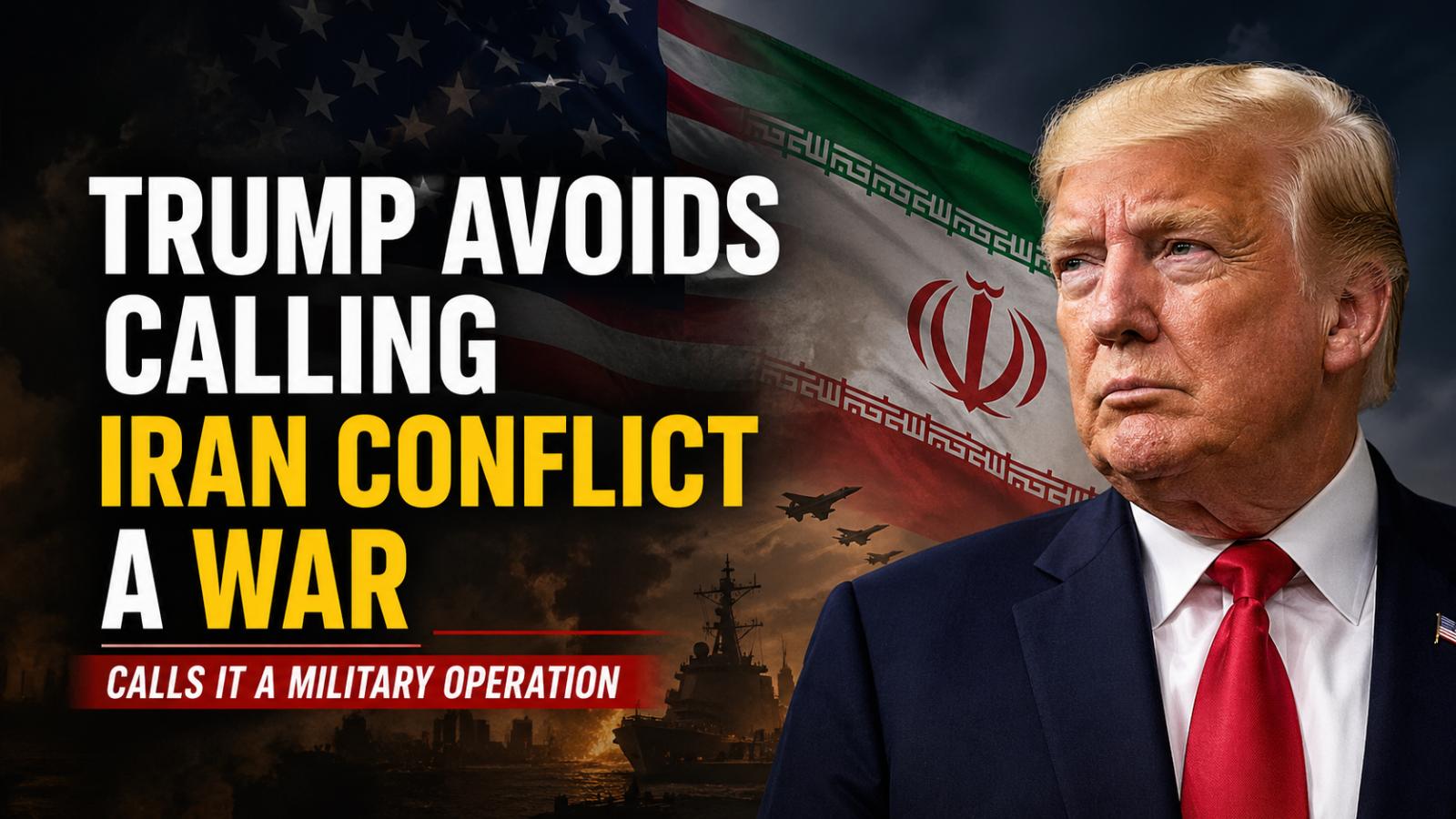
Trump shifts stance on Iran conflict, calls it a military operation
Trump redefines Iran conflict as military operation As the War Powers Resolution deadline approached on May 1, US President Donald Trump made a sharp shift in stance by stating that the ongoing Trump Iran conflict would not be labeled as a war but instead as a military operation. This move comes just days before a legal deadline that could have required congressional approval or forced the US to halt militar
Trump shifts stance on Iran conflict, calls it a military operation
Trump redefines Iran conflict as military operation As the War Powers Resolution deadline approached on May 1, US President Donald Trump made a sharp shift in stance by stating that the ongoing Trump Iran conflict would not be labeled as a war but instead as a military operation. This move comes just days before a legal deadline that could have required congressional approval or forced the US to halt militar
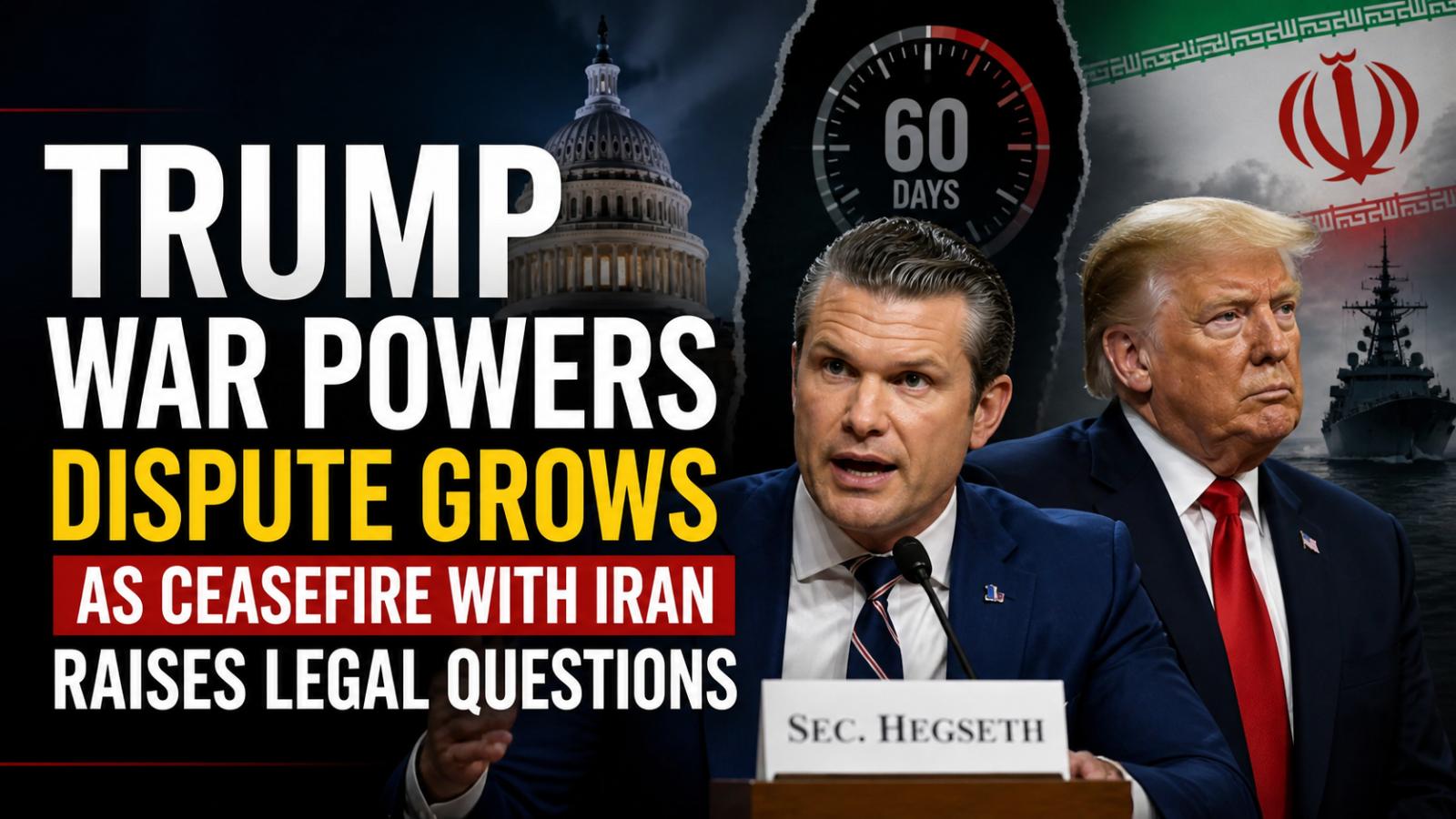
Hegseth says Iran ceasefire pauses war powers clock amid congressional concerns
The Trump war powers debate took center stage in Washington as Defense Secretary Pete Hegseth told lawmakers that a ceasefire with Iran pauses the legal clock under the War Powers Resolution, a claim that has triggered strong political and legal reactions. The dispute comes just before the 60-day deadline that typically requires the president to seek approval from Congress to continue military action, raising questions about how the law should be applied during a ceasefire. Speaking before the Senate Armed Services Committee, Hegseth argued that ongoing ceasefire conditions mean the countdown does not apply in the usual way. Under the War Powers Resolution, introduced in 1973, presidents must inform Congress within 48 hours of military action and must withdraw troops within 60 days unless lawmakers approve continued engagement. Lawmakers had expected this deadline to expire on May 1, but Hegseth’s interpretation suggests otherwise. Hegseth avoided giving a clear answer when asked if the administration of Donald Trump would seek formal authorization. Instead, he defended the administration’s actions and criticized opponents, saying that internal political disagreements weaken the country’s position. His remarks came during discussions on the Pentagon’s proposed $1.45 trillion budget, though much of the focus shifted to the Iran conflict and its legal implications. Several lawmakers from both parties expressed concern. Senator Tim Kaine warned that the situation raises serious constitutional questions, while some Republicans also indicated they may oppose continuing military operations without approval. Others supported a more flexible interpretation, especially during active negotiations or ceasefire periods. Legal experts, however, strongly rejected the argument that a ceasefire pauses the law. Analysts pointed out that US naval forces remain active in the region, including operations in the Strait of Hormuz, suggesting that hostilities have not fully stopped. Scholars emphasized that the law does not include any provision for pausing the timeline. The conflict has already had wider consequences, including rising energy prices and increased tensions in the region. Critics have also accused the administration of starting the conflict without a clear immediate threat. During the hearing, Senator Elissa Slotkin questioned whether the administration could truly claim progress while key trade routes remain unstable. The exchange grew tense at times, reflecting deep divisions over the handling of the situation. While military officials maintained a more measured tone, political leaders continued to clash over strategy, legality, and communication with the public. As the deadline passes, the debate over war powers, presidential authority, and congressional oversight is expected to intensify further.
Hegseth says Iran ceasefire pauses war powers clock amid congressional concerns
The Trump war powers debate took center stage in Washington as Defense Secretary Pete Hegseth told lawmakers that a ceasefire with Iran pauses the legal clock under the War Powers Resolution, a claim that has triggered strong political and legal reactions. The dispute comes just before the 60-day deadline that typically requires the president to seek approval from Congress to continue military action, raising questions about how the law should be applied during a ceasefire. Speaking before the Senate Armed Services Committee, Hegseth argued that ongoing ceasefire conditions mean the countdown does not apply in the usual way. Under the War Powers Resolution, introduced in 1973, presidents must inform Congress within 48 hours of military action and must withdraw troops within 60 days unless lawmakers approve continued engagement. Lawmakers had expected this deadline to expire on May 1, but Hegseth’s interpretation suggests otherwise. Hegseth avoided giving a clear answer when asked if the administration of Donald Trump would seek formal authorization. Instead, he defended the administration’s actions and criticized opponents, saying that internal political disagreements weaken the country’s position. His remarks came during discussions on the Pentagon’s proposed $1.45 trillion budget, though much of the focus shifted to the Iran conflict and its legal implications. Several lawmakers from both parties expressed concern. Senator Tim Kaine warned that the situation raises serious constitutional questions, while some Republicans also indicated they may oppose continuing military operations without approval. Others supported a more flexible interpretation, especially during active negotiations or ceasefire periods. Legal experts, however, strongly rejected the argument that a ceasefire pauses the law. Analysts pointed out that US naval forces remain active in the region, including operations in the Strait of Hormuz, suggesting that hostilities have not fully stopped. Scholars emphasized that the law does not include any provision for pausing the timeline. The conflict has already had wider consequences, including rising energy prices and increased tensions in the region. Critics have also accused the administration of starting the conflict without a clear immediate threat. During the hearing, Senator Elissa Slotkin questioned whether the administration could truly claim progress while key trade routes remain unstable. The exchange grew tense at times, reflecting deep divisions over the handling of the situation. While military officials maintained a more measured tone, political leaders continued to clash over strategy, legality, and communication with the public. As the deadline passes, the debate over war powers, presidential authority, and congressional oversight is expected to intensify further.