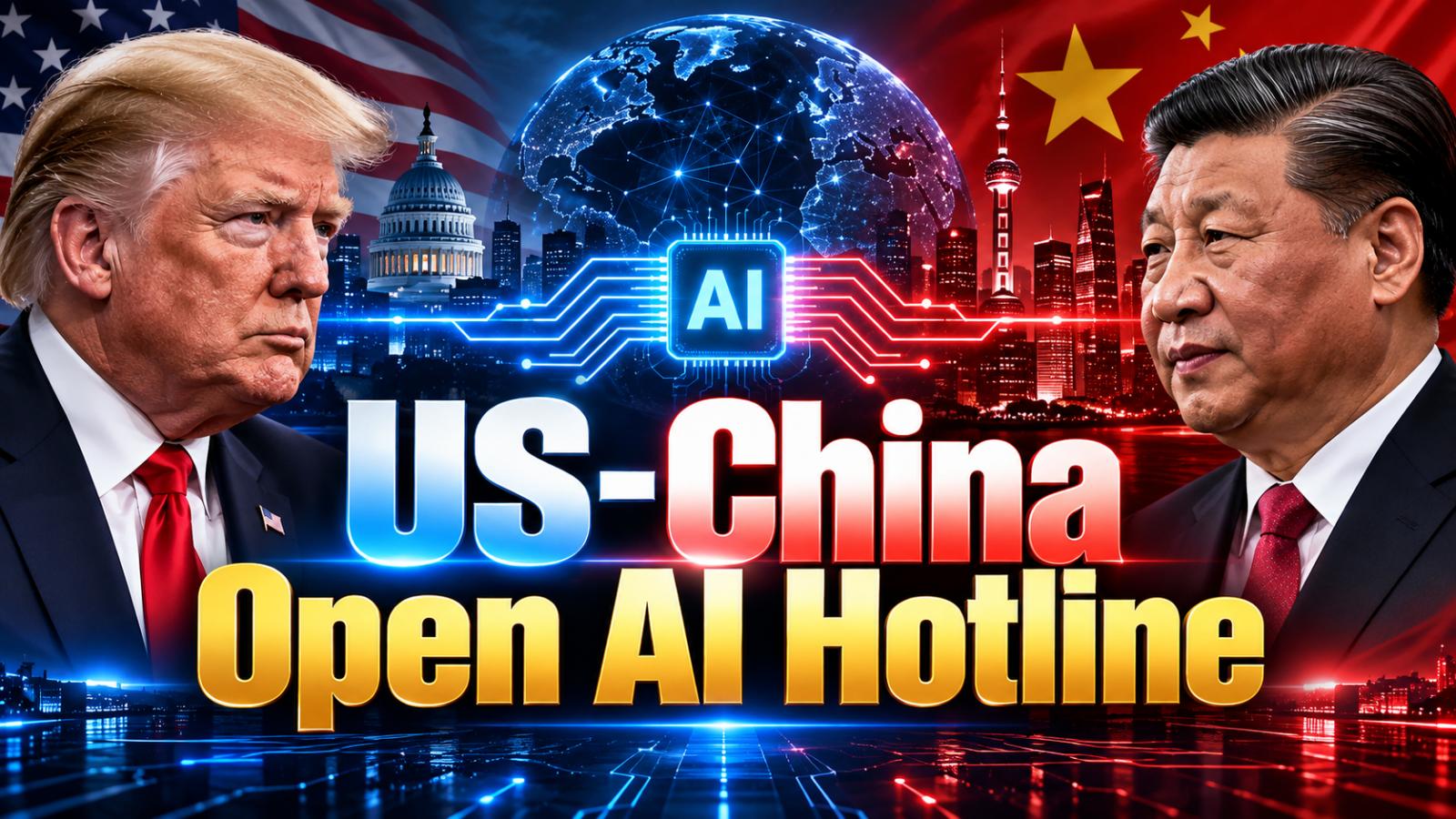
The US-China AI hotline marks a rare area of cooperation between the world’s two leading AI powers. Washington and Beijing agreed during Xi Jinping’s September visit to create a formal AI dialogue and a bilateral channel for serious incidents, with the next round of talks scheduled for November.
AI dialogue
The White House said the United States and China established a “U.S.-China Super Intelligence Dialogue” to exchange views on
The US-China AI hotline marks a rare area of cooperation between the world’s two leading AI powers. Washington and Beijing agreed during Xi Jinping’s September visit to create a formal AI dialogue and a bilateral channel for serious incidents, with the next round of talks scheduled for November.
AI dialogue
The White House said the United States and China established a “U.S.-China Super Intelligence Dialogue” to exchange views on
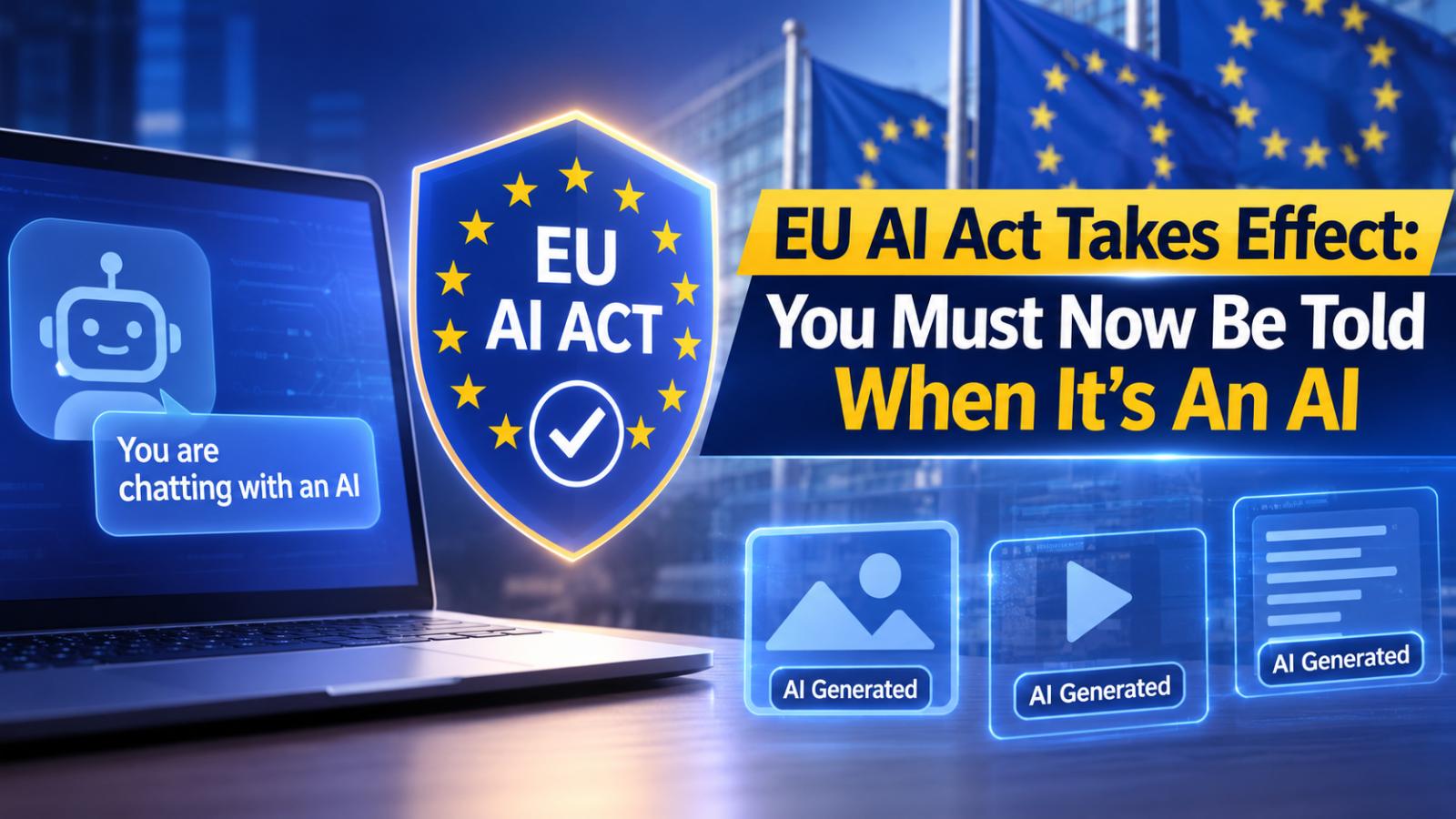
Europe has entered a new phase of artificial intelligence regulation as EU AI Act transparency rules under Article 50 began applying on August 2, 2026. The rules affect AI chatbot disclosure, AI-generated content marking, deepfake transparency and other forms of Europe AI compliance.
AI chatbot disclosure rules take effect
People interacting directly with certain AI systems in the European Unio
Europe has entered a new phase of artificial intelligence regulation as EU AI Act transparency rules under Article 50 began applying on August 2, 2026. The rules affect AI chatbot disclosure, AI-generated content marking, deepfake transparency and other forms of Europe AI compliance.
AI chatbot disclosure rules take effect
People interacting directly with certain AI systems in the European Unio
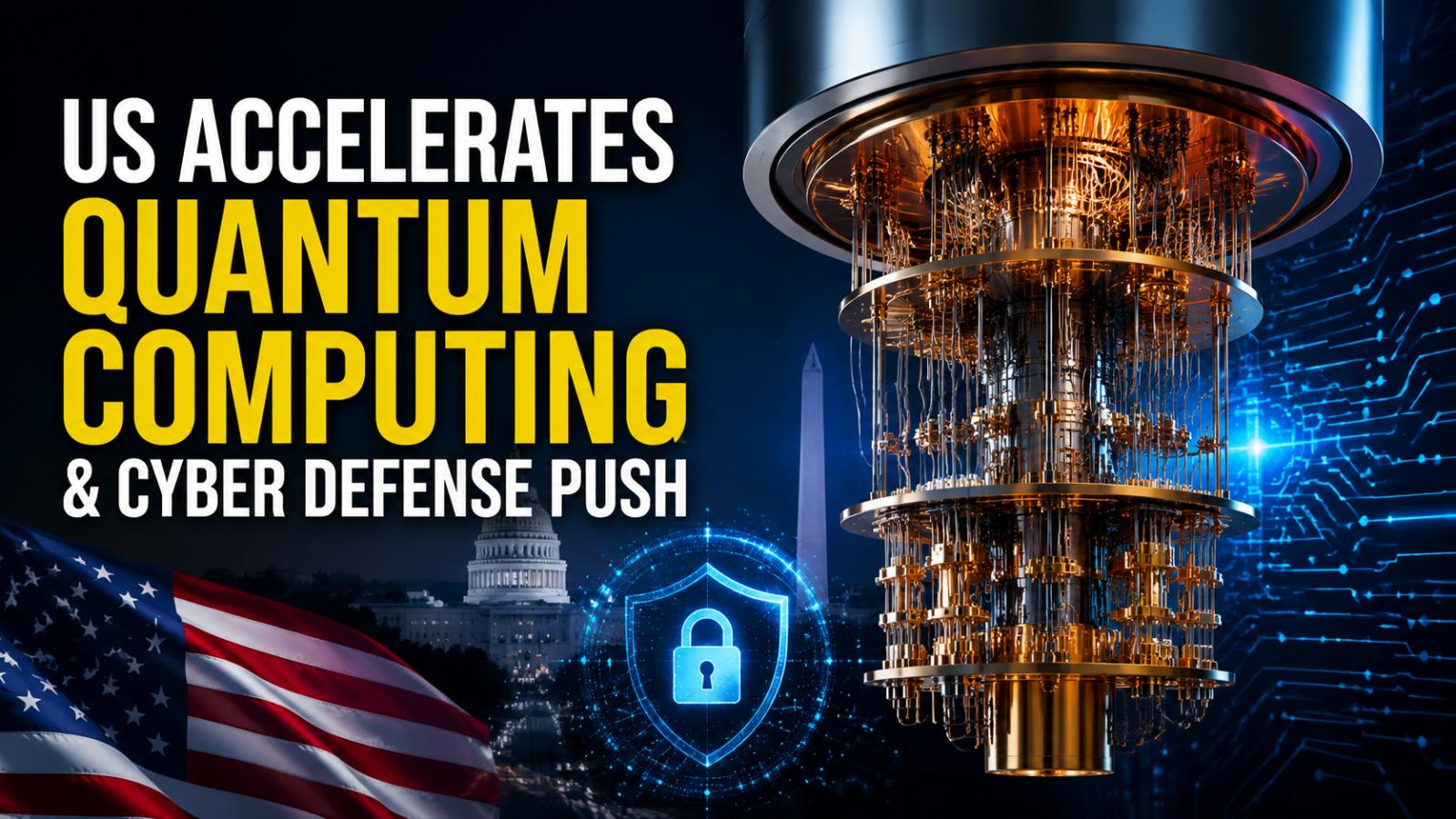
The United States is stepping up its focus on quantum computing as governments and private companies race to control the next major shift in computing power. The strategy combines research funding, national security planning, and stronger digital defense systems designed to prepare for future computational threats.
Rather than treating quantum computing as a distant research topic, policymakers are now positioning it as a strategic infrastructure priority. The direction signals a broader effort to maintain technological leadership in areas where classical computing is approaching its limits.
Big tech and government alignment
Federal agencies are increasingly coordinating with major technology companies including IBM, Microsoft, and Google, all of which are actively building experimental quantum systems. These companies are exploring how quantum processors could eventually solve complex optimization, material science, and cryptography-related problems that are currently impractical for classical machines.
The collaboration is not just scientific. It reflects a competitive global environment where control over advanced computing could influence national security, economic strength, and cybersecurity resilience.
Why qubits change the computing model
Unlike traditional computers that process data in binary form, quantum systems rely on qubits. These units can exist in multiple states simultaneously, enabling different types of computation through principles such as superposition and entanglement.
In theory, this allows quantum systems to evaluate a vast number of possibilities at once. However, real-world systems remain extremely fragile, expensive, and difficult to scale. Most current machines operate in controlled laboratory environments rather than practical deployment settings.
Cybersecurity pressure is rising
One of the biggest drivers behind quantum investment is its impact on encryption. Modern security systems depend on mathematical problems that are extremely difficult for classical computers to solve. Quantum algorithms, in the long term, could potentially break some of these systems.
This risk is pushing governments toward post-quantum cryptography standards developed by research bodies such as NIST. These new encryption models are designed to remain secure even against quantum-level computational attacks.
Long road to practical systems
Despite rapid progress, fully functional large-scale quantum computers are still years away. Challenges include error correction, stability, and hardware scaling. Researchers agree that meaningful commercial use is still in early stages.
Even so, the strategic push continues because early leadership in quantum infrastructure could determine future advantages in defense, intelligence, and advanced science applications.
The current phase is less about immediate transformation and more about positioning for a technological shift that could redefine computing over the next decade.
The United States is stepping up its focus on quantum computing as governments and private companies race to control the next major shift in computing power. The strategy combines research funding, national security planning, and stronger digital defense systems designed to prepare for future computational threats.
Rather than treating quantum computing as a distant research topic, policymakers are now positioning it as a strategic infrastructure priority. The direction signals a broader effort to maintain technological leadership in areas where classical computing is approaching its limits.
Big tech and government alignment
Federal agencies are increasingly coordinating with major technology companies including IBM, Microsoft, and Google, all of which are actively building experimental quantum systems. These companies are exploring how quantum processors could eventually solve complex optimization, material science, and cryptography-related problems that are currently impractical for classical machines.
The collaboration is not just scientific. It reflects a competitive global environment where control over advanced computing could influence national security, economic strength, and cybersecurity resilience.
Why qubits change the computing model
Unlike traditional computers that process data in binary form, quantum systems rely on qubits. These units can exist in multiple states simultaneously, enabling different types of computation through principles such as superposition and entanglement.
In theory, this allows quantum systems to evaluate a vast number of possibilities at once. However, real-world systems remain extremely fragile, expensive, and difficult to scale. Most current machines operate in controlled laboratory environments rather than practical deployment settings.
Cybersecurity pressure is rising
One of the biggest drivers behind quantum investment is its impact on encryption. Modern security systems depend on mathematical problems that are extremely difficult for classical computers to solve. Quantum algorithms, in the long term, could potentially break some of these systems.
This risk is pushing governments toward post-quantum cryptography standards developed by research bodies such as NIST. These new encryption models are designed to remain secure even against quantum-level computational attacks.
Long road to practical systems
Despite rapid progress, fully functional large-scale quantum computers are still years away. Challenges include error correction, stability, and hardware scaling. Researchers agree that meaningful commercial use is still in early stages.
Even so, the strategic push continues because early leadership in quantum infrastructure could determine future advantages in defense, intelligence, and advanced science applications.
The current phase is less about immediate transformation and more about positioning for a technological shift that could redefine computing over the next decade.
What is Manus AI and why did China block its sale to Meta? Strategic concerns explained Manus AI, a fast-rising artificial intelligence startup, has become the center of a geopolitical standoff after Chinese regulators blocked its proposed acquisition by Meta, underscoring intensifying competition in the global AI race between the United States and China.
China intervenes to halt high-value AI acquisition deal
Chinese authorities, led by the
What is Manus AI and why did China block its sale to Meta? Strategic concerns explained Manus AI, a fast-rising artificial intelligence startup, has become the center of a geopolitical standoff after Chinese regulators blocked its proposed acquisition by Meta, underscoring intensifying competition in the global AI race between the United States and China.
China intervenes to halt high-value AI acquisition deal
Chinese authorities, led by the
U.S. President Donald Trump said on Monday that he expects to sign an executive order this week establishing a single nationwide standard for artificial intelligence, a move he argued is necessary to replace the growing web of state-level AI laws. The announcement marks a significant step in the administration’s effort to shape the national regulatory structure around rapidly advancing AI systems, and it comes amid intensifying debate over who should hold authority to set protections for co
U.S. President Donald Trump said on Monday that he expects to sign an executive order this week establishing a single nationwide standard for artificial intelligence, a move he argued is necessary to replace the growing web of state-level AI laws. The announcement marks a significant step in the administration’s effort to shape the national regulatory structure around rapidly advancing AI systems, and it comes amid intensifying debate over who should hold authority to set protections for co
Illinois residents can now use digital driver’s licenses and state identification cards on their iPhones, marking a significant technological shift in how individuals verify their identity at airports, bars, restaurants, and select venues across the state. The program officially began Tuesday morning following the implementation of a new state law that authorizes digital IDs and enables their integration into mobile devices. Illinois Secretary of State Alexi Giannoulias announced the launch
Illinois residents can now use digital driver’s licenses and state identification cards on their iPhones, marking a significant technological shift in how individuals verify their identity at airports, bars, restaurants, and select venues across the state. The program officially began Tuesday morning following the implementation of a new state law that authorizes digital IDs and enables their integration into mobile devices. Illinois Secretary of State Alexi Giannoulias announced the launch