Israel shifts defence strategy amid US political strain
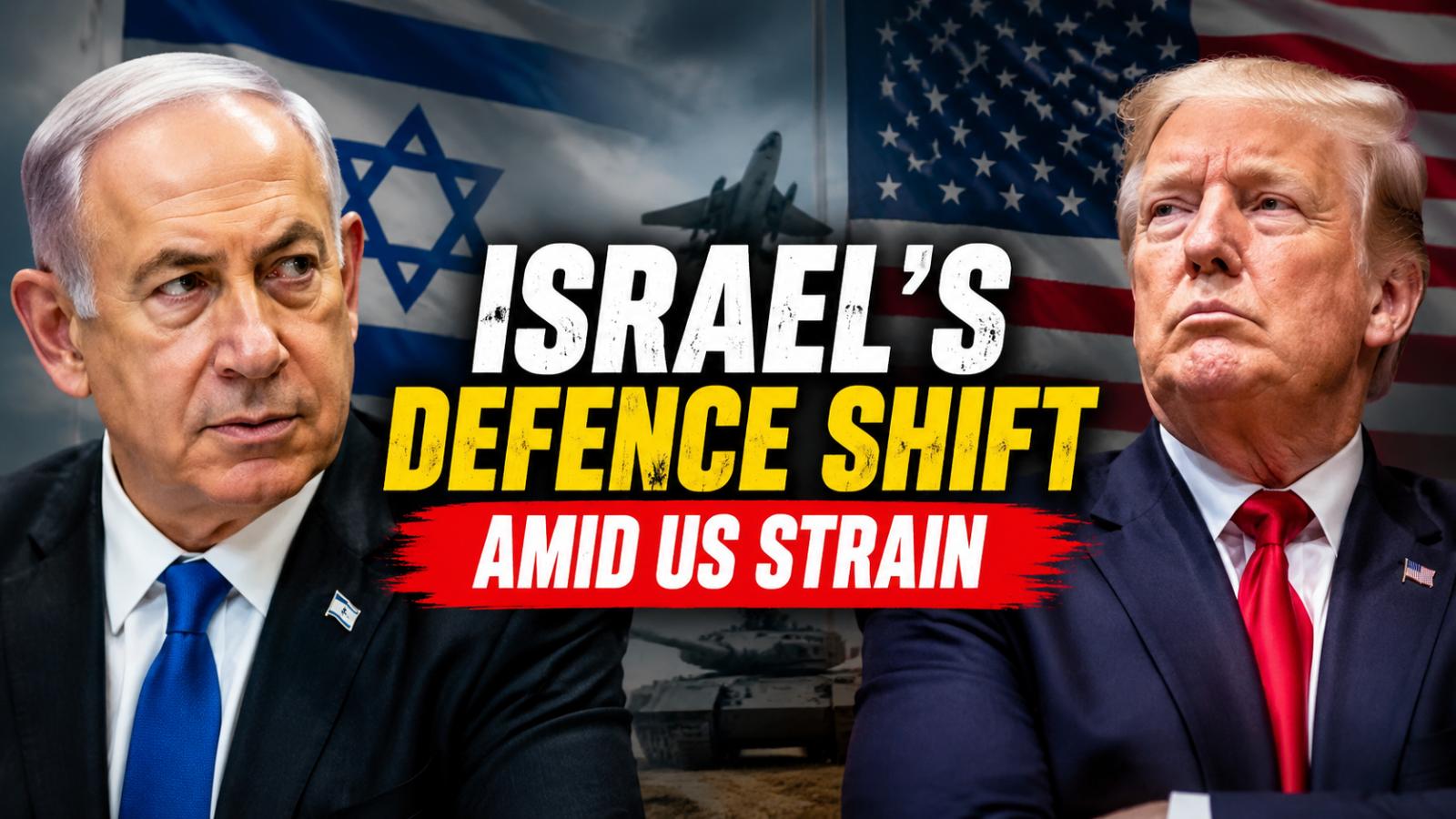
Tensions between Israel and the United States over regional security priorities have added pressure on Prime Minister Benjamin Netanyahu’s government to accelerate its push for greater military independence. The discussion has gained momentum as Israel continues operations linked to Iran-backed groups while simultaneously responding to diplomatic developments involving Washington and Tehran. Netanyahu recently emphasized that Israel cannot depend entirely on external military supply chains for long-term security needs. His remarks were delivered during a meeting with reserve officers in the West Bank, where he highlighted the importance of strengthening domestic defence production and reducing strategic vulnerabilities linked to foreign policy shifts. Domestic defence capacity becomes a strategic priority Israeli leadership is increasingly focused on expanding its local defence manufacturing ecosystem. The plan includes scaling up production of advanced weapon systems, improving technological innovation within the military sector, and reducing delays caused by international procurement dependencies. Officials argue that while US military support remains critical, future conflict scenarios require Israel to maintain uninterrupted access to essential defence capabilities without external constraints. This shift reflects broader concerns about regional instability and the speed at which security threats evolve. Diplomatic friction over regional agreements Recent US-led diplomatic efforts involving Iran have added another layer of complexity to the relationship. Israeli policymakers have expressed concern that regional understandings may not fully address threats posed by groups such as Hezbollah, which continue to operate along Israel’s northern border. From Israel’s perspective, security decisions tied to immediate threats cannot be constrained by broader international agreements. This difference in approach has created periodic friction between Washington and Jerusalem, even as both sides publicly reaffirm their strategic partnership. Political messaging highlights diverging priorities Netanyahu’s statements also reflect internal political messaging aimed at reinforcing a doctrine of strategic independence. While maintaining that the US remains Israel’s most important ally, he has repeatedly stressed that national security decisions must ultimately remain under Israeli control. The debate has also been reflected in wider political discourse, including commentary associated with US political figures and shifting positions on Middle East engagement. Although both governments continue coordination on defence matters, differences in threat assessment and timing of responses remain evident. Strategic autonomy framed as long-term necessity Israeli officials describe the current shift not as a break from alliances but as a recalibration of priorities. The focus is on ensuring that Israel can respond rapidly to evolving threats in a region marked by proxy conflicts, cross-border tensions, and shifting diplomatic alignments. The emerging strategy positions defence self-reliance as a structural requirement rather than a temporary policy adjustment, signaling a longer-term transformation in how Israel plans its security framework.
Israel shifts defence strategy amid US political strain
Tensions between Israel and the United States over regional security priorities have added pressure on Prime Minister Benjamin Netanyahu’s government to accelerate its push for greater military independence. The discussion has gained momentum as Israel continues operations linked to Iran-backed groups while simultaneously responding to diplomatic developments involving Washington and Tehran. Netanyahu recently emphasized that Israel cannot depend entirely on external military supply chains for long-term security needs. His remarks were delivered during a meeting with reserve officers in the West Bank, where he highlighted the importance of strengthening domestic defence production and reducing strategic vulnerabilities linked to foreign policy shifts. Domestic defence capacity becomes a strategic priority Israeli leadership is increasingly focused on expanding its local defence manufacturing ecosystem. The plan includes scaling up production of advanced weapon systems, improving technological innovation within the military sector, and reducing delays caused by international procurement dependencies. Officials argue that while US military support remains critical, future conflict scenarios require Israel to maintain uninterrupted access to essential defence capabilities without external constraints. This shift reflects broader concerns about regional instability and the speed at which security threats evolve. Diplomatic friction over regional agreements Recent US-led diplomatic efforts involving Iran have added another layer of complexity to the relationship. Israeli policymakers have expressed concern that regional understandings may not fully address threats posed by groups such as Hezbollah, which continue to operate along Israel’s northern border. From Israel’s perspective, security decisions tied to immediate threats cannot be constrained by broader international agreements. This difference in approach has created periodic friction between Washington and Jerusalem, even as both sides publicly reaffirm their strategic partnership. Political messaging highlights diverging priorities Netanyahu’s statements also reflect internal political messaging aimed at reinforcing a doctrine of strategic independence. While maintaining that the US remains Israel’s most important ally, he has repeatedly stressed that national security decisions must ultimately remain under Israeli control. The debate has also been reflected in wider political discourse, including commentary associated with US political figures and shifting positions on Middle East engagement. Although both governments continue coordination on defence matters, differences in threat assessment and timing of responses remain evident. Strategic autonomy framed as long-term necessity Israeli officials describe the current shift not as a break from alliances but as a recalibration of priorities. The focus is on ensuring that Israel can respond rapidly to evolving threats in a region marked by proxy conflicts, cross-border tensions, and shifting diplomatic alignments. The emerging strategy positions defence self-reliance as a structural requirement rather than a temporary policy adjustment, signaling a longer-term transformation in how Israel plans its security framework.
London court orders Nirav Modi to repay Bank of India dues
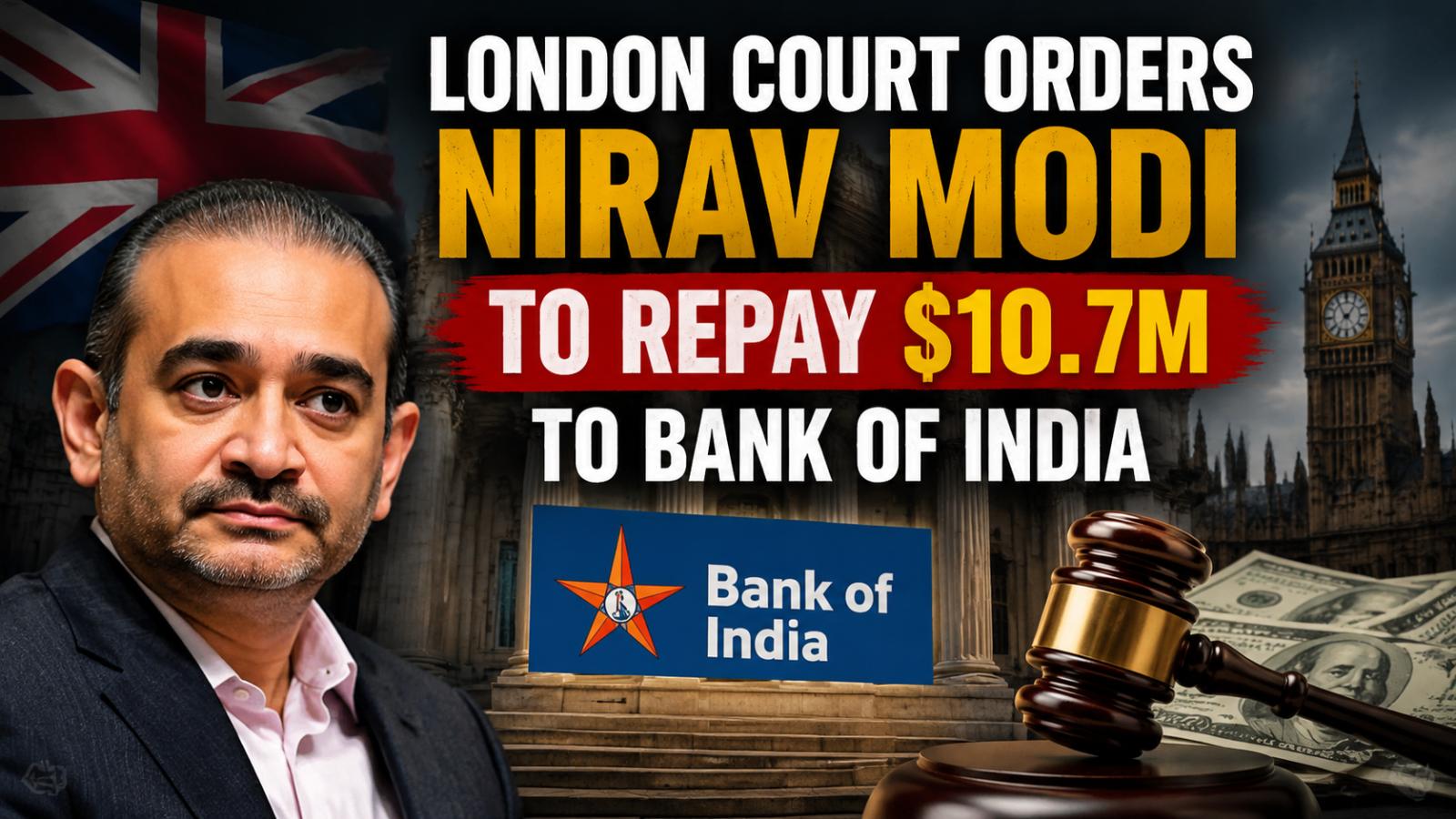
A London court has ruled against diamond merchant Nirav Modi in a financial dispute involving Bank of India, ordering him to repay approximately $10.7 million linked to a defaulted corporate loan. The judgment strengthens the bank’s claim that Modi remains personally liable under a guarantee tied to funding extended to his overseas diamond trading entity. Court upholds personal guarantee obligation
London court orders Nirav Modi to repay Bank of India dues
A London court has ruled against diamond merchant Nirav Modi in a financial dispute involving Bank of India, ordering him to repay approximately $10.7 million linked to a defaulted corporate loan. The judgment strengthens the bank’s claim that Modi remains personally liable under a guarantee tied to funding extended to his overseas diamond trading entity. Court upholds personal guarantee obligation
US Iran dispute deepens after Pakistan clarifies missile claims
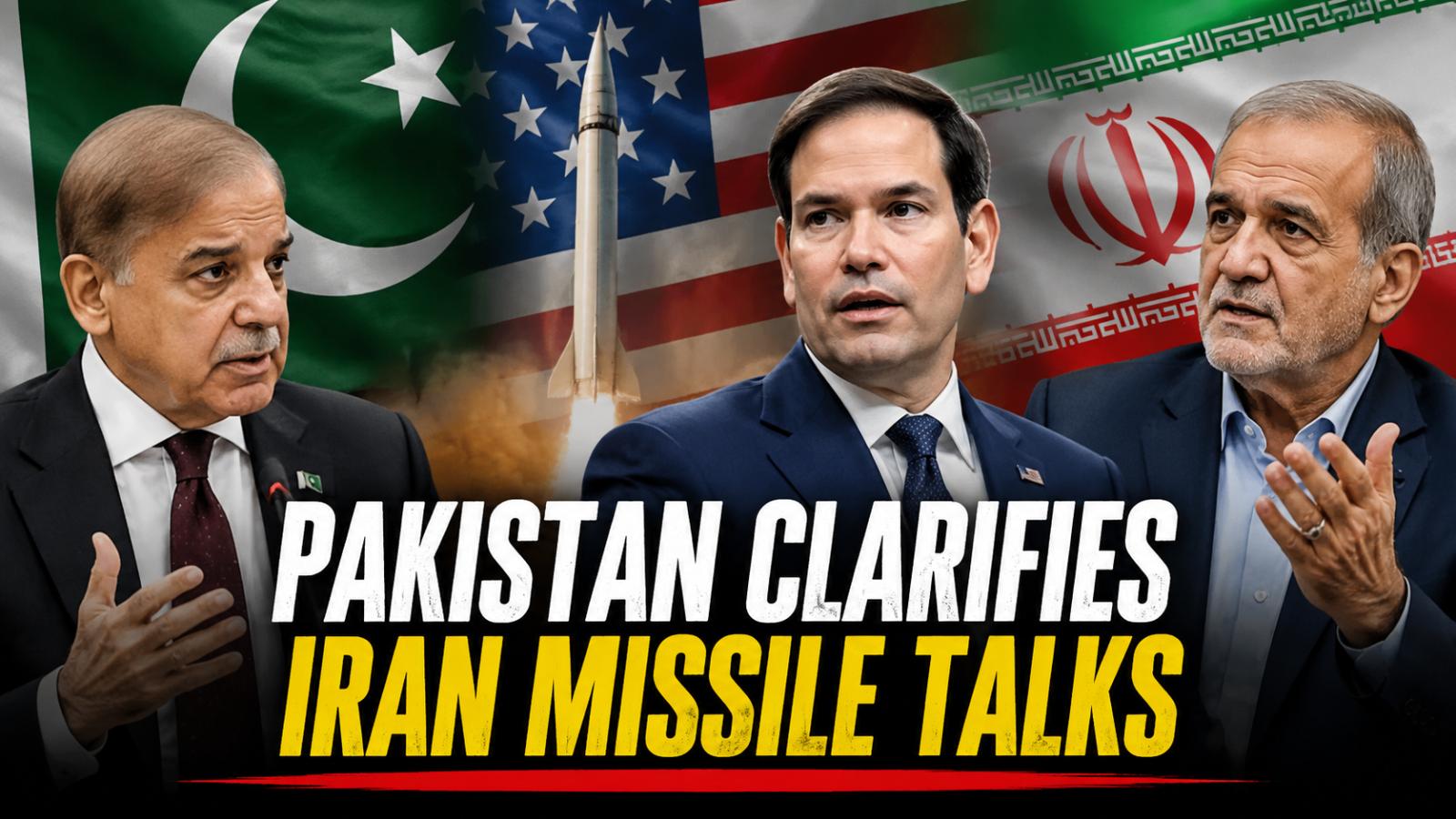
Confusion over alleged discussions involving Iran’s missile capabilities in US–Iran diplomatic engagement was addressed by Pakistan after multiple conflicting interpretations surfaced from international officials. Prime Minister Shehbaz Sharif clarified that no such subject was included in any current structured understanding between Washington and Tehran, pushing back against circulating claims that had gained attention in diplomatic circles.
US Iran dispute deepens after Pakistan clarifies missile claims
Confusion over alleged discussions involving Iran’s missile capabilities in US–Iran diplomatic engagement was addressed by Pakistan after multiple conflicting interpretations surfaced from international officials. Prime Minister Shehbaz Sharif clarified that no such subject was included in any current structured understanding between Washington and Tehran, pushing back against circulating claims that had gained attention in diplomatic circles.
France heatwave shuts landmarks as tourism faces disruption
France is experiencing an intense heat surge that has pushed temperatures across several regions to dangerous levels, placing large parts of the country under the highest weather alert category. Authorities have warned that the current conditions are among the most severe in recent years, with urban areas like Paris feeling the strongest impact due to dense infrastructure and limited night-time cooling. Paris tourism slows as conditions become unsafe Tourist activity in Paris has taken a noticeable hit as extreme heat makes outdoor movement difficult during peak hours. Visitors are shortening itineraries, avoiding long walking routes, and shifting to indoor attractions wherever possible. Public spaces remain crowded, but activity is largely concentrated in shaded areas and air-conditioned venues as people try to avoid prolonged exposure. Major landmarks adjust operations due to heat stress Several iconic sites have been forced to modify schedules in response to the heat conditions. The Eiffel Tower has adjusted operating hours, closing earlier than usual to reduce visitor risk during peak temperatures. The Louvre Museum has also shifted to reduced visiting hours, prioritizing safety for both staff and tourists. Other regional attractions have issued advisories urging travelers to delay or reschedule visits until conditions improve. Weather pattern driving the extreme temperatures Meteorologists attribute the heat surge to a stalled atmospheric pattern that is trapping warm air over Western Europe. This system is reinforced by hot air moving in from North Africa, intensifying the temperature spike across France. Combined with stagnant wind conditions, the heat is persisting longer than typical summer peaks, limiting overnight cooling and increasing strain on infrastructure. Climate trend raising frequency of extreme heat events Experts note that Europe is warming faster than many other regions globally, contributing to more frequent and intense heat episodes. France is increasingly experiencing prolonged summer heat events that disrupt transport, tourism, and daily routines. The current situation highlights how rising baseline temperatures are turning what were once rare extremes into recurring seasonal challenges.
France heatwave shuts landmarks as tourism faces disruption
France is experiencing an intense heat surge that has pushed temperatures across several regions to dangerous levels, placing large parts of the country under the highest weather alert category. Authorities have warned that the current conditions are among the most severe in recent years, with urban areas like Paris feeling the strongest impact due to dense infrastructure and limited night-time cooling. Paris tourism slows as conditions become unsafe Tourist activity in Paris has taken a noticeable hit as extreme heat makes outdoor movement difficult during peak hours. Visitors are shortening itineraries, avoiding long walking routes, and shifting to indoor attractions wherever possible. Public spaces remain crowded, but activity is largely concentrated in shaded areas and air-conditioned venues as people try to avoid prolonged exposure. Major landmarks adjust operations due to heat stress Several iconic sites have been forced to modify schedules in response to the heat conditions. The Eiffel Tower has adjusted operating hours, closing earlier than usual to reduce visitor risk during peak temperatures. The Louvre Museum has also shifted to reduced visiting hours, prioritizing safety for both staff and tourists. Other regional attractions have issued advisories urging travelers to delay or reschedule visits until conditions improve. Weather pattern driving the extreme temperatures Meteorologists attribute the heat surge to a stalled atmospheric pattern that is trapping warm air over Western Europe. This system is reinforced by hot air moving in from North Africa, intensifying the temperature spike across France. Combined with stagnant wind conditions, the heat is persisting longer than typical summer peaks, limiting overnight cooling and increasing strain on infrastructure. Climate trend raising frequency of extreme heat events Experts note that Europe is warming faster than many other regions globally, contributing to more frequent and intense heat episodes. France is increasingly experiencing prolonged summer heat events that disrupt transport, tourism, and daily routines. The current situation highlights how rising baseline temperatures are turning what were once rare extremes into recurring seasonal challenges.
US signals India trade agreement close after key talks
India and the United States are edging closer to a structured trade agreement after fresh negotiations indicated reduced gaps on several contentious issues. US officials described the discussions as the most constructive phase so far, suggesting that a framework deal is now within reach, even though final clearance is still pending. The talks are part of a broader effort to establish a long-term Bilateral Trade Agreement aimed at improving market access, easing tariff friction, and stabilizing supply chain cooperation between the two economies. Tariff reduction and market access remain central issues At the core of the negotiations are tariff structures and access to each other’s markets. The United States is pushing for wider entry for industrial and agricultural goods, while India is focused on protecting sensitive domestic sectors while expanding export opportunities in technology, textiles, and pharmaceuticals. Both sides are trying to balance domestic political pressures with the need to expand bilateral trade volumes, which currently remain below their long-term potential despite strong economic ties. Digital trade and pharmaceutical rules under review A significant portion of the discussion is now centered on digital trade regulations and pharmaceutical standards. The US is seeking clearer digital data flow rules and stronger intellectual property protections, while India is prioritizing flexibility for its growing digital economy and affordable healthcare exports. Pharmaceutical trade remains a key pillar, with India seeking smoother regulatory pathways for generic drug exports, while the US is focusing on compliance and quality standard alignment. Strategic economic alignment driving urgency The urgency behind the negotiations is being shaped by global supply chain realignment and geopolitical competition. Both countries are increasingly aligning their trade policies within the Indo-Pacific framework, with an emphasis on reducing dependency on concentrated manufacturing hubs. India is positioning itself as an alternative global manufacturing base, while the US is looking to diversify sourcing and strengthen resilient supply networks. Next phase depends on unresolved policy gaps Despite visible progress, the agreement is not finalized. Several policy differences still need resolution, particularly around tariff ceilings, digital governance, and sector-specific protections. Officials from both sides are expected to continue technical-level discussions before moving toward a formalized trade framework. A final agreement timeline has not been confirmed, but momentum suggests continued acceleration in the coming months.
US signals India trade agreement close after key talks
India and the United States are edging closer to a structured trade agreement after fresh negotiations indicated reduced gaps on several contentious issues. US officials described the discussions as the most constructive phase so far, suggesting that a framework deal is now within reach, even though final clearance is still pending. The talks are part of a broader effort to establish a long-term Bilateral Trade Agreement aimed at improving market access, easing tariff friction, and stabilizing supply chain cooperation between the two economies. Tariff reduction and market access remain central issues At the core of the negotiations are tariff structures and access to each other’s markets. The United States is pushing for wider entry for industrial and agricultural goods, while India is focused on protecting sensitive domestic sectors while expanding export opportunities in technology, textiles, and pharmaceuticals. Both sides are trying to balance domestic political pressures with the need to expand bilateral trade volumes, which currently remain below their long-term potential despite strong economic ties. Digital trade and pharmaceutical rules under review A significant portion of the discussion is now centered on digital trade regulations and pharmaceutical standards. The US is seeking clearer digital data flow rules and stronger intellectual property protections, while India is prioritizing flexibility for its growing digital economy and affordable healthcare exports. Pharmaceutical trade remains a key pillar, with India seeking smoother regulatory pathways for generic drug exports, while the US is focusing on compliance and quality standard alignment. Strategic economic alignment driving urgency The urgency behind the negotiations is being shaped by global supply chain realignment and geopolitical competition. Both countries are increasingly aligning their trade policies within the Indo-Pacific framework, with an emphasis on reducing dependency on concentrated manufacturing hubs. India is positioning itself as an alternative global manufacturing base, while the US is looking to diversify sourcing and strengthen resilient supply networks. Next phase depends on unresolved policy gaps Despite visible progress, the agreement is not finalized. Several policy differences still need resolution, particularly around tariff ceilings, digital governance, and sector-specific protections. Officials from both sides are expected to continue technical-level discussions before moving toward a formalized trade framework. A final agreement timeline has not been confirmed, but momentum suggests continued acceleration in the coming months.
Trump orders DOJ review into US gasoline pricing gap
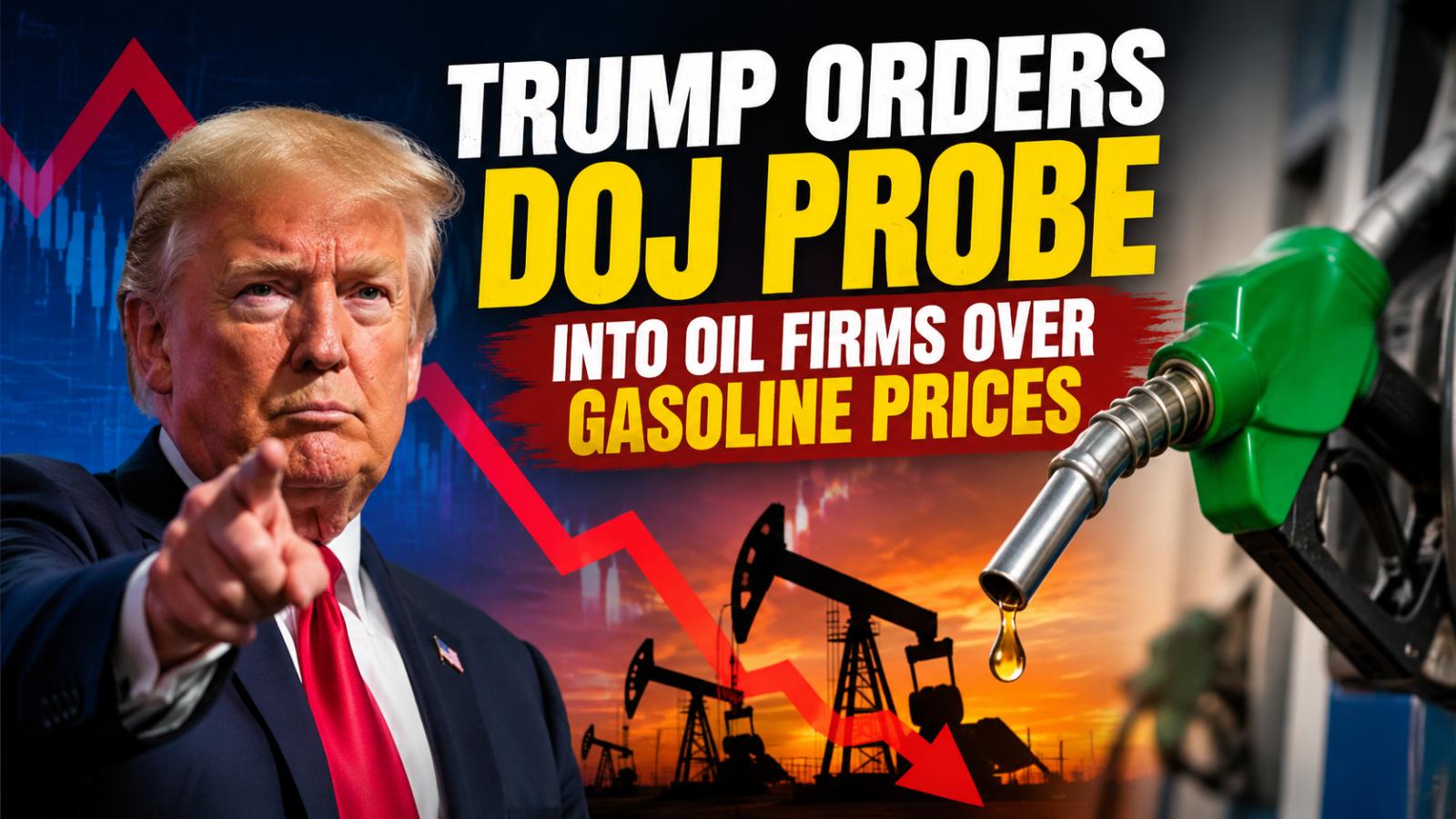
Global crude benchmarks have softened in recent sessions, driven by easing supply concerns and improved shipping conditions across key routes. Despite this decline, retail gasoline prices in the United States have not adjusted downward at the same pace, creating a widening gap between wholesale and consumer fuel costs. Market data indicates Brent crude has eased compared to earlier highs, yet pump prices remain relatively sticky. This lag has triggered renewed scrutiny of how quickl


Trump orders DOJ review into US gasoline pricing gap
Global crude benchmarks have softened in recent sessions, driven by easing supply concerns and improved shipping conditions across key routes. Despite this decline, retail gasoline prices in the United States have not adjusted downward at the same pace, creating a widening gap between wholesale and consumer fuel costs. Market data indicates Brent crude has eased compared to earlier highs, yet pump prices remain relatively sticky. This lag has triggered renewed scrutiny of how quickl
Pune Fiance Murder Case: Fort Trip Ends in Death, Instagram Story Under Scanner
Pune Fiance Death Case Turns Into Murder Investigation On June 18, 2026, a 26-year-old man identified as Ketan Vishal Agarwal was found dead after falling nearly 400 feet from Lohagad Fort in Maharashtra’s Pune district. The incident was initially recorded as an accidental fall, but later developments in the investigation led police to treat the case as a suspected murder. Ketan, a resident of
Pune Fiance Murder Case: Fort Trip Ends in Death, Instagram Story Under Scanner
Pune Fiance Death Case Turns Into Murder Investigation On June 18, 2026, a 26-year-old man identified as Ketan Vishal Agarwal was found dead after falling nearly 400 feet from Lohagad Fort in Maharashtra’s Pune district. The incident was initially recorded as an accidental fall, but later developments in the investigation led police to treat the case as a suspected murder. Ketan, a resident of
Sai Krishna Case: Jagan Questions Naidu Over Missing Youth
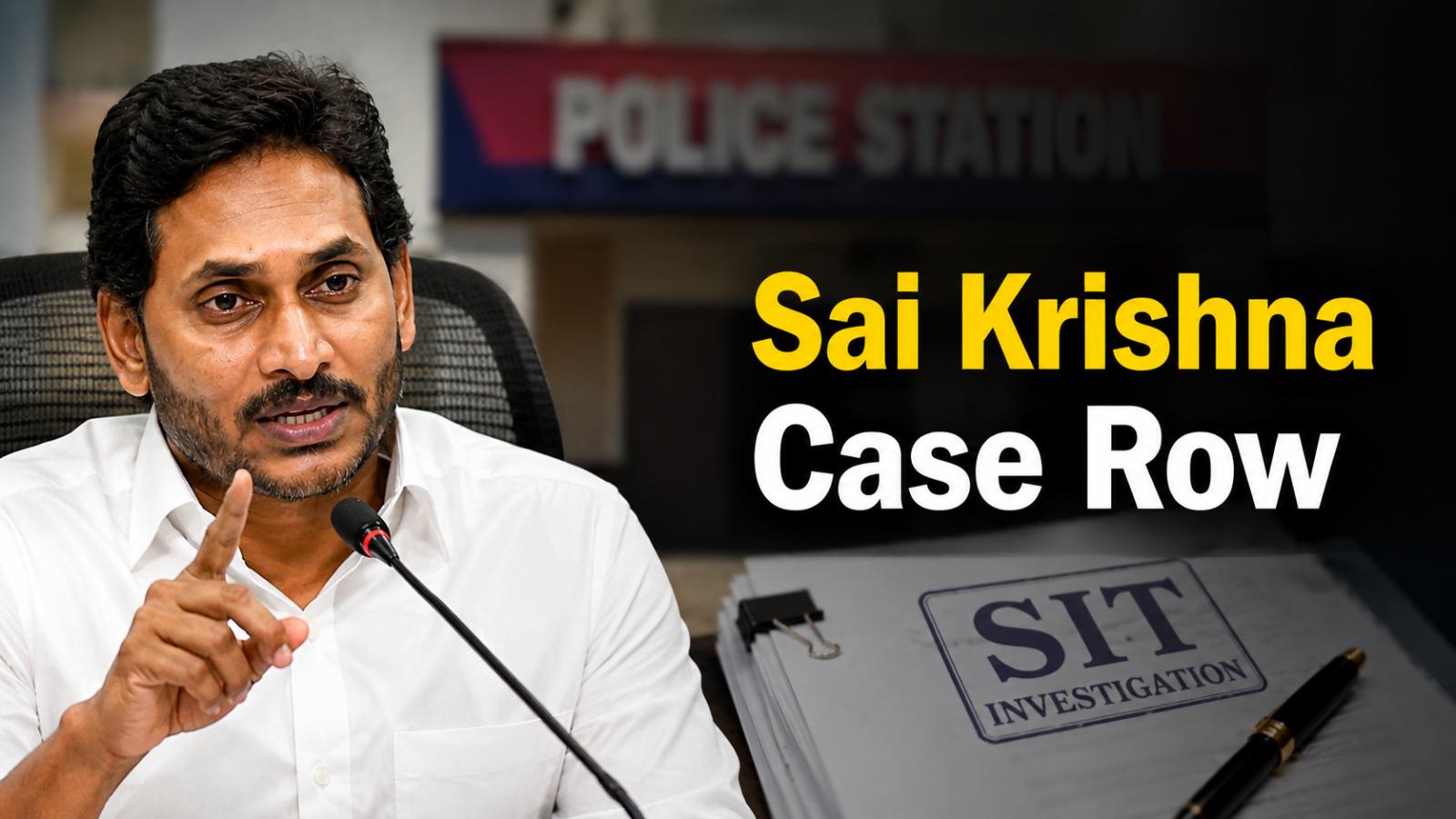
YSRCP chief YS Jagan Mohan Reddy has questioned Andhra Pradesh Chief Minister N Chandrababu Naidu over the whereabouts of Gade Sai Krishna, a Vijayawada youth whose disappearance has triggered a major political row. Jagan Questions Naidu Over Sai Krishna Case Former Andhra Pradesh Chief Minister YS Jagan Mohan Reddy has demanded answers from Chief Minister N Chandrababu Naidu over the Sai Krishna case, asking w
Sai Krishna Case: Jagan Questions Naidu Over Missing Youth
YSRCP chief YS Jagan Mohan Reddy has questioned Andhra Pradesh Chief Minister N Chandrababu Naidu over the whereabouts of Gade Sai Krishna, a Vijayawada youth whose disappearance has triggered a major political row. Jagan Questions Naidu Over Sai Krishna Case Former Andhra Pradesh Chief Minister YS Jagan Mohan Reddy has demanded answers from Chief Minister N Chandrababu Naidu over the Sai Krishna case, asking w
Bengaluru Family Horror: Three Found Dead in KR Puram Apartment
On June 23, 2026, a shocking triple murder was reported from Sai Green Apartment in the Seegehalli area under KR Puram police limits in Bengaluru. Three members of a family were found dead inside their residence, triggering a major police investigation. The victims have been identified as Somasundar (55), his wife Muthulakshmi (48), and their younger daughter Supriya (20). Police suspect that the elder daughter, Shwetha, along with her live-in partner Kenneth, may be involved in the
Bengaluru Family Horror: Three Found Dead in KR Puram Apartment
On June 23, 2026, a shocking triple murder was reported from Sai Green Apartment in the Seegehalli area under KR Puram police limits in Bengaluru. Three members of a family were found dead inside their residence, triggering a major police investigation. The victims have been identified as Somasundar (55), his wife Muthulakshmi (48), and their younger daughter Supriya (20). Police suspect that the elder daughter, Shwetha, along with her live-in partner Kenneth, may be involved in the
Footpath Abduction Horror in Delhi Ends in Gurugram Forest Tragedy
Delhi Shock Incident: Girl Missing From Mehrauli Footpath On June 23, 2026, a deeply disturbing case emerged from South Delhi’s Mehrauli area after an 11-year-old girl was allegedly abducted from a roadside footpath. The incident came to light in the early morning hours when police received a PCR call reporting the child missing, triggering an urgent multi-agency response across Delhi and surrounding reg
Footpath Abduction Horror in Delhi Ends in Gurugram Forest Tragedy
Delhi Shock Incident: Girl Missing From Mehrauli Footpath On June 23, 2026, a deeply disturbing case emerged from South Delhi’s Mehrauli area after an 11-year-old girl was allegedly abducted from a roadside footpath. The incident came to light in the early morning hours when police received a PCR call reporting the child missing, triggering an urgent multi-agency response across Delhi and surrounding reg
US–China tensions rise as Alibaba challenges DoD military listing
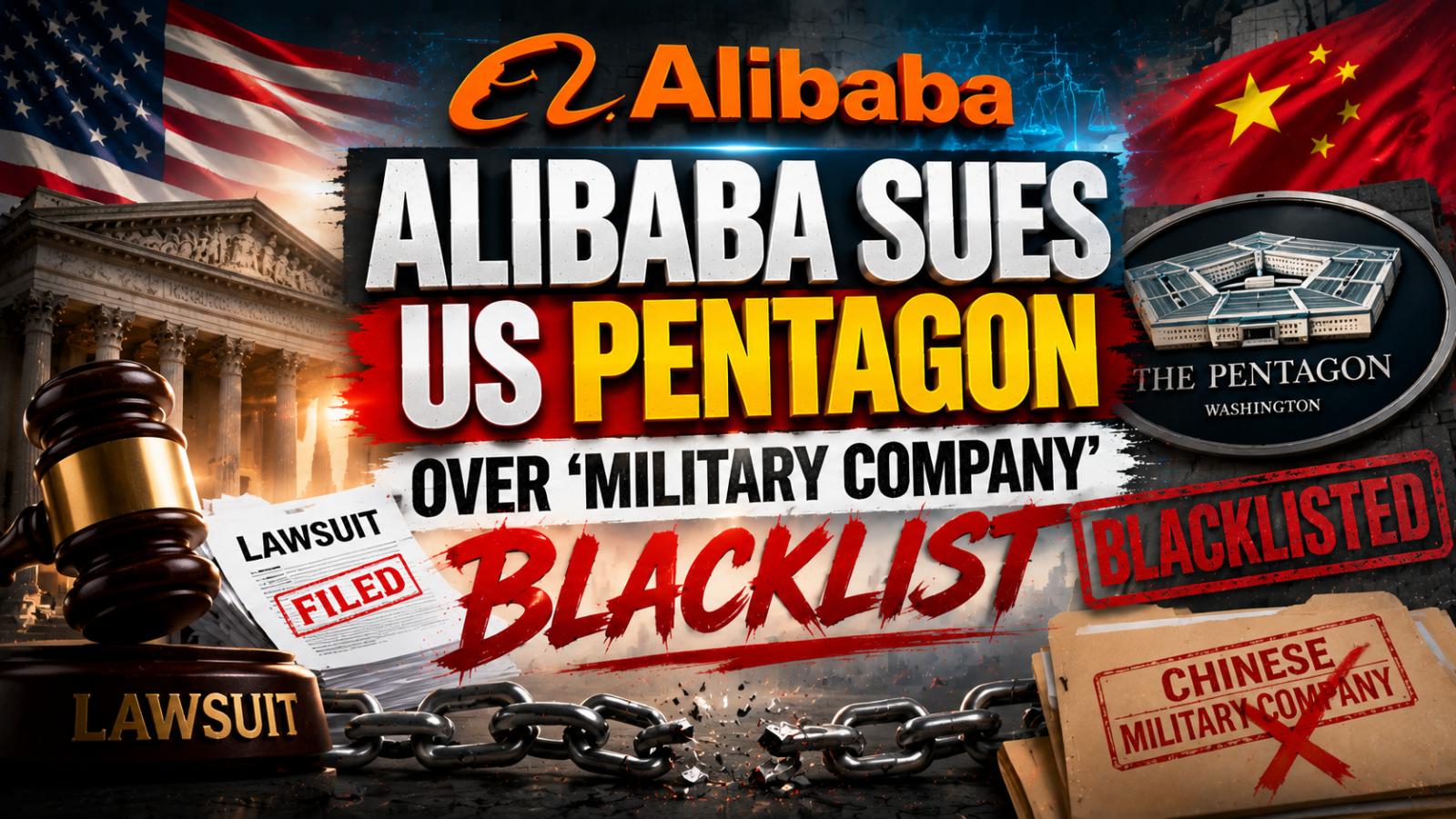
Alibaba challenges Pentagon designation in US court Alibaba Group has filed a federal lawsuit in San Jose challenging its inclusion on a US Defense Department blacklist that labels it as a “Chinese military company.” The company argues that the designation is unfounded, lacks proper legal basis, and was issued without adequate due process. The case adds further pressure to already strained relations betw
US–China tensions rise as Alibaba challenges DoD military listing
Alibaba challenges Pentagon designation in US court Alibaba Group has filed a federal lawsuit in San Jose challenging its inclusion on a US Defense Department blacklist that labels it as a “Chinese military company.” The company argues that the designation is unfounded, lacks proper legal basis, and was issued without adequate due process. The case adds further pressure to already strained relations betw
Trump–Meloni tensions ease as Italy–US diplomatic dispute cools down
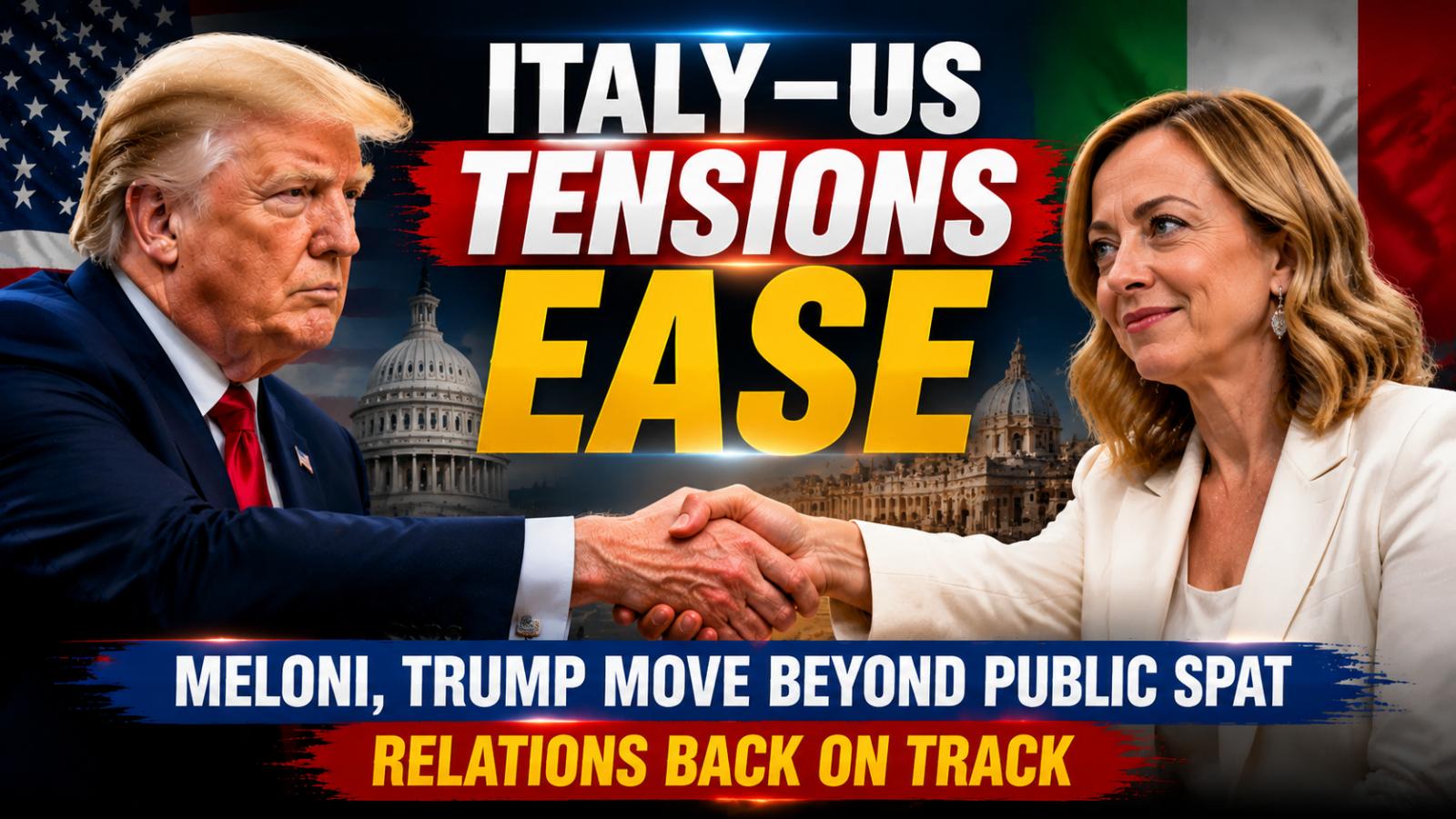
Diplomatic tensions begin to cool between Italy and US Relations between Italy and the United States showed signs of stabilisation following several days of public disagreement between Italian Prime Minister Giorgia Meloni and US President Donald Trump. Speaking at a public event in Rome, Meloni indicated that she was not interested in extending the dispute and expressed a preference for moving forward, sign
Trump–Meloni tensions ease as Italy–US diplomatic dispute cools down
Diplomatic tensions begin to cool between Italy and US Relations between Italy and the United States showed signs of stabilisation following several days of public disagreement between Italian Prime Minister Giorgia Meloni and US President Donald Trump. Speaking at a public event in Rome, Meloni indicated that she was not interested in extending the dispute and expressed a preference for moving forward, sign
US–Iran tensions rise as Trump demands full IAEA inspection access
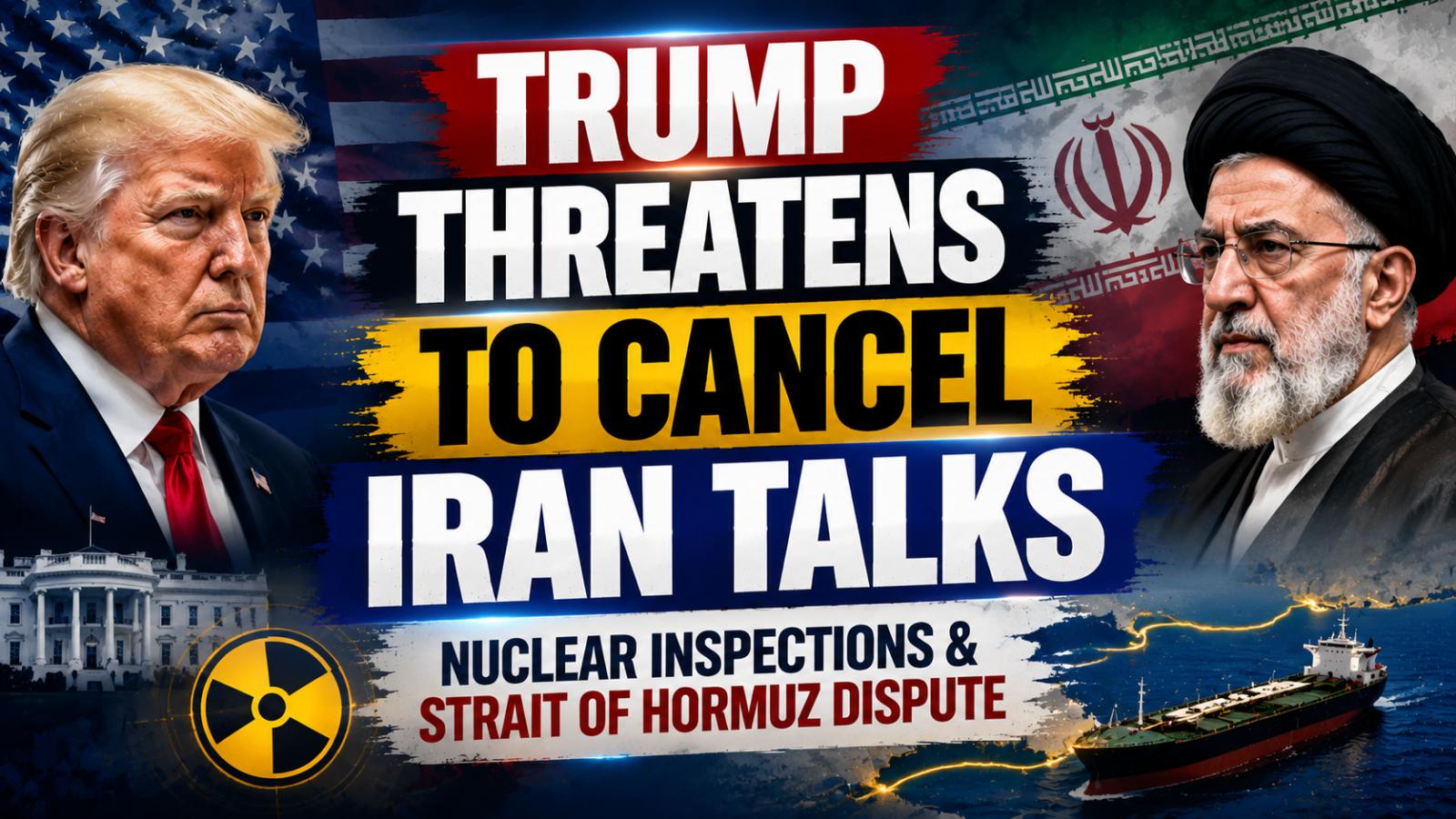
Trump signals pressure over nuclear inspections US President Donald Trump has stated that he is prepared to cancel ongoing technical discussions with Iran if Tehran refuses to allow full inspections by the International Atomic Energy Agency. He emphasized that Washington already believes an agreement on inspection access has been reached and dismissed concerns raised about Iran’s willingness to comply with
US–Iran tensions rise as Trump demands full IAEA inspection access
Trump signals pressure over nuclear inspections US President Donald Trump has stated that he is prepared to cancel ongoing technical discussions with Iran if Tehran refuses to allow full inspections by the International Atomic Energy Agency. He emphasized that Washington already believes an agreement on inspection access has been reached and dismissed concerns raised about Iran’s willingness to comply with
Strait of Hormuz crisis and Iran ceasefire spark global political debate
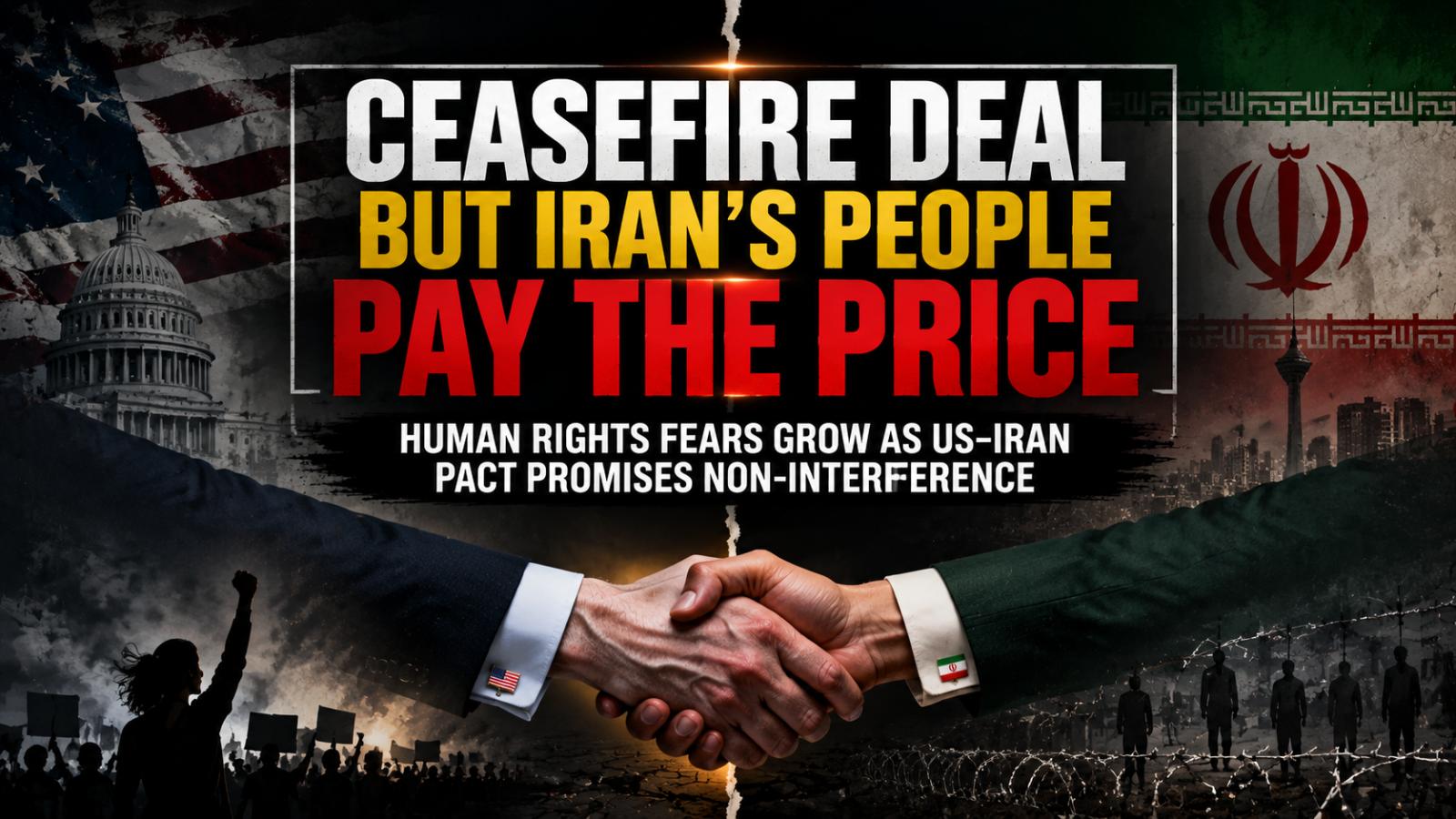
Ceasefire agreement raises human rights concerns The recent ceasefire understanding between the United States and Iran has triggered debate over its wider political and humanitarian implications. While the agreement aims to stabilize relations after months of conflict, critics argue that its language on non-interference could limit external pressure on Iran’s internal human rights situation. The inclusion of sovereignty clauses has been interpreted by analysts as a significant shift in diplomatic posture compared to earlier US positions. Debate over sovereignty and internal affairs The memorandum reportedly emphasizes mutual respect for sovereignty and non-interference in domestic matters. Observers note that this marks a departure from previous rhetoric that supported political change within Iran through public pressure and international condemnation. Human rights groups have expressed concern that such provisions may reduce accountability mechanisms at a time when reports of arrests, executions, and suppression of dissent continue to emerge. Humanitarian impact and ongoing instability Independent reports referenced in international discussions point to continued unrest and a heavy human cost during and after the conflict period. Allegations of mass detentions and restrictions on civil liberties have further intensified scrutiny of the ceasefire framework. Advocacy organizations warn that stabilizing military conditions without parallel human rights safeguards risks entrenching existing governance structures without addressing underlying grievances. Regional conflict and global economic disruption The broader conflict, including disruptions in the Strait of Hormuz, has had significant consequences for global energy flows and maritime trade. Temporary closure of key shipping routes led to economic pressure across multiple regions dependent on oil and liquefied natural gas supplies. While diplomatic mediation involving regional actors helped establish a pathway toward de-escalation, analysts caution that long-term stability will depend on sustained negotiations and enforcement clarity within the agreement framework.
Strait of Hormuz crisis and Iran ceasefire spark global political debate
Ceasefire agreement raises human rights concerns The recent ceasefire understanding between the United States and Iran has triggered debate over its wider political and humanitarian implications. While the agreement aims to stabilize relations after months of conflict, critics argue that its language on non-interference could limit external pressure on Iran’s internal human rights situation. The inclusion of sovereignty clauses has been interpreted by analysts as a significant shift in diplomatic posture compared to earlier US positions. Debate over sovereignty and internal affairs The memorandum reportedly emphasizes mutual respect for sovereignty and non-interference in domestic matters. Observers note that this marks a departure from previous rhetoric that supported political change within Iran through public pressure and international condemnation. Human rights groups have expressed concern that such provisions may reduce accountability mechanisms at a time when reports of arrests, executions, and suppression of dissent continue to emerge. Humanitarian impact and ongoing instability Independent reports referenced in international discussions point to continued unrest and a heavy human cost during and after the conflict period. Allegations of mass detentions and restrictions on civil liberties have further intensified scrutiny of the ceasefire framework. Advocacy organizations warn that stabilizing military conditions without parallel human rights safeguards risks entrenching existing governance structures without addressing underlying grievances. Regional conflict and global economic disruption The broader conflict, including disruptions in the Strait of Hormuz, has had significant consequences for global energy flows and maritime trade. Temporary closure of key shipping routes led to economic pressure across multiple regions dependent on oil and liquefied natural gas supplies. While diplomatic mediation involving regional actors helped establish a pathway toward de-escalation, analysts caution that long-term stability will depend on sustained negotiations and enforcement clarity within the agreement framework.
IMO begins evacuation of 11,000 sailors trapped in Strait of Hormuz crisis
IMO launches coordinated maritime evacuation The International Maritime Organization has announced the start of a large-scale evacuation of more than 11,000 sailors stranded in the Persian Gulf following months of disruption linked to the Strait of Hormuz. The operation is being carried out in coordination with regional coastal states, including Iran and Oman, along with the United States and global shipping
IMO begins evacuation of 11,000 sailors trapped in Strait of Hormuz crisis
IMO launches coordinated maritime evacuation The International Maritime Organization has announced the start of a large-scale evacuation of more than 11,000 sailors stranded in the Persian Gulf following months of disruption linked to the Strait of Hormuz. The operation is being carried out in coordination with regional coastal states, including Iran and Oman, along with the United States and global shipping
US Senate votes 50-48 to limit Iran conflict authority
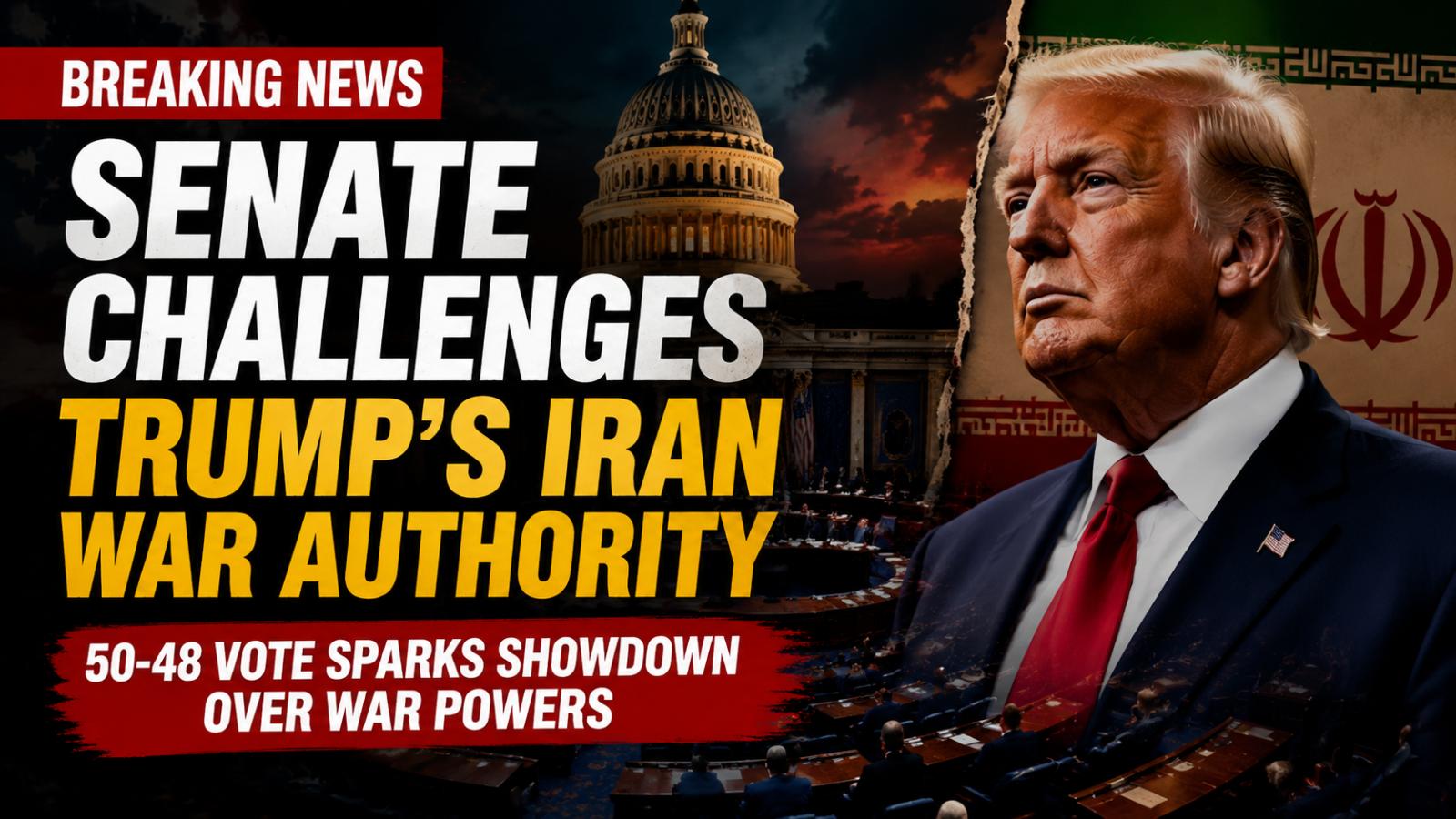
Senate challenges executive war authority The US Senate has approved a resolution opposing continued military involvement tied to Iran, signaling widening friction between Congress and the executive branch over war powers. The measure passed narrowly at 50–48 and had already cleared the House, reflecting rare bipartisan concern over the direction of US military engagement in the region. Although the resol
US Senate votes 50-48 to limit Iran conflict authority
Senate challenges executive war authority The US Senate has approved a resolution opposing continued military involvement tied to Iran, signaling widening friction between Congress and the executive branch over war powers. The measure passed narrowly at 50–48 and had already cleared the House, reflecting rare bipartisan concern over the direction of US military engagement in the region. Although the resol
Chico Library Shooting Suspect Arrested After Two People Killed
Two people were killed in the Chico library shooting on Monday, June 22, 2026, and police arrested an 18-year-old local suspect after he fled the building, authorities said. Police responded shortly after 5:00 p.m. local time to the Chico branch of the Butte County Library. A 911 call had captured the sound of gunfire and people screaming inside the building. Officers entered the library as the suspect escaped through the rear of the facility. Additional l
Chico Library Shooting Suspect Arrested After Two People Killed
Two people were killed in the Chico library shooting on Monday, June 22, 2026, and police arrested an 18-year-old local suspect after he fled the building, authorities said. Police responded shortly after 5:00 p.m. local time to the Chico branch of the Butte County Library. A 911 call had captured the sound of gunfire and people screaming inside the building. Officers entered the library as the suspect escaped through the rear of the facility. Additional l
Lake Michigan Search for Missing Boy at Washington Park Beach Halted
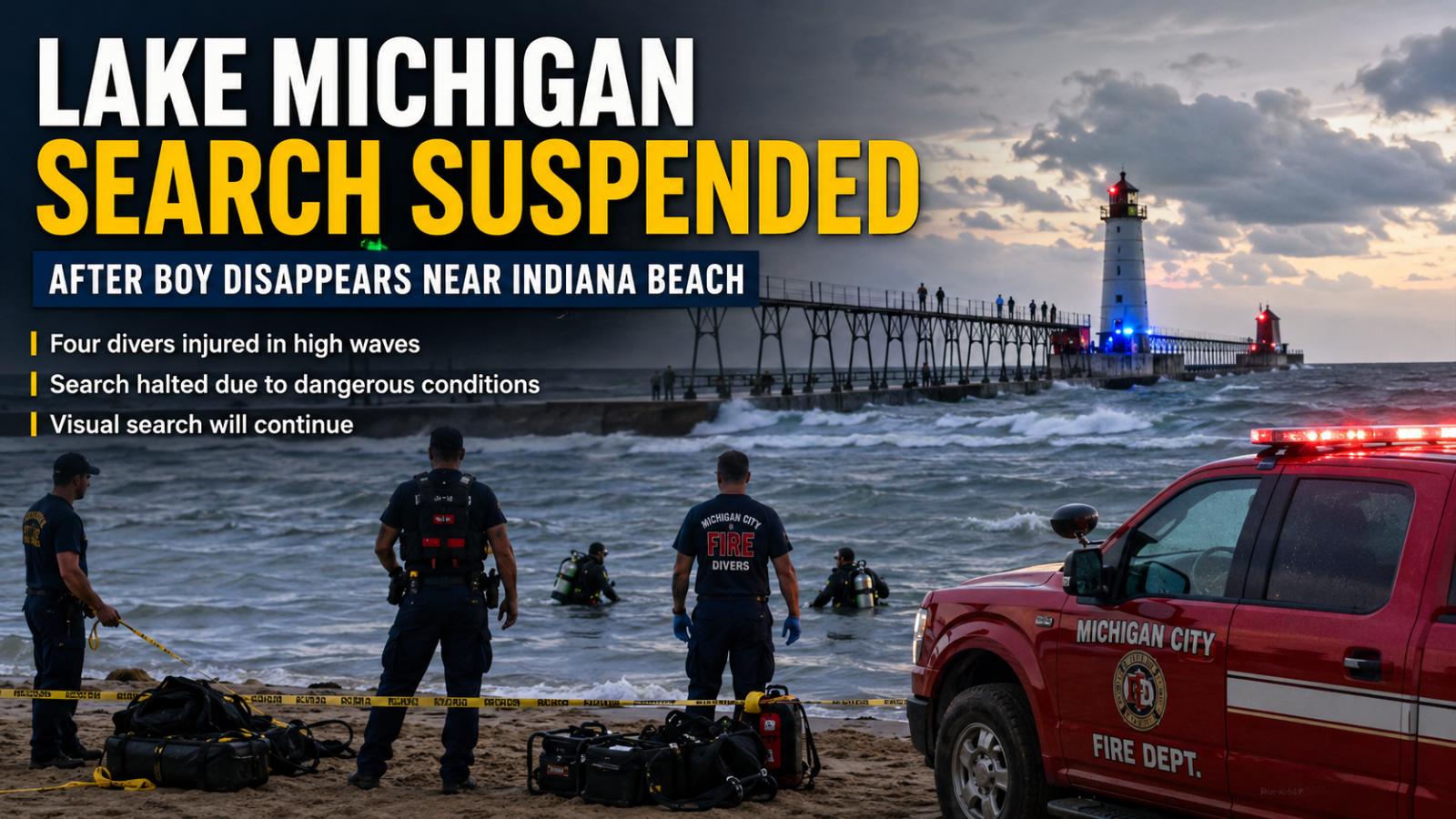
A Lake Michigan search for a missing boy at Washington Park Beach was suspended after dangerous waves and currents injured four rescue divers near Michigan City, Indiana. Police said officers responded at about 5:43 p.m. after witnesses reported that a child wearing red shorts entered the water east of the catwalk, just south of the lighthouse, and did not resurface. The Indiana Department of Natural Resources said a group of teenagers had been swimming when one of them disappeared
Lake Michigan Search for Missing Boy at Washington Park Beach Halted
A Lake Michigan search for a missing boy at Washington Park Beach was suspended after dangerous waves and currents injured four rescue divers near Michigan City, Indiana. Police said officers responded at about 5:43 p.m. after witnesses reported that a child wearing red shorts entered the water east of the catwalk, just south of the lighthouse, and did not resurface. The Indiana Department of Natural Resources said a group of teenagers had been swimming when one of them disappeared
Meta Invests $900 Million in CRED; Kunal Shah to Lead WhatsApp
Meta will invest $900 million in Bengaluru-based fintech company CRED, while founder Kunal Shah prepares to take charge of WhatsApp globally. The linked announcements place one of India’s best-known startup founders at the center of Meta’s next phase in messaging, business services and digital payments. Watch: Why did Meta choose Kunal Shah to lead WhatsApp? See o
Meta Invests $900 Million in CRED; Kunal Shah to Lead WhatsApp
Meta will invest $900 million in Bengaluru-based fintech company CRED, while founder Kunal Shah prepares to take charge of WhatsApp globally. The linked announcements place one of India’s best-known startup founders at the center of Meta’s next phase in messaging, business services and digital payments. Watch: Why did Meta choose Kunal Shah to lead WhatsApp? See o
Trump escalates ABC dispute over DC reflecting pool coverage
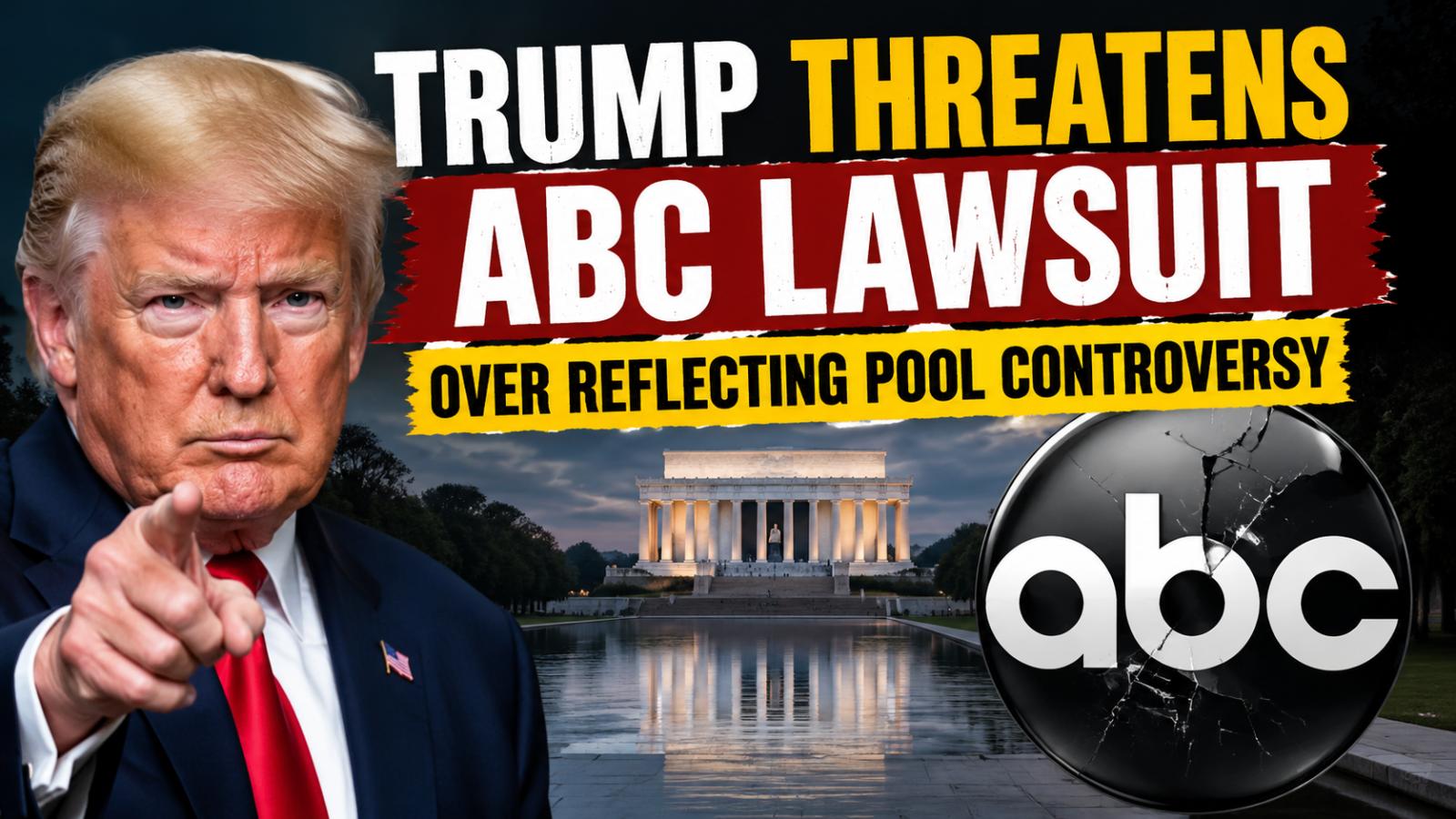
A fresh dispute has emerged after Donald Trump signaled possible legal action against ABC News over its coverage of the Lincoln Memorial Reflecting Pool in Washington DC. The disagreement centers on how recent reporting framed repair work, vandalism incidents, and historical maintenance spending tied to the landmark. The issue has added another layer of friction between the former president and major media organizations, with Trump accusing the network of presenting an incomplete narrative.
Trump escalates ABC dispute over DC reflecting pool coverage
A fresh dispute has emerged after Donald Trump signaled possible legal action against ABC News over its coverage of the Lincoln Memorial Reflecting Pool in Washington DC. The disagreement centers on how recent reporting framed repair work, vandalism incidents, and historical maintenance spending tied to the landmark. The issue has added another layer of friction between the former president and major media organizations, with Trump accusing the network of presenting an incomplete narrative.