Trump signals softer tone on Zelensky amid Ukraine war shift
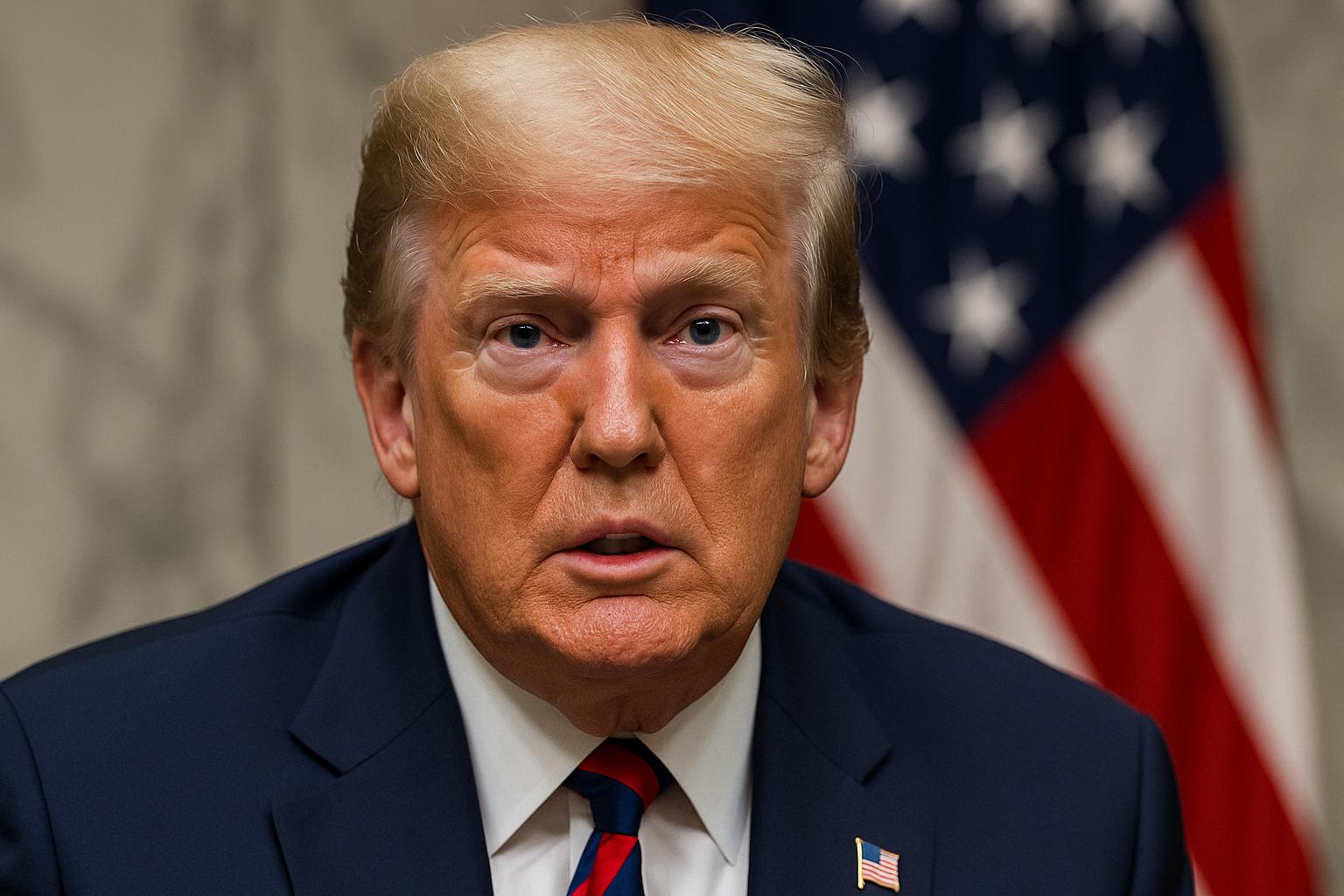
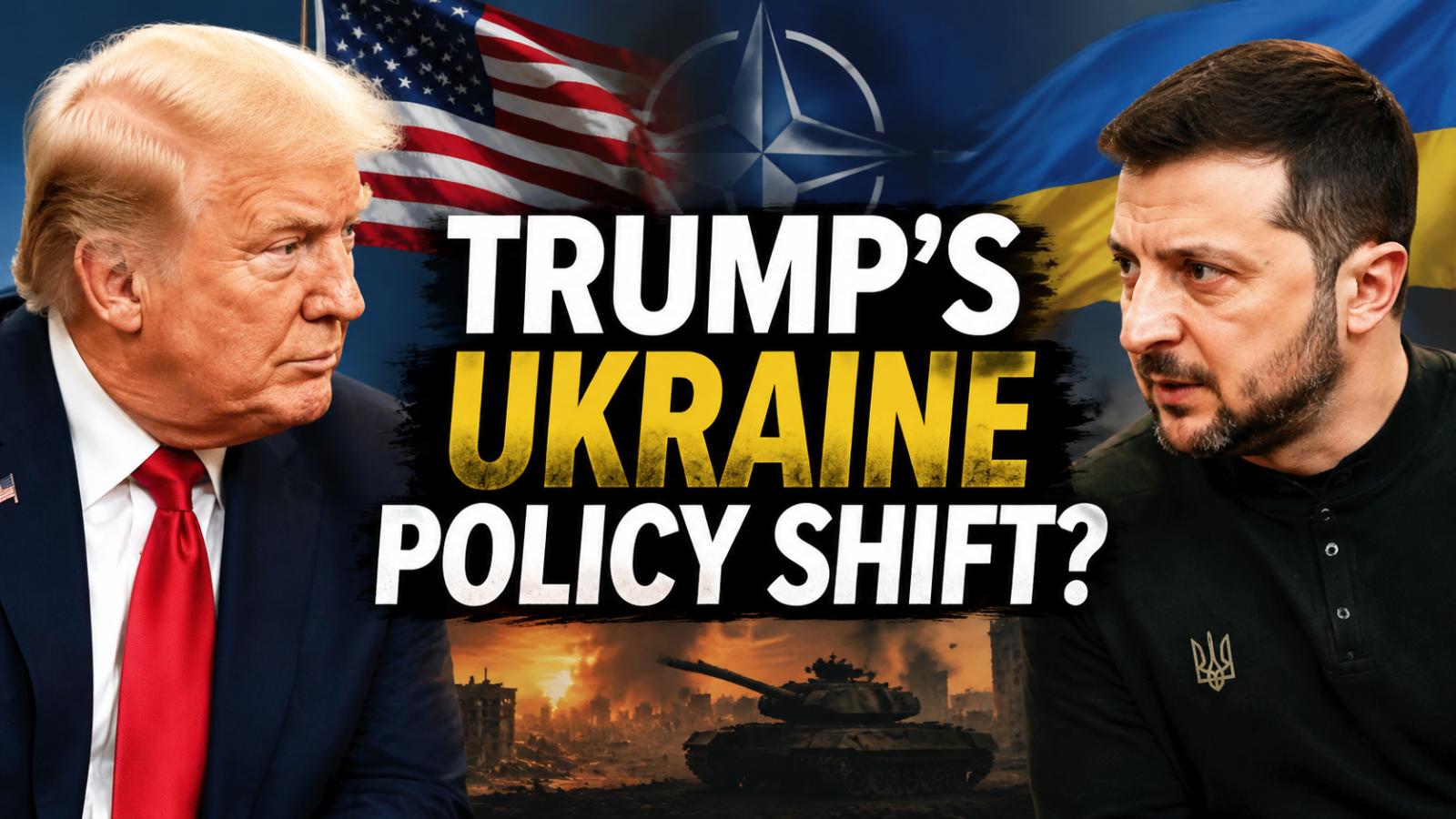
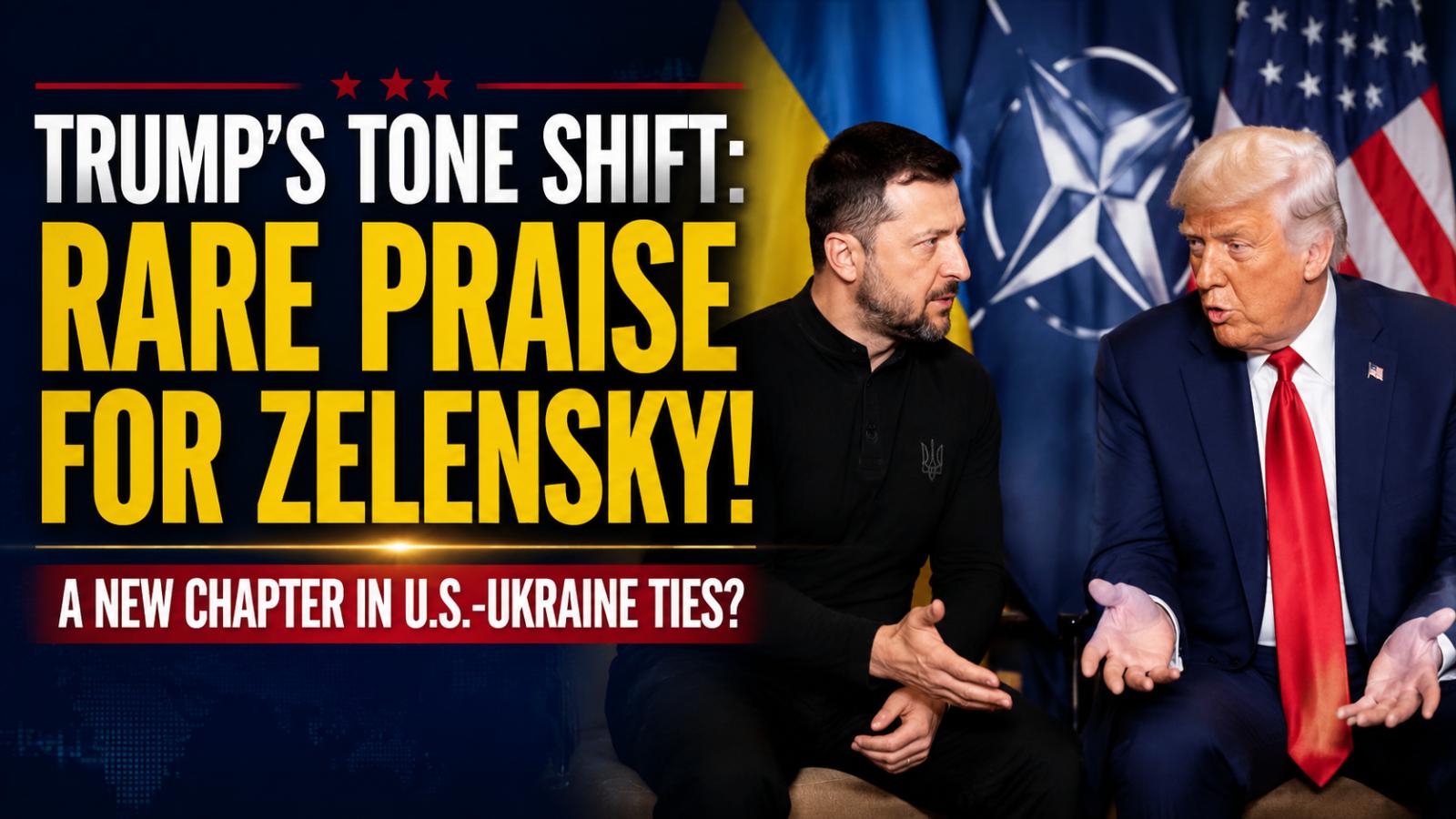
US President Donald Trump has recently shown a more measured tone when speaking about Ukrainian President Volodymyr Zelensky. During a public engagement alongside NATO leadership, Trump acknowledged Ukraine’s continued resistance in the war, describing its position as steady despite ongoing conflict. The comments mark a shift in tone compared to his earlier criticism and reflect a more cautious diplomatic posture from Washington. G7 coordination shapes US approach Recent discussions among G7 member nations have contributed to renewed alignment on Russia-related sanctions and energy strategy. Allied countries have been pushing for tighter coordination on restricting oil revenues linked to Moscow. This collective pressure has influenced US policy thinking, encouraging a more structured approach rather than isolated action. The focus remains on balancing economic pressure with long-term stability in global energy markets. Battlefield situation influences political messaging Developments on the ground in Ukraine continue to play a key role in shaping international responses. Reports of Ukraine expanding its operational reach and sustaining defensive positions have strengthened its bargaining position in diplomatic discussions. These battlefield realities are increasingly reflected in political messaging, as Western leaders reassess how the conflict may evolve over time. Energy markets and global risks remain central Global energy stability remains a key factor in foreign policy decisions. Earlier concerns linked to Middle East tensions and potential disruptions in key shipping routes had raised oil market uncertainty. As conditions show signs of stabilisation, policymakers are gaining more room to consider stricter measures on Russian energy exports without immediate economic disruption. Diplomatic outlook remains uncertain Despite continued international engagement, progress toward direct peace negotiations between Russia and Ukraine remains limited. Positions on territorial control and security guarantees continue to block meaningful breakthroughs. While diplomatic channels remain open, there is no clear indication of a near-term resolution. The current US approach reflects a balance between maintaining pressure and keeping space for future negotiations.
Trump signals softer tone on Zelensky amid Ukraine war shift
US President Donald Trump has recently shown a more measured tone when speaking about Ukrainian President Volodymyr Zelensky. During a public engagement alongside NATO leadership, Trump acknowledged Ukraine’s continued resistance in the war, describing its position as steady despite ongoing conflict. The comments mark a shift in tone compared to his earlier criticism and reflect a more cautious diplomatic posture from Washington. G7 coordination shapes US approach Recent discussions among G7 member nations have contributed to renewed alignment on Russia-related sanctions and energy strategy. Allied countries have been pushing for tighter coordination on restricting oil revenues linked to Moscow. This collective pressure has influenced US policy thinking, encouraging a more structured approach rather than isolated action. The focus remains on balancing economic pressure with long-term stability in global energy markets. Battlefield situation influences political messaging Developments on the ground in Ukraine continue to play a key role in shaping international responses. Reports of Ukraine expanding its operational reach and sustaining defensive positions have strengthened its bargaining position in diplomatic discussions. These battlefield realities are increasingly reflected in political messaging, as Western leaders reassess how the conflict may evolve over time. Energy markets and global risks remain central Global energy stability remains a key factor in foreign policy decisions. Earlier concerns linked to Middle East tensions and potential disruptions in key shipping routes had raised oil market uncertainty. As conditions show signs of stabilisation, policymakers are gaining more room to consider stricter measures on Russian energy exports without immediate economic disruption. Diplomatic outlook remains uncertain Despite continued international engagement, progress toward direct peace negotiations between Russia and Ukraine remains limited. Positions on territorial control and security guarantees continue to block meaningful breakthroughs. While diplomatic channels remain open, there is no clear indication of a near-term resolution. The current US approach reflects a balance between maintaining pressure and keeping space for future negotiations.
Mukesh Ambani Quote: Dhirubhai’s Lesson For Entrepreneurs
Mukesh Ambani’s quote on entrepreneurship shares a simple but powerful lesson from his father, Dhirubhai Ambani: those who want to build something of their own must learn to find their own way. The message continues to inspire young founders, business owners, and professionals aiming to take charge of their future. The quote, shared in a “Quote of the Day” context, highlights one of the most important principles behi
Mukesh Ambani Quote: Dhirubhai’s Lesson For Entrepreneurs
Mukesh Ambani’s quote on entrepreneurship shares a simple but powerful lesson from his father, Dhirubhai Ambani: those who want to build something of their own must learn to find their own way. The message continues to inspire young founders, business owners, and professionals aiming to take charge of their future. The quote, shared in a “Quote of the Day” context, highlights one of the most important principles behi
Zelensky Doing ‘Pretty Well’ Says Trump Amid Changing US Ukraine Stance
Trump Signals Shift in Tone on Ukraine Conflict US President Donald Trump has offered a notably more supportive assessment of Ukrainian President Volodymyr Zelensky, describing him as performing “pretty well” in the ongoing war with Russia. Speaking alongside NATO Secretary General Mark Rutte, Trump acknowledged Ukraine’s resilience while emphasizing the heavy human cost of the conflict on both sides.
Zelensky Doing ‘Pretty Well’ Says Trump Amid Changing US Ukraine Stance
Trump Signals Shift in Tone on Ukraine Conflict US President Donald Trump has offered a notably more supportive assessment of Ukrainian President Volodymyr Zelensky, describing him as performing “pretty well” in the ongoing war with Russia. Speaking alongside NATO Secretary General Mark Rutte, Trump acknowledged Ukraine’s resilience while emphasizing the heavy human cost of the conflict on both sides.
Venezuela Earthquakes Kill Chaos as Japan Also Records Powerful Tremors
Powerful Earthquakes Shake Venezuela and Japan Two major earthquakes measuring magnitude 7.2 and 7.5 struck Venezuela on Wednesday evening, causing widespread destruction, infrastructure damage, and panic across affected regions. The tremors brought daily life to a standstill as roads cracked, buildings collapsed, and emergency services were deployed to assess the situ
Venezuela Earthquakes Kill Chaos as Japan Also Records Powerful Tremors
Powerful Earthquakes Shake Venezuela and Japan Two major earthquakes measuring magnitude 7.2 and 7.5 struck Venezuela on Wednesday evening, causing widespread destruction, infrastructure damage, and panic across affected regions. The tremors brought daily life to a standstill as roads cracked, buildings collapsed, and emergency services were deployed to assess the situ
US NATO Tensions Rise as Trump Demands Loyalty From Allies
Trump Raises Concerns Over NATO Support During Iran Conflict US President Donald Trump has expressed strong criticism of several NATO allies, stating that they failed to adequately support the United States during its recent military confrontation involving Iran. Speaking during a meeting with NATO Secretary General Mark Rutte at the White House, Trump said he was dis
US NATO Tensions Rise as Trump Demands Loyalty From Allies
Trump Raises Concerns Over NATO Support During Iran Conflict US President Donald Trump has expressed strong criticism of several NATO allies, stating that they failed to adequately support the United States during its recent military confrontation involving Iran. Speaking during a meeting with NATO Secretary General Mark Rutte at the White House, Trump said he was dis
Strong Earthquakes Hit Venezuela and Northern Japan, No Tsunami Alert Issued
Double Earthquake Sequence Strikes Venezuela Two strong earthquakes measuring magnitude 7.2 and 7.5 struck Venezuela on Wednesday evening,June 24th 2026 according to data released by the United States Geological Survey. The agency confirmed that the second quake, measured at magnitude 7.5, occurred just 39 seconds after the initial 7.2 tremor, forming what exper
Strong Earthquakes Hit Venezuela and Northern Japan, No Tsunami Alert Issued
Double Earthquake Sequence Strikes Venezuela Two strong earthquakes measuring magnitude 7.2 and 7.5 struck Venezuela on Wednesday evening,June 24th 2026 according to data released by the United States Geological Survey. The agency confirmed that the second quake, measured at magnitude 7.5, occurred just 39 seconds after the initial 7.2 tremor, forming what exper
Iran Slams US Officials Over Contradictory Nuclear and Trade Claims
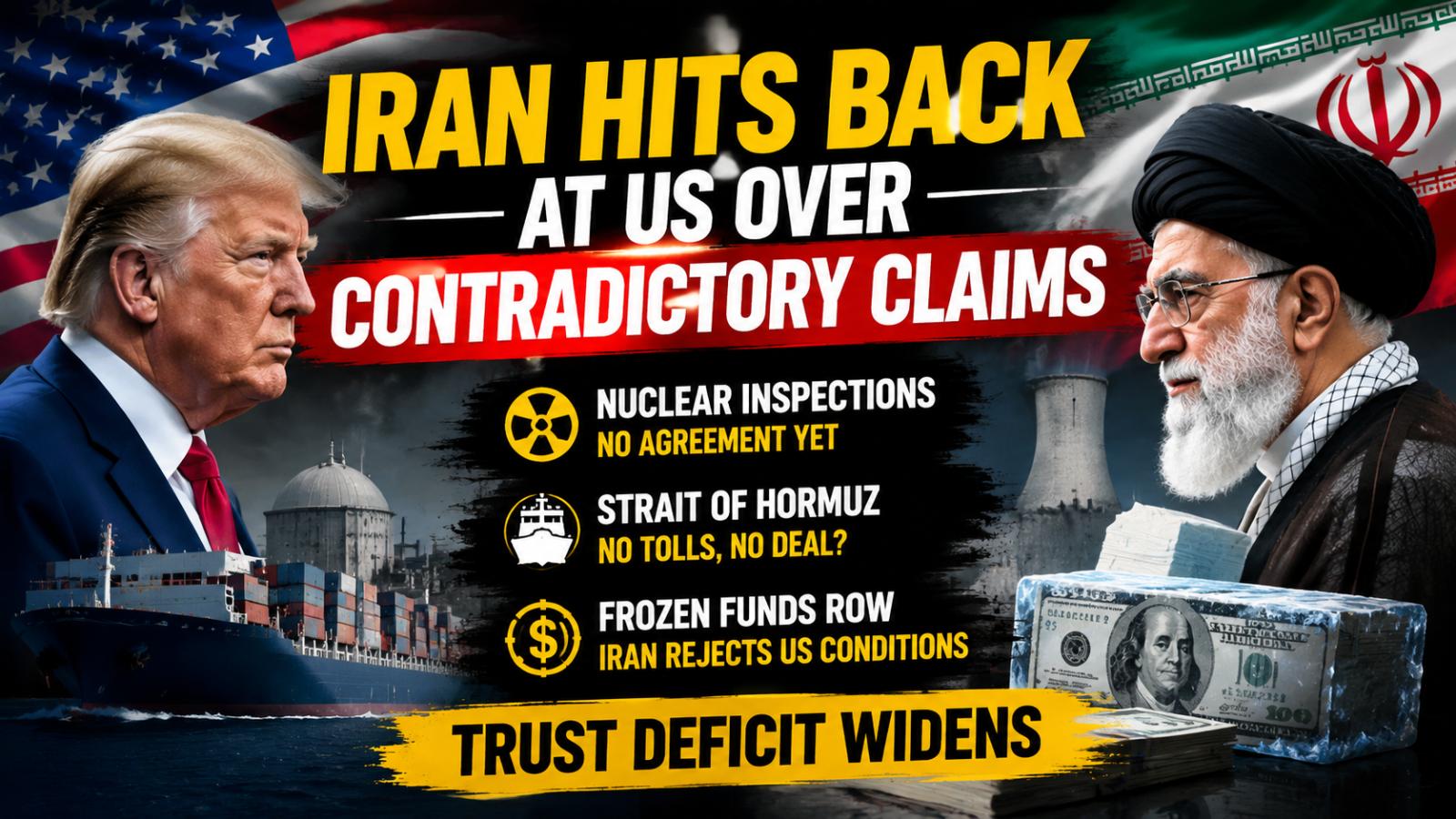
Iran Criticises Contradictory US Statements on MoU Iran’s Foreign Ministry has raised concerns over what it described as inconsistent statements from US officials regarding a memorandum of understanding aimed at ending recent conflict-related tensions. According to Foreign Ministry spokesperson Esmaeil Baghaei, the differing positions from Washington are reinforcing
Iran Slams US Officials Over Contradictory Nuclear and Trade Claims
Iran Criticises Contradictory US Statements on MoU Iran’s Foreign Ministry has raised concerns over what it described as inconsistent statements from US officials regarding a memorandum of understanding aimed at ending recent conflict-related tensions. According to Foreign Ministry spokesperson Esmaeil Baghaei, the differing positions from Washington are reinforcing
Cornell Tata Scholarship: Eligibility, Financial Aid and How to Apply
The Cornell Tata Scholarship provides need-based financial aid to eligible undergraduate students who attended secondary school in India. Applicants must gain admission to Cornell University, demonstrate financial need and complete the university’s required financial-aid process. Created through a $25 million endowment from the Tata Education and Development Trust, the program supports about 20 scholars at any one time and awards assistance annually.
Cornell Tata Scholarship: Eligibility, Financial Aid and How to Apply
The Cornell Tata Scholarship provides need-based financial aid to eligible undergraduate students who attended secondary school in India. Applicants must gain admission to Cornell University, demonstrate financial need and complete the university’s required financial-aid process. Created through a $25 million endowment from the Tata Education and Development Trust, the program supports about 20 scholars at any one time and awards assistance annually.
Ro Khanna Challenges Elon Musk to Debate DOGE Cuts, Lawsuit Threat
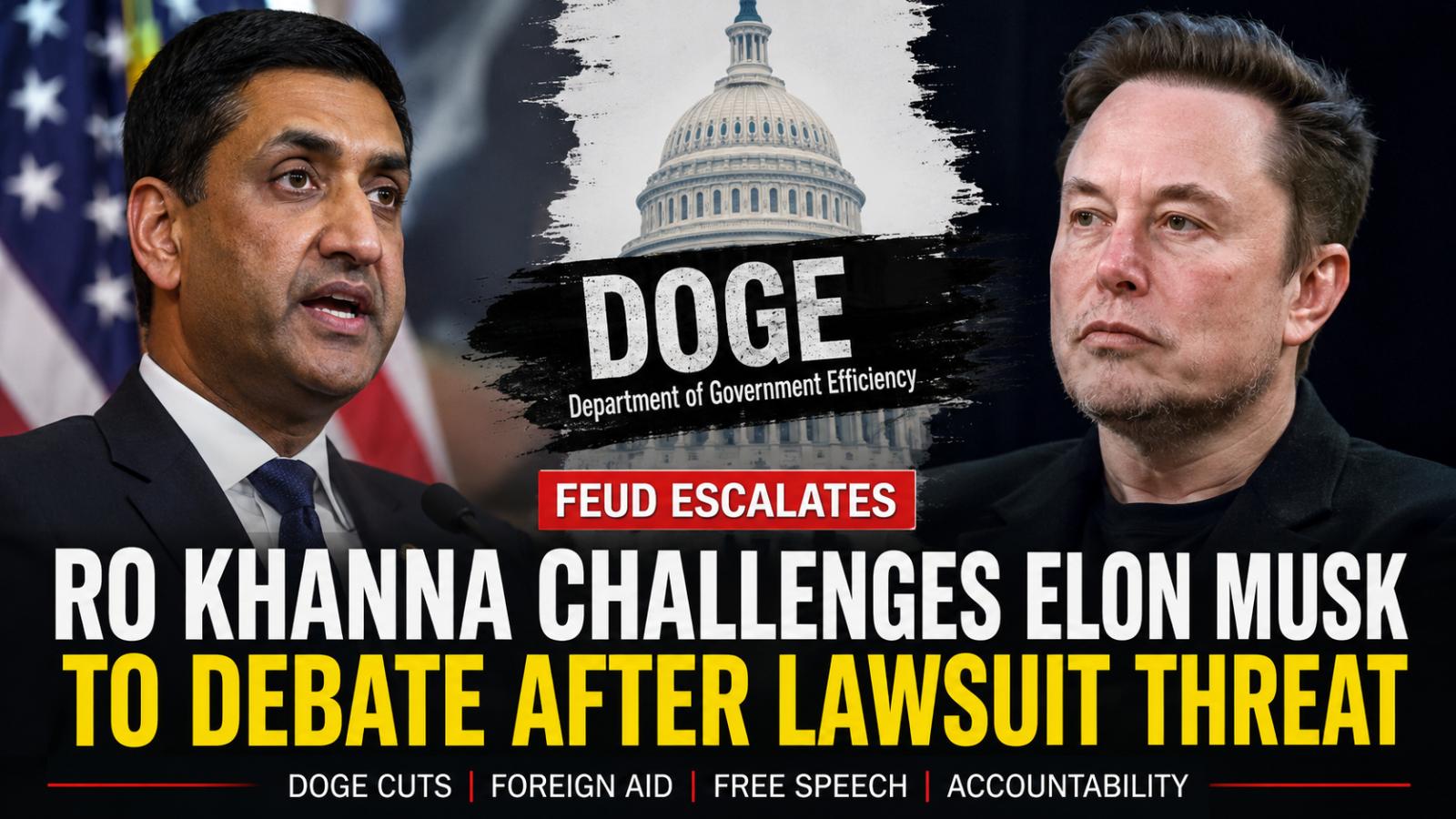
Ro Khanna challenged Elon Musk to a public debate after the billionaire threatened legal action over the California congressman’s criticism of DOGE spending cuts and their possible humanitarian consequences. The dispute intensified in Washington, D.C., on Monday, June 22, 2026, after Musk criticized Khanna on X, called him a liar and suggested that his comments could warrant legal or criminal consequences. Ro Khanna challenges Elon Musk over DOGE cuts
Ro Khanna Challenges Elon Musk to Debate DOGE Cuts, Lawsuit Threat
Ro Khanna challenged Elon Musk to a public debate after the billionaire threatened legal action over the California congressman’s criticism of DOGE spending cuts and their possible humanitarian consequences. The dispute intensified in Washington, D.C., on Monday, June 22, 2026, after Musk criticized Khanna on X, called him a liar and suggested that his comments could warrant legal or criminal consequences. Ro Khanna challenges Elon Musk over DOGE cuts
Two Arrested in Chino Hills BAPS Temple Burglary Investigation
CHINO HILLS, Calif. — Two men have been arrested in the Chino Hills BAPS temple burglary investigation, the San Bernardino County Sheriff’s Department announced on Wednesday, June 24, 2026. David Sanchez, 48, and Joseph Hernandez, 32, both of Chino Hills, are accused of entering the BAPS Shri Swaminarayan Mandir earlier in June and stealing property from the temple, according to investigators. What investigators found in the C
Two Arrested in Chino Hills BAPS Temple Burglary Investigation
CHINO HILLS, Calif. — Two men have been arrested in the Chino Hills BAPS temple burglary investigation, the San Bernardino County Sheriff’s Department announced on Wednesday, June 24, 2026. David Sanchez, 48, and Joseph Hernandez, 32, both of Chino Hills, are accused of entering the BAPS Shri Swaminarayan Mandir earlier in June and stealing property from the temple, according to investigators. What investigators found in the C
Mount Carmel to Close Franklinton ER, Open Walk-In Care Hub
Mount Carmel’s Franklinton ER closure is scheduled for Aug. 22, followed by the opening of a walk-in primary and preventive care hub in Columbus on Aug. 24. The health system said the shift is intended to improve access to routine care while reducing avoidable emergency department visits. What the Franklinton ER closure means for patients The emergency room at the former Mount Carmel West campus will stop operating on Aug. 22. The nearest emergency dep
Mount Carmel to Close Franklinton ER, Open Walk-In Care Hub
Mount Carmel’s Franklinton ER closure is scheduled for Aug. 22, followed by the opening of a walk-in primary and preventive care hub in Columbus on Aug. 24. The health system said the shift is intended to improve access to routine care while reducing avoidable emergency department visits. What the Franklinton ER closure means for patients The emergency room at the former Mount Carmel West campus will stop operating on Aug. 22. The nearest emergency dep
Redwood Valley earthquake June 24: M5.6 quake triggers alerts
A preliminary magnitude 5.6 earthquake struck near Redwood Valley in Mendocino County at approximately 8:10 a.m. Pacific Time on Wednesday, June 24, 2026, triggering earthquake alerts across parts of Northern California, including the San Francisco Bay Area. The Redwood Valley earthquake on June 24, 2026, was centered north of Ukiah at a depth of approximately 5 miles, according to preliminary information from the U.S. Geo
Redwood Valley earthquake June 24: M5.6 quake triggers alerts
A preliminary magnitude 5.6 earthquake struck near Redwood Valley in Mendocino County at approximately 8:10 a.m. Pacific Time on Wednesday, June 24, 2026, triggering earthquake alerts across parts of Northern California, including the San Francisco Bay Area. The Redwood Valley earthquake on June 24, 2026, was centered north of Ukiah at a depth of approximately 5 miles, according to preliminary information from the U.S. Geo
Obama Center Museum Tickets for Fall 2026 Go on Sale July 8
Obama Center museum tickets for fall 2026 will go on sale to the public on Wednesday, July 8, 2026, after strong demand reduced much of the initial inventory. The timed-admission tickets will cover visits from September 2026 through January 2027. The Obama Foundation announced the additional release on Tuesday, June 23, 2026. Founding members will receive early access beginning Wednesday, July 1, 2026. How to Reserve Obama Center Museum Tickets for Fall 2026
Obama Center Museum Tickets for Fall 2026 Go on Sale July 8
Obama Center museum tickets for fall 2026 will go on sale to the public on Wednesday, July 8, 2026, after strong demand reduced much of the initial inventory. The timed-admission tickets will cover visits from September 2026 through January 2027. The Obama Foundation announced the additional release on Tuesday, June 23, 2026. Founding members will receive early access beginning Wednesday, July 1, 2026. How to Reserve Obama Center Museum Tickets for Fall 2026
US-India Trade Talks Advance as Greer Highlights AI Cooperation
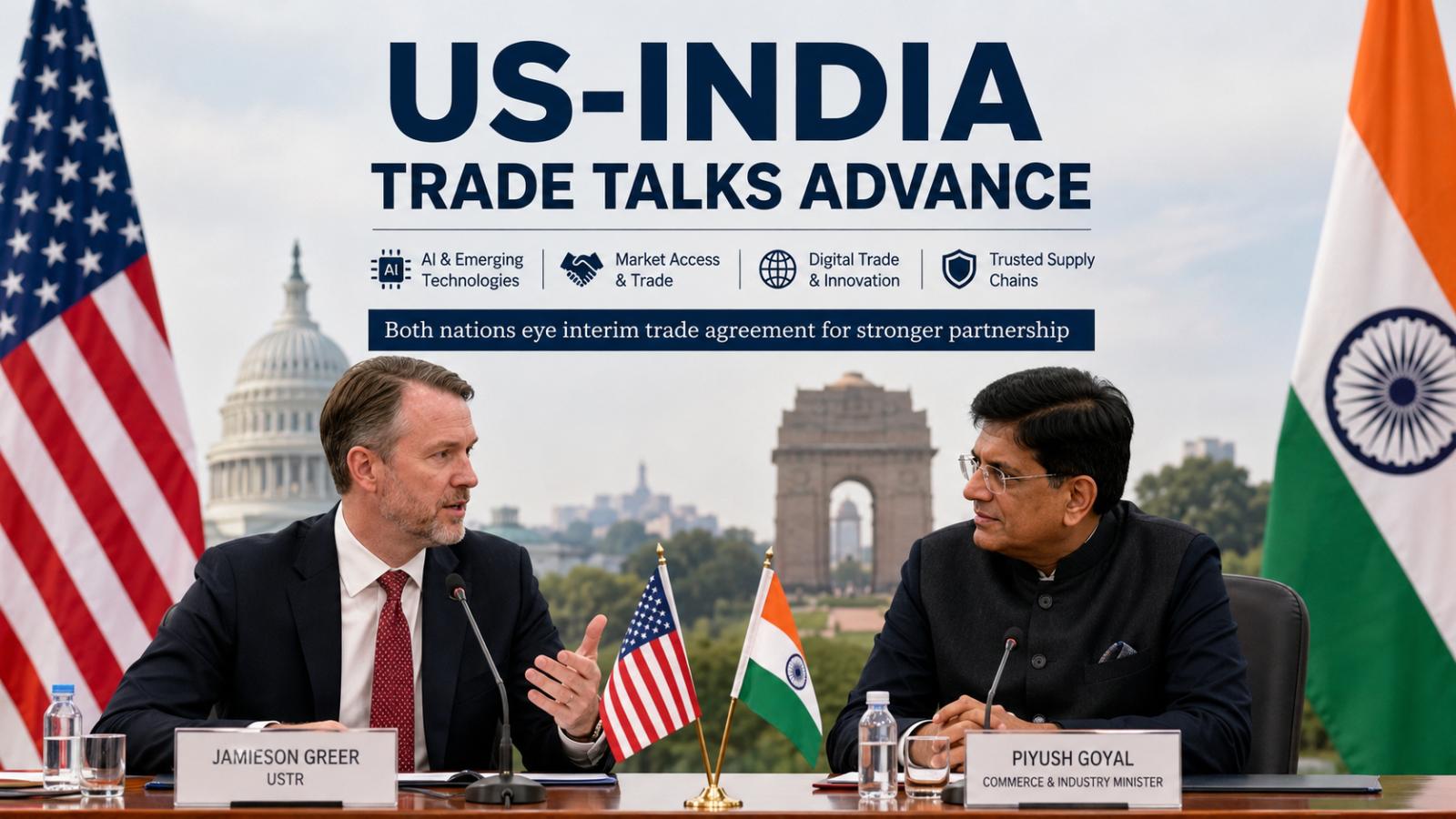
The United States and India reported substantial progress on Wednesday, June 24, 2026, toward an interim bilateral trade agreement, as U.S. Trade Representative Jamieson Greer highlighted artificial intelligence and emerging technologies as growing areas of cooperation. Greer visited New Delhi from Monday, June 22, through Wednesday, June 24, 2026, and held multiple rounds of talks with Indian Commerce and Industry Minister Piyush Goyal. US-India Trade Talks Focus
US-India Trade Talks Advance as Greer Highlights AI Cooperation
The United States and India reported substantial progress on Wednesday, June 24, 2026, toward an interim bilateral trade agreement, as U.S. Trade Representative Jamieson Greer highlighted artificial intelligence and emerging technologies as growing areas of cooperation. Greer visited New Delhi from Monday, June 22, through Wednesday, June 24, 2026, and held multiple rounds of talks with Indian Commerce and Industry Minister Piyush Goyal. US-India Trade Talks Focus
Andhra launches Jonnagiri gold project as SGF push gains pace
Andhra Pushes Jonnagiri Goldfield Under SGF Vision The Andhra Pradesh government has officially accelerated its push into large-scale gold mining with the inauguration of the Jonnagiri goldfield project. The development has quickly triggered comparisons with the historically famous Kolar Gold Fields, though such parallels remain more symbolic than operational. The narr
Andhra launches Jonnagiri gold project as SGF push gains pace
Andhra Pushes Jonnagiri Goldfield Under SGF Vision The Andhra Pradesh government has officially accelerated its push into large-scale gold mining with the inauguration of the Jonnagiri goldfield project. The development has quickly triggered comparisons with the historically famous Kolar Gold Fields, though such parallels remain more symbolic than operational. The narr
China Shenlong mission sparks debate after object release
A Chinese reusable spacecraft linked to the Shenlong program has triggered fresh global scrutiny after tracking data showed a separate object appearing in close proximity during its latest orbital phase. The event, observed in June 2026, has added new uncertainty around the nature of China’s secretive spaceplane operations. Tracking data reveals unexpected separation in orbit Independent space surveillance firm LeoLabs reported detection of a new object near the Shenlong spacecraft during routine orbital monitoring. The timing and proximity suggested a possible release or separation event from the main vehicle. The object was later incorporated into the US Space Force satellite catalog, allowing continued tracking through global space surveillance networks. What the Shenlong spaceplane is designed for Shenlong spaceplane is China’s experimental reusable orbital vehicle designed to launch via rocket and return to Earth like a conventional aircraft. The system is believed to support long-duration missions involving orbital testing, reconnaissance experiments, and reusable spacecraft technologies. It is often compared to the US X-37B program due to its similar operational profile and secrecy surrounding mission objectives. Launch background and mission profile The spacecraft associated with this mission was launched from the Jiuquan Satellite Launch Center aboard a Long March 2F rocket. Since launch, Chinese authorities have released minimal operational details, leaving external analysts to rely heavily on radar tracking, orbital behavior, and third-party observations to interpret mission activity. Why the object detection raised questions The appearance of a separate object in close orbital proximity has led analysts to consider several possibilities, including experimental deployment, satellite servicing tests, or controlled separation of hardware. While none of these scenarios have been confirmed, the pattern aligns with rendezvous and proximity operations (RPO), a capability used for inspecting or interacting with objects in space. Strategic implications and global monitoring The development is being closely monitored because RPO technology has dual-use applications. It can support peaceful maintenance missions but also enable advanced surveillance or counter-space capabilities. As a result, both US and international tracking systems continue to observe Shenlong missions for behavioral patterns that may indicate evolving strategic capabilities. Ongoing uncertainty around mission details Despite growing external analysis, no official clarification has been issued regarding the nature of the detected object. This lack of transparency keeps the mission under active observation, with each new orbital event contributing to broader assessments of China’s reusable spacecraft program and its long-term strategic direction.
China Shenlong mission sparks debate after object release
A Chinese reusable spacecraft linked to the Shenlong program has triggered fresh global scrutiny after tracking data showed a separate object appearing in close proximity during its latest orbital phase. The event, observed in June 2026, has added new uncertainty around the nature of China’s secretive spaceplane operations. Tracking data reveals unexpected separation in orbit Independent space surveillance firm LeoLabs reported detection of a new object near the Shenlong spacecraft during routine orbital monitoring. The timing and proximity suggested a possible release or separation event from the main vehicle. The object was later incorporated into the US Space Force satellite catalog, allowing continued tracking through global space surveillance networks. What the Shenlong spaceplane is designed for Shenlong spaceplane is China’s experimental reusable orbital vehicle designed to launch via rocket and return to Earth like a conventional aircraft. The system is believed to support long-duration missions involving orbital testing, reconnaissance experiments, and reusable spacecraft technologies. It is often compared to the US X-37B program due to its similar operational profile and secrecy surrounding mission objectives. Launch background and mission profile The spacecraft associated with this mission was launched from the Jiuquan Satellite Launch Center aboard a Long March 2F rocket. Since launch, Chinese authorities have released minimal operational details, leaving external analysts to rely heavily on radar tracking, orbital behavior, and third-party observations to interpret mission activity. Why the object detection raised questions The appearance of a separate object in close orbital proximity has led analysts to consider several possibilities, including experimental deployment, satellite servicing tests, or controlled separation of hardware. While none of these scenarios have been confirmed, the pattern aligns with rendezvous and proximity operations (RPO), a capability used for inspecting or interacting with objects in space. Strategic implications and global monitoring The development is being closely monitored because RPO technology has dual-use applications. It can support peaceful maintenance missions but also enable advanced surveillance or counter-space capabilities. As a result, both US and international tracking systems continue to observe Shenlong missions for behavioral patterns that may indicate evolving strategic capabilities. Ongoing uncertainty around mission details Despite growing external analysis, no official clarification has been issued regarding the nature of the detected object. This lack of transparency keeps the mission under active observation, with each new orbital event contributing to broader assessments of China’s reusable spacecraft program and its long-term strategic direction.
Israel shifts defence strategy amid US political strain
Tensions between Israel and the United States over regional security priorities have added pressure on Prime Minister Benjamin Netanyahu’s government to accelerate its push for greater military independence. The discussion has gained momentum as Israel continues operations linked to Iran-backed groups while simultaneously responding to diplomatic developments involving Washington and Tehran. Netanyahu recently emphasized that Israel cannot depend entirely on external military supply chains for long-term security needs. His remarks were delivered during a meeting with reserve officers in the West Bank, where he highlighted the importance of strengthening domestic defence production and reducing strategic vulnerabilities linked to foreign policy shifts. Domestic defence capacity becomes a strategic priority Israeli leadership is increasingly focused on expanding its local defence manufacturing ecosystem. The plan includes scaling up production of advanced weapon systems, improving technological innovation within the military sector, and reducing delays caused by international procurement dependencies. Officials argue that while US military support remains critical, future conflict scenarios require Israel to maintain uninterrupted access to essential defence capabilities without external constraints. This shift reflects broader concerns about regional instability and the speed at which security threats evolve. Diplomatic friction over regional agreements Recent US-led diplomatic efforts involving Iran have added another layer of complexity to the relationship. Israeli policymakers have expressed concern that regional understandings may not fully address threats posed by groups such as Hezbollah, which continue to operate along Israel’s northern border. From Israel’s perspective, security decisions tied to immediate threats cannot be constrained by broader international agreements. This difference in approach has created periodic friction between Washington and Jerusalem, even as both sides publicly reaffirm their strategic partnership. Political messaging highlights diverging priorities Netanyahu’s statements also reflect internal political messaging aimed at reinforcing a doctrine of strategic independence. While maintaining that the US remains Israel’s most important ally, he has repeatedly stressed that national security decisions must ultimately remain under Israeli control. The debate has also been reflected in wider political discourse, including commentary associated with US political figures and shifting positions on Middle East engagement. Although both governments continue coordination on defence matters, differences in threat assessment and timing of responses remain evident. Strategic autonomy framed as long-term necessity Israeli officials describe the current shift not as a break from alliances but as a recalibration of priorities. The focus is on ensuring that Israel can respond rapidly to evolving threats in a region marked by proxy conflicts, cross-border tensions, and shifting diplomatic alignments. The emerging strategy positions defence self-reliance as a structural requirement rather than a temporary policy adjustment, signaling a longer-term transformation in how Israel plans its security framework.


Israel shifts defence strategy amid US political strain
Tensions between Israel and the United States over regional security priorities have added pressure on Prime Minister Benjamin Netanyahu’s government to accelerate its push for greater military independence. The discussion has gained momentum as Israel continues operations linked to Iran-backed groups while simultaneously responding to diplomatic developments involving Washington and Tehran. Netanyahu recently emphasized that Israel cannot depend entirely on external military supply chains for long-term security needs. His remarks were delivered during a meeting with reserve officers in the West Bank, where he highlighted the importance of strengthening domestic defence production and reducing strategic vulnerabilities linked to foreign policy shifts. Domestic defence capacity becomes a strategic priority Israeli leadership is increasingly focused on expanding its local defence manufacturing ecosystem. The plan includes scaling up production of advanced weapon systems, improving technological innovation within the military sector, and reducing delays caused by international procurement dependencies. Officials argue that while US military support remains critical, future conflict scenarios require Israel to maintain uninterrupted access to essential defence capabilities without external constraints. This shift reflects broader concerns about regional instability and the speed at which security threats evolve. Diplomatic friction over regional agreements Recent US-led diplomatic efforts involving Iran have added another layer of complexity to the relationship. Israeli policymakers have expressed concern that regional understandings may not fully address threats posed by groups such as Hezbollah, which continue to operate along Israel’s northern border. From Israel’s perspective, security decisions tied to immediate threats cannot be constrained by broader international agreements. This difference in approach has created periodic friction between Washington and Jerusalem, even as both sides publicly reaffirm their strategic partnership. Political messaging highlights diverging priorities Netanyahu’s statements also reflect internal political messaging aimed at reinforcing a doctrine of strategic independence. While maintaining that the US remains Israel’s most important ally, he has repeatedly stressed that national security decisions must ultimately remain under Israeli control. The debate has also been reflected in wider political discourse, including commentary associated with US political figures and shifting positions on Middle East engagement. Although both governments continue coordination on defence matters, differences in threat assessment and timing of responses remain evident. Strategic autonomy framed as long-term necessity Israeli officials describe the current shift not as a break from alliances but as a recalibration of priorities. The focus is on ensuring that Israel can respond rapidly to evolving threats in a region marked by proxy conflicts, cross-border tensions, and shifting diplomatic alignments. The emerging strategy positions defence self-reliance as a structural requirement rather than a temporary policy adjustment, signaling a longer-term transformation in how Israel plans its security framework.
London court orders Nirav Modi to repay Bank of India dues
A London court has ruled against diamond merchant Nirav Modi in a financial dispute involving Bank of India, ordering him to repay approximately $10.7 million linked to a defaulted corporate loan. The judgment strengthens the bank’s claim that Modi remains personally liable under a guarantee tied to funding extended to his overseas diamond trading entity. Court upholds personal guarantee obligation
London court orders Nirav Modi to repay Bank of India dues
A London court has ruled against diamond merchant Nirav Modi in a financial dispute involving Bank of India, ordering him to repay approximately $10.7 million linked to a defaulted corporate loan. The judgment strengthens the bank’s claim that Modi remains personally liable under a guarantee tied to funding extended to his overseas diamond trading entity. Court upholds personal guarantee obligation
US Iran dispute deepens after Pakistan clarifies missile claims
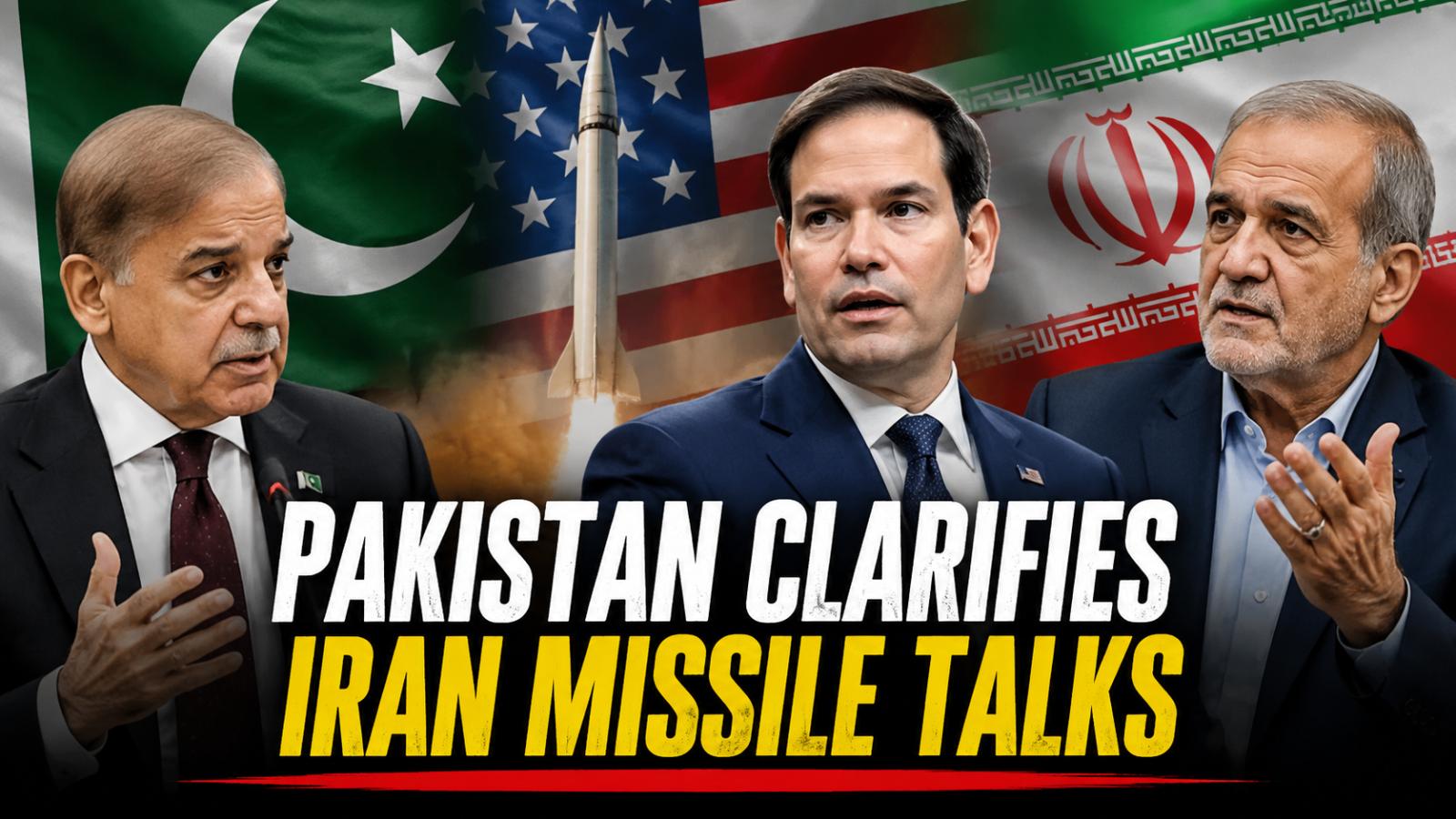
Confusion over alleged discussions involving Iran’s missile capabilities in US–Iran diplomatic engagement was addressed by Pakistan after multiple conflicting interpretations surfaced from international officials. Prime Minister Shehbaz Sharif clarified that no such subject was included in any current structured understanding between Washington and Tehran, pushing back against circulating claims that had gained attention in diplomatic circles.
US Iran dispute deepens after Pakistan clarifies missile claims
Confusion over alleged discussions involving Iran’s missile capabilities in US–Iran diplomatic engagement was addressed by Pakistan after multiple conflicting interpretations surfaced from international officials. Prime Minister Shehbaz Sharif clarified that no such subject was included in any current structured understanding between Washington and Tehran, pushing back against circulating claims that had gained attention in diplomatic circles.
France heatwave shuts landmarks as tourism faces disruption
France is experiencing an intense heat surge that has pushed temperatures across several regions to dangerous levels, placing large parts of the country under the highest weather alert category. Authorities have warned that the current conditions are among the most severe in recent years, with urban areas like Paris feeling the strongest impact due to dense infrastructure and limited night-time cooling. Paris tourism slows as conditions become unsafe Tourist activity in Paris has taken a noticeable hit as extreme heat makes outdoor movement difficult during peak hours. Visitors are shortening itineraries, avoiding long walking routes, and shifting to indoor attractions wherever possible. Public spaces remain crowded, but activity is largely concentrated in shaded areas and air-conditioned venues as people try to avoid prolonged exposure. Major landmarks adjust operations due to heat stress Several iconic sites have been forced to modify schedules in response to the heat conditions. The Eiffel Tower has adjusted operating hours, closing earlier than usual to reduce visitor risk during peak temperatures. The Louvre Museum has also shifted to reduced visiting hours, prioritizing safety for both staff and tourists. Other regional attractions have issued advisories urging travelers to delay or reschedule visits until conditions improve. Weather pattern driving the extreme temperatures Meteorologists attribute the heat surge to a stalled atmospheric pattern that is trapping warm air over Western Europe. This system is reinforced by hot air moving in from North Africa, intensifying the temperature spike across France. Combined with stagnant wind conditions, the heat is persisting longer than typical summer peaks, limiting overnight cooling and increasing strain on infrastructure. Climate trend raising frequency of extreme heat events Experts note that Europe is warming faster than many other regions globally, contributing to more frequent and intense heat episodes. France is increasingly experiencing prolonged summer heat events that disrupt transport, tourism, and daily routines. The current situation highlights how rising baseline temperatures are turning what were once rare extremes into recurring seasonal challenges.
France heatwave shuts landmarks as tourism faces disruption
France is experiencing an intense heat surge that has pushed temperatures across several regions to dangerous levels, placing large parts of the country under the highest weather alert category. Authorities have warned that the current conditions are among the most severe in recent years, with urban areas like Paris feeling the strongest impact due to dense infrastructure and limited night-time cooling. Paris tourism slows as conditions become unsafe Tourist activity in Paris has taken a noticeable hit as extreme heat makes outdoor movement difficult during peak hours. Visitors are shortening itineraries, avoiding long walking routes, and shifting to indoor attractions wherever possible. Public spaces remain crowded, but activity is largely concentrated in shaded areas and air-conditioned venues as people try to avoid prolonged exposure. Major landmarks adjust operations due to heat stress Several iconic sites have been forced to modify schedules in response to the heat conditions. The Eiffel Tower has adjusted operating hours, closing earlier than usual to reduce visitor risk during peak temperatures. The Louvre Museum has also shifted to reduced visiting hours, prioritizing safety for both staff and tourists. Other regional attractions have issued advisories urging travelers to delay or reschedule visits until conditions improve. Weather pattern driving the extreme temperatures Meteorologists attribute the heat surge to a stalled atmospheric pattern that is trapping warm air over Western Europe. This system is reinforced by hot air moving in from North Africa, intensifying the temperature spike across France. Combined with stagnant wind conditions, the heat is persisting longer than typical summer peaks, limiting overnight cooling and increasing strain on infrastructure. Climate trend raising frequency of extreme heat events Experts note that Europe is warming faster than many other regions globally, contributing to more frequent and intense heat episodes. France is increasingly experiencing prolonged summer heat events that disrupt transport, tourism, and daily routines. The current situation highlights how rising baseline temperatures are turning what were once rare extremes into recurring seasonal challenges.