







Early petrol retail system in colonial India explained
India’s early petrol retail system began in the early 1920s during the British colonial period when automobiles were still a rare luxury. The petrol retail system in colonial India first appeared in major cities like Bombay (Mumbai) and Calcutta (Kolkata). At that time, there were no modern fuel stations, and petrol was supplied through depots, barrels, and basic manual systems. This early structure marked the foundation of the petrol retail system in colonial India and served only a limited group of users. Dependence on imported fuel sources During this period, India had very limited oil production. Most petrol was imported through the British imperial trade network. The imported oil came mainly from Burma, Persia, and other oil-producing regions under British control. This imported oil system made India heavily dependent on external sources for fuel supply. The oil import system played a key role in shaping how early petrol retail operations functioned across cities. Role of burmah shell in fuel distribution One of the major companies involved was Burmah Shell, which managed fuel storage and distribution across urban centers. Burmah Shell India operated depots and controlled the supply chain in key regions. These early fuel depots were not modern petrol pumps but organized colonial-era storage and distribution points. The company played a central role in shaping early fuel retail operations and expanding access in cities. Manual petrol pumps and basic technology Early petrol stations used manual petrol pump systems instead of modern electric dispensers. Fuel was moved using hand-operated pumps or gravity-fed systems from barrels into containers or vehicles. Workers had to physically operate the system, making the process slow and labor-intensive. This manual petrol pump system represented the early stage of fuel retail evolution in India. Limited access and elite vehicle ownership Vehicle ownership during the colonial period was extremely limited. Cars were mainly owned by British officials, princely rulers, and wealthy Indian elites. Because of this, petrol usage was also restricted to a small section of society. While there were no legal restrictions on petrol access, high costs and limited infrastructure made it inaccessible for the general population. Evolution towards modern petrol stations By the 1930s and 1940s, with increasing automobile usage, the petrol retail system began to evolve. Basic depots gradually transformed into structured petrol stations with better storage systems and improved dispensing technology. This transition marked the beginning of modern fuel retail development in India, leading to today’s automated petrol pump network.
Early petrol retail system in colonial India explained
India’s early petrol retail system began in the early 1920s during the British colonial period when automobiles were still a rare luxury. The petrol retail system in colonial India first appeared in major cities like Bombay (Mumbai) and Calcutta (Kolkata). At that time, there were no modern fuel stations, and petrol was supplied through depots, barrels, and basic manual systems. This early structure marked the foundation of the petrol retail system in colonial India and served only a limited group of users. Dependence on imported fuel sources During this period, India had very limited oil production. Most petrol was imported through the British imperial trade network. The imported oil came mainly from Burma, Persia, and other oil-producing regions under British control. This imported oil system made India heavily dependent on external sources for fuel supply. The oil import system played a key role in shaping how early petrol retail operations functioned across cities. Role of burmah shell in fuel distribution One of the major companies involved was Burmah Shell, which managed fuel storage and distribution across urban centers. Burmah Shell India operated depots and controlled the supply chain in key regions. These early fuel depots were not modern petrol pumps but organized colonial-era storage and distribution points. The company played a central role in shaping early fuel retail operations and expanding access in cities. Manual petrol pumps and basic technology Early petrol stations used manual petrol pump systems instead of modern electric dispensers. Fuel was moved using hand-operated pumps or gravity-fed systems from barrels into containers or vehicles. Workers had to physically operate the system, making the process slow and labor-intensive. This manual petrol pump system represented the early stage of fuel retail evolution in India. Limited access and elite vehicle ownership Vehicle ownership during the colonial period was extremely limited. Cars were mainly owned by British officials, princely rulers, and wealthy Indian elites. Because of this, petrol usage was also restricted to a small section of society. While there were no legal restrictions on petrol access, high costs and limited infrastructure made it inaccessible for the general population. Evolution towards modern petrol stations By the 1930s and 1940s, with increasing automobile usage, the petrol retail system began to evolve. Basic depots gradually transformed into structured petrol stations with better storage systems and improved dispensing technology. This transition marked the beginning of modern fuel retail development in India, leading to today’s automated petrol pump network.

Siya Goyal Case: Parents Demand Strict Action If Murder Charges Proven
The shocking death of Ketan Agarwal at Pune's Lohagad Fort has taken an emotional turn after the parents of accused Siya Goyal publicly stated that they would support the harshest punishment if their daughter is found guilty. The case has become one of the most talked-about crime stories in Maharashtra, with investigators alleging that Siya Goyal and her alleged boyfriend, Chetan Chaudhary, conspired to kill Ketan by pushing him into a gor
Siya Goyal Case: Parents Demand Strict Action If Murder Charges Proven
The shocking death of Ketan Agarwal at Pune's Lohagad Fort has taken an emotional turn after the parents of accused Siya Goyal publicly stated that they would support the harshest punishment if their daughter is found guilty. The case has become one of the most talked-about crime stories in Maharashtra, with investigators alleging that Siya Goyal and her alleged boyfriend, Chetan Chaudhary, conspired to kill Ketan by pushing him into a gor

Muharram 2026: Meaning, History, Significance of Ashura & Islamic New Year
What Does Muharram Mean? The word "Muharram" comes from the Arabic term "Al-Muharram," which means "forbidden" or "sacred." The month derives its name from the prohibition of warfare and bloodshed during this sacred period. Islam recognizes four sacred months in the lunar calendar: Muharram Rajab Dhul Qa'dah Dhul Hijjah These months are considered especially holy, and Muslims are encour
Muharram 2026: Meaning, History, Significance of Ashura & Islamic New Year
What Does Muharram Mean? The word "Muharram" comes from the Arabic term "Al-Muharram," which means "forbidden" or "sacred." The month derives its name from the prohibition of warfare and bloodshed during this sacred period. Islam recognizes four sacred months in the lunar calendar: Muharram Rajab Dhul Qa'dah Dhul Hijjah These months are considered especially holy, and Muslims are encour

AR Rahman Receives Golden Plate Award From Peter Jackson
A.R. Rahman has received the Golden Plate Award from the American Academy of Achievement in Washington, with filmmaker Peter Jackson presenting the honour. The recognition marks another proud global moment for the Oscar-winning Indian composer and for Indian music. AR Rahman Receives Golden Plate Award Music maestro A.R. Rahman has been honoured with the Golden Plate Award at an American Academy of Achievement
AR Rahman Receives Golden Plate Award From Peter Jackson
A.R. Rahman has received the Golden Plate Award from the American Academy of Achievement in Washington, with filmmaker Peter Jackson presenting the honour. The recognition marks another proud global moment for the Oscar-winning Indian composer and for Indian music. AR Rahman Receives Golden Plate Award Music maestro A.R. Rahman has been honoured with the Golden Plate Award at an American Academy of Achievement

Russian army dissent claims raise tension over Ukraine war
A video circulating online featuring former Russian volunteer commander Alexander Lunin has triggered discussion about possible internal strain within sections of Russia’s military. In the recording, he suggests that prolonged combat operations in Ukraine have created growing frustration among some soldiers, though no independent verification supports claims of organized unrest. The remarks have drawn attention because public criticism linke
Russian army dissent claims raise tension over Ukraine war
A video circulating online featuring former Russian volunteer commander Alexander Lunin has triggered discussion about possible internal strain within sections of Russia’s military. In the recording, he suggests that prolonged combat operations in Ukraine have created growing frustration among some soldiers, though no independent verification supports claims of organized unrest. The remarks have drawn attention because public criticism linke

B-52 nuclear alert during Cuban missile crisis explained simply
The discovery of Soviet missiles in Cuba pushed the United States and the Soviet Union into a direct nuclear confrontation. With only a short distance separating missile sites from U.S. territory, decision-makers in Washington treated the situation as an immediate existential threat rather than a routine diplomatic crisis. Shift to maximum military readiness As intelligence confirmed missile dep
B-52 nuclear alert during Cuban missile crisis explained simply
The discovery of Soviet missiles in Cuba pushed the United States and the Soviet Union into a direct nuclear confrontation. With only a short distance separating missile sites from U.S. territory, decision-makers in Washington treated the situation as an immediate existential threat rather than a routine diplomatic crisis. Shift to maximum military readiness As intelligence confirmed missile dep

Public sentiment shifts as US founders poll shows concern
A recent Gallup survey points to a noticeable shift in how Americans view the country’s long-term direction. A large majority of respondents believe the original founders of the United States would not be satisfied with how the nation has developed as it moves closer to 250 years of independence. The findings highlight a broader sense of uncertainty around civic direction and institutional confidence. Strong majority signals dissatisfaction According to the survey results, roughly 77% of adults feel that the nation has drifted away from the principles associated with its founding era. Only a small portion believe the founders would view the country positively today. The imbalance in responses reflects a clear dominance of dissatisfaction rather than divided optimism. Political identity shapes perception The responses vary significantly depending on political affiliation. People aligned with Republican views show relatively higher optimism compared to others, while Democrats are more likely to express disappointment in current national conditions. Independent respondents fall between the two groups, but overall sentiment across all categories leans toward concern rather than approval. This suggests that dissatisfaction is not confined to a single ideological group but is spread across the spectrum. Younger adults show sharper criticism Age plays an equally important role in shaping opinions. Younger adults are more likely to question whether the country has fulfilled its founding ideals, while older groups tend to express slightly more confidence in national progress over time. This generational gap highlights a difference in expectations, with younger respondents showing lower trust in institutional outcomes. Mixed perception of national progress Despite the dominant view of disappointment, a portion of respondents still acknowledge measurable progress over time. Some believe the country has achieved at least a fair level of alignment with its founding principles, even if perfection remains out of reach. However, this recognition does not outweigh the broader concern reflected in the overall numbers. Broader implications of the findings The results point toward a country navigating contrasting perceptions of identity and progress. While historical pride remains present, it is increasingly accompanied by questions about direction, governance, and shared national values. The survey reflects not just political opinion, but a wider conversation about trust, expectations, and the future trajectory of American civic life.
Public sentiment shifts as US founders poll shows concern
A recent Gallup survey points to a noticeable shift in how Americans view the country’s long-term direction. A large majority of respondents believe the original founders of the United States would not be satisfied with how the nation has developed as it moves closer to 250 years of independence. The findings highlight a broader sense of uncertainty around civic direction and institutional confidence. Strong majority signals dissatisfaction According to the survey results, roughly 77% of adults feel that the nation has drifted away from the principles associated with its founding era. Only a small portion believe the founders would view the country positively today. The imbalance in responses reflects a clear dominance of dissatisfaction rather than divided optimism. Political identity shapes perception The responses vary significantly depending on political affiliation. People aligned with Republican views show relatively higher optimism compared to others, while Democrats are more likely to express disappointment in current national conditions. Independent respondents fall between the two groups, but overall sentiment across all categories leans toward concern rather than approval. This suggests that dissatisfaction is not confined to a single ideological group but is spread across the spectrum. Younger adults show sharper criticism Age plays an equally important role in shaping opinions. Younger adults are more likely to question whether the country has fulfilled its founding ideals, while older groups tend to express slightly more confidence in national progress over time. This generational gap highlights a difference in expectations, with younger respondents showing lower trust in institutional outcomes. Mixed perception of national progress Despite the dominant view of disappointment, a portion of respondents still acknowledge measurable progress over time. Some believe the country has achieved at least a fair level of alignment with its founding principles, even if perfection remains out of reach. However, this recognition does not outweigh the broader concern reflected in the overall numbers. Broader implications of the findings The results point toward a country navigating contrasting perceptions of identity and progress. While historical pride remains present, it is increasingly accompanied by questions about direction, governance, and shared national values. The survey reflects not just political opinion, but a wider conversation about trust, expectations, and the future trajectory of American civic life.

B-52 drag chute system and landing braking explained
The B-52 Stratofortress relies on a drag chute to help slow the aircraft immediately after touchdown. Instead of depending only on wheel brakes, the system deploys a parachute from the rear of the aircraft that creates strong air resistance. This resistance reduces speed quickly and stabilizes the landing rollout, especially important for such a large and heavy bomber. Why the aircraft needs extra braking support A fully loaded B-52 carries enormous mass and lands at high speeds, which naturally generates extreme heat and stress on its wheel braking system. If only standard brakes were used, stopping distance would increase significantly and brake components could overheat or wear out rapidly. The drag chute reduces this burden by absorbing a portion of the kinetic energy during rollout. How the system is activated during landing Once the aircraft touches down and is stable on the runway, the crew initiates the drag chute deployment. A small pilot chute is released first, which pulls out the main parachute from its housing in the tail section. As it inflates, it creates immediate drag force that slows the aircraft even before full brake pressure is applied on the wheels. Impact on runway distance and safety The chute significantly shortens the distance required to bring the bomber to a safe stop. This becomes especially valuable on wet, icy, or short runways where braking efficiency is reduced. By lowering reliance on friction-based braking alone, the system improves safety margins and allows more flexible landing operations in different environments. Operational use in real conditions In practice, crews often rely on the drag chute as a standard part of landing procedures because it protects the braking system and enhances control. It is particularly important during adverse weather conditions or high-weight landings. Ground teams then recover and repack the chute after use for the next mission. A system built for rapid nuclear response... Why the system is still relevant today Despite being designed decades ago, the drag chute remains an effective and simple solution to a complex problem: stopping a very heavy aircraft safely in limited runway space. Its continued use highlights how practical engineering solutions can stay valuable long after the aircraft itself enters modern service cycles.
B-52 drag chute system and landing braking explained
The B-52 Stratofortress relies on a drag chute to help slow the aircraft immediately after touchdown. Instead of depending only on wheel brakes, the system deploys a parachute from the rear of the aircraft that creates strong air resistance. This resistance reduces speed quickly and stabilizes the landing rollout, especially important for such a large and heavy bomber. Why the aircraft needs extra braking support A fully loaded B-52 carries enormous mass and lands at high speeds, which naturally generates extreme heat and stress on its wheel braking system. If only standard brakes were used, stopping distance would increase significantly and brake components could overheat or wear out rapidly. The drag chute reduces this burden by absorbing a portion of the kinetic energy during rollout. How the system is activated during landing Once the aircraft touches down and is stable on the runway, the crew initiates the drag chute deployment. A small pilot chute is released first, which pulls out the main parachute from its housing in the tail section. As it inflates, it creates immediate drag force that slows the aircraft even before full brake pressure is applied on the wheels. Impact on runway distance and safety The chute significantly shortens the distance required to bring the bomber to a safe stop. This becomes especially valuable on wet, icy, or short runways where braking efficiency is reduced. By lowering reliance on friction-based braking alone, the system improves safety margins and allows more flexible landing operations in different environments. Operational use in real conditions In practice, crews often rely on the drag chute as a standard part of landing procedures because it protects the braking system and enhances control. It is particularly important during adverse weather conditions or high-weight landings. Ground teams then recover and repack the chute after use for the next mission. A system built for rapid nuclear response... Why the system is still relevant today Despite being designed decades ago, the drag chute remains an effective and simple solution to a complex problem: stopping a very heavy aircraft safely in limited runway space. Its continued use highlights how practical engineering solutions can stay valuable long after the aircraft itself enters modern service cycles.
Gulf US talks focus Gaza rebuild, Iran risks and Hormuz security
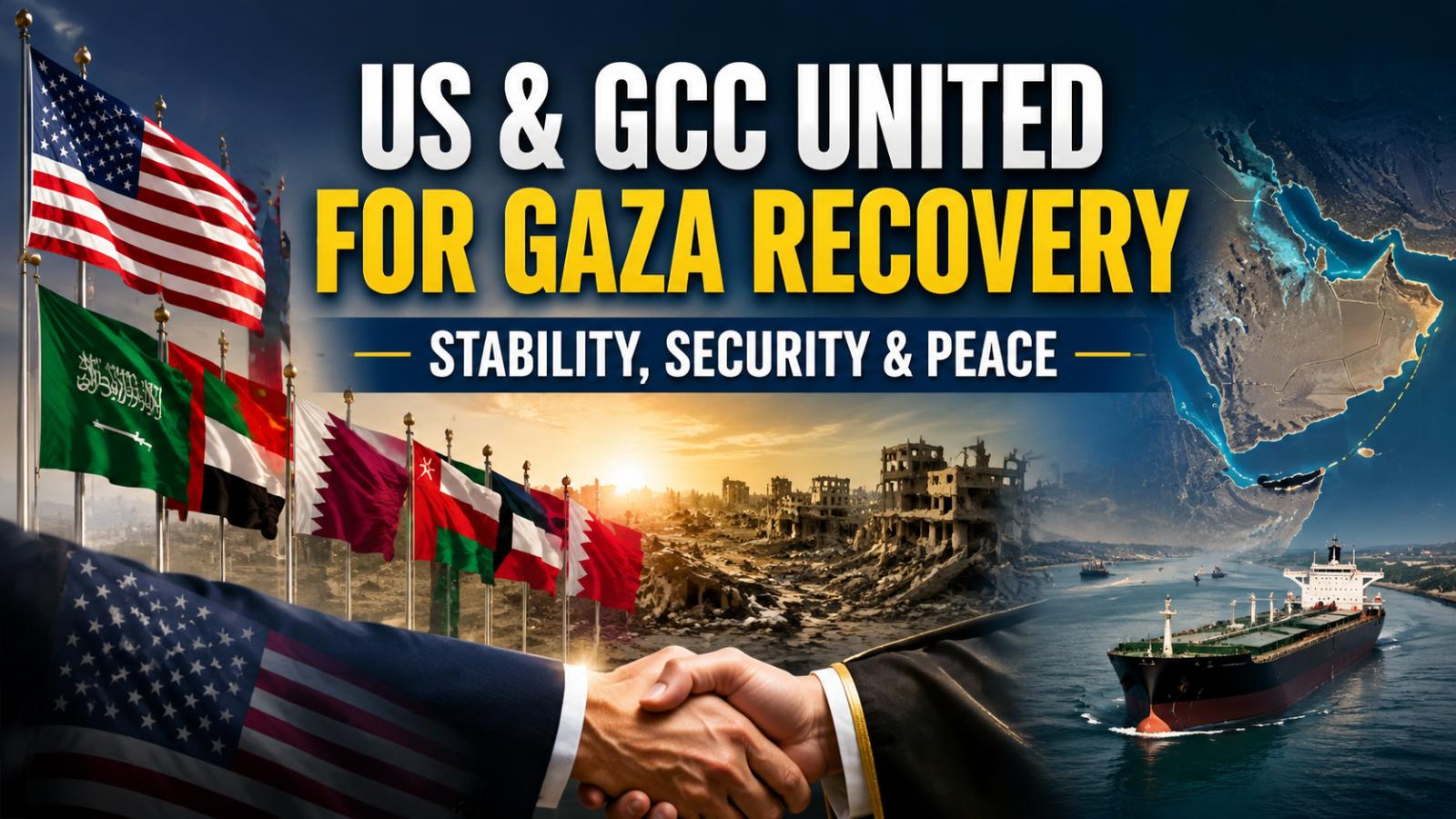
A recent round of discussions between the United States and Gulf Cooperation Council members centered on the future of Gaza, with a strong emphasis on preventing forced displacement and prioritizing civilian safety. The participating sides underscored that any population movement must remain voluntary and reversible, rejecting any framework that would permanently alter the demographic structure of the territory. The talks also reflected growin
Gulf US talks focus Gaza rebuild, Iran risks and Hormuz security
A recent round of discussions between the United States and Gulf Cooperation Council members centered on the future of Gaza, with a strong emphasis on preventing forced displacement and prioritizing civilian safety. The participating sides underscored that any population movement must remain voluntary and reversible, rejecting any framework that would permanently alter the demographic structure of the territory. The talks also reflected growin
Iran proposal on shipping charges draws US criticism
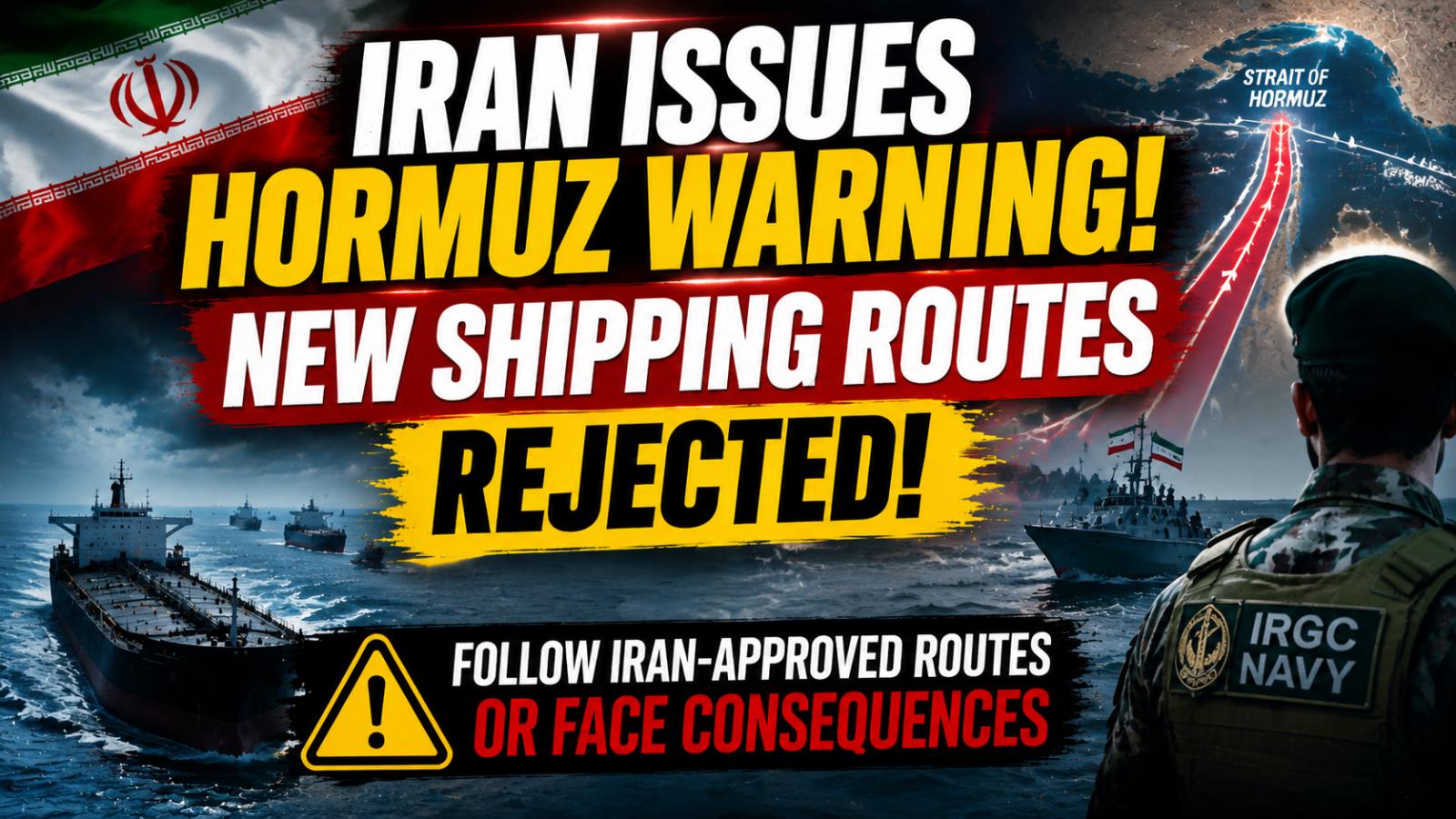
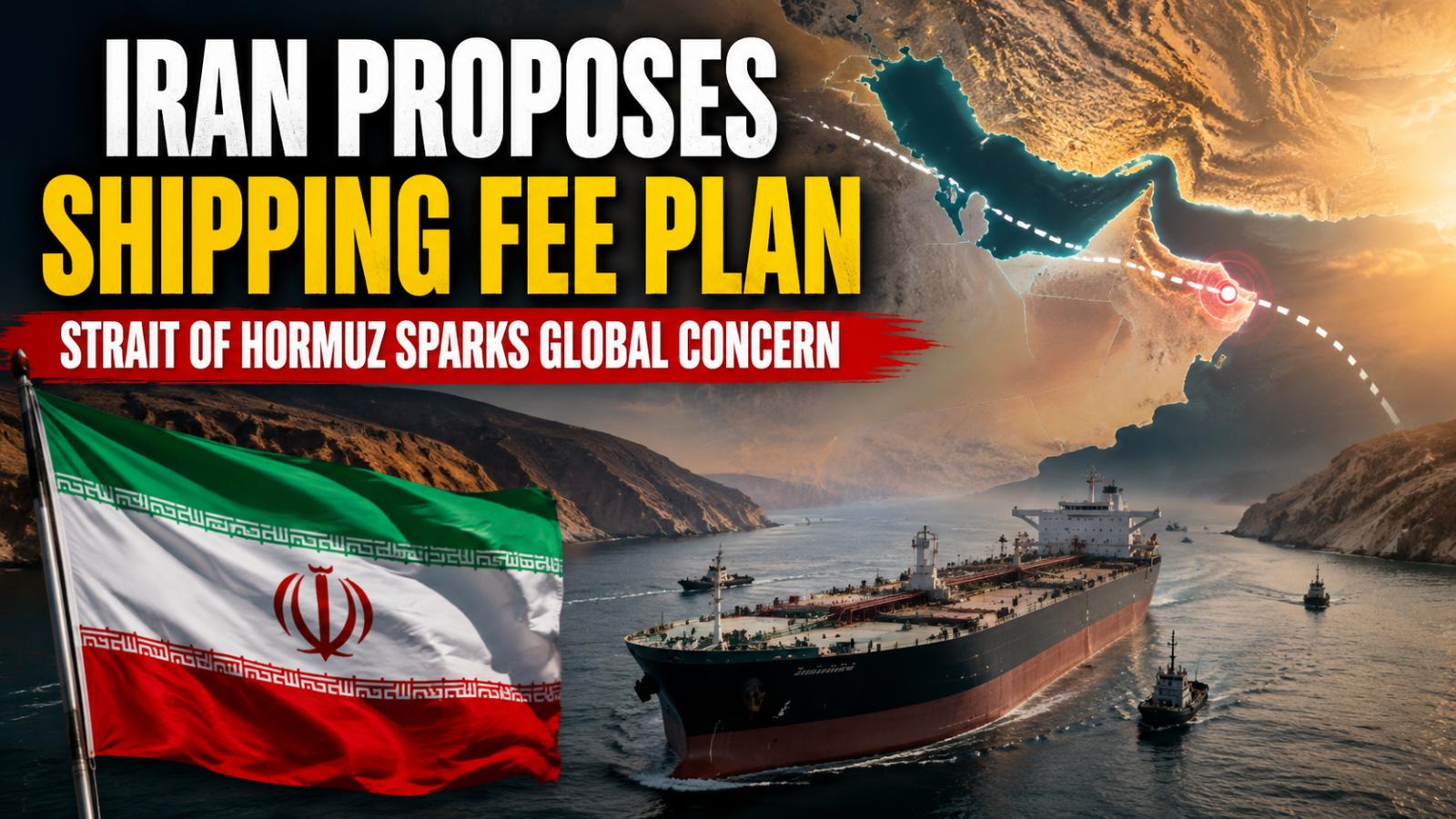
A proposal linked to Iran suggesting charges on vessels passing through the Strait of Hormuz has triggered renewed international attention on one of the world’s most sensitive maritime corridors. The passage connects the Persian Gulf to open oceans and handles a major share of global crude oil shipments, making even minor policy changes capable of influencing energy markets. Proposed fee structure and stated objectives The idea under discussion involves introducing a structured fee system for ships using the route. The proposal frames the charges as payments for services such as navigation safety, maritime monitoring, and environmental management. Early estimates circulating in policy discussions suggest the mechanism could generate substantial annual revenue if implemented at scale. However, the concept also raises immediate legal and operational questions, particularly regarding jurisdiction over international waters and the practicality of enforcing such a system on heavily trafficked global shipping lanes. Regional outreach and diplomatic positioning Reports indicate that discussions around the proposal have included outreach to several regional and global stakeholders, including major energy-importing nations. The objective appears to be building support for a shared governance or cost-sharing model for maritime traffic management in the region. Some interpretations suggest the plan is part of a broader effort to increase regional leverage over strategic trade routes. Others view it as an attempt to formalize compensation mechanisms for security responsibilities in a highly militarized shipping corridor. International reaction and US opposition The proposal has drawn clear resistance from the United States, which maintains that key international waterways must remain free for unrestricted commercial passage. US officials argue that introducing toll-like systems could disrupt global supply chains and increase volatility in energy pricing. Concerns have also been raised by other maritime stakeholders who rely heavily on stable passage through the Strait of Hormuz for crude oil and liquefied natural gas transport. Any change in cost structure or transit policy is seen as having a direct impact on insurance premiums and shipping routes. Wider implications for global energy markets The debate comes at a time when global energy markets remain highly sensitive to geopolitical developments in the Gulf region. Even the perception of restricted access or added transit costs can influence oil price expectations and shipping risk assessments. Analysts note that the discussion highlights ongoing tensions between strategic control of critical chokepoints and the principle of open international navigation. The outcome of such proposals could shape future frameworks governing global energy transport corridors.
Iran proposal on shipping charges draws US criticism
A proposal linked to Iran suggesting charges on vessels passing through the Strait of Hormuz has triggered renewed international attention on one of the world’s most sensitive maritime corridors. The passage connects the Persian Gulf to open oceans and handles a major share of global crude oil shipments, making even minor policy changes capable of influencing energy markets. Proposed fee structure and stated objectives The idea under discussion involves introducing a structured fee system for ships using the route. The proposal frames the charges as payments for services such as navigation safety, maritime monitoring, and environmental management. Early estimates circulating in policy discussions suggest the mechanism could generate substantial annual revenue if implemented at scale. However, the concept also raises immediate legal and operational questions, particularly regarding jurisdiction over international waters and the practicality of enforcing such a system on heavily trafficked global shipping lanes. Regional outreach and diplomatic positioning Reports indicate that discussions around the proposal have included outreach to several regional and global stakeholders, including major energy-importing nations. The objective appears to be building support for a shared governance or cost-sharing model for maritime traffic management in the region. Some interpretations suggest the plan is part of a broader effort to increase regional leverage over strategic trade routes. Others view it as an attempt to formalize compensation mechanisms for security responsibilities in a highly militarized shipping corridor. International reaction and US opposition The proposal has drawn clear resistance from the United States, which maintains that key international waterways must remain free for unrestricted commercial passage. US officials argue that introducing toll-like systems could disrupt global supply chains and increase volatility in energy pricing. Concerns have also been raised by other maritime stakeholders who rely heavily on stable passage through the Strait of Hormuz for crude oil and liquefied natural gas transport. Any change in cost structure or transit policy is seen as having a direct impact on insurance premiums and shipping routes. Wider implications for global energy markets The debate comes at a time when global energy markets remain highly sensitive to geopolitical developments in the Gulf region. Even the perception of restricted access or added transit costs can influence oil price expectations and shipping risk assessments. Analysts note that the discussion highlights ongoing tensions between strategic control of critical chokepoints and the principle of open international navigation. The outcome of such proposals could shape future frameworks governing global energy transport corridors.

Bihar Orders Judicial Probe Into Bharat Tiwari Police Encounter
Bihar has ordered a judicial inquiry into the Bharat Tiwari police encounter after the 28-year-old died following a disputed operation in Bilauti village in Bhojpur district. The case has prompted protests, political criticism and a murder FIR naming police personnel. What Happened in the Bharat Tiwari Police Encounter Police said officers and Special Task Force personnel went to Bilauti village on Wednesday, June 17, 2026, after receiving reports that T
Bihar Orders Judicial Probe Into Bharat Tiwari Police Encounter
Bihar has ordered a judicial inquiry into the Bharat Tiwari police encounter after the 28-year-old died following a disputed operation in Bilauti village in Bhojpur district. The case has prompted protests, political criticism and a murder FIR naming police personnel. What Happened in the Bharat Tiwari Police Encounter Police said officers and Special Task Force personnel went to Bilauti village on Wednesday, June 17, 2026, after receiving reports that T

Things to Do in Columbus June 25-28: ComFest, Concerts and Cars
Things to do in Columbus June 25-28 include ComFest, major concerts, collector-car auctions, free movies and family activities across the city. The four-day lineup runs from Thursday, June 25, through Sunday, June 28, 2026. Things to Do in Columbus June 25-28, 2026 Collector Cars, Movies and Soccer The Barrett-Jackson Columbus Auction brings collector cars and automobilia to the Ohio Expo Center from 8:00 AM to 10:00 PM on Th
Things to Do in Columbus June 25-28: ComFest, Concerts and Cars
Things to do in Columbus June 25-28 include ComFest, major concerts, collector-car auctions, free movies and family activities across the city. The four-day lineup runs from Thursday, June 25, through Sunday, June 28, 2026. Things to Do in Columbus June 25-28, 2026 Collector Cars, Movies and Soccer The Barrett-Jackson Columbus Auction brings collector cars and automobilia to the Ohio Expo Center from 8:00 AM to 10:00 PM on Th
DeWine Vetoes Ohio Absentee Ballot ID and Submetering Bills
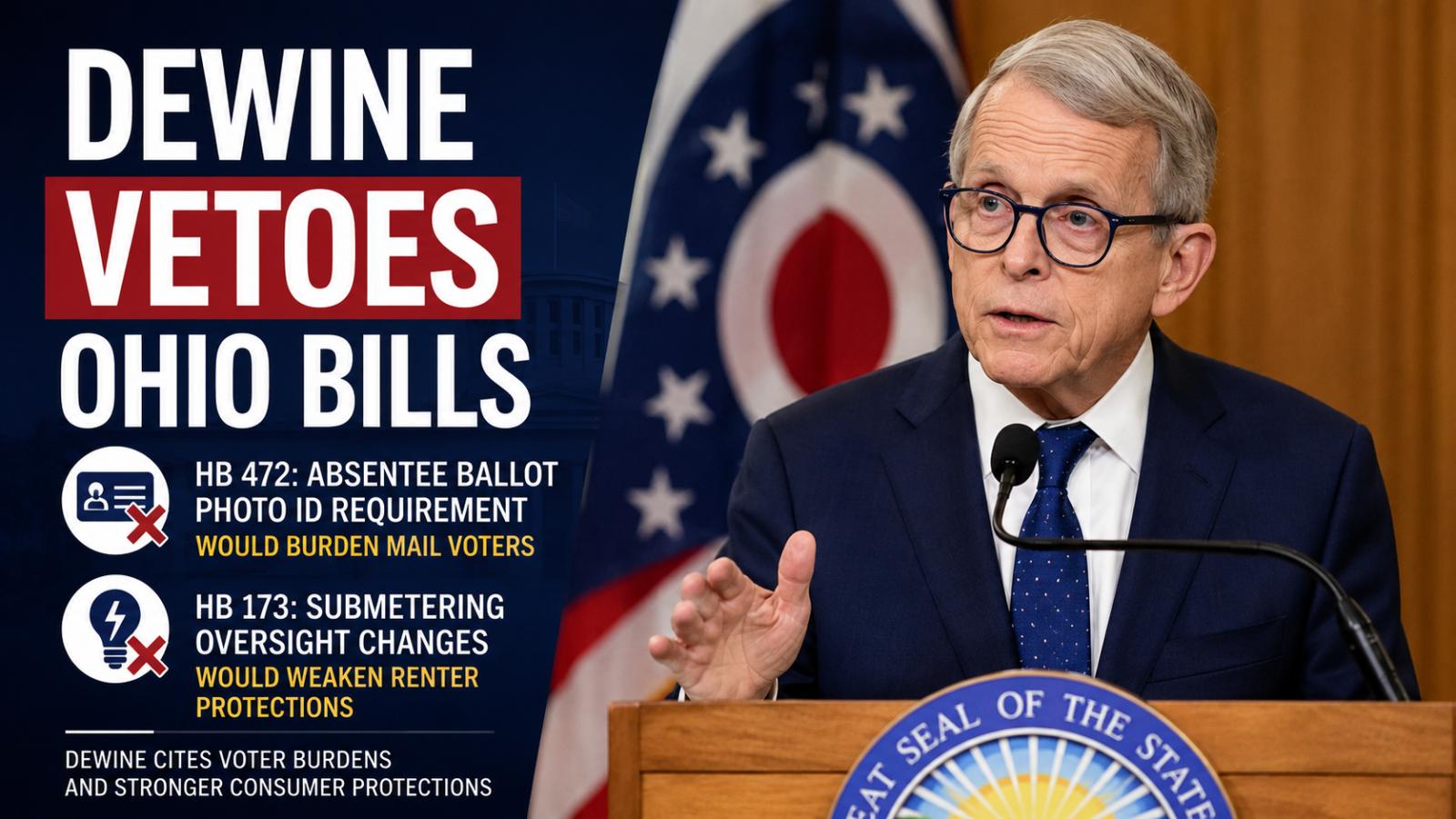
Ohio Gov. Mike DeWine vetoed the Ohio absentee ballot ID bill and a separate electric submetering measure on Wednesday night, June 24, 2026, blocking changes that would have affected mail voters and renters across the state. The Republican governor announced the vetoes in Columbus after the Ohio General Assembly ended its latest work period. No additional legislative sessions were scheduled until after the November election. Why DeWine vetoed the Ohio absentee bal
DeWine Vetoes Ohio Absentee Ballot ID and Submetering Bills
Ohio Gov. Mike DeWine vetoed the Ohio absentee ballot ID bill and a separate electric submetering measure on Wednesday night, June 24, 2026, blocking changes that would have affected mail voters and renters across the state. The Republican governor announced the vetoes in Columbus after the Ohio General Assembly ended its latest work period. No additional legislative sessions were scheduled until after the November election. Why DeWine vetoed the Ohio absentee bal

India’s 180-Day Registration Rule: What Foreign Visitors Should Know
India has moved the registration deadline forward for certain foreign nationals who plan to remain in the country beyond 180 days. Under amendments to the Immigration and Foreigners Rules, 2025, published in the Official Gazette on Monday, June 1, 2026, affected visitors must register before the 180-day period expires. Who must register before the 180-day deadline The amended rule applies to foreign nationals entering India on visas valid for 180 days or
India’s 180-Day Registration Rule: What Foreign Visitors Should Know
India has moved the registration deadline forward for certain foreign nationals who plan to remain in the country beyond 180 days. Under amendments to the Immigration and Foreigners Rules, 2025, published in the Official Gazette on Monday, June 1, 2026, affected visitors must register before the 180-day period expires. Who must register before the 180-day deadline The amended rule applies to foreign nationals entering India on visas valid for 180 days or

UK Opens 1,800 Visa Spots for Indian Chefs, Musicians and Yoga Teachers
The UK will open a combined 1,800 annual visa places for Indian traditional chefs, classical musicians and yoga instructors when the UK–India trade agreement takes effect on Wednesday, July 15, 2026. The allocation falls under the Global Business Mobility–Service Supplier route. It is one shared cap covering all three occupations, not 1,800 places for each profession. The annual allocation is measured from January 1 through December 31.
UK Opens 1,800 Visa Spots for Indian Chefs, Musicians and Yoga Teachers
The UK will open a combined 1,800 annual visa places for Indian traditional chefs, classical musicians and yoga instructors when the UK–India trade agreement takes effect on Wednesday, July 15, 2026. The allocation falls under the Global Business Mobility–Service Supplier route. It is one shared cap covering all three occupations, not 1,800 places for each profession. The annual allocation is measured from January 1 through December 31.

UK Global Talent Visa Design Pathway Opens July 1: Who May Qualify
The UK Global Talent visa design pathway will open on Wednesday, July 1, 2026, expanding the immigration route to accomplished and emerging designers whose work was not fully covered by its existing creative categories. The UK Home Office said the pathway is intended to accommodate additional design roles and make it easier for leading international design professionals to work in the United Kingdom. The design pathway is part of
UK Global Talent Visa Design Pathway Opens July 1: Who May Qualify
The UK Global Talent visa design pathway will open on Wednesday, July 1, 2026, expanding the immigration route to accomplished and emerging designers whose work was not fully covered by its existing creative categories. The UK Home Office said the pathway is intended to accommodate additional design roles and make it easier for leading international design professionals to work in the United Kingdom. The design pathway is part of
CM Vijay Launches 300 New Buses, Takes Ride Across Chennai
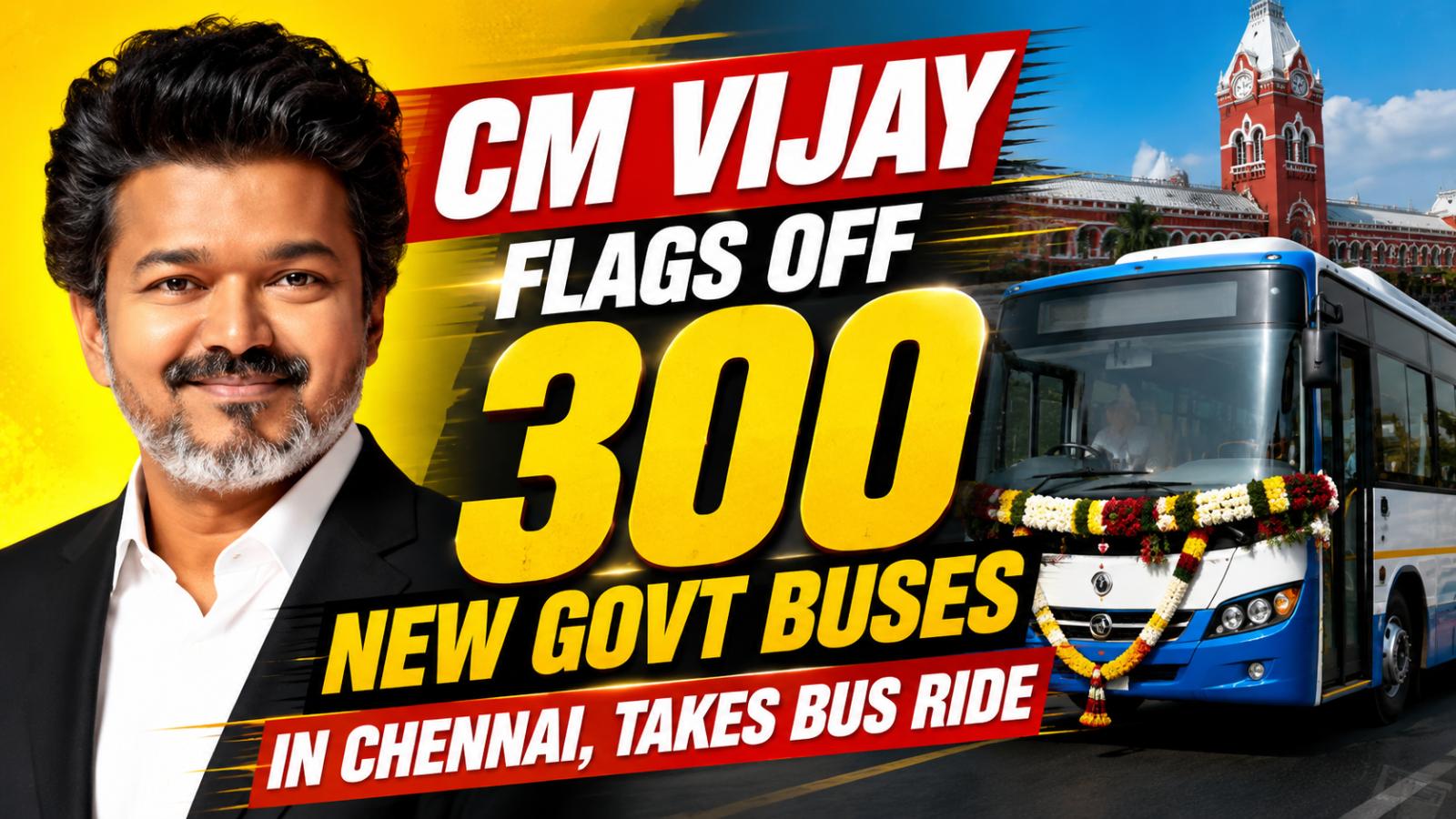
Tamil Nadu Adds 300 New Buses To Public Transport Fleet In a significant move aimed at strengthening public transportation services across Tamil Nadu, Chief Minister C Joseph Vijay on Thursday, June 25, 2026, inaugurated 300 new buses procured by the State Transport Corporation at an estimated cost of Rs 127.21 crore. The buses were flagged off from major transit hubs, including Kilambakkam and Koyambedu bus terminals in Chennai, and began operations immediately aft
CM Vijay Launches 300 New Buses, Takes Ride Across Chennai
Tamil Nadu Adds 300 New Buses To Public Transport Fleet In a significant move aimed at strengthening public transportation services across Tamil Nadu, Chief Minister C Joseph Vijay on Thursday, June 25, 2026, inaugurated 300 new buses procured by the State Transport Corporation at an estimated cost of Rs 127.21 crore. The buses were flagged off from major transit hubs, including Kilambakkam and Koyambedu bus terminals in Chennai, and began operations immediately aft

Summer Davos spotlights US China economic friction
The gathering in Dalian under the World Economic Forum’s “Summer Davos” platform brought together policymakers, business leaders and economists at a time when global growth signals are weakening. The discussions reflected a clear shift in tone: confidence in stable trade expansion is fading, replaced by concern over fragmentation and competing economic blocs. US–China
Summer Davos spotlights US China economic friction
The gathering in Dalian under the World Economic Forum’s “Summer Davos” platform brought together policymakers, business leaders and economists at a time when global growth signals are weakening. The discussions reflected a clear shift in tone: confidence in stable trade expansion is fading, replaced by concern over fragmentation and competing economic blocs. US–China
US Senate reverses stance on Iran war powers resolution
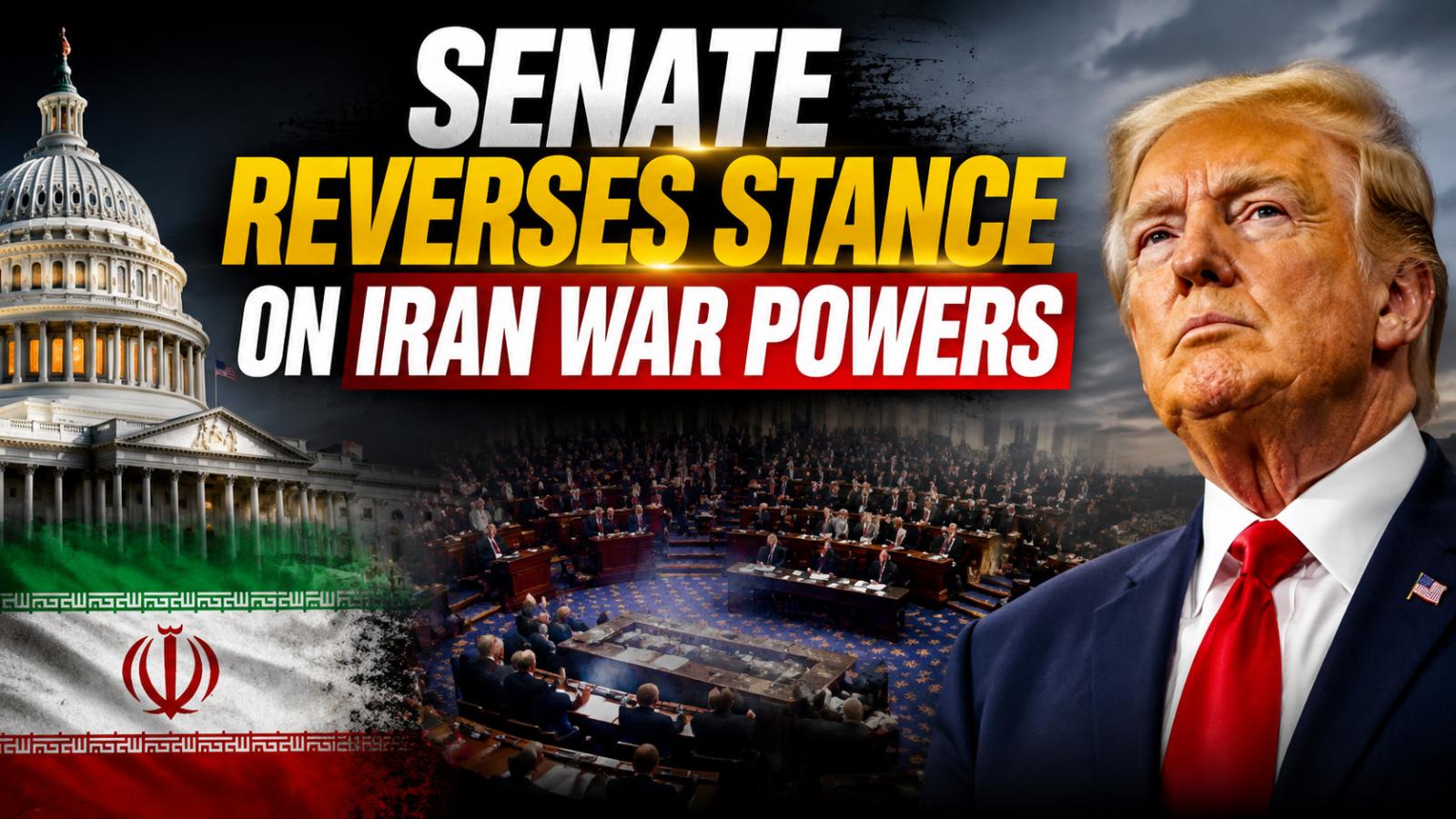
A closely watched Senate vote on a resolution linked to presidential war authority over Iran took an unexpected turn after several Republican lawmakers altered their positions. The measure, which focused on limiting executive flexibility in military action, ended up reflecting a divided but shifting political landscape rather than a clear consensus. Political negotiations behind the scenes The change in voting pattern followed internal discussions among Republican senators and briefings from senior administration figures. Lawmakers who initially leaned toward restricting presidential authority later adjusted their stance after being updated on diplomatic and security considerations related to Iran. The shift underscored how quickly positions can move when strategic briefings and party pressure converge. Key senators adjust positions Among those influencing the outcome were Senator Bill Cassidy and Senator Rand Paul. Cassidy moved away from his earlier support for tighter restrictions after consultations with White House representatives. Rand Paul maintained his broader skepticism toward expansive executive war powers but opted for a procedural position that reflected his long-standing policy concerns without directly blocking the measure. Trump frames outcome as political leverage President Donald Trump responded to the Senate outcome by framing it as a strengthening of US negotiating leverage in relation to Iran. His public remarks highlighted the vote as evidence of alignment within the Republican Party on foreign policy strategy. While the resolution itself remains largely symbolic, it has become a focal point in the wider debate over presidential authority and congressional oversight. Broader implications for US foreign policy The vote shift reflects ongoing tension in Washington over how much autonomy the executive branch should hold in matters of military engagement. Supporters of stronger presidential powers argue for flexibility in fast-moving geopolitical situations, while critics warn against reducing congressional oversight. The Iran-related vote has now become another reference point in that broader constitutional debate.
US Senate reverses stance on Iran war powers resolution
A closely watched Senate vote on a resolution linked to presidential war authority over Iran took an unexpected turn after several Republican lawmakers altered their positions. The measure, which focused on limiting executive flexibility in military action, ended up reflecting a divided but shifting political landscape rather than a clear consensus. Political negotiations behind the scenes The change in voting pattern followed internal discussions among Republican senators and briefings from senior administration figures. Lawmakers who initially leaned toward restricting presidential authority later adjusted their stance after being updated on diplomatic and security considerations related to Iran. The shift underscored how quickly positions can move when strategic briefings and party pressure converge. Key senators adjust positions Among those influencing the outcome were Senator Bill Cassidy and Senator Rand Paul. Cassidy moved away from his earlier support for tighter restrictions after consultations with White House representatives. Rand Paul maintained his broader skepticism toward expansive executive war powers but opted for a procedural position that reflected his long-standing policy concerns without directly blocking the measure. Trump frames outcome as political leverage President Donald Trump responded to the Senate outcome by framing it as a strengthening of US negotiating leverage in relation to Iran. His public remarks highlighted the vote as evidence of alignment within the Republican Party on foreign policy strategy. While the resolution itself remains largely symbolic, it has become a focal point in the wider debate over presidential authority and congressional oversight. Broader implications for US foreign policy The vote shift reflects ongoing tension in Washington over how much autonomy the executive branch should hold in matters of military engagement. Supporters of stronger presidential powers argue for flexibility in fast-moving geopolitical situations, while critics warn against reducing congressional oversight. The Iran-related vote has now become another reference point in that broader constitutional debate.
Trump criticizes Democrats amid Iran talks progress
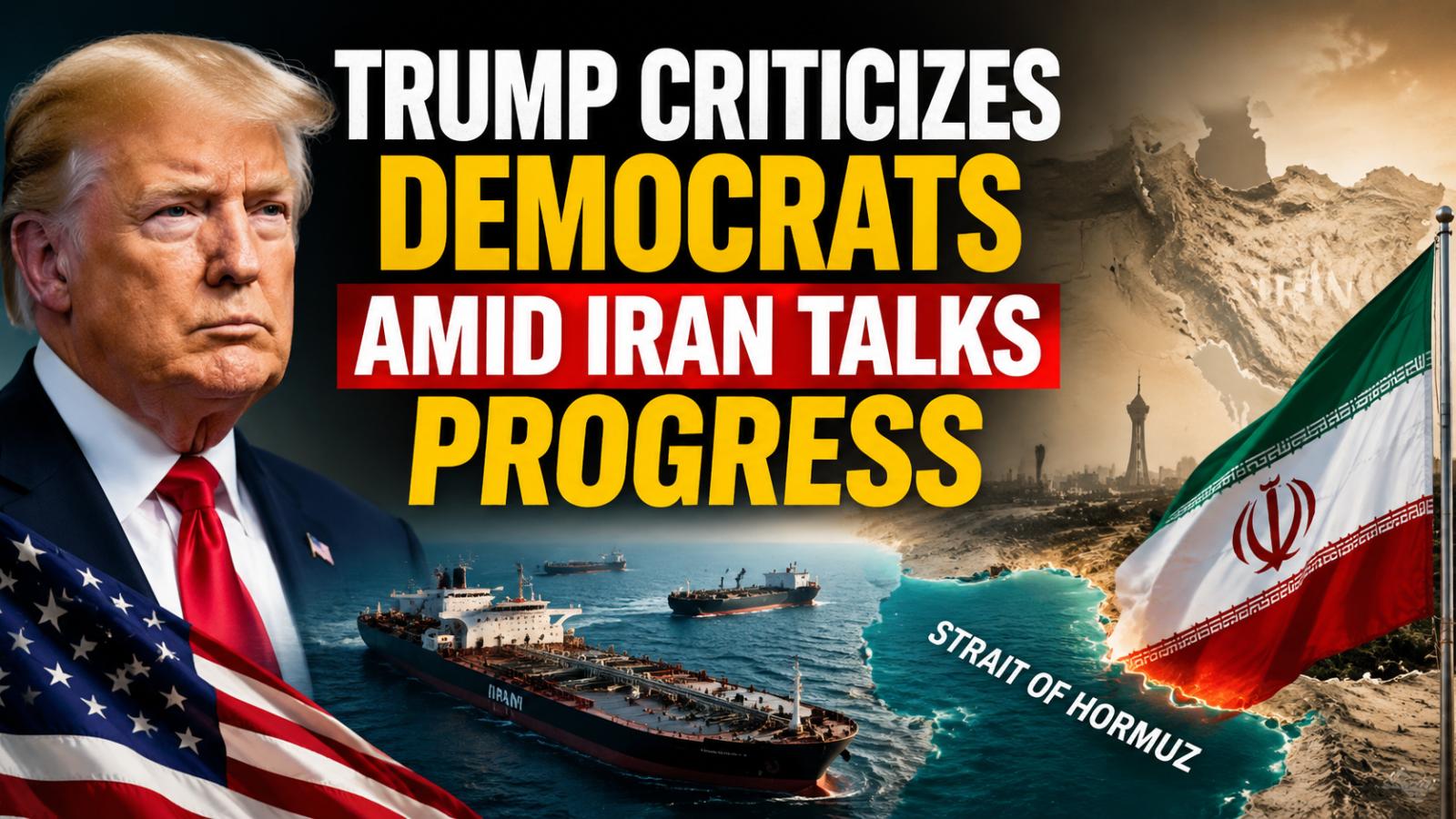
US President Donald Trump intensified political debate around ongoing Iran negotiations while addressing broader security and trade concerns tied to global energy routes. Speaking alongside NATO Secretary General Mark Rutte, he presented the current stage of Iran discussions as advancing, while sharply criticizing domestic political opponents for their foreign policy stance. I
Trump criticizes Democrats amid Iran talks progress
US President Donald Trump intensified political debate around ongoing Iran negotiations while addressing broader security and trade concerns tied to global energy routes. Speaking alongside NATO Secretary General Mark Rutte, he presented the current stage of Iran discussions as advancing, while sharply criticizing domestic political opponents for their foreign policy stance. I










