







#usintel
Trump Air Force One Iran Threat Sparks New Security Questions
A reported Trump Air Force One Iran threat has drawn fresh scrutiny after US intelligence reportedly detected a credible risk to the president's aircraft while he was leaving Ankara following the NATO summit. Donald Trump has since confirmed that the Secret Service and military ordered him onto another aircraft because of a threat. Ankara threat triggered extraordinary security response The security operation unfolded on July 8 as Trump
Trump Air Force One Iran Threat Sparks New Security Questions
A reported Trump Air Force One Iran threat has drawn fresh scrutiny after US intelligence reportedly detected a credible risk to the president's aircraft while he was leaving Ankara following the NATO summit. Donald Trump has since confirmed that the Secret Service and military ordered him onto another aircraft because of a threat. Ankara threat triggered extraordinary security response The security operation unfolded on July 8 as Trump
Mojtaba Khamenei Nuclear Policy Raises Global Security Concerns
Mojtaba Khamenei's nuclear policy has come under renewed focus after a recent US intelligence assessment suggested Iran's new supreme leader may be more open to developing nuclear weapons than his father. While no official policy change has been announced, analysts say the assessment highlights growing concerns over Iran's nuclear threshold status, regional security and the future of diplomacy.
Mojtaba Khamenei Nuclear Policy Raises Global Security Concerns
Mojtaba Khamenei's nuclear policy has come under renewed focus after a recent US intelligence assessment suggested Iran's new supreme leader may be more open to developing nuclear weapons than his father. While no official policy change has been announced, analysts say the assessment highlights growing concerns over Iran's nuclear threshold status, regional security and the future of diplomacy.
Mojtaba Khamenei Nuclear Policy Raises US Concerns
Mojtaba Khamenei nuclear policy has come under renewed scrutiny after a reported US intelligence assessment suggested that Iran’s supreme leader may be more willing than his father to consider developing nuclear weapons. The claim raises fresh questions about Iran’s nuclear doctrine, missile ambitions and regional security. Iran Nuclear Weapons Assessment People described as familiar with U
Mojtaba Khamenei Nuclear Policy Raises US Concerns
Mojtaba Khamenei nuclear policy has come under renewed scrutiny after a reported US intelligence assessment suggested that Iran’s supreme leader may be more willing than his father to consider developing nuclear weapons. The claim raises fresh questions about Iran’s nuclear doctrine, missile ambitions and regional security. Iran Nuclear Weapons Assessment People described as familiar with U
Bill Pulte Acting DNI Role Sparks Debate Over Experience, FHFA Power and Online Past
Bill Pulte’s temporary move into the acting Director of National Intelligence role has quickly become one of the most debated political stories in Washington. President Donald Trump selected Pulte, the head of the Federal Housing Finance Agency, for the acting intelligence post, creating immediate questions about experience, authority and national security judgment. Pulte is not a traditional intelligence figure. His public career has been built around business, housing finance, politics and online influence, not foreign threats, classified briefings or intelligence operations. That contrast is the main reason his appointment is drawing attention from both supporters and critics. Trump has said Pulte will not be nominated for the permanent DNI position, which makes the role temporary. But even a short-term intelligence appointment matters because the office is connected to highly sensitive information, national security decisions and coordination across America’s intelligence agencies. From Housing Regulator to Intelligence Role Before this acting intelligence assignment, Pulte was best known for leading the Federal Housing Finance Agency. The FHFA plays a major role in the U.S. housing market because it oversees important housing finance institutions connected to Fannie Mae and Freddie Mac. That is a powerful financial position, but it is very different from managing intelligence matters. Housing regulation deals with mortgage markets, financial stability and housing policy. The DNI role deals with threats from foreign governments, cyber risks, classified intelligence, terrorism, surveillance and national security strategy. This gap is what makes the appointment controversial. Supporters argue that Pulte has handled sensitive financial responsibilities and understands large institutions. Critics say that financial oversight is not the same as national security leadership. Experience Questions Become the Main Issue The biggest concern around Bill Pulte’s acting DNI role is experience. Lawmakers and national security observers are asking whether someone without a long intelligence background should temporarily lead such a sensitive part of the federal government. The debate is not only about Pulte personally. It is also about the standard expected for intelligence leadership. The U.S. intelligence system depends on trust, professionalism and careful handling of classified material. Any appointment to that space naturally receives closer scrutiny than an ordinary political post. For Trump’s supporters, Pulte represents an outsider who is loyal, energetic and willing to challenge Washington habits. For critics, that same outsider status is the problem. They argue that the intelligence community is not the right place for political experimentation. Online Past Adds Another Layer to the Debate Pulte’s online history is also part of the discussion. Before becoming a major government figure, he built a large public following through social media activity and online philanthropy. He became known for giving money to people online, interacting directly with followers and building a strong digital image. That online presence helped him gain popularity among everyday users and retail investor communities. But in Washington, a large and emotional online following can be viewed in two ways. It can be seen as proof of public connection, or it can raise questions about judgment, influence and political messaging. This is why his online past has returned to the spotlight. The acting DNI role is not just another public-facing job. It is tied to classified information and national security. Public behavior, online statements and political alliances are therefore being examined more closely. Meme Stock and Bed Bath Beyond Links Resurface Another part of Pulte’s public image comes from his connection with retail investor circles, especially communities that followed meme-stock stories. His name became familiar among online groups that discussed companies such as Bed Bath & Beyond after its collapse. Some retail investors continued to believe that the company could return in a new form. Pulte appeared in related discussions and became a known figure among people following that story. Bed Bath & Beyond was not revived in the way many online supporters hoped, but the association remained part of his public profile. This does not automatically disqualify him from public service. But it does shape perception. Critics may use it to question seriousness and judgment, while supporters may argue that it shows he understands ordinary investors and online communities better than traditional Washington insiders. Why National Security Critics Are Concerned The concern around Pulte’s acting DNI role is simple: intelligence leadership carries real consequences. The person in that position may be connected to information about foreign threats, cyberattacks, military risks, surveillance programs and sensitive government operations. Critics worry that a politically loyal figure with limited intelligence experience could weaken public confidence in the office. They also worry about whether sensitive intelligence could become part of political battles. This is where the debate becomes bigger than Pulte. The appointment raises a broader question: should temporary intelligence leaders come from inside the national security world, or can presidents place trusted political allies in those roles for short periods? Supporters See Loyalty and Business Discipline Pulte’s supporters view the issue differently. They argue that Washington often protects insiders and resists outsiders who challenge the system. From their perspective, Pulte’s business background and FHFA leadership show that he can manage complex institutions. They also say Trump wants people he trusts in key government roles. In a temporary acting position, supporters believe Pulte can bring discipline, loyalty and fresh thinking without needing to become a lifelong intelligence professional. This argument may appeal to voters who are tired of traditional Washington appointments. However, it may not fully answer the core concern: intelligence work is specialized, and mistakes in that space can be costly. Political Loyalty Becomes Part of the Story Pulte is widely seen as a Trump ally, and that political connection is central to the controversy. In normal circumstances, presidents often choose people they trust. But intelligence roles are expected to maintain a high level of independence and professionalism. That is why political loyalty becomes sensitive here. If the public sees the intelligence office as too political, trust can fall. If lawmakers believe the role is being used for political purposes, confirmation fights and oversight battles become more intense. Trump’s decision to keep the role temporary may reduce some pressure, but it does not end the debate. Even temporary appointments can influence policy, access information and send a message about how the administration views intelligence leadership. What This Means for Pulte and Trump For Bill Pulte, the acting DNI role brings national attention far beyond housing policy. His FHFA record, online past, meme-stock associations and political loyalty are all now being discussed together. For Trump, the appointment fits a familiar pattern of choosing loyal outsiders for powerful roles. That approach energizes supporters but often creates friction with lawmakers, experts and institutions. The political risk is clear. If Pulte performs quietly and temporarily, the controversy may fade. If he becomes involved in highly political intelligence matters, the scrutiny will grow much stronger. Final Takeaway Bill Pulte’s acting DNI role is not just a personnel story. It is a test of how far political loyalty, business experience and outsider appeal can go in a role traditionally tied to national security expertise. His supporters see a capable Trump ally with financial leadership experience. His critics see a housing regulator with limited intelligence credentials and a complicated online image entering one of the most sensitive areas of government. For now, the role is temporary. But the debate around Bill Pulte, the FHFA, online influence, meme-stock culture and U.S. intelligence leadership is likely to remain a major Washington talking point.
Bill Pulte Acting DNI Role Sparks Debate Over Experience, FHFA Power and Online Past
Bill Pulte’s temporary move into the acting Director of National Intelligence role has quickly become one of the most debated political stories in Washington. President Donald Trump selected Pulte, the head of the Federal Housing Finance Agency, for the acting intelligence post, creating immediate questions about experience, authority and national security judgment. Pulte is not a traditional intelligence figure. His public career has been built around business, housing finance, politics and online influence, not foreign threats, classified briefings or intelligence operations. That contrast is the main reason his appointment is drawing attention from both supporters and critics. Trump has said Pulte will not be nominated for the permanent DNI position, which makes the role temporary. But even a short-term intelligence appointment matters because the office is connected to highly sensitive information, national security decisions and coordination across America’s intelligence agencies. From Housing Regulator to Intelligence Role Before this acting intelligence assignment, Pulte was best known for leading the Federal Housing Finance Agency. The FHFA plays a major role in the U.S. housing market because it oversees important housing finance institutions connected to Fannie Mae and Freddie Mac. That is a powerful financial position, but it is very different from managing intelligence matters. Housing regulation deals with mortgage markets, financial stability and housing policy. The DNI role deals with threats from foreign governments, cyber risks, classified intelligence, terrorism, surveillance and national security strategy. This gap is what makes the appointment controversial. Supporters argue that Pulte has handled sensitive financial responsibilities and understands large institutions. Critics say that financial oversight is not the same as national security leadership. Experience Questions Become the Main Issue The biggest concern around Bill Pulte’s acting DNI role is experience. Lawmakers and national security observers are asking whether someone without a long intelligence background should temporarily lead such a sensitive part of the federal government. The debate is not only about Pulte personally. It is also about the standard expected for intelligence leadership. The U.S. intelligence system depends on trust, professionalism and careful handling of classified material. Any appointment to that space naturally receives closer scrutiny than an ordinary political post. For Trump’s supporters, Pulte represents an outsider who is loyal, energetic and willing to challenge Washington habits. For critics, that same outsider status is the problem. They argue that the intelligence community is not the right place for political experimentation. Online Past Adds Another Layer to the Debate Pulte’s online history is also part of the discussion. Before becoming a major government figure, he built a large public following through social media activity and online philanthropy. He became known for giving money to people online, interacting directly with followers and building a strong digital image. That online presence helped him gain popularity among everyday users and retail investor communities. But in Washington, a large and emotional online following can be viewed in two ways. It can be seen as proof of public connection, or it can raise questions about judgment, influence and political messaging. This is why his online past has returned to the spotlight. The acting DNI role is not just another public-facing job. It is tied to classified information and national security. Public behavior, online statements and political alliances are therefore being examined more closely. Meme Stock and Bed Bath Beyond Links Resurface Another part of Pulte’s public image comes from his connection with retail investor circles, especially communities that followed meme-stock stories. His name became familiar among online groups that discussed companies such as Bed Bath & Beyond after its collapse. Some retail investors continued to believe that the company could return in a new form. Pulte appeared in related discussions and became a known figure among people following that story. Bed Bath & Beyond was not revived in the way many online supporters hoped, but the association remained part of his public profile. This does not automatically disqualify him from public service. But it does shape perception. Critics may use it to question seriousness and judgment, while supporters may argue that it shows he understands ordinary investors and online communities better than traditional Washington insiders. Why National Security Critics Are Concerned The concern around Pulte’s acting DNI role is simple: intelligence leadership carries real consequences. The person in that position may be connected to information about foreign threats, cyberattacks, military risks, surveillance programs and sensitive government operations. Critics worry that a politically loyal figure with limited intelligence experience could weaken public confidence in the office. They also worry about whether sensitive intelligence could become part of political battles. This is where the debate becomes bigger than Pulte. The appointment raises a broader question: should temporary intelligence leaders come from inside the national security world, or can presidents place trusted political allies in those roles for short periods? Supporters See Loyalty and Business Discipline Pulte’s supporters view the issue differently. They argue that Washington often protects insiders and resists outsiders who challenge the system. From their perspective, Pulte’s business background and FHFA leadership show that he can manage complex institutions. They also say Trump wants people he trusts in key government roles. In a temporary acting position, supporters believe Pulte can bring discipline, loyalty and fresh thinking without needing to become a lifelong intelligence professional. This argument may appeal to voters who are tired of traditional Washington appointments. However, it may not fully answer the core concern: intelligence work is specialized, and mistakes in that space can be costly. Political Loyalty Becomes Part of the Story Pulte is widely seen as a Trump ally, and that political connection is central to the controversy. In normal circumstances, presidents often choose people they trust. But intelligence roles are expected to maintain a high level of independence and professionalism. That is why political loyalty becomes sensitive here. If the public sees the intelligence office as too political, trust can fall. If lawmakers believe the role is being used for political purposes, confirmation fights and oversight battles become more intense. Trump’s decision to keep the role temporary may reduce some pressure, but it does not end the debate. Even temporary appointments can influence policy, access information and send a message about how the administration views intelligence leadership. What This Means for Pulte and Trump For Bill Pulte, the acting DNI role brings national attention far beyond housing policy. His FHFA record, online past, meme-stock associations and political loyalty are all now being discussed together. For Trump, the appointment fits a familiar pattern of choosing loyal outsiders for powerful roles. That approach energizes supporters but often creates friction with lawmakers, experts and institutions. The political risk is clear. If Pulte performs quietly and temporarily, the controversy may fade. If he becomes involved in highly political intelligence matters, the scrutiny will grow much stronger. Final Takeaway Bill Pulte’s acting DNI role is not just a personnel story. It is a test of how far political loyalty, business experience and outsider appeal can go in a role traditionally tied to national security expertise. His supporters see a capable Trump ally with financial leadership experience. His critics see a housing regulator with limited intelligence credentials and a complicated online image entering one of the most sensitive areas of government. For now, the role is temporary. But the debate around Bill Pulte, the FHFA, online influence, meme-stock culture and U.S. intelligence leadership is likely to remain a major Washington talking point.
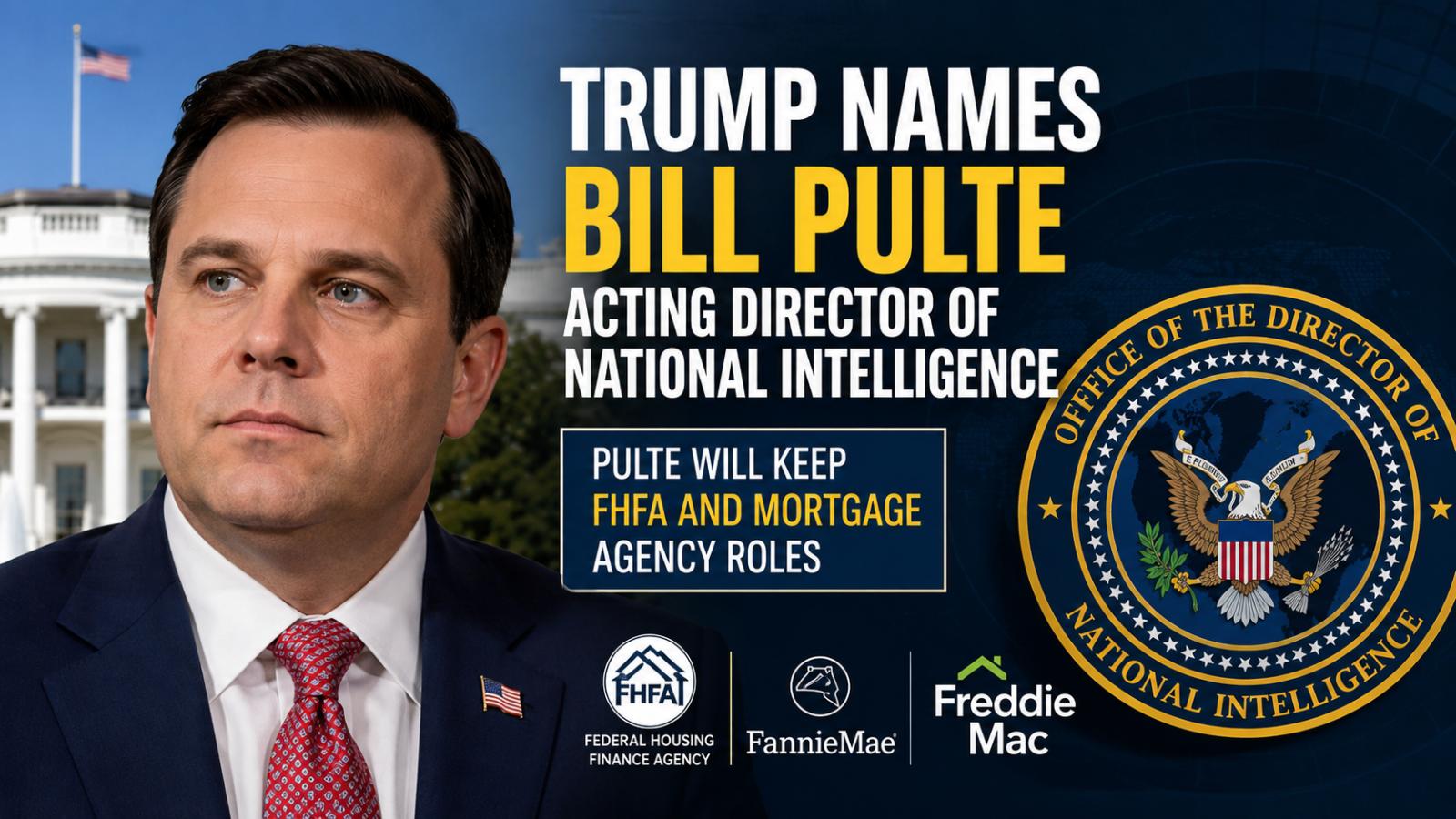
Trump Names Bill Pulte Acting Intelligence Chief
Bill Pulte acting DNI duties will begin after President Donald Trump named the Federal Housing Finance Agency director to temporarily lead the U.S. intelligence community. The announcement, made on Tuesday, June 2, 2026, places Pulte in a Cabinet-level national security role while he continues overseeing major federal housing responsibilities. Pulte currently leads the FHFA and serves as chair of Fannie Mae and Freddie Mac. Trump said Pulte would remain in those hou
Trump Names Bill Pulte Acting Intelligence Chief
Bill Pulte acting DNI duties will begin after President Donald Trump named the Federal Housing Finance Agency director to temporarily lead the U.S. intelligence community. The announcement, made on Tuesday, June 2, 2026, places Pulte in a Cabinet-level national security role while he continues overseeing major federal housing responsibilities. Pulte currently leads the FHFA and serves as chair of Fannie Mae and Freddie Mac. Trump said Pulte would remain in those hou
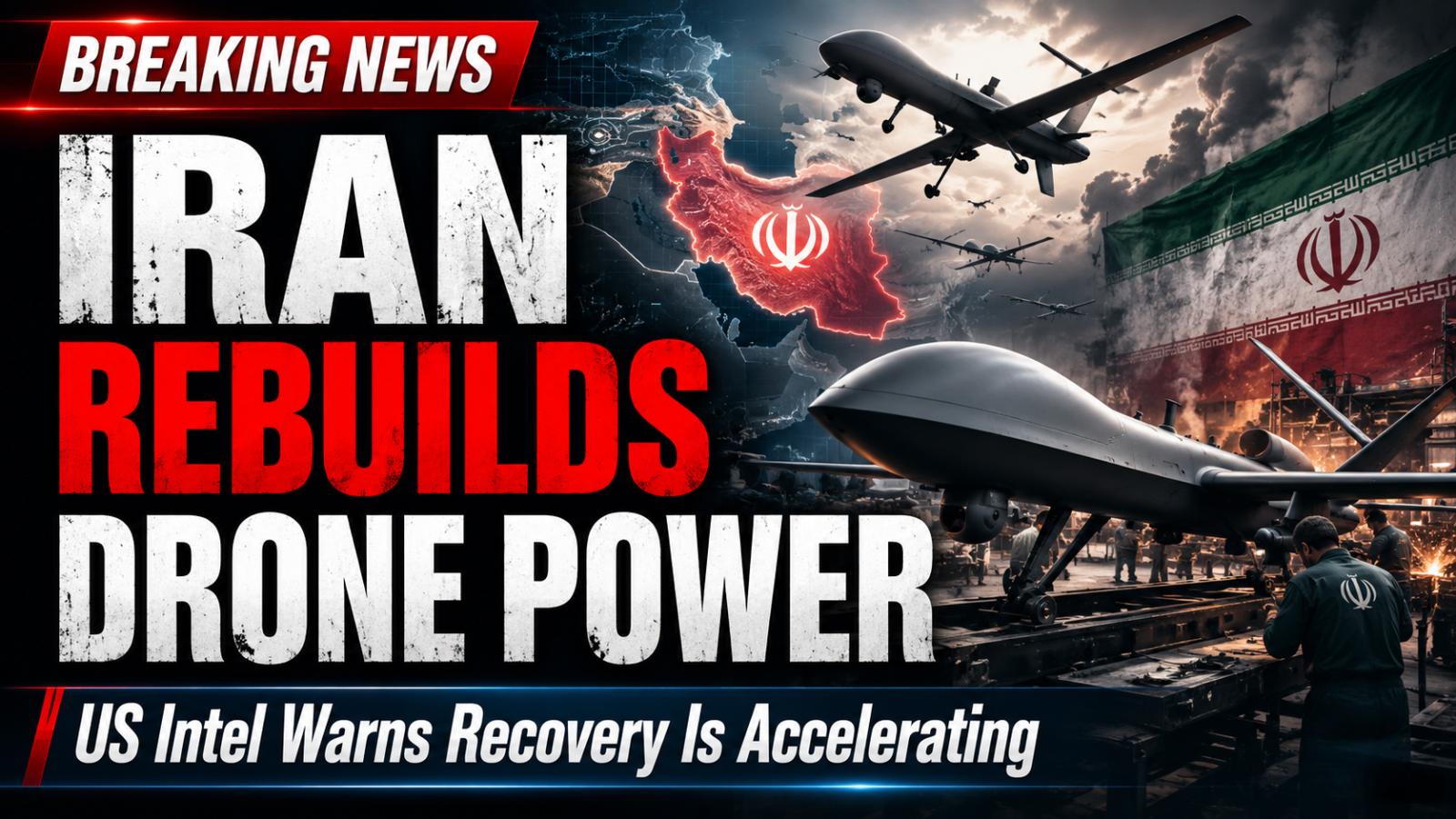
US Intel Says Iran Rebuilding Drone Program Faster Than Expected
Iran Restores Drone Production During Ceasefire Iran has resumed parts of its drone production during the six-week ceasefire that began in early April, according to people familiar with recent US intelligence assessments. The development suggests Tehran is rebuilding key military capabilities faster than some officials initially expected after US-Israeli strikes damaged missile launch sites, weapons facilities and related military infrastructure. The assessments indicate Iran’s military recovery is moving quickly, including efforts to repair launchers, restore weapons production and recover equipment affected during the conflict. Intelligence Assessments Raise Regional Concerns The findings suggest Iran could continue posing a serious threat to US regional allies if military operations resume. According to one US official familiar with the assessments, Iran may be able to fully restore its drone strike capability within six months. The pace of rebuilding also challenges earlier claims that strikes had caused long-term crippling damage to Iran’s military infrastructure. Officials believe Tehran may rely more heavily on drone attacks while missile production systems are still being repaired. Trump Warns Military Action Could Resume President Donald Trump has repeatedly warned that US military operations against Iran could restart if negotiations fail to end the conflict. On Tuesday, he said he had been close to ordering renewed bombing operations before holding back. Recent assessments suggest Iran’s rapid recovery has been helped by several factors, including possible outside assistance and the possibility that earlier strikes caused less lasting damage than expected. Russia China And Missile Supply Questions Some assessments point to continued foreign support for Iran’s weapons production network. Sources said China supplied components that could be used in missile production during the conflict, though the flow may have slowed because of the US blockade. China has rejected accusations that it is supporting Iran’s missile manufacturing. Russia has also been cited by sources as a factor in Iran’s broader recovery efforts, though officials have not publicly detailed the extent of any assistance. Iran Retains Significant Military Capacity Despite heavy damage from earlier attacks, recent estimates suggest Iran still retains ballistic missile systems, drone capabilities and anti-air defenses. Intelligence assessments indicate around half of Iran’s drone capacity remains intact, with thousands of drones still available. Many coastal defense cruise missiles also survived because coastal assets were not heavily targeted. Those systems remain important to Iran’s ability to threaten shipping near the Strait of Hormuz, even as the conflict has weakened but not eliminated its military power.
US Intel Says Iran Rebuilding Drone Program Faster Than Expected
Iran Restores Drone Production During Ceasefire Iran has resumed parts of its drone production during the six-week ceasefire that began in early April, according to people familiar with recent US intelligence assessments. The development suggests Tehran is rebuilding key military capabilities faster than some officials initially expected after US-Israeli strikes damaged missile launch sites, weapons facilities and related military infrastructure. The assessments indicate Iran’s military recovery is moving quickly, including efforts to repair launchers, restore weapons production and recover equipment affected during the conflict. Intelligence Assessments Raise Regional Concerns The findings suggest Iran could continue posing a serious threat to US regional allies if military operations resume. According to one US official familiar with the assessments, Iran may be able to fully restore its drone strike capability within six months. The pace of rebuilding also challenges earlier claims that strikes had caused long-term crippling damage to Iran’s military infrastructure. Officials believe Tehran may rely more heavily on drone attacks while missile production systems are still being repaired. Trump Warns Military Action Could Resume President Donald Trump has repeatedly warned that US military operations against Iran could restart if negotiations fail to end the conflict. On Tuesday, he said he had been close to ordering renewed bombing operations before holding back. Recent assessments suggest Iran’s rapid recovery has been helped by several factors, including possible outside assistance and the possibility that earlier strikes caused less lasting damage than expected. Russia China And Missile Supply Questions Some assessments point to continued foreign support for Iran’s weapons production network. Sources said China supplied components that could be used in missile production during the conflict, though the flow may have slowed because of the US blockade. China has rejected accusations that it is supporting Iran’s missile manufacturing. Russia has also been cited by sources as a factor in Iran’s broader recovery efforts, though officials have not publicly detailed the extent of any assistance. Iran Retains Significant Military Capacity Despite heavy damage from earlier attacks, recent estimates suggest Iran still retains ballistic missile systems, drone capabilities and anti-air defenses. Intelligence assessments indicate around half of Iran’s drone capacity remains intact, with thousands of drones still available. Many coastal defense cruise missiles also survived because coastal assets were not heavily targeted. Those systems remain important to Iran’s ability to threaten shipping near the Strait of Hormuz, even as the conflict has weakened but not eliminated its military power.










