


















#visaextension
What Is the US H-1B Deference Policy and How Does It Work?
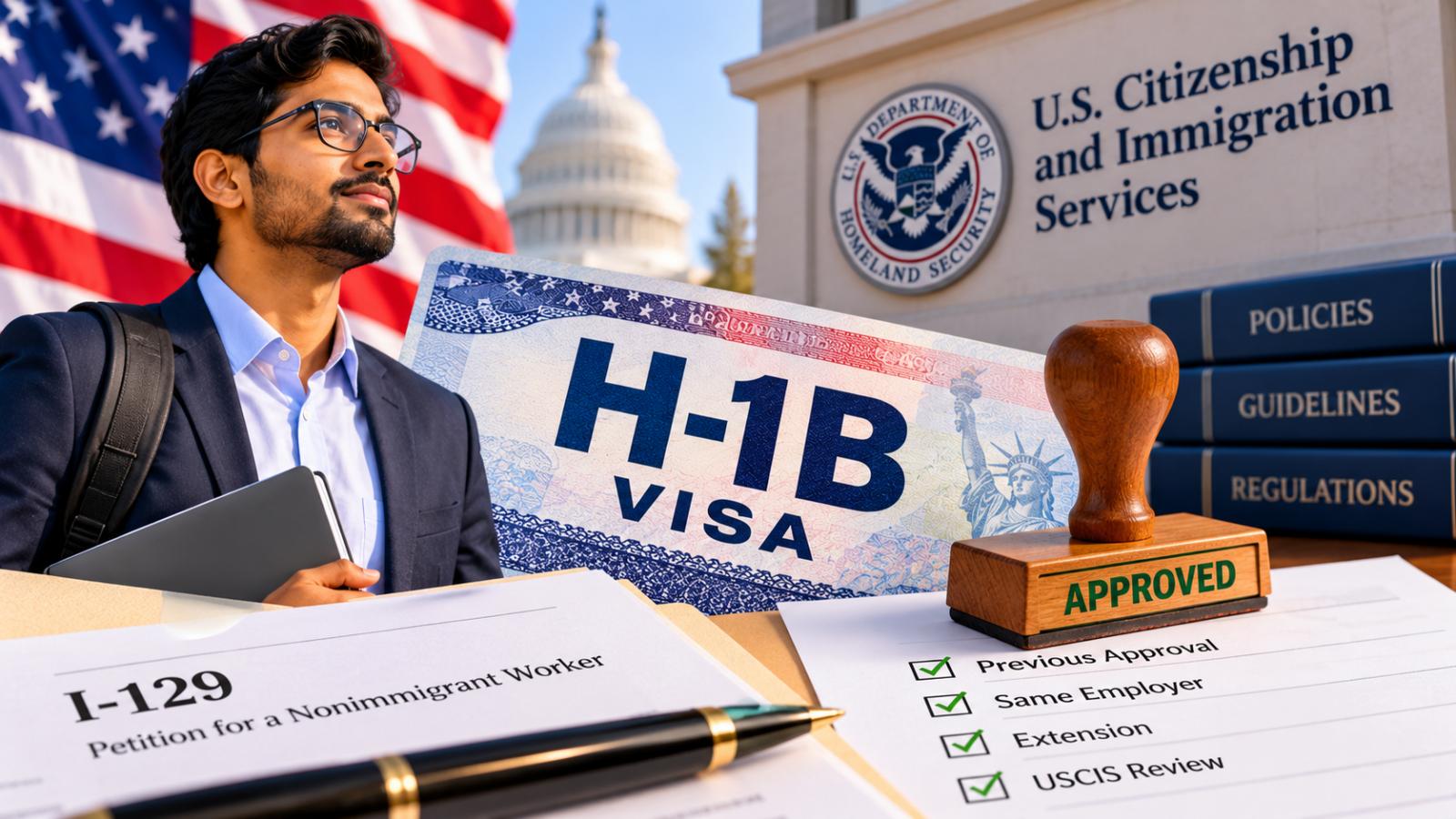
The H-1B deference policy directs USCIS officers to give weight to previous approvals when employers seek extensions involving unchanged circumstances. Learn how the policy works, its exceptions and what a proposed DHS rule could change for Indian professionals working in the US. The H-1B deference policy is a U.S. immigration rule that generally requires officers to respect previous eligibility decisions when reviewing certain employment-based visa petitions involv
What Is the US H-1B Deference Policy and How Does It Work?
The H-1B deference policy directs USCIS officers to give weight to previous approvals when employers seek extensions involving unchanged circumstances. Learn how the policy works, its exceptions and what a proposed DHS rule could change for Indian professionals working in the US. The H-1B deference policy is a U.S. immigration rule that generally requires officers to respect previous eligibility decisions when reviewing certain employment-based visa petitions involv
Who must pay the proposed $4,000 H-1B extension fee?
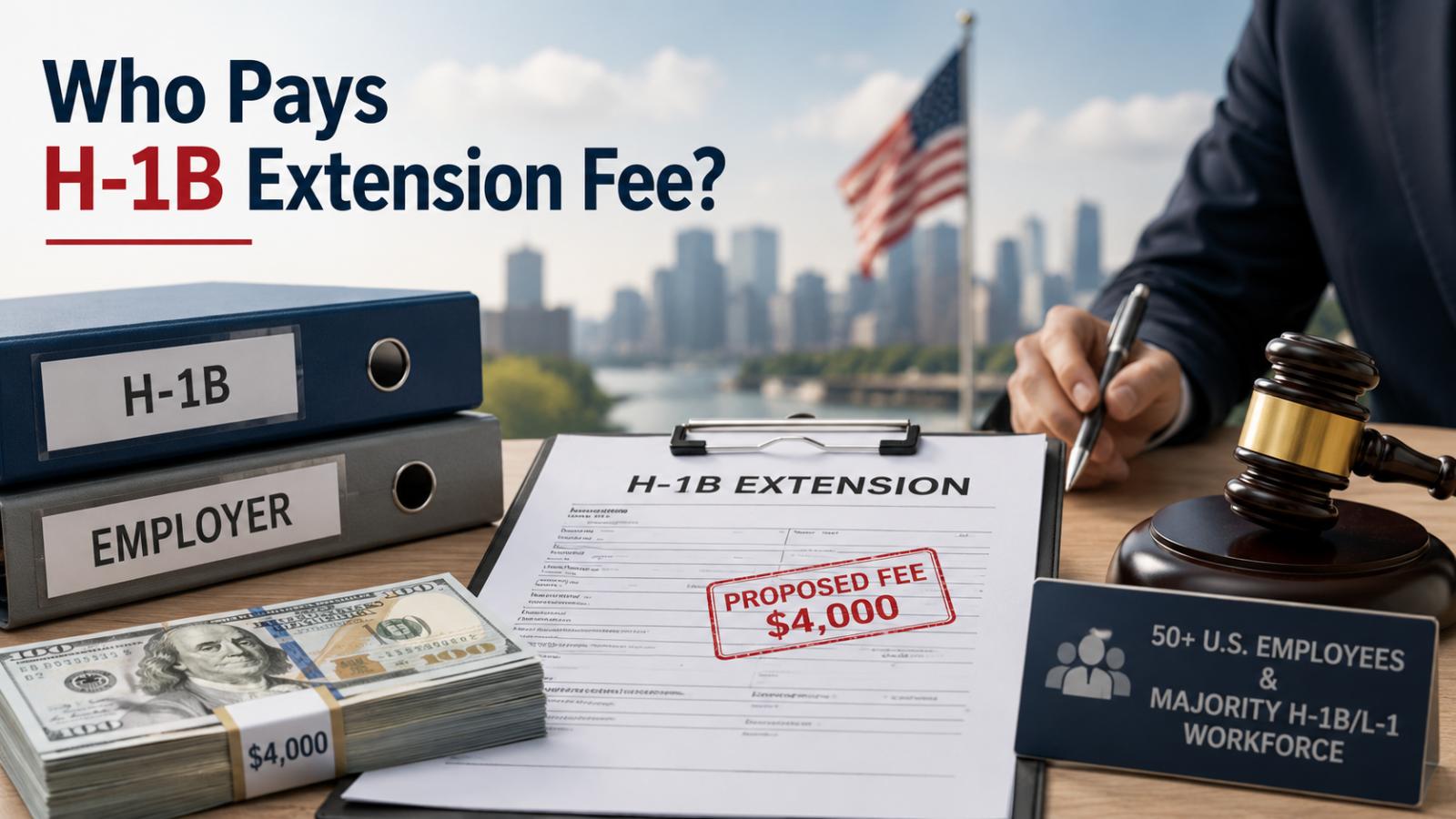
The proposed $4,000 H-1B extension fee would not apply to every employer or visa holder. It targets companies with at least 50 U.S. employees when more than half hold H-1B or L-1 status, expanding the surcharge to same-employer extension petitions as well. Which employers meet the threshold? The eligibility rules are part of a broader
Who must pay the proposed $4,000 H-1B extension fee?
The proposed $4,000 H-1B extension fee would not apply to every employer or visa holder. It targets companies with at least 50 U.S. employees when more than half hold H-1B or L-1 status, expanding the surcharge to same-employer extension petitions as well. Which employers meet the threshold? The eligibility rules are part of a broader


