Edit
Tulsi Gabbard backs Trump on Iran strikes, cites intel confirming nuclear facility destruction
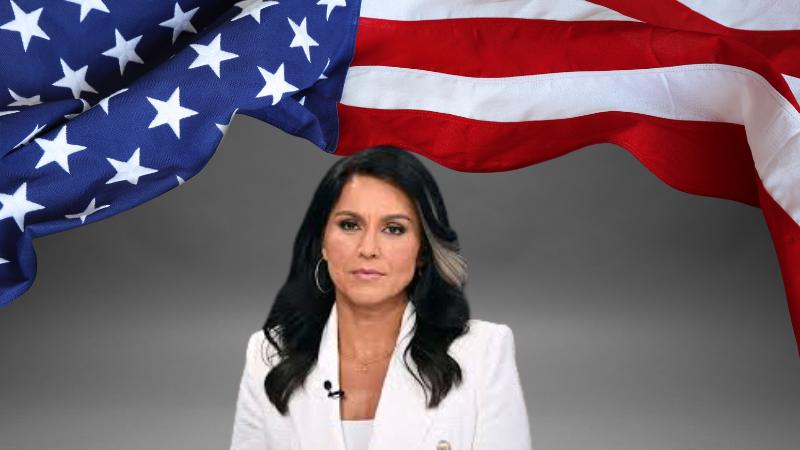
Tulsi Gabbard, currently serving as the United States Director of National Intelligence, has voiced strong support for President Donald Trump’s assertions regarding the recent military strikes on Iranian nuclear facilities. Amid ongoing speculation about the effectiveness of the operation, Gabbard publicly affirmed that intelligence assessments now confirm the destruction of Iran’s most critical nuclear infrastructure.
In a recent online statement, Gabbard echoed Trump’s consistent message that the airstrikes had successfully disabled Iran’s key sites, including Natanz, Fordow, and Esfahan. According to her, any attempt by Iran to restart its program would require full-scale reconstruction of all three sites, a process that would likely take years and entail extensive resources and planning.
Her remarks served as a pointed rebuttal to circulating narratives suggesting the operation had only a temporary impact on Iran’s nuclear capabilities. Without naming sources, Gabbard criticized reports that cast doubt on the mission’s success. She argued that selective disclosure of intelligence assessments has misrepresented the true nature of the findings, especially by omitting qualifiers such as the reported “low confidence” level attached to preliminary evaluations.
Gabbard framed these efforts as part of a broader attempt to undermine the credibility of both the administration and the military personnel who carried out the mission. She maintained that such narratives do a disservice to the American public by distorting the facts and diminishing a major national security success. In her view, the operation not only disrupted Iran’s nuclear progression but also reinforced U.S. deterrence on a global scale.
President Trump, speaking at an international summit on June 25, also reaffirmed the effectiveness of the strike and expressed frustration over continued skepticism. Flanked by senior defense officials, he reiterated that the airstrikes had comprehensively dismantled critical nuclear infrastructure. To support his claims, he read from a letter he said was sent by an allied atomic energy authority, which praised the precision and effectiveness of the U.S. operation, particularly at the Fordow site. The letter allegedly stated that the facility had been rendered completely inoperable and posed no ongoing threat.
Trump pointed to the immediate strategic outcome of the strike, suggesting it played a key role in bringing about a ceasefire between Israel and Iran. He referred to this confrontation as the “12-day war” and described the end of hostilities as a direct consequence of American military action. He emphasized that the operation demonstrated American resolve and sent a clear message to any adversary contemplating aggressive action.
In addition to defending the operation’s success, Trump issued a clear warning to Tehran. He declared that any effort by Iran to reconstruct its nuclear infrastructure would prompt further military action, which he promised would be swift and overwhelming. According to him, the administration is prepared to prevent Iran from regaining its previous capabilities by any means necessary.
Despite ongoing debate among analysts and foreign policy experts, both Gabbard and Trump have presented a unified front in defense of the operation. Their messaging underlines a broader strategic narrative aimed at highlighting a revitalized posture of deterrence, swift military response, and enhanced national security outcomes. They argue that, contrary to critical narratives, the strike was not only effective but transformative in shaping the regional power balance.
As the global community continues to assess the long-term implications of the strikes, one thing remains clear: the United States has drawn a hard line regarding nuclear proliferation threats and demonstrated its willingness to act decisively. While opposing views persist, the administration continues to frame this operation as a defining moment in its foreign policy legacy and a benchmark for how future threats will be handled.
In a recent online statement, Gabbard echoed Trump’s consistent message that the airstrikes had successfully disabled Iran’s key sites, including Natanz, Fordow, and Esfahan. According to her, any attempt by Iran to restart its program would require full-scale reconstruction of all three sites, a process that would likely take years and entail extensive resources and planning.
Her remarks served as a pointed rebuttal to circulating narratives suggesting the operation had only a temporary impact on Iran’s nuclear capabilities. Without naming sources, Gabbard criticized reports that cast doubt on the mission’s success. She argued that selective disclosure of intelligence assessments has misrepresented the true nature of the findings, especially by omitting qualifiers such as the reported “low confidence” level attached to preliminary evaluations.
Gabbard framed these efforts as part of a broader attempt to undermine the credibility of both the administration and the military personnel who carried out the mission. She maintained that such narratives do a disservice to the American public by distorting the facts and diminishing a major national security success. In her view, the operation not only disrupted Iran’s nuclear progression but also reinforced U.S. deterrence on a global scale.
President Trump, speaking at an international summit on June 25, also reaffirmed the effectiveness of the strike and expressed frustration over continued skepticism. Flanked by senior defense officials, he reiterated that the airstrikes had comprehensively dismantled critical nuclear infrastructure. To support his claims, he read from a letter he said was sent by an allied atomic energy authority, which praised the precision and effectiveness of the U.S. operation, particularly at the Fordow site. The letter allegedly stated that the facility had been rendered completely inoperable and posed no ongoing threat.
Trump pointed to the immediate strategic outcome of the strike, suggesting it played a key role in bringing about a ceasefire between Israel and Iran. He referred to this confrontation as the “12-day war” and described the end of hostilities as a direct consequence of American military action. He emphasized that the operation demonstrated American resolve and sent a clear message to any adversary contemplating aggressive action.
In addition to defending the operation’s success, Trump issued a clear warning to Tehran. He declared that any effort by Iran to reconstruct its nuclear infrastructure would prompt further military action, which he promised would be swift and overwhelming. According to him, the administration is prepared to prevent Iran from regaining its previous capabilities by any means necessary.
Despite ongoing debate among analysts and foreign policy experts, both Gabbard and Trump have presented a unified front in defense of the operation. Their messaging underlines a broader strategic narrative aimed at highlighting a revitalized posture of deterrence, swift military response, and enhanced national security outcomes. They argue that, contrary to critical narratives, the strike was not only effective but transformative in shaping the regional power balance.
As the global community continues to assess the long-term implications of the strikes, one thing remains clear: the United States has drawn a hard line regarding nuclear proliferation threats and demonstrated its willingness to act decisively. While opposing views persist, the administration continues to frame this operation as a defining moment in its foreign policy legacy and a benchmark for how future threats will be handled.