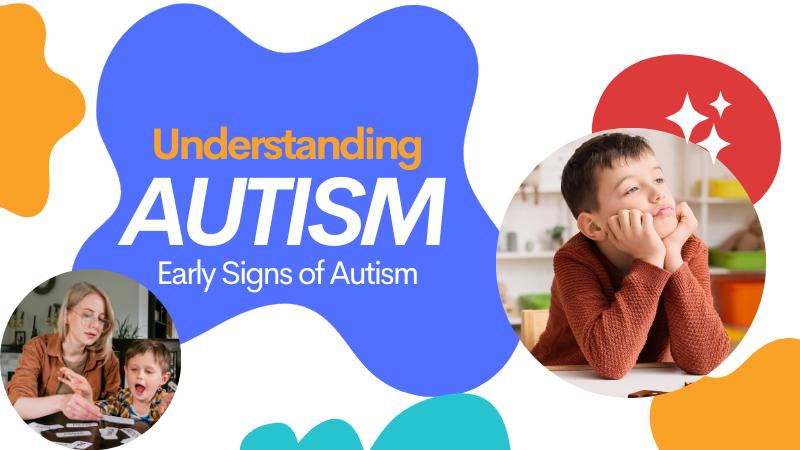
Early detection of autism or ADHD can make a big difference in helping children get the right support. While every child develops at their own pace, there are some signs parents and teachers can watch for.
Why Early Detection Matters
The earlier a child’s needs are recognized, the sooner therapies and support can begin. Early help improves learning, communication, and social skills.
Common Early Signs of Autism in Children
- Limited eye contact or avoiding social interaction
- Delay in speaking or repeating words without meaning
- Preference for routines and difficulty with changes
- Repetitive behaviors like hand flapping or rocking
- Sensitivity to sounds, lights, or textures
Recognizing Early Signs of ADHD in Kids
- Trouble sitting still and constant movement
- Difficulty focusing on tasks or instructions
- Acting without thinking or interrupting often
- Easily distracted in school or at home
- Behavior that is more intense than typical restlessness
Key Differences Between Autism and ADHD
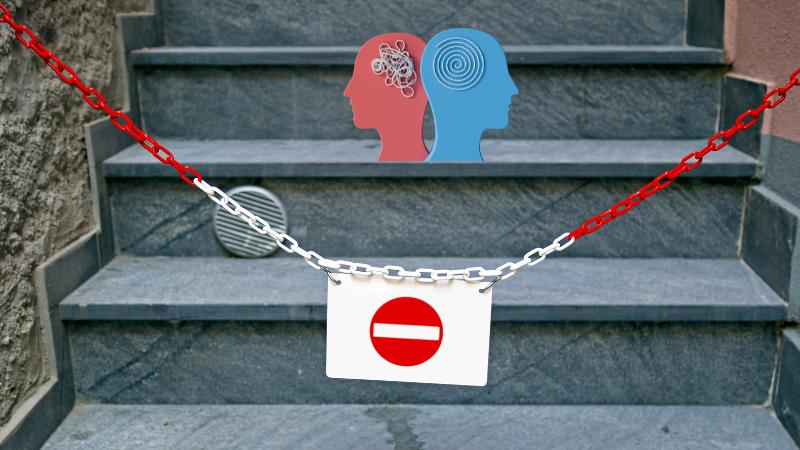
Autism often shows up through social and communication challenges, while ADHD is more about focus, hyperactivity, and impulsive behavior. Sometimes, children can have traits of both, so professional guidance is important.
When to Seek Professional Help
If these signs are regular and affect daily life, it’s best to consult a pediatrician or child psychologist. They can guide you with proper testing and support.
How Parents and Teachers Can Support Children
- Keep notes of behaviors to share with professionals
- Be patient and encouraging
- Use structured routines for better focus
- Join parent support groups for guidance and reassurance
Understanding, Not Labeling
Spotting early signs is about helping, not labeling. With the right support, children with autism or ADHD can learn, grow, and thrive. Awareness and early action are the keys.
🔖 Explore More
When to Worry About Your Child’s Speech Delay
The Link Between Childhood Anxiety and Overprotective Parenting
Understanding Kids’ Behavior Through Developmental Psychology
Explore more expert advice and resources in our Kids & Parenting hub.