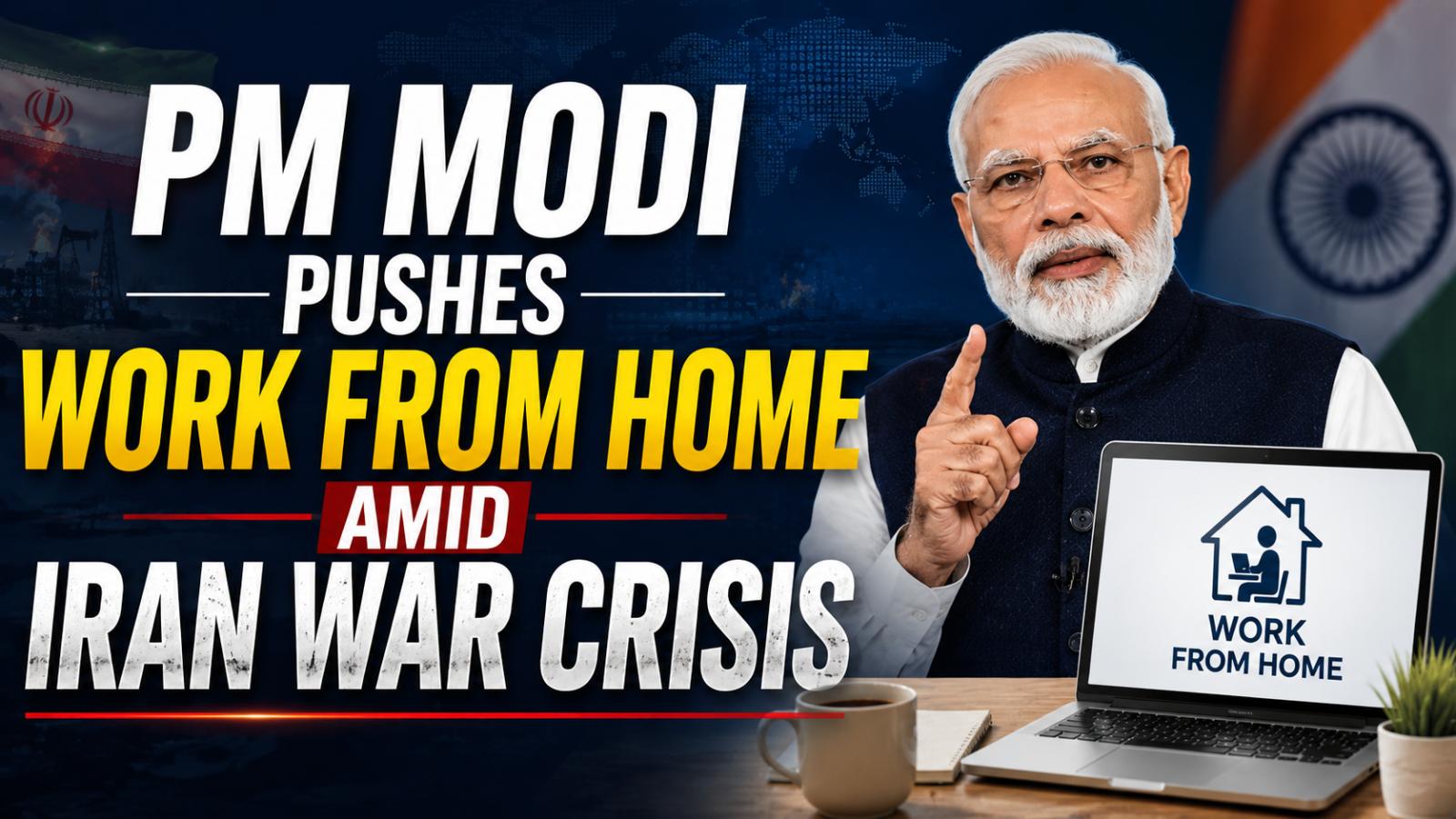
May 11: Prime Minister Narendra Modi has called on companies to adopt work-from-home policies and reduce unnecessary travel as the Iran war continues to affect global fuel supplies and economic stability. Following the Prime Minister’s appeal, IT employee body NITES has written to the labour ministry seeking an official advisory for remote work in the IT and IT-enabled services sector. The request comes at a time when India is facing rising concerns over fuel shortages, transport pressure, and the long-term economic impact of the West Asia conflict.
Why is NITES demanding a work from home advisory?
The Nascent Information Technology Employees Senate (NITES) sent a letter dated May 11 to the labour ministry and Union Labour Minister Mansukh Mandaviya asking the government to encourage companies to implement work from home wherever operationally possible. The organization said the move would support fuel conservation efforts and reduce daily travel for lakhs of employees working in India’s IT sector, which employs nearly 5.8 million people.
NITES said the COVID-19 pandemic had already proven that remote work is practical, technologically feasible, and sustainable for many IT roles without affecting productivity. According to the employee body, continuing large-scale office commuting despite digital alternatives is creating avoidable pressure on fuel usage, public transport systems, and city infrastructure.
How is the Iran war affecting India’s economy?
The ongoing Iran war has disrupted global oil supply routes, especially through the Strait of Hormuz, one of the world’s most important crude oil transit points. Even after ceasefire announcements and claims that the conflict had eased, the economic impact continues to affect several countries, including India. Fuel prices, supply chain disruptions, and uncertainty in energy markets remain major concerns for governments and industries.
What measures did PM Modi suggest?
Prime Minister Modi urged citizens to use petrol and diesel carefully and reduce unnecessary consumption during the current global crisis. He encouraged people to use public transport, adopt carpooling, and promote electric vehicles wherever possible. The Prime Minister also advised people to avoid non-essential foreign travel and postpone gold purchases for a year, stating that both activities place additional pressure on India’s foreign exchange reserves.
The government’s call for austerity measures and the growing demand for work from home policies reflect increasing concern over the economic effects of the Iran war and the need to conserve resources during uncertain global conditions.