Rutte’s Trump strategy faces new NATO test
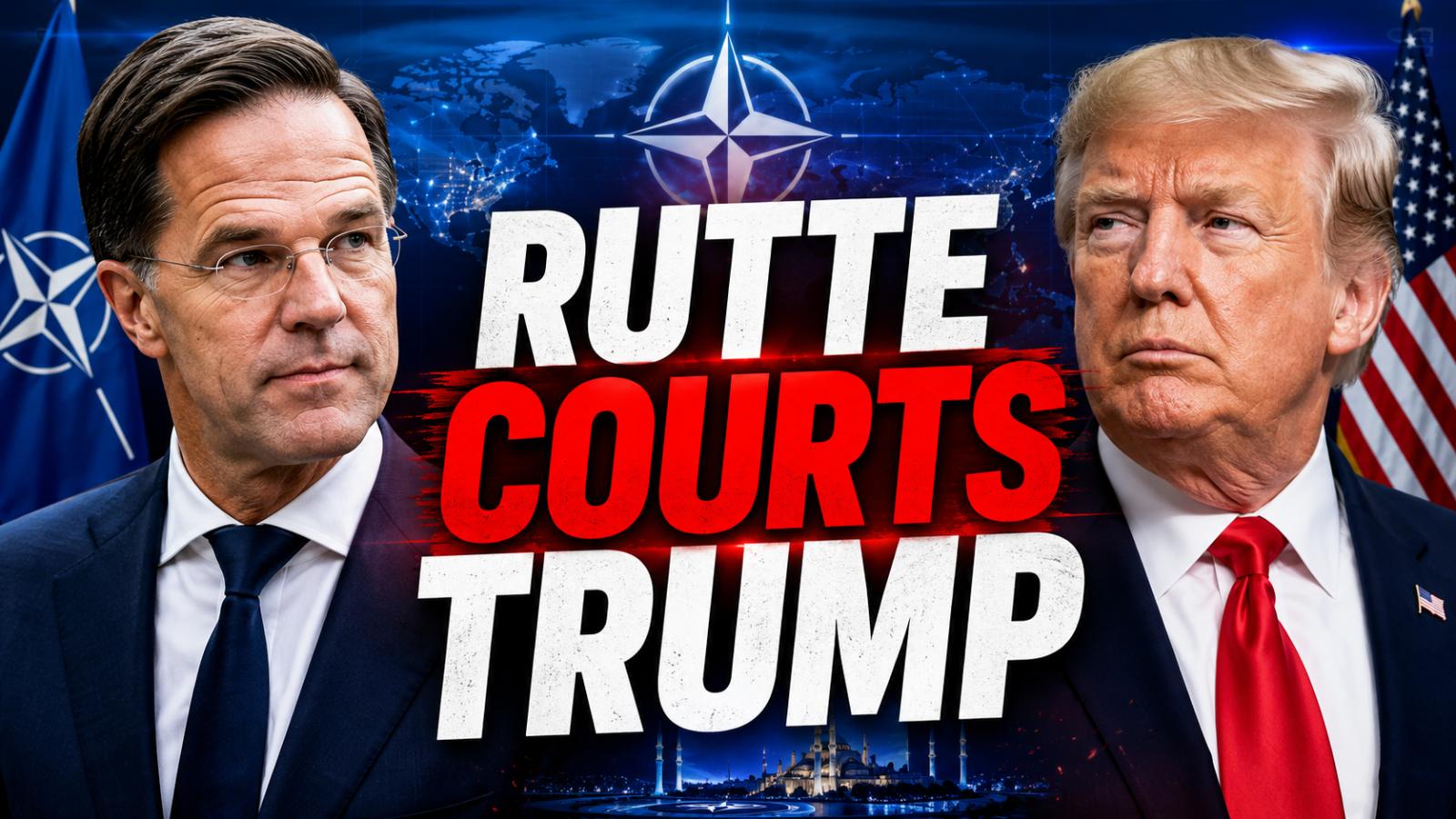
NATO Secretary General Mark Rutte’s careful management of President Donald Trump is facing a fresh test ahead of the alliance’s Ankara summit, where defence spending, US commitment and European security are expected to dominate discussions. During a recent Washington visit, Rutte presented Trump with charts highlighting increased European and Canadian defence spending, including more than $1 trillion in cumulative additional spending since 2016, according to NATO. The move was aimed at reinforcing the argument that allies are responding to Trump’s long-running demands for greater burden-sharing.
Rutte has repeatedly credited Trump with pushing NATO members to raise defence commitments, including the pledge agreed at the Hague summit to move toward spending 5% of GDP annually on defence and security-related needs by 2035. NATO has described the target as a major shift in collective defence planning, while Trump has portrayed it as proof that his pressure campaign changed alliance behaviour. Rutte’s public praise has helped maintain direct access to Trump at moments when other European leaders have struggled to manage strained relations.
Defence spending and alliance pressure
The Ankara summit comes as Trump seeks not only higher spending but stronger political loyalty from NATO allies. Reports ahead of the meeting say Trump remains frustrated by European reluctance to support some US-led actions, including tensions linked to Iran, even as allies point to sharp increases in defence budgets. Rutte’s role has become central because European governments still rely heavily on US military power, intelligence and logistics, despite growing calls for Europe to develop greater independent capability.
Limits of personal diplomacy
Rutte is widely viewed as an effective political operator because of his optimism, low-profile style and willingness to keep difficult conversations focused on practical outcomes. However, his approach carries risks. By investing heavily in managing Trump personally, he faces criticism from those who believe Europe must prepare for a future in which Washington plays a reduced security role. His warning that Europe cannot defend itself without the United States has also angered officials and analysts who support stronger European strategic autonomy.
For NATO, the challenge is larger than one summit or one relationship. Rutte’s strategy may help reduce immediate tensions with Trump, but it cannot fully answer the deeper question facing the alliance: whether Europe can increase defence spending fast enough while preparing for a less predictable US role in transatlantic security.