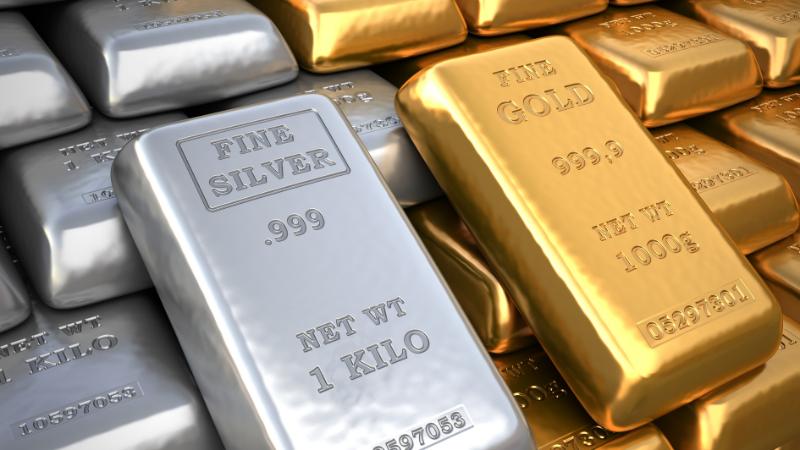
Gold and silver prices have surged to record highs as investors rush back to precious metals, turning them into one of the strongest signals of global economic anxiety. A year that began cautiously is ending with aggressive buying, driven by inflation concerns, interest rate expectations, geopolitical tensions, and fears emerging from global bond markets.
On Tuesday, gold prices climbed sharply, with spot gold rising to fresh all-time highs and futures also posting strong gains. Silver followed closely, extending a rally that has already delivered extraordinary returns this year. Gold has risen roughly 70 percent so far in 2025, while silver has outperformed even further, gaining nearly 140 percent and approaching the psychologically important $70 level. The renewed surge highlights how investors are repositioning portfolios as confidence in traditional assets weakens. Precious metals, long viewed as safe havens during uncertainty, are once again attracting heavy flows as global risks continue to mount.
One of the biggest drivers behind the rally is growing expectation that the US Federal Reserve may begin cutting interest rates next year. Lower interest rates reduce returns from bonds and savings instruments, making non-yielding assets like gold and silver more attractive. As a result, even small shifts in rate expectations can trigger large inflows into precious metals.
At the same time, global geopolitical tensions have intensified. Fresh concerns related to shipping routes, regional conflicts, and political instability have pushed investors toward assets perceived as safer stores of value. Central banks across the world have also continued buying gold steadily, reinforcing bullish sentiment and supporting prices at higher levels.
Beyond geopolitics, fears in global bond markets are adding fuel to the rally. Rising bond yields in major economies, including Japan, have raised questions about long-term inflation control and government debt sustainability. When bond markets appear unstable, gold often benefits as investors look for protection against potential monetary disruptions.
Analysts also point out that the gold rally is no longer driven mainly by jewellery demand. Instead, it reflects deeper structural fears around inflation, currency stability, and the future direction of global monetary policy. Silver, meanwhile, has gained additional support from industrial demand and supply-side challenges.
Silver’s rally has been amplified by supply constraints, including mining disruptions and low inventories. These factors have tightened the market and increased price sensitivity to rising demand. Expectations of a weaker US dollar and possible rate cuts could further support silver prices in the near term.
However, experts caution that prices may not move in a straight line from here. Both gold and silver are now in overbought zones on technical charts, increasing the likelihood of short-term corrections or profit booking. Sharp rallies are often followed by periods of consolidation, especially when trading volumes thin during holiday seasons.
Despite these risks, analysts remain broadly positive on the long-term outlook. Many believe gold is transitioning from being seen purely as a crisis hedge to becoming a core portfolio asset. Traditional portfolio models that relied heavily on stocks and bonds are increasingly being reconsidered, with gold taking on a larger role as an inflation hedge and risk diversifier.
Most investment portfolios currently hold limited exposure to gold. If allocation levels increase meaningfully over time, demand could rise substantially, potentially supporting prices further. Silver, while offering higher volatility, continues to appeal to investors seeking both industrial exposure and inflation protection.
For investors wondering whether it is too late to buy, experts suggest managing expectations. While long-term fundamentals remain supportive, short-term price swings are likely after such a strong run. Gradual buying on dips, rather than chasing highs, may help reduce risk. As global economic data, inflation trends, and central bank signals remain in focus, gold and silver are expected to stay volatile. While the broader trend remains positive, investors are advised to stay cautious, diversify wisely, and prepare for periods of sharp movement as markets react to evolving global conditions.