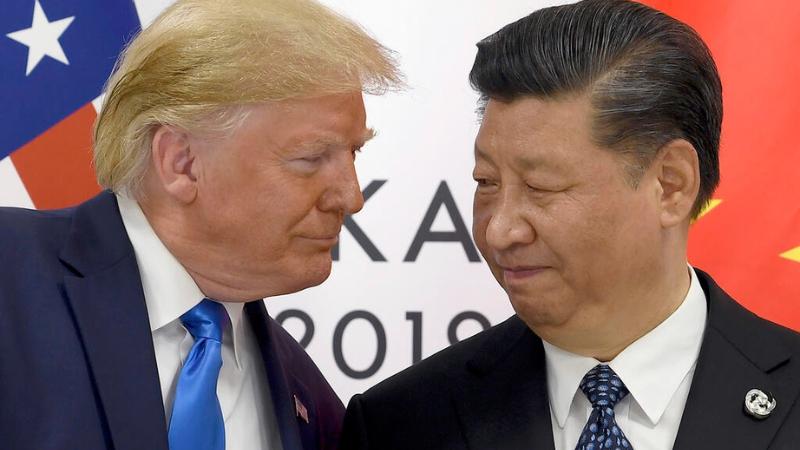
In a dramatic policy turn, US President Donald Trump announced that 600,000 Chinese students will be allowed to study in American universities, describing the move as vital to Washington’s relationship with Beijing. Speaking from the Oval Office, Trump said, “We’re going to allow their students to come in. It’s very important, 600,000 students. But we’re going to get along with China.”
This declaration comes as a surprise, given his administration’s earlier stance of aggressively revoking visas for Chinese students, particularly those linked to the Chinese Communist Party or studying in sensitive fields. Trump coupled the announcement with a stern warning to China regarding rare earth magnet supplies, threatening a 200 per cent tariff if Beijing failed to comply, but assured that student access would remain untouched despite ongoing trade tensions.
The United States and China recently extended their trade truce for another 90 days, following months of tariff escalations that rattled global markets. Trump’s student visa decision appears aimed at balancing economic needs and diplomatic relations, even as nationalist backlash mounts.
The announcement triggered immediate criticism from Trump’s core MAGA supporters, who view the decision as a betrayal of the America First agenda. Conservative activist Laura Loomer slammed the move, calling Chinese students CCP spies and accusing Trump of importing immigrants from hostile nations. Please don’t Make America China. MAGA doesn’t want more immigrants, she posted on X.
Republican Congresswoman Marjorie Taylor Greene echoed similar sentiments, opposing the admission of Chinese students, arguing they could replace American opportunities in higher education. We should not let in 600,000 CHINESE students that may be loyal to the CCP, she warned.
Despite the pushback, Trump’s team defended the decision. Commerce Secretary Howard Lutnick explained that without Chinese student enrollment, “the bottom 15 per cent of universities would go out of business in America,” framing the policy as a rational economic choice.
The move stands in sharp contrast to Trump’s previous visa policies announced in May, where Secretary of State Marco Rubio had pledged stricter screening and revocations. By opening US campuses to a massive influx of Chinese students, Trump has ignited a political storm, balancing diplomatic outreach with Beijing against discontent within his staunchest voter base.