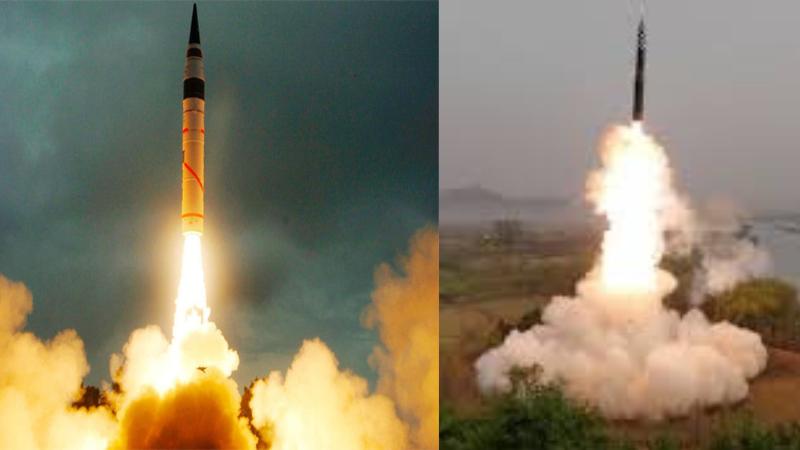
North Korea launched multiple ballistic missiles into nearby waters on Tuesday, triggering renewed condemnation from South Korea and Japan and drawing attention to ongoing discussions between Seoul and Washington over the future direction of their security alliance. The launches underscore persistent tensions on the Korean Peninsula as Pyongyang continues to advance its missile capabilities amid shifting regional and global defence dynamics.
South Korea’s Joint Chiefs of Staff said the missiles were fired from an area near Pyongyang during the afternoon hours, travelling approximately 350 kilometres before falling into the sea off the North’s eastern coast. According to military assessments shared by authorities in Seoul and Tokyo, the missiles reached an altitude of around 80 kilometres. Japanese officials confirmed detecting the launches, noting that the projectiles splashed down within minutes and posed no immediate threat to Japanese territory or civilian safety.
Despite the lack of direct impact, the launches were swiftly criticised by neighbouring governments. Japan issued a formal protest, describing the repeated missile tests as a serious concern for regional stability and a violation of United Nations Security Council resolutions that prohibit North Korea from conducting ballistic missile activity. Senior officials in Tokyo warned that continued tests increase risks to international security and undermine efforts to manage tensions in Northeast Asia.
In Seoul, the Office of National Security urged North Korea to halt what it described as provocative actions, stating that the launches damage stability on the Korean Peninsula. South Korean officials reiterated that Pyongyang’s missile programme remains a central threat requiring close coordination with allies and sustained vigilance.
The latest tests come amid heightened international scrutiny of North Korea’s short-range missile systems, which the country has described as part of a tactical nuclear force designed to deter the United States and South Korea. Interest in these weapons has intensified following reports that Pyongyang supplied missiles and artillery to Russia for use in the war in Ukraine under a defence arrangement reached in 2024. Analysts say such cooperation has raised concerns about the transfer of technology and the broader implications for global security.
The timing of the launches also coincided with a visit to Seoul by a senior US Department of Defense official engaged in talks on modernising the alliance’s military posture. A recent Pentagon strategy document suggests that South Korea is expected to assume greater responsibility for deterring North Korea, while the United States maintains a supporting but still critical role through strategic assets and extended deterrence.
As debates continue in both capitals over force posture, missile defence, and crisis management, North Korea’s latest missile activity is likely to reinforce calls for deeper coordination and preparedness. The launches highlight the enduring challenge posed by Pyongyang’s weapons development at a moment when regional security arrangements are under careful review.