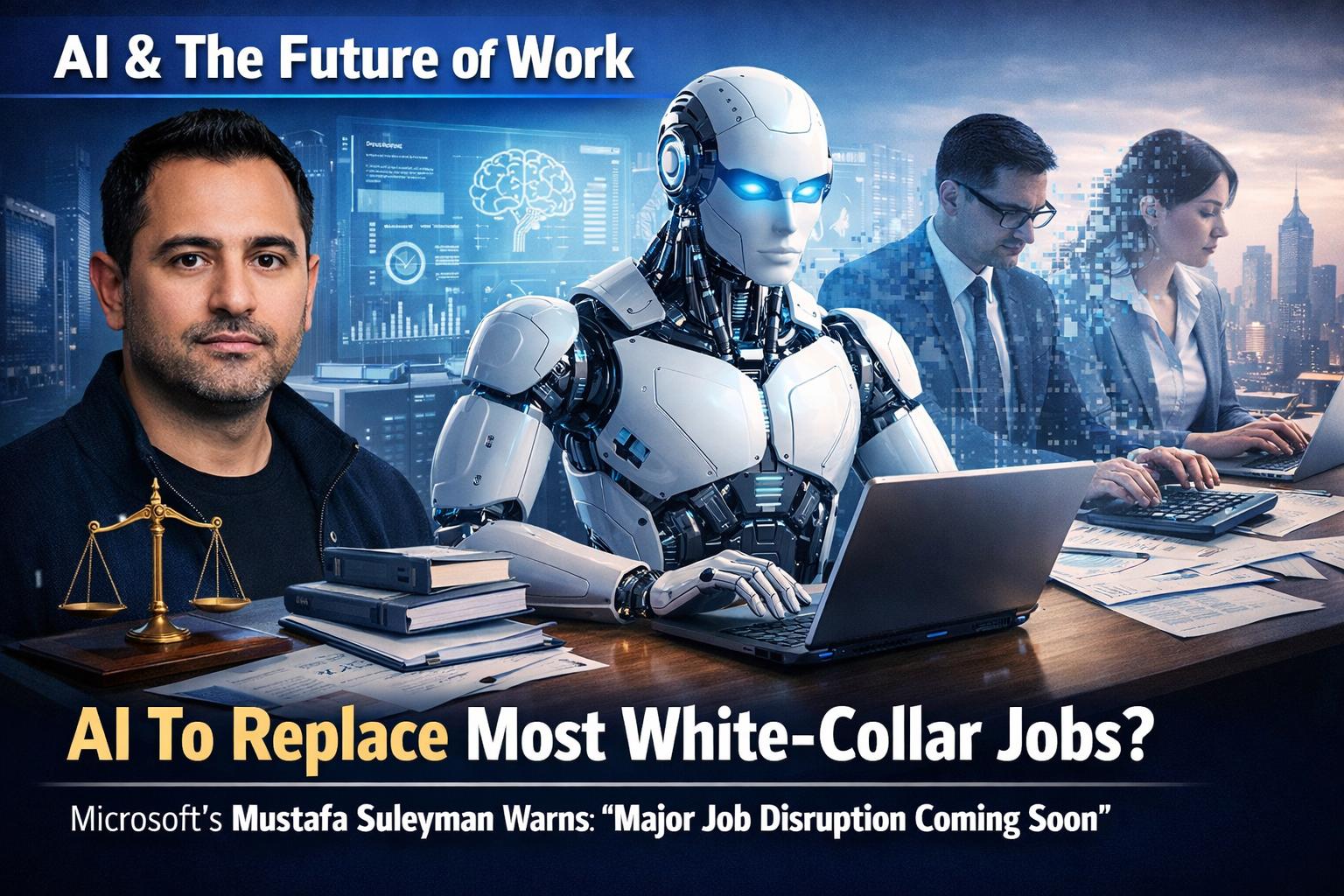
Suleyman explained that Microsoft is focused on building what he described as professional-grade artificial general intelligence, or AGI. Unlike narrow AI systems designed for specific functions, these advanced models are intended to perform a wide range of professional tasks at a level comparable to skilled human workers. By targeting enterprise clients, the company aims to deliver powerful AI tools capable of managing routine workflows, drafting documents, analyzing financial records, handling communications and supporting decision-making processes. Such systems could significantly reduce the need for human involvement in everyday office operations.
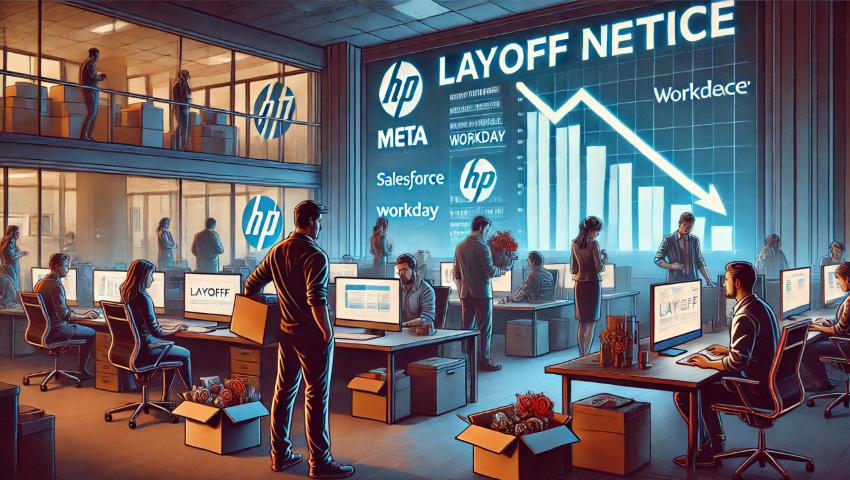
His remarks come at a time when artificial intelligence is rapidly transforming the technology landscape and influencing investor sentiment. New AI-driven tools have already reshaped expectations around productivity and operational efficiency across industries. As AI systems become more capable of independently handling coding, data analysis and administrative processes, traditional service providers and consulting firms may face mounting pressure to adapt. While companies may benefit from cost savings and improved efficiency, concerns are growing about job displacement and long-term workforce stability.
Suleyman emphasized that roles centered on computer-based tasks are particularly vulnerable. Professionals who rely on digital platforms, spreadsheets, presentations and documentation for their daily work may see many of their responsibilities automated. Tasks once viewed as uniquely human, including drafting legal agreements, preparing audit reports or crafting marketing strategies, are increasingly within the capabilities of advanced AI models. As these systems continue to improve in reasoning, contextual understanding and data integration, their potential to replicate complex professional activities is expected to expand significantly.
Beyond the immediate impact on employment, Suleyman predicted that developing customized AI models will become far simpler in the coming years. He suggested that creating a tailored AI system could eventually be as straightforward as producing digital content. In such a scenario, institutions and individuals alike could design AI solutions built specifically for their operational needs. This shift could accelerate adoption across sectors including finance, healthcare, education and public administration, as organizations deploy specialized AI agents trained on proprietary data to streamline internal processes.
Within two to three years, AI agents are expected to become more effective at managing workflows inside large institutions. These digital systems could oversee scheduling, procurement, performance tracking and even certain negotiation tasks with minimal human supervision. As AI grows more autonomous and reliable, it may function as a digital workforce operating continuously and efficiently. However, this transformation also raises complex questions around ethics, governance, accountability and the need for large-scale reskilling initiatives.
The rapid development of enterprise AI signals a pivotal turning point for the global labor market. While businesses may gain from increased productivity and lower operational costs, employees and policymakers will need to address the broader implications of automation. The challenge will be to balance innovation with economic stability and social responsibility. Suleyman’s warning reflects a broader shift in the technology sector, where artificial intelligence is increasingly seen not just as a productivity enhancer, but as a force capable of fundamentally reshaping the structure of modern work.