





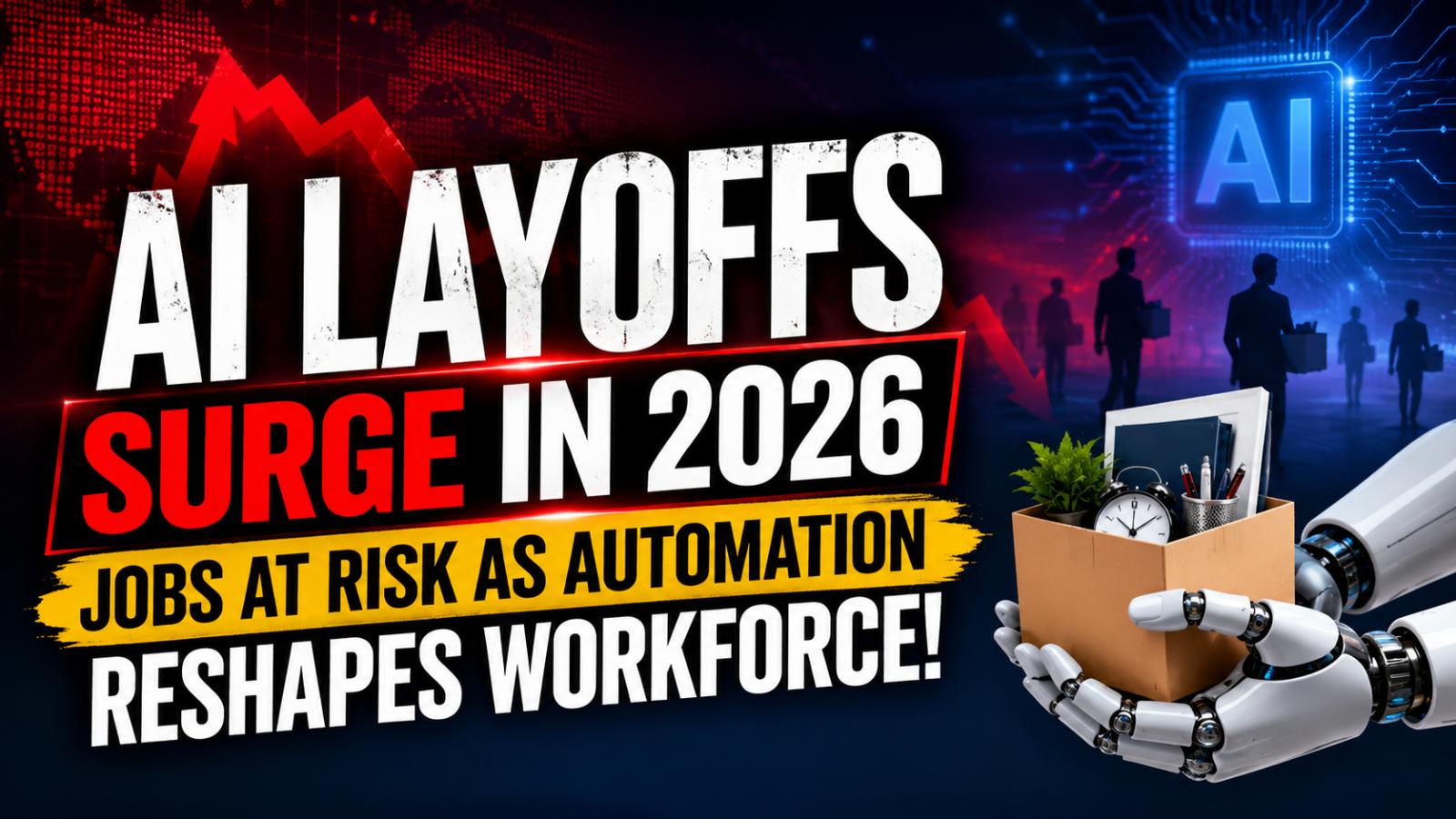













AI layoffs in 2026 are no longer just a prediction about the future of work. Companies are increasingly linking workforce reductions to automation and artificial intelligence, while technology firms remain at the center of the cuts. Yet the data also show that AI is reshaping jobs in more complex ways than simply replacing workers. US AI job cuts rise sharply
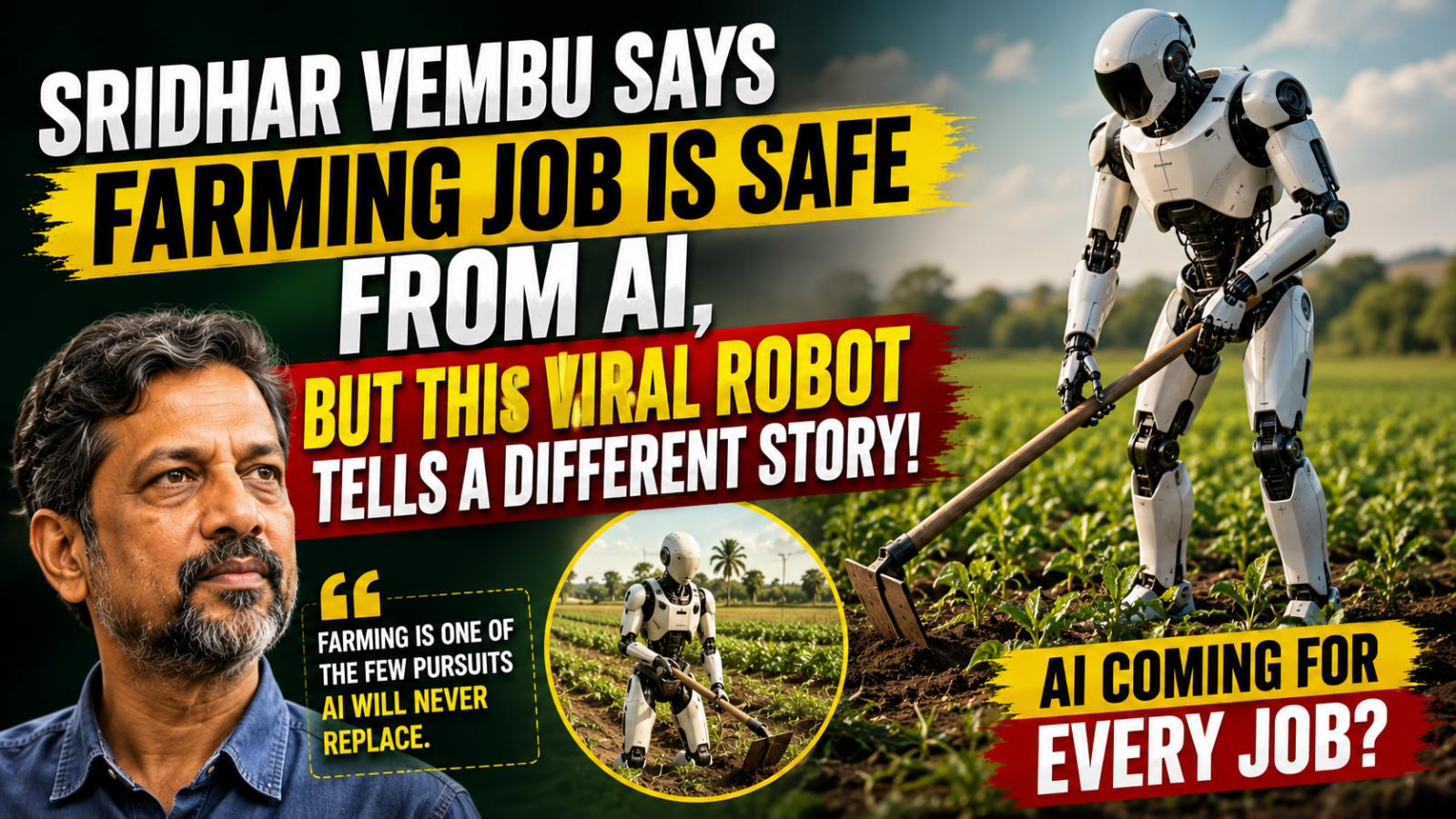
A viral video appearing to show a humanoid robot working on a farm has reopened the debate over whether farming and other physical jobs are safe from AI. Viral Farm Robot Video Revives AI Job Debate A widely shared social media video appearing to show a humanoid robot working in a field has reignited concerns about artificial intelligence moving beyond software and office jobs into physical labour. The clip shows a human-shaped m
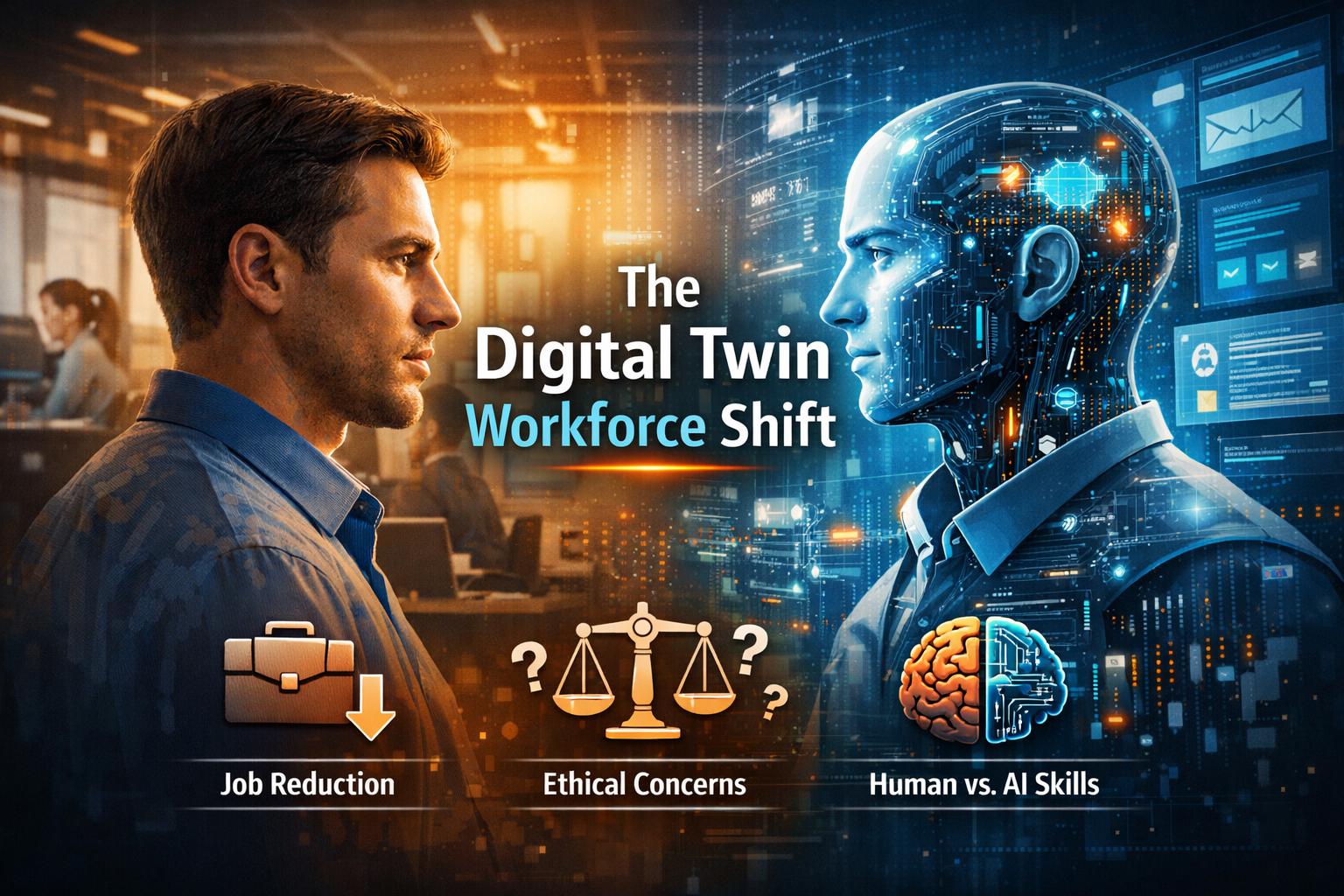
The rise of AI-powered digital twins is no longer just a tech trend—it’s quickly turning into a digital twin job loss crisis that could reshape how millions of people work. Companies are building AI versions of employees that can think, respond, and make decisions like humans. While this promises efficiency, it also raises a serious concern: are workers unknowingly training their own replacements? How Digital Twins Are Replacing Human Roles
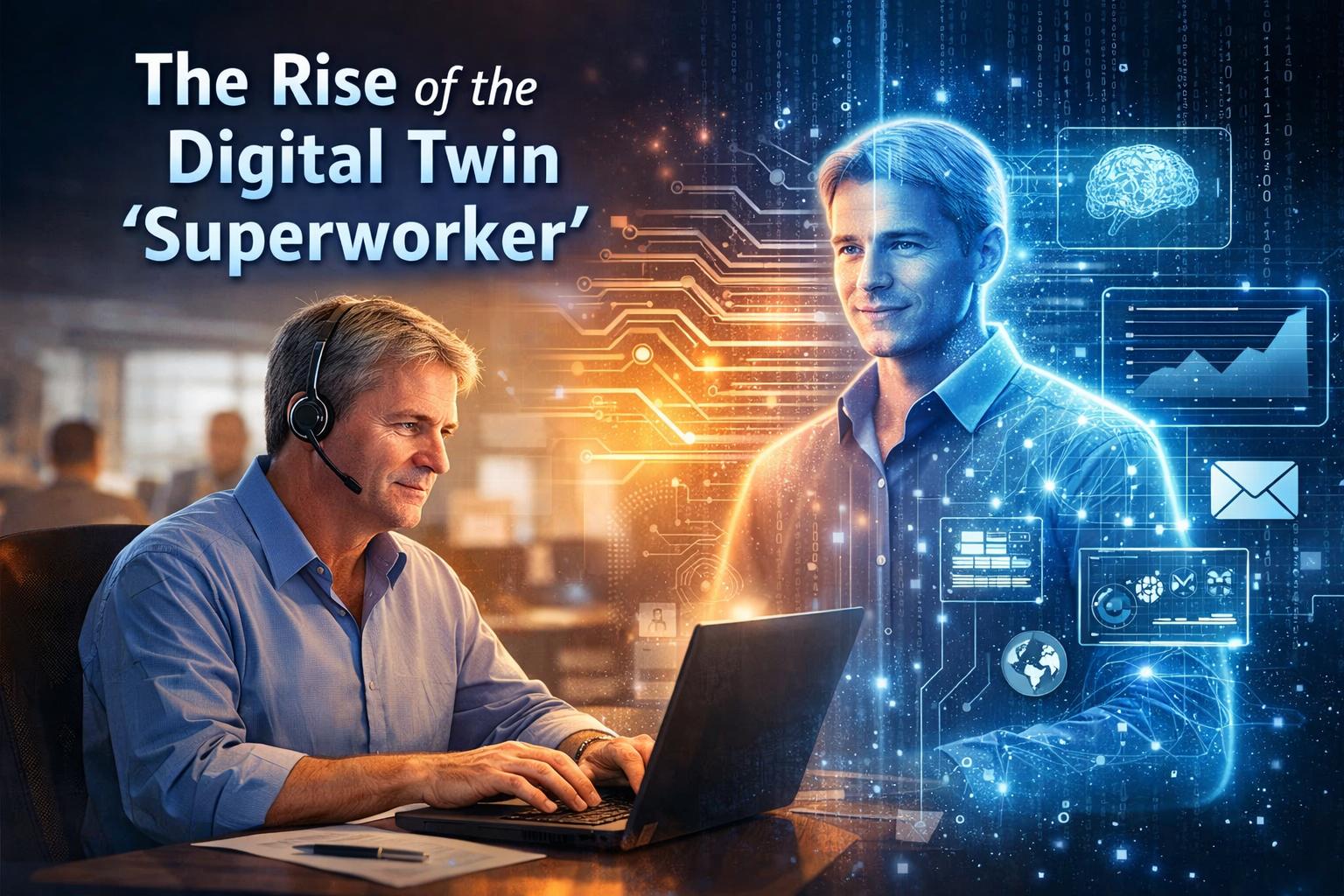
What is a digital twin? A digital twin is an AI-powered system that replicates a person’s knowledge, behavior, and decision-making using their data. It can assist with tasks, answer questions, and act as a virtual version of an employee. Digital twin in workplace: the rise of AI ‘superwo
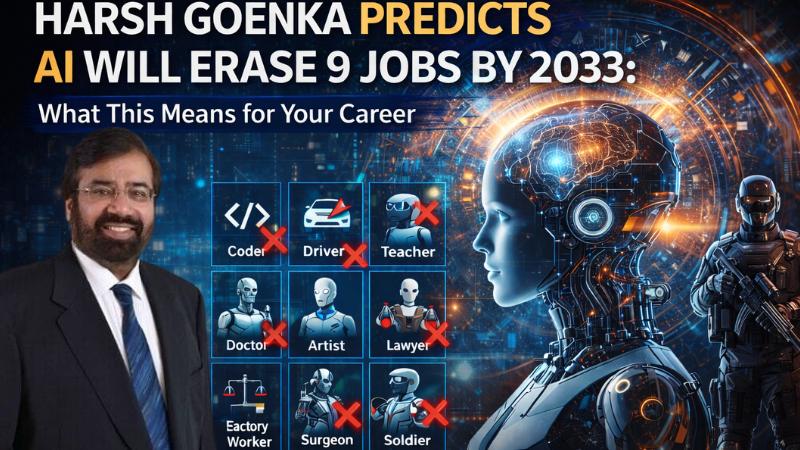
In a recent post on X, Harsh Goenka, the Chairman of RPG Enterprises, warned that artificial intelligence (AI) could replace entire professions by 2033, raising concerns about the future job market and the types of careers that will thrive in an AI-driven world. His predictions highlight a shift in the workforce, where automation and AI technologies are expected to displace jobs across various sectors, including transportation, healthcare, law, and creative fields. These changes are set to oc
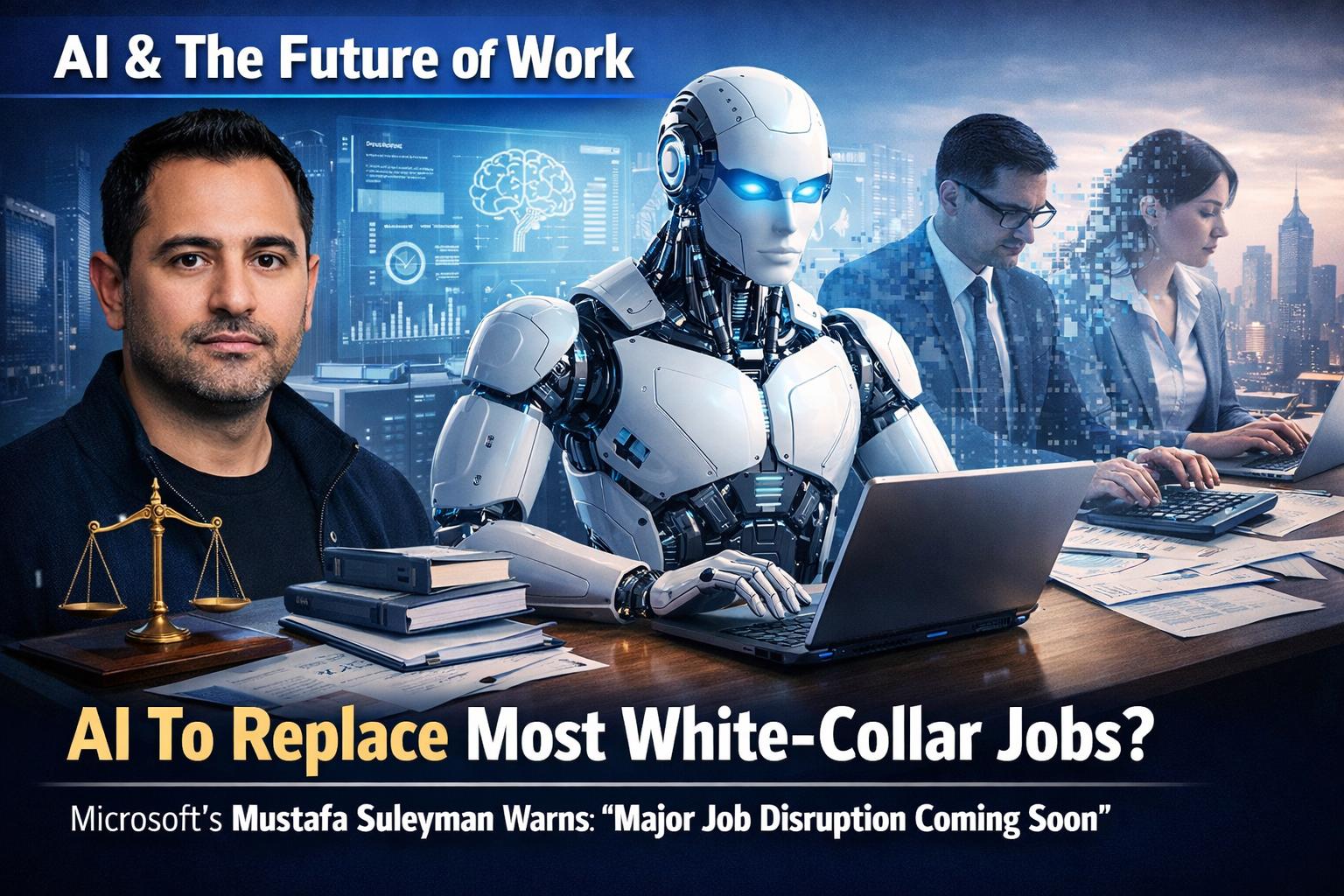
Microsoft’s head of artificial intelligence, Mustafa Suleyman, has triggered intense debate after warning that artificial intelligence could replace most white-collar jobs in the near future. Speaking about the accelerating pace of technological change, Suleyman said automation will not be limited to coders or IT professionals, but could extend to lawyers, accountants, project managers, marketers and other knowledge workers who spend most of their time working on computers. According to him, t
Elon Musk has suggested that traditional employment may become largely optional within the next decade or two, predicting a dramatic shift in how societies function as artificial intelligence and robotics expand across industries. Speaking at an investment forum in Washington, DC, he said the future of work could resemble a hobby rather than an economic necessity, comparing it to the decision to grow vegetables for personal satisfaction even when they can be purchased easily at a store. Musk
The Indian job market has evolved rapidly in the last decade, driven by technology, automation, and the global shift toward digital-first industries. As a result, Indian job seekers—especially freshers and young professionals—often face an important question: Is a traditional college degree still the best path, or do online bootcamps offer a faster, more effective route to employment? This article dives deep into both options to help Indian job seeke
When researcher Kevin Cantera from Las Cruces, New Mexico, began experimenting with ChatGPT at the education technology firm where he worked, he believed he was future-proofing his career. Encouraged by his supervisors, he adopted artificial intelligence as a daily assistant to streamline his writing, research, and communication tasks. His results were exceptional, and he quickly became one of the company’s most productive employees. But only months later, Cantera was unexpectedly
Artificial Intelligence (AI) is transforming industries, and one of the most exciting new roles is AI Prompt Engineering—the art of writing effective prompts that help AI tools like ChatGPT, MidJourney, and DALL-E generate high-quality results. This career combines creativity, communication, and critical thinking, making it ideal for both tech and non-tech professionals.
The promise of AI revolutionizing work in 2025 has taken an unexpected turn. Instead of enhancing job opportunities, major tech firms have begun aggressively cutting jobs. From Amazon’s AWS division to Microsoft’s AI departments and Google’s search engineering teams, the shift toward automation is leaving thousands unemployed. Amazon, Microsoft, and Google Spark Layoff Wave
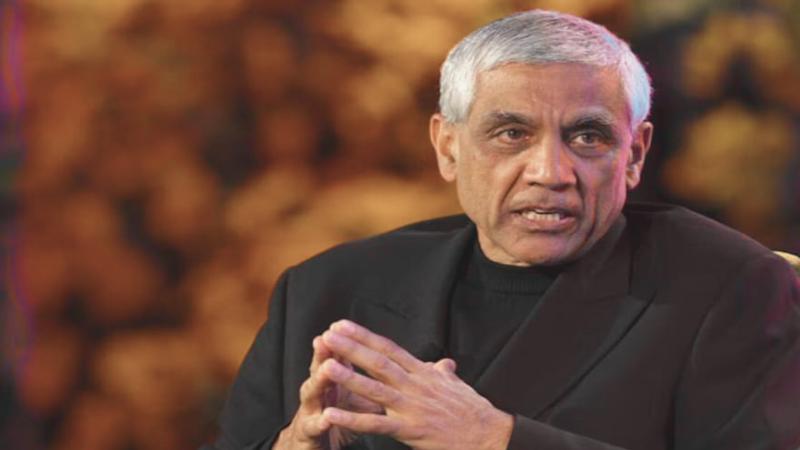
Indian-American venture capitalist Vinod Khosla has sparked a major debate by suggesting that artificial intelligence may undermine the dominance of elite universities and high-prestige careers. Reacting to a report titled “The End of Prestige”, Khosla argued that AI tools are eroding the traditional value of expensive degrees in law, medicine, and finance by replacing the need for memorized knowledge with the ability to intelligently query AI sys
A recent United Nations report warns that artificial intelligence could reshape the job market dramatically within the next five years. From drivers to coders, eight major job roles could be either transformed or entirely replaced by AI-powered tools, sparking both concern and optimism in equal measure. The UN Conference on Trade and Development (UNCTAD) states that up to 40% of global jobs may be impacted by AI by 2
As industries rapidly evolve under the influence of automation, artificial intelligence, and digital transformation, the engineering world is undergoing a parallel shift. The engineers of 2025 and beyond will be expected to bring a blend of traditional technical knowledge and next-generation competencies to the table. The days when engineering jobs were confined to design labs or construction sites are long gone. Today’s engineering roles span across data centers, AI startups, renewable en
As Artificial Intelligence (AI) continues to reshape the global workforce, a surprising perspective has emerged from Jack Clark, co-founder of the AI research company Anthropic. In a recent episode of the "Conversations with Tyler" podcast, Clark delved into which professions are most likely to resist disruption by AI and his answers may not be what most people expect. Clark, who previously worked with OpenAI and comes from a humanities background, highlighted that many ha
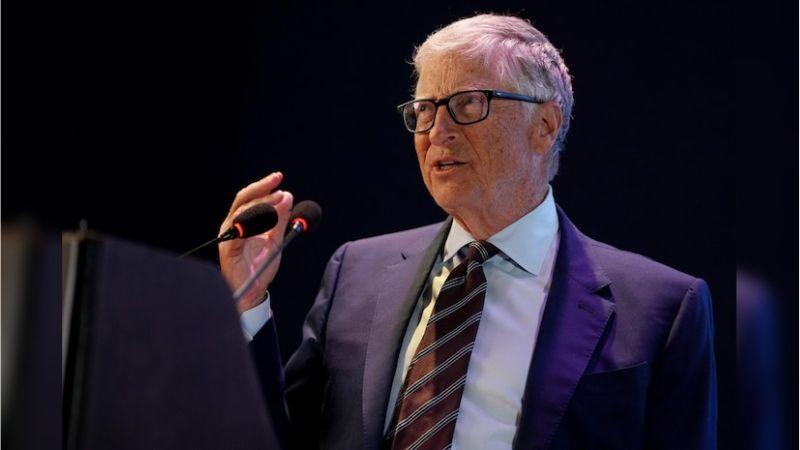
As artificial intelligence rapidly reshapes the future of work, many professionals are left wondering which jobs will survive the wave of automation. From AI-generated images in Studio Ghibli style to advanced tools like ChatGPT creating text and visuals, it’s no surprise that the creative and tech industries have started expressing concern. The question is no longer whether AI will impact jobs, but how soon and to what extent. Amid these discussions, tech visionary and Microsoft co-fou
KPMG has announced plans to integrate agentic AI systems into its operations, marking a significant shift in how the firm delivers services. These AI agents are designed to function as digital colleagues, working across departments such as audit, tax, and advisory to improve productivity, quality control, and client satisfaction. KPMG’s global head of AI, David Rowlands, revealed that the company is working with technology partners to develop these intelligent systems, which will operat