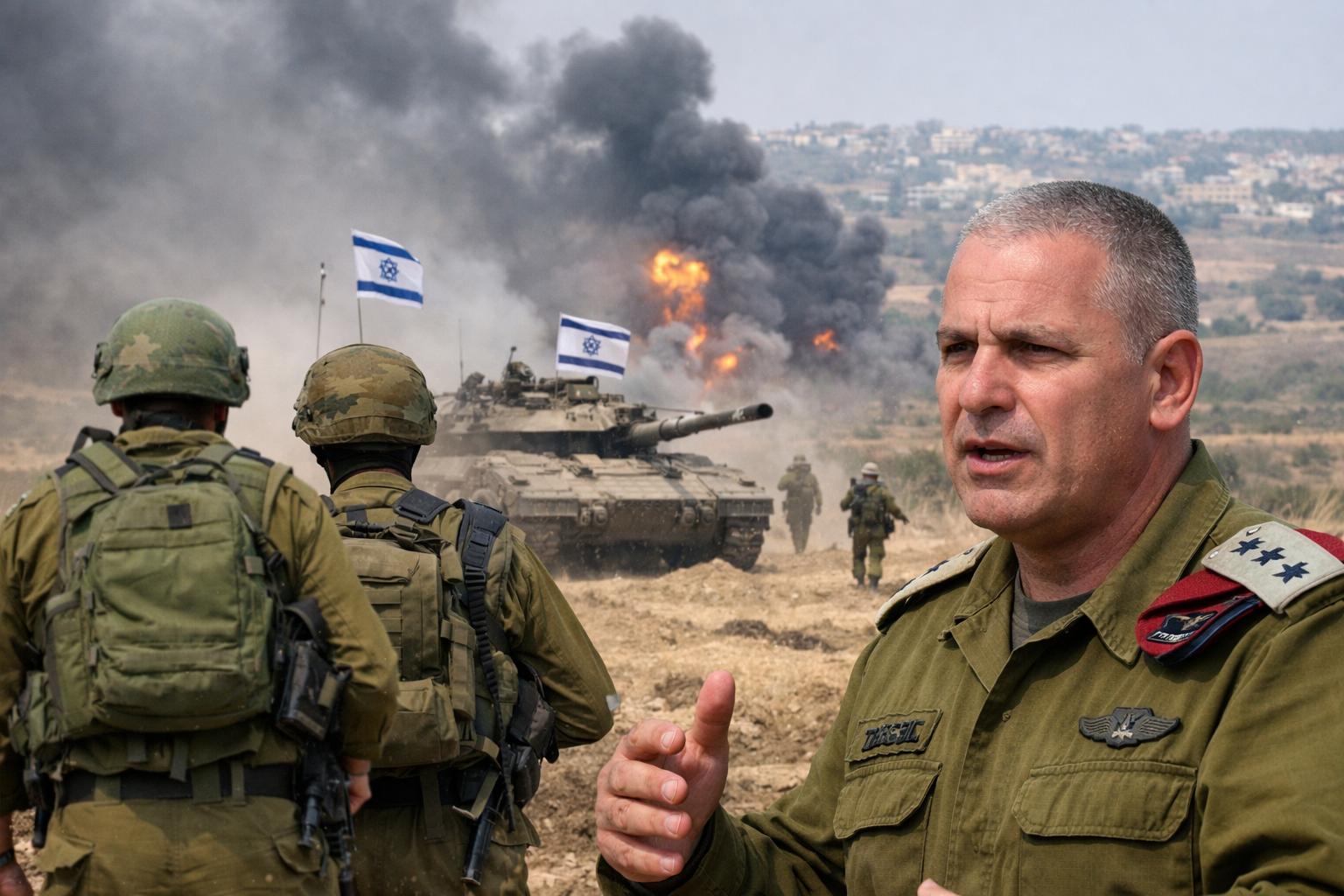
The warning came during a recent security cabinet meeting chaired by Prime Minister Benjamin Netanyahu, where Zamir outlined what he described as critical risks to national defense. According to reports, he emphasized the urgency by presenting multiple red flags tied to the military’s ability to sustain prolonged operations.
The IDF is reportedly short by as many as 20,000 personnel, with at least 12,000 additional combat troops needed to maintain ongoing missions. Israel has been engaged in continuous conflict since the Hamas-led attacks on October 7, 2023, expanding operations beyond Gaza into Lebanon with strikes targeting Hezbollah forces.
The strain on reservists has become particularly acute, with many individuals now serving their sixth or seventh mobilization cycle. Zamir warned that reserve forces may no longer be able to endure the sustained pressure, noting the growing burden on families and civilian life.
He also pointed to legislative gaps contributing to the crisis, including the absence of updated laws governing reserve duty, mandatory service duration, and conscription policies for ultra-Orthodox communities. Military service requirements were reduced in 2024, further tightening available manpower.
Operational challenges are already emerging. Zamir cited the redeployment of an infantry battalion from the Lebanese border to the West Bank as an example of stretched resources, driven in part by rising regional instability and settler-related tensions.
The situation has also intensified political divisions. Opposition leader Yair Lapid criticized the government’s handling of the crisis, calling for immediate policy changes, including broader conscription measures and stricter enforcement against draft evasion.
As Israel faces simultaneous security challenges across multiple regions, the military’s capacity to sustain long-term operations remains under increasing scrutiny.