Documents released under the United States Foreign Agents Registration Act have shed new light on Pakistan’s diplomatic efforts during India’s Operation Sindoor in April last year, revealing an extensive and urgent campaign to seek Washington’s intervention as tensions escalated between the two South Asian neighbors. The filings indicate that Islamabad repeatedly appealed to US officials for assistance, offering a range of economic and strategic incentives in return for diplomatic engagement.
According to records circulated by a Washington-based law firm as part of the disclosures, Pakistani diplomats and defence officials contacted their American counterparts more than 50 times through emails, phone calls, and requests for in-person meetings. The outreach extended beyond government officials to intermediaries and members of the US media, underscoring the intensity of Pakistan’s efforts to draw international attention during the military operation.
The documents suggest that Pakistan sought active US involvement to encourage dialogue with India and bring the operation to an end. Islamabad explicitly welcomed Washington’s role as a facilitator and expressed openness to third-party mediation on longstanding disputes. This position aligns with repeated public assertions by former US President Donald Trump, who has claimed on several occasions that his administration played a role in preventing a broader conflict between the two countries.
One document highlights Pakistan’s call for an independent and impartial investigation into an attack in Pahalgam on April 22, proposing that US facilitation would be acceptable. It further states that Pakistan wanted renewed dialogue with India on counterterrorism cooperation, the Indus Water Treaty, and other unresolved bilateral issues. The filings argue that stronger regional counterterrorism efforts, potentially involving the United States, could help stabilize the region and lead to verifiable agreements between the two rivals.
The disclosures also reference security concerns within Pakistan, noting threats posed by the Pakistani Taliban. Citing the 2025 US Director of National Intelligence Annual Threat Assessment, the documents acknowledge that the group has been identified as a potential risk to US interests, a point Islamabad appears to have emphasized to reinforce its case for closer security cooperation.
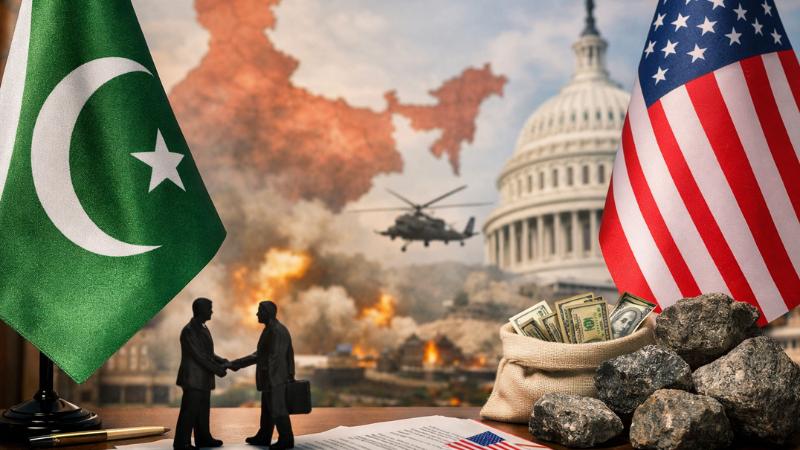
Beyond diplomatic appeals, Pakistan outlined a series of incentives aimed at resetting its relationship with Washington. The filings state that Islamabad was prepared to expand imports from the United States, particularly in the energy and agricultural sectors, while reducing trade barriers. With Pakistan’s trade surplus in goods with the US reported to be under $3 billion, officials argued that the two countries could quickly move toward a more balanced trade relationship.
Pakistan also highlighted its willingness to collaborate on access to critical minerals and to encourage greater US investment, presenting itself as a populous and youthful country with long-term economic potential. The documents frame these proposals as part of a forward-looking agenda designed to align the core interests of both nations.
In the area of security, Islamabad reaffirmed its commitment to counterterrorism cooperation, pointing to previous actions taken in coordination with US authorities. One example cited was the arrest and extradition of an individual linked to the Abbey Gate bombing that killed 13 American soldiers, which Pakistan described as evidence of its operational capability and intent.
Taken together, the FARA disclosures offer a detailed account of Pakistan’s diplomatic strategy during a period of heightened regional tension. They illustrate how Islamabad sought to leverage economic, security, and strategic considerations to secure US engagement, while also highlighting the complexities of international mediation efforts in South Asia during times of crisis.