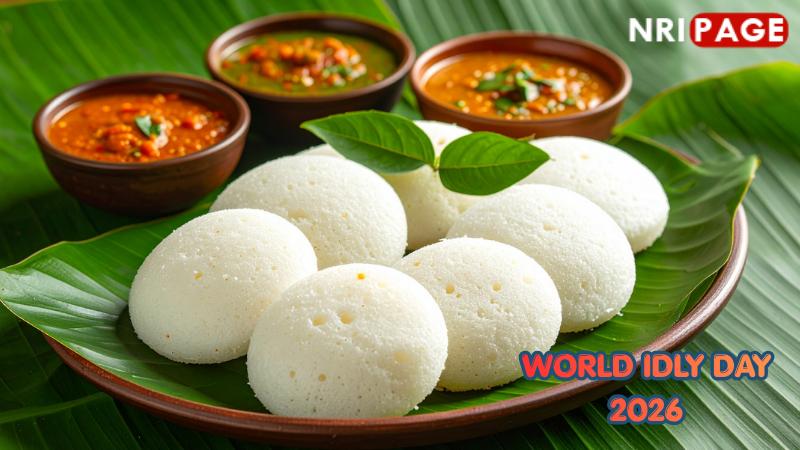
World Idli Day, celebrated on March 30, 2026, presents a perfect opportunity for food lovers to dive into the age-old art of making soft, fluffy idlis right at home. This iconic South Indian dish has long been a staple breakfast item, loved for its simplicity, lightness, and health benefits. Made from fermented rice and urad dal, idlis are easy to digest and make for a wholesome meal, often enjoyed in homes across India and other countries. If you’ve always wondered how to perfect the art of making soft idlis, then this guide will walk you through the entire process to ensure you achieve the ideal texture, flavor, and consistency.
Understanding the Secret to Soft Idlis
The key to making soft, fluffy idlis lies in the process, not just the ingredients. From soaking and grinding to fermentation and steaming, each step plays a vital role in getting those idlis just right. The ingredients themselves are simple — idli rice, urad dal (split black gram), methi (fenugreek) seeds, salt, and water. However, the technique behind their preparation and fermentation makes all the difference in achieving a soft, spongy texture.
Ingredients Required
- 2 cups idli rice: This rice is specifically used for idlis because of its texture and ability to ferment well.
- 1 cup urad dal (split black gram): This lentil is the primary ingredient that provides fluffiness and texture to the batter.
- 1/2 tsp fenugreek seeds (methi): The addition of fenugreek seeds helps in fermentation and adds a subtle flavor to the batter.
- Salt to taste: Adds the necessary seasoning to the batter.
- Water: To adjust the consistency of the batter and aid in grinding.
Step-by-Step Process to Make Soft Idlis
Step 1: Soaking the Ingredients
The first crucial step in making soft idlis is soaking the rice and dal. Wash the rice and urad dal separately to ensure they are clean. Soak the rice for about 5-6 hours, and soak the urad dal with methi seeds for about 4-5 hours. Proper soaking helps in smooth grinding and contributes to better fermentation later on. It’s important not to skip this step, as it ensures that the batter will blend smoothly and ferment efficiently.
Step 2: Grinding the Batter
Grinding the batter is where the magic happens. Start by grinding the urad dal with minimal water until it becomes light and fluffy. This creates the necessary texture for idlis. Next, grind the soaked rice to a slightly coarse consistency. Mixing the rice batter with the urad dal batter, add salt to taste and stir everything together until thoroughly combined. This batter should be thick yet pourable — not too runny.
Step 3: Fermentation – The Key to Fluffiness
Fermentation is the most important step in making soft idlis. Once the batter is mixed, it needs to be left in a warm place to ferment for 8-12 hours. The fermentation time can vary depending on the ambient temperature; in warmer climates, the batter may ferment faster. The batter should rise and become airy with small bubbles, indicating that it has fermented properly. This fermentation is crucial for achieving the light, spongy texture that is the hallmark of soft idlis.
Step 4: Steaming the Idlis
Once the batter has fermented well, it’s time to steam the idlis. Grease the idli moulds lightly with oil or ghee to prevent sticking. Pour the fermented batter into each mould, filling them up to about three-quarters full. Now, place the idli moulds in a steaming pot or idli steamer and steam for 10-12 minutes. Make sure not to over-steam as this could make the idlis too dry. Once done, allow the idlis to rest for a minute or two before removing them from the moulds.
Tips for Perfectly Soft Idlis:
- Use good quality urad dal: The quality of dal directly affects the fluffiness of the idlis. Fresh dal will yield the best results.
- Maintain the batter consistency: The batter should be thick yet pourable — if it's too thin, the idlis may not hold their shape; if it’s too thick, they won’t rise properly.
- Proper fermentation: The batter needs enough time and warmth to ferment properly. A warm, slightly humid place works best.
- Avoid over-mixing: After fermentation, do not over-mix the batter. Gentle stirring will suffice.
- Do not over-steam: Steaming idlis for too long can make them dense. Keep the steaming time between 10-12 minutes for the best result.
Serving the Idlis
Hot idlis are best enjoyed fresh and served with classic accompaniments. The traditional pairing includes coconut chutney, sambar (a spiced lentil soup), and idli podi (a spiced powder) with a drizzle of ghee. The lightness of the idlis, combined with the tangy, spicy flavors of the chutney and sambar, creates a perfect balance of taste and texture. This combination is not only delicious but also nutritious, making idlis an ideal choice for breakfast, lunch, or dinner.