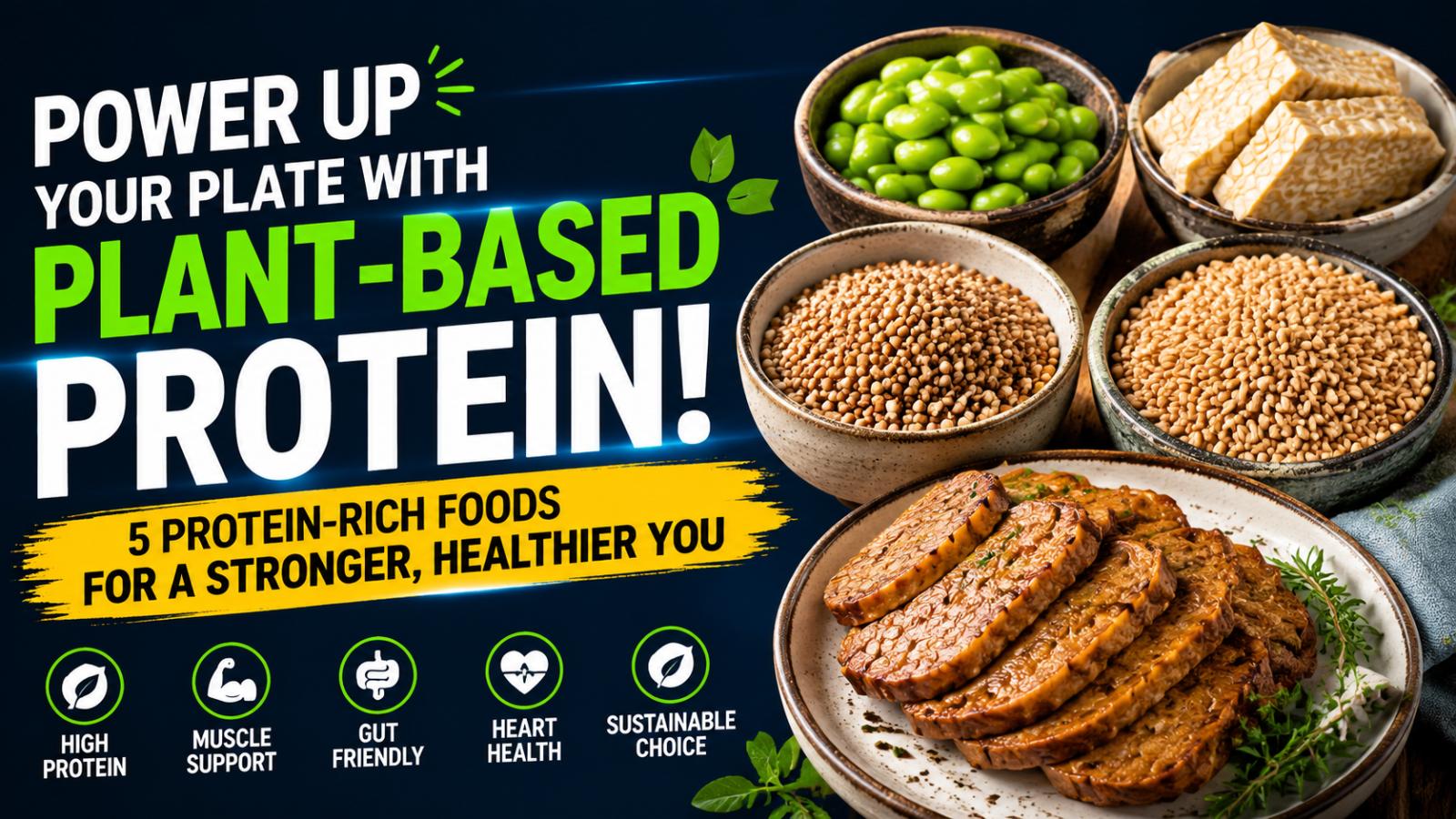
Buckwheat: A Protein-Packed Grain
Buckwheat is a versatile, gluten-free grain that is rich in protein and essential amino acids. Often used in pancakes, porridge, and salads, it provides a hearty texture and nutty flavor. Buckwheat is also high in fiber, antioxidants, and minerals like magnesium and manganese, making it an excellent choice for those seeking both protein and overall nutritional benefits. Its plant-based protein content is especially valuable for vegetarians and vegans aiming to meet daily protein needs without relying on animal products.
Spelt: Ancient Grain, Modern Nutrition
Spelt is an ancient grain known for its protein-rich composition and nutty taste. It contains higher protein levels compared to common wheat and is also a good source of fiber, vitamins, and minerals. Spelt can be used in bread, pasta, cereals, and salads. Its complex carbohydrates release energy slowly, providing sustained fuel for workouts or busy days. For those embracing plant-based diets, spelt offers a wholesome alternative to conventional grains while supporting muscle maintenance and overall health.
Tempeh: Fermented Soy Protein
Tempeh is a fermented soybean product originating from Indonesia. It is packed with high-quality protein, probiotics, and essential nutrients, including iron and calcium. The fermentation process improves digestibility and supports gut health. Tempeh can be sautéed, grilled, or added to stir-fries and salads. Its dense texture and nutty flavor make it a versatile protein source, particularly valuable for those avoiding meat but seeking rich, plant-based protein options.
Edamame: Green Protein Pods
Edamame refers to young soybeans harvested before full maturity. Steamed or boiled, they are a convenient and protein-rich snack or addition to salads, bowls, and soups. Each cup of edamame provides a significant protein boost, along with fiber, vitamins, and antioxidants. Edamame is ideal for meat-free diets and supports muscle repair and energy metabolism. Its bright green appearance and mild, fresh taste also make it an appealing addition to both meals and snacks.
Seitan: High-Protein Wheat Alternative
Seitan, often called “wheat meat,” is made from gluten and contains a high concentration of protein. Its chewy, meat-like texture makes it popular in vegetarian and vegan dishes as a substitute for meat. Seitan can be stir-fried, grilled, baked, or added to stews and sandwiches. Rich in protein and low in fat, it is an excellent option for those looking to increase daily protein intake without consuming animal products. Seitan’s versatility and nutrient density make it a standout in plant-based diets.
Conclusion
Incorporating protein-rich plant-based foods like buckwheat, spelt, tempeh, edamame, and seitan can help support a balanced diet, muscle growth, and overall wellness. These foods provide essential amino acids, fiber, and vitamins while offering diverse flavors and textures. For anyone pursuing a meat-free lifestyle, they are indispensable ingredients to maintain sufficient protein intake and enjoy nutritious, satisfying meals.