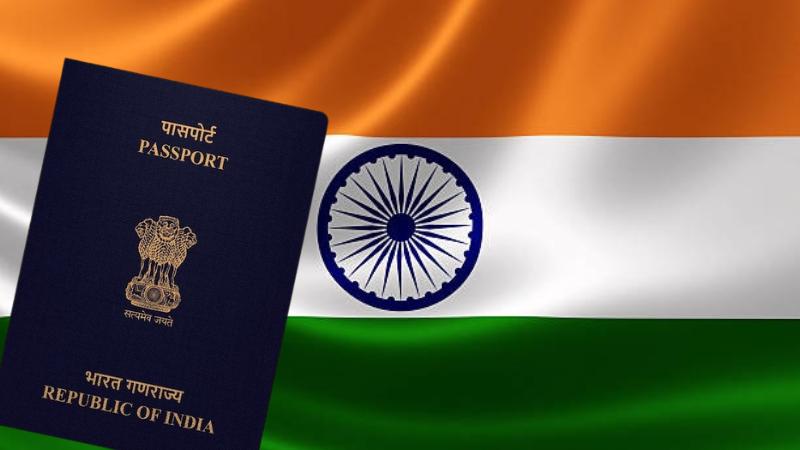
In a country where administrative processes and welfare programs are intertwined with identity documents, it is important to understand what truly serves as valid proof of Indian citizenship. While Aadhaar cards, PAN cards, and ration cards are commonly used to access government services and benefits, none of these documents definitively establish an individual’s citizenship. This has significant implications for legal status, access to constitutional rights, and eligibility for various government services.
Aadhaar, issued by the Unique Identification Authority of India (UIDAI), is primarily a proof of identity and residence. It helps in availing a wide range of services—from subsidies and banking to mobile connections and school admissions. However, Aadhaar explicitly does not serve as proof of citizenship. The same is true for the Permanent Account Number (PAN) card, which is primarily used for tracking taxable financial transactions and filing income tax returns. Ration cards, meanwhile, are issued for food security and are linked to the Public Distribution System (PDS), serving a socioeconomic function but not a legal one in terms of citizenship status. These identity cards can be held by both citizens and long-term residents, including foreign nationals who may be residing in India under special provisions. As a result, none of these documents alone can legally verify a person's citizenship status under Indian law.
Legally Accepted Documents to Prove Indian Citizenship
Under current legal frameworks, the only documents recognized by the Indian government as proof of citizenship are birth certificates and domicile certificates. A birth certificate, as provided under the Registration of Births and Deaths Act, 1969, serves as the foundational document establishing the fact of a person’s birth in India. When issued by a competent authority, this certificate becomes a key piece of evidence in affirming that an individual was born on Indian soil—one of the main eligibility criteria for automatic citizenship under Indian law.
The domicile certificate, on the other hand, serves as proof of an individual's residency within a particular state or union territory for a specific period. It is typically issued by state or district authorities and substantiates long-term residence, which is a strong secondary factor in determining whether a person has legitimate claims to Indian citizenship. These documents are critical when applying for government jobs, obtaining a passport, enrolling in public educational institutions, or in legal proceedings where one’s citizenship status is under scrutiny.
For many citizens who might not possess birth or domicile certificates—especially those born in rural or undocumented settings—this can be a concerning issue. These individuals may have Aadhaar, PAN, or ration cards, but still lack the essential documents required to legally prove citizenship. This has led to increased awareness and urgency among residents to obtain these vital records. Municipal corporations, panchayat offices, and other local bodies have been tasked with ensuring that birth and domicile records are maintained and made accessible to the public.
With discussions around the National Register of Citizens (NRC), citizenship laws, and changing immigration policies in India gaining national prominence, it has become even more important for individuals to safeguard their legal status through verified documents. In the event of litigation, government verification processes, or travel-related documentation, having an Aadhaar or PAN card may not be sufficient to establish your right to stay or work in India. This situation underscores a broader administrative recommendation: individuals, especially those without documented births or long-standing residential proof, should take active steps to acquire birth and domicile certificates from the appropriate state or local authorities. This includes applying for delayed registration of births if necessary, or securing domicile certificates by submitting necessary proof of residence and continuity.
Failing to possess valid proof of citizenship can lead to difficulties in applying for government benefits, contesting legal matters, or even facing restrictions in foreign travel or employment. Therefore, it is prudent for citizens to ensure these foundational records are in order. In summary, while Aadhaar, PAN, and ration cards are important tools for governance and welfare, they are not definitive legal documents confirming an individual’s Indian citizenship. The government’s recognition of birth and domicile certificates as key evidence highlights the need for systematic awareness and action among residents to obtain and preserve these critical documents.