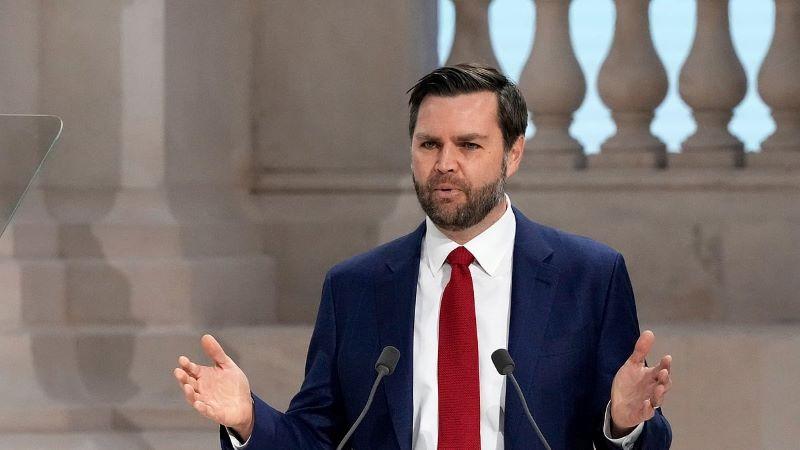
When Daniel Comeaux first took the helm as Dallas police chief, he made a public commitment to reduce the time it takes for officers to respond to emergencies. More than three months into his leadership, new department data shows a mixed picture of progress. In some areas of the city, particularly in July 2025 compared to July 2024, response times have improved slightly. Yet citywide, police are still failing to meet their own targets, and in several southern Dallas neighborhoods, residents are waiting even longer for help than they did a year ago.
In certain cases, these delays are far beyond what the department deems acceptable. For example, on July 22 in the Southeast Patrol Division, the average response time for the most urgent Priority 1 emergencies during the first shift was a staggering 78 minutes. That is one hour and 18 minutes to respond to situations the department’s policy says should be addressed within eight minutes. Chief Comeaux acknowledged such a delay was unacceptable and reiterated his goal of getting officers to scenes as quickly as possible.
One such delayed call came from Crozier Street in the Queen City neighborhood, reporting a fight in progress. It took officers one hour and 22 minutes to arrive, by which time no fight could be found. The department explained that all available units were tied up with other incidents, leaving no officers free to respond sooner. Pastor Todd Atkins of Salem Institutional Baptist Church, located near the scene, voiced his concern that such slow responses might make residents reluctant to call police when trouble arises. He emphasized that while he understands staffing shortages and prioritization of calls, timely response is essential to maintaining trust between the community and law enforcement.
The issue is not limited to one or two incidents. In the Southeast Patrol Division, records from July show Priority 2 calls, which include serious but non-life-threatening situations, averaged 169 minutes for a response—far longer than the department’s 12-minute target. Even Priority 1 calls in the area averaged over 13 minutes, which is five minutes longer than the city’s goal. In the neighboring South Central Patrol Division, Priority 1 calls averaged 14 minutes and Priority 2 calls averaged 133 minutes in July, making it the slowest division in the city for emergency responses.
Chief Comeaux acknowledged the risks posed by these delays, noting that seconds and minutes can make the difference between safety and danger. To address the problem, he is working to hire 300 new officers this year and exploring technological tools to help officers operate more efficiently. He is also re-evaluating a department policy that allows rookie officers and their training partners to have weekends off, believing that weekend shifts would provide valuable experience for rookies and add much-needed staffing during peak times.
Earlier this year, concerns were raised about the number of officers remaining at the scene of a single high-priority call even after the immediate threat appeared resolved, while other calls sat in the queue unanswered. Comeaux says supervisors now have more authority to reassign officers to pending calls, and some supervisors are taking calls themselves to ensure coverage.
Recent records indicate slight improvement citywide. In July, the average Priority 1 call was answered in just over 10 minutes, compared to just above 11 minutes the previous July. Priority 2 calls were about four minutes faster year-over-year but still averaged 93 minutes—over an hour and 20 minutes past the target. While Southeast Dallas saw modest improvement, it still lags well behind department goals. South Central Dallas saw no such gains, with response times actually worsening.
Chief Comeaux insists that no community should feel neglected and says he is open to meeting directly with concerned residents. For people in neighborhoods where emergency help still takes too long to arrive, the hope remains that the new chief can fulfill his promise and deliver meaningful change. As Pastor Atkins pointed out, building trust with the public depends in part on making sure that when they call for help, the police are there promptly to answer.