Newark Airport has recently experienced several technical issues, most notably multiple radio communication outages that have left air traffic controllers unable to maintain contact with planes approaching or leaving the airport. These incidents, which have occurred four times since late April, highlight vulnerabilities in the region’s aviation infrastructure and have prompted urgent calls for action.
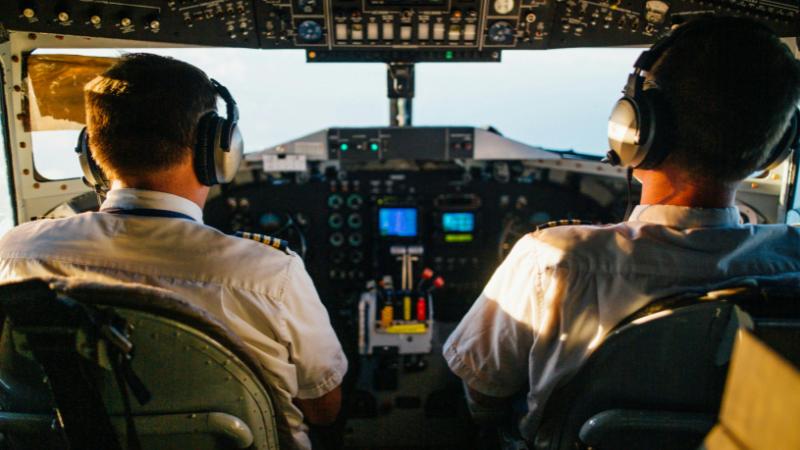
The affected radar and communication center oversees air traffic for Newark and nearby airports, making the outages particularly disruptive. When communication fails during critical flight phases such as final approach, pilots are left without vital landing clearance. In such scenarios, flight crews must make rapid, high-stakes decisions—whether to land, circle, or abort an approach—all while sharing airspace with potentially dozens of other aircraft.
To reduce risk and stabilize operations, the FAA has now limited Newark to 28 arrivals and 28 departures per hour during ongoing runway construction. Outside of construction periods, this cap will be raised to 34 flights in and out per hour, remaining in place until at least October 25. This marks a significant reduction from the airport’s normal volume of about 77 flights per hour.
Runway construction is expected to be completed by mid-June, but weekend work will continue through the end of the year, maintaining tighter restrictions on Saturdays. Officials believe these adjustments will alleviate the cascading delays that have plagued Newark’s schedule and reduced service reliability for travelers.
The FAA stated the changes are necessary to mitigate "substantial inconvenience" for the traveling public, which has suffered from the compound effects of technical glitches, insufficient staffing, and infrastructure upgrades. By temporarily reducing flight volumes, the agency hopes to create a safer, more manageable environment for both controllers and pilots.
While passengers may see fewer flight options and tighter availability in the coming months, the move is intended to restore predictability to an airport that has faced frequent disruptions. Reducing pressure on the system should also allow technicians and engineers the time needed to investigate and resolve the recurring technical failures, including the telecommunications issues that have directly impacted controller-pilot communication.
These decisions also reflect growing concern about broader vulnerabilities in the national airspace system. As demand for air travel rebounds and infrastructure ages, the FAA and airport operators must balance growth with operational stability. The Newark situation underscores how even high-volume hubs remain susceptible to unexpected breakdowns that can ripple across the air travel network.
Passengers planning to travel through Newark should remain informed about scheduling updates and anticipate potential changes. While these limitations are temporary, they are a clear reminder of the critical need to modernize air traffic control systems and ensure adequate staffing and equipment at key facilities. This step by the FAA may be one of many as national regulators seek to preempt larger disruptions and protect public safety while investing in the long-term resiliency of the air travel system.