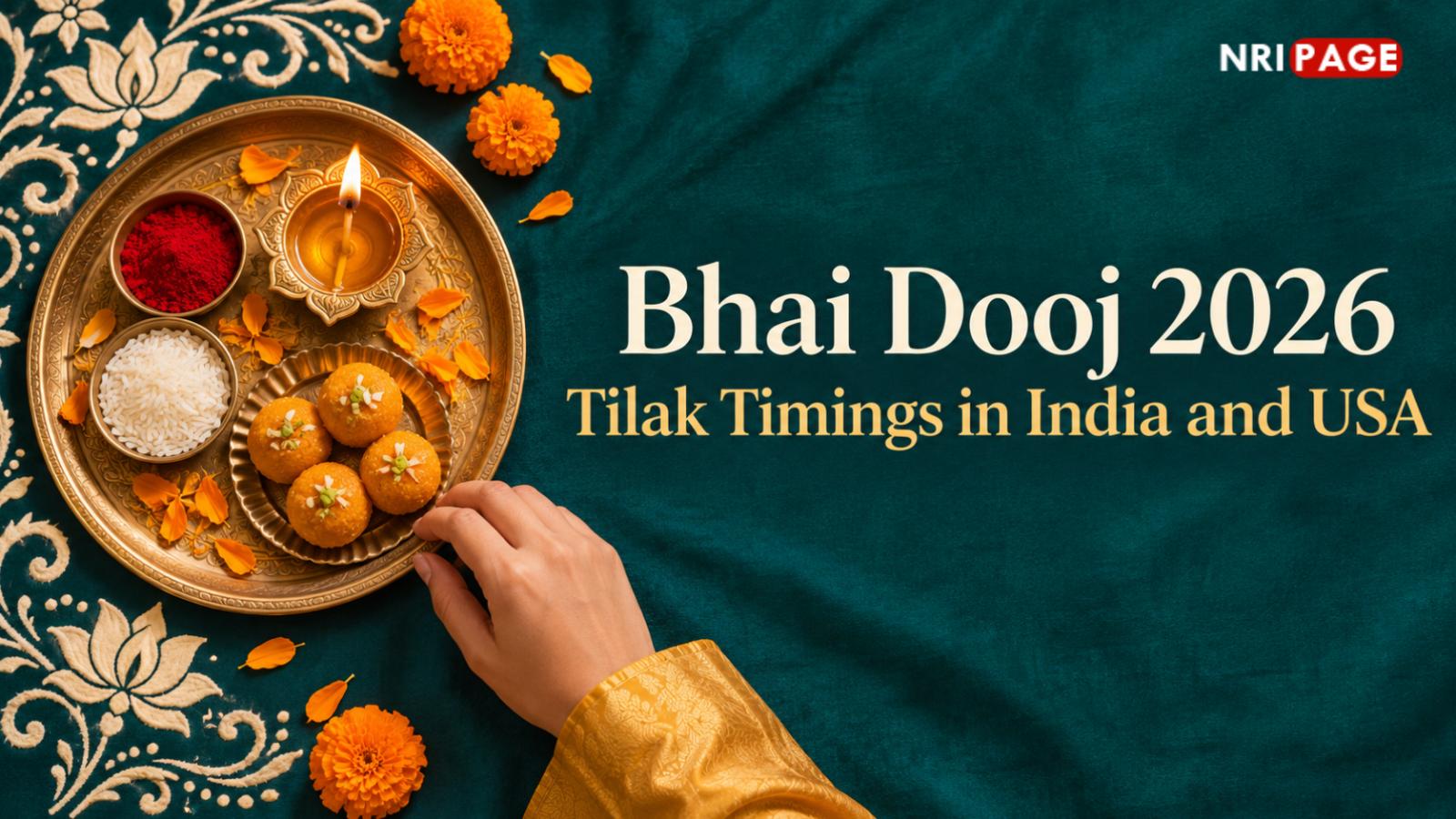
Bhai Dooj (Bhagini Hasta Bhojanam) falls on Wednesday, November 11, in New Delhi and Hyderabad, and on Tuesday, November 10, in New York City, Chicago, Dallas and Los Angeles. The traditional tilak ceremony takes place during the local afternoon, when sisters pray for their brothers long life and well-being.
Karthika Masam 2026: Start Date, End Date and Four Somavarams
Bhai Dooj 2026 Date And Tilak Timings In India
Bhai Dooj will be celebrated on Wednesday, November 11, 2026, in India. One of the closing observances of the Diwali season, the festival falls on Kartik Shukla Dwitiya, the second lunar day of the waxing fortnight in the Hindu month of Kartik. Families traditionally perform the tilak ceremony during Aparahna, the local afternoon period.
Dwitiya tithi begins at 2:00 p.m. IST on Tuesday, November 10, and ends at 3:53 p.m. IST on Wednesday, November 11. The tithi spans parts of two dates, while the traditional afternoon tilak window in New Delhi and Hyderabad falls on November 11.
| City | Tilak Muhurat on November 11 |
|---|---|
| New Delhi | 1:10–3:20 p.m. IST |
| Hyderabad | 1:08–3:25 p.m. IST |
Bhai Dooj 2026 Date And Tilak Timings In The USA
Indian families in the US cities below will observe Bhai Dooj on Tuesday, November 10. In those cities, Dwitiya tithi overlaps with the local afternoon on November 10 and ends early on November 11, before the next afternoon window. The muhurat varies by city even within the same time zone, as the Chicago and Dallas timings show.
| US City | Tilak Muhurat on November 10 | Local Time Zone |
|---|---|---|
| New York City, New York | 12:40–2:41 p.m. | EST |
| Chicago, Illinois | 12:34–2:34 p.m. | CST |
| Dallas, Texas | 1:15–3:22 p.m. | CST |
| Los Angeles, California | 12:40–2:46 p.m. | PST |
Bhai Dooj 2026 Rituals And Significance
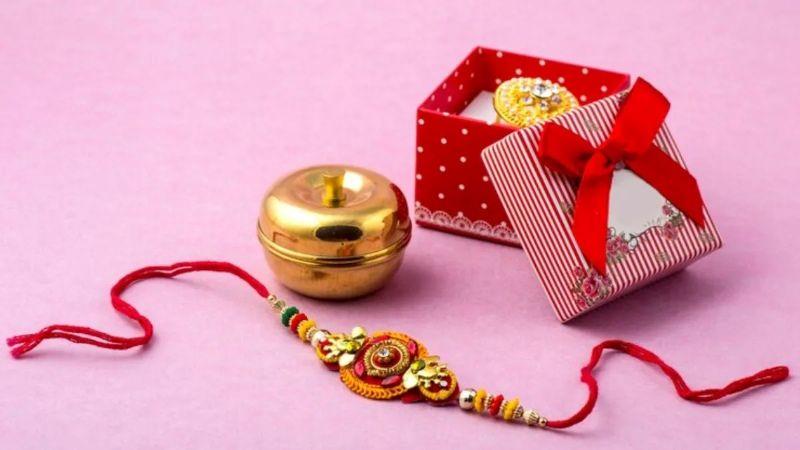
For the tilak ceremony at home, families traditionally prepare a puja thali with roli or kumkum, rice grains, a diya and sweets. A sister applies tilak to her brother’s forehead, performs aarti and prays for his long life and well-being. Siblings may exchange gifts, share sweets or sit down for a meal together. The offerings and order of the ceremony vary by family and region.
One traditional story tells of Yamuna welcoming her brother Yama, the Hindu god of death, into her home. She honoured him with a tilak and served him a meal. The story is associated with the festival’s other name, Yama Dwitiya, and with the custom of sisters praying for their brothers’ welfare.
The festival is called Bhai Phonta in Bengal and Bhau Beej in Maharashtra. In Telugu households that observe Bhagini Hasta Bhojanam, the occasion centres on a meal a sister serves to her brother. The regional customs reflect the festival’s emphasis on welcoming siblings home and spending time together.