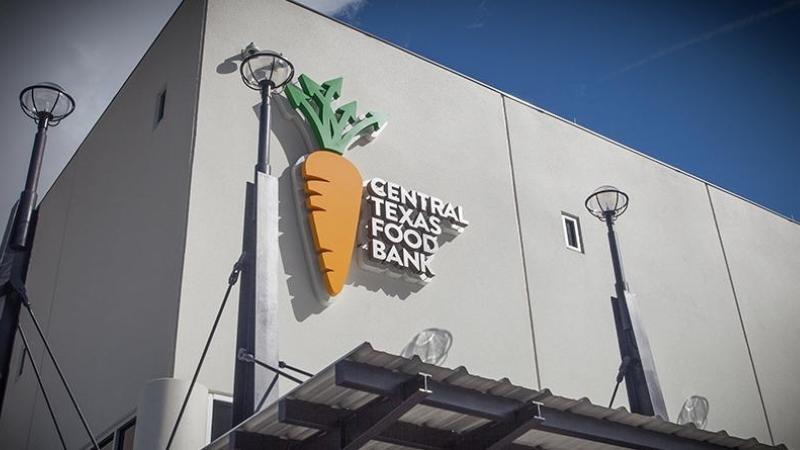
AUSTIN, Texas – The Central Texas Food Bank (CTFB) is bracing for a major blow after the United States Department of Agriculture (USDA) slashed funding for critical food assistance programs. These cuts, tied to over $1 billion in federal reductions, will impact the availability of nutritious food for thousands of families in the region and reduce support for the local farming community. Beth Corbett, Vice President of Government Affairs and Advocacy at CTFB, said the cuts stem from changes to the Commodity Credit Corporation (CCC), a USDA program established under the previous administration. Among the affected initiatives are the Emergency Food Assistance Program (TEFAP) and related funding streams that allowed food banks to buy healthy produce from farmers while simultaneously supporting schools with nutritious meal options. “These recent cuts were through a program called the CCC, the Commodity Credit Corporation,” said Corbett. “These programs don’t just help food banks provide access to healthy food for families, they also provide critical support for the agricultural sector, for farmers and ranchers.”
Food Banks and Farmers Both Take a Hit
The Central Texas Food Bank estimates that the cutbacks will result in the loss of approximately 40 truckloads of USDA food — translating to around 716,000 meals that now won’t be distributed to families in need. These cuts arrive at a time when demand for food bank services is higher than during the peak of the COVID-19 pandemic. Economic uncertainty, rising living costs, and food inflation have pushed more Central Texans to seek assistance from local food banks, putting added pressure on an already strained system. “For our food bank, that resulted in 40 truckloads of USDA foods that we will now not receive,” Corbett explained. “That’s the equivalent of about 716,000 meals.”
The USDA’s decision is part of a broader federal initiative aimed at curbing government spending. However, Corbett and others in the food security sector argue that such cuts come at a high cost, particularly for low-income communities that rely on consistent access to nutritious foods. The move also affects ranchers and farmers who benefited from government-backed purchasing agreements that ensured steady demand for their produce and livestock. The TEFAP program, one of the hardest-hit by the funding rollback, was particularly effective because it created a win-win situation: distributing healthy food to families while supporting local agriculture. Eliminating or reducing this program threatens both those ends.
Despite the setback, Corbett remains cautiously optimistic about future relief. She noted that the USDA has since approved an additional $260 million in purchases for TEFAP foods. While this funding is welcome, its impact won’t be felt immediately. “We’re hopeful that the new administration is looking at new programs and that we can help to inform what those might look like,” said Corbett. “But if these cuts are sustained and not replaced with new programming, I think we could certainly expect to see less food on the shelves.” Corbett’s comments reflect the growing anxiety across the food assistance sector, as leaders worry that the gap left by federal cuts may not be easily filled. While local communities and nonprofit organizations often step up during times of crisis, the scale of the current funding reduction is significant and long-reaching.
In Texas and beyond, food banks play a vital role in feeding vulnerable populations — children, the elderly, and low-income families — many of whom depend on organizations like CTFB for consistent, healthy meals. As federal support recedes, these institutions may be forced to scale back operations, reduce variety in food options, or increase reliance on donations and private funding. For now, food banks like CTFB are holding onto hope that relief is on the way. But as Corbett warns, unless concrete replacements for these federal programs are implemented quickly, the consequences could be stark: empty shelves, strained volunteers, and an even greater burden on communities already facing hardship. The coming months will be crucial as the USDA outlines its next steps. Advocates across the country are urging lawmakers and federal agencies to prioritize food security and consider the broader impact these cuts will have on both families and farmers. The question now is not only how the government will address the shortfall—but whether it will act in time to prevent a deeper crisis.