The strike began after negotiations between NJ Transit and its engineers collapsed late Thursday evening. The engineering workforce, represented by their union, confirmed that talks fell apart when transit management left the discussion table shortly before 10 p.m. With no deal in place, approximately 450 engineers and trainees officially began their strike action today, effectively halting all train services.
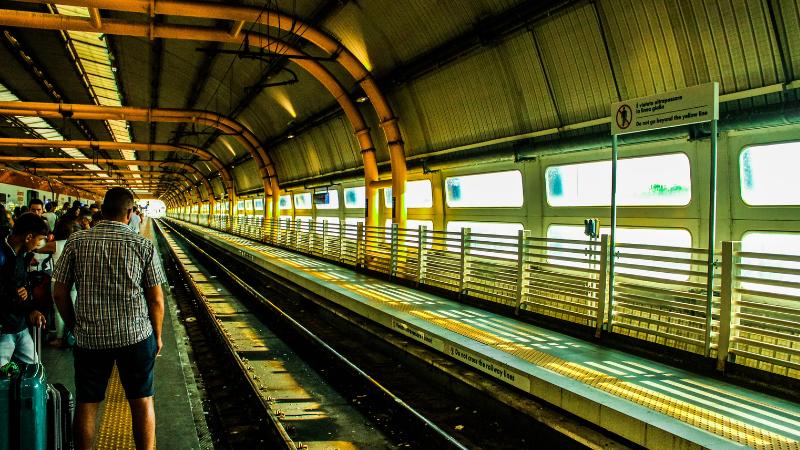
By early morning, picket lines had been set up at key transit locations, including in Newark, at major rail terminals, and along heavily trafficked commuter routes. These areas, typically bustling with passengers at the start of the workday, were left in disarray as crowds faced canceled trains, limited alternatives, and no clear timeline for service restoration. The sudden stoppage has caused significant logistical issues, with travelers forced to seek out buses, carpools, or remote work options, often with limited success.
This strike is one of the largest service interruptions NJ Transit has faced in years. The impasse centers on unresolved disputes over wages, working hours, and employee conditions. While the union has not disclosed all specifics, it emphasized long-standing concerns about fair compensation and scheduling flexibility. NJ Transit has indicated a willingness to continue discussions but has not confirmed any scheduled resumption of talks.
The impact on daily life has been immediate and severe. Commuters from across New Jersey have expressed frustration and anxiety over how long the strike might last, especially given the lack of official updates or a resolution timeline. The broader implications extend beyond individual inconvenience, affecting economic productivity, local businesses, and overall mobility in the state.
Transit officials have urged riders to stay informed through official service updates and consider alternate means of transportation where possible. However, the capacity of buses and other systems to absorb displaced rail passengers is limited, and delays are expected to persist as long as the strike continues.
This labor action highlights deeper issues within the transit system, particularly around infrastructure investment, workforce satisfaction, and long-term operational planning. With both parties standing firm, the public is caught in the middle of a labor standoff that shows no immediate signs of resolution. The days ahead will be critical in determining whether negotiations resume or if the strike will continue to paralyze rail service across the state. Until then, commuters are urged to plan accordingly and prepare for extended travel disruptions.