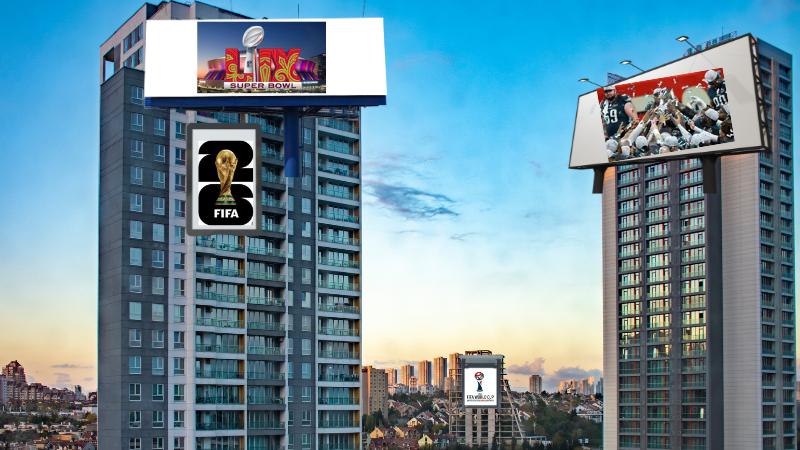
The city council has unanimously approved the return of these supergraphic signs, which were previously phased out two years ago. The reinstated policy allows these ads to be displayed during major events that bring in significant tourism, specifically when at least 700 hotel rooms are booked or when attendance is expected to exceed 10,000 people. Property owners can display the signs starting 75 days before an event and up to 75 days after, not exceeding a total of 180 days annually.
Supergraphic signs are large, flexible banners installed flush against building exteriors and were first used in the city in 2017 for a national college football event. The latest update to the policy removes the prior sunset clause, allowing eligible private building owners to participate as long as their properties can accommodate signage at least 40 feet above ground level within the designated areas.
Vice Mayor Pam Foley emphasized the importance of this move, noting that it signals progress in preparing for 2026. She described it as a way to make San Jose a more vibrant and welcoming place while supporting the local economy through increased foot traffic and business exposure.
Alongside advertising changes, the city has been implementing a series of updates in preparation for 2026. These include revised tourist signage to encourage exploration of downtown and the creation of designated entertainment zones where visitors can consume to-go alcoholic beverages in public areas. The zones are intended to create an inviting environment and enhance the visitor experience during large-scale events.
Despite overall support, the reintroduction of large advertisements in the city has faced some community pushback. Earlier this year, residents expressed concern over the visual impact of digital billboards approved for downtown areas. This concern led officials to closely examine how advertising strategies could benefit the city financially without compromising urban aesthetics.
City leaders have paid particular attention to how revenue from supergraphic advertising can be maximized. The mayor and several councilmembers requested city staff to evaluate ways the city could benefit financially, especially regarding privately owned buildings. The goal was to ensure any advertising policy aligned with the city's broader economic goals.
Deputy City Manager Rosalynn Hughey explained that while there were initial concerns about advertising on private properties, the city identified a viable path for monetization on public buildings. According to her, departments can collaborate with city-affiliated nonprofits and foundations to secure sponsorships under existing policies that support fundraising and donations. This structure enables departments to enhance their budgets and fund important initiatives by leveraging city-owned property for advertising during high-profile events.
The decision to bring back supergraphic signs is part of a comprehensive effort to prepare San Jose for international attention and economic opportunity. As the city gears up to host tens of thousands of visitors, officials see the policy as one tool among many to drive economic development, promote local businesses, and enrich the city's appeal.
With these strategic preparations, San Jose aims to position itself not just as a venue, but as a thriving, dynamic destination for global events. The city’s leadership remains focused on ensuring that this opportunity translates into long-lasting benefits for the community, businesses, and public services. By combining thoughtful policy updates with targeted advertising opportunities, San Jose is preparing to welcome the world—and profit from it—in 2026.