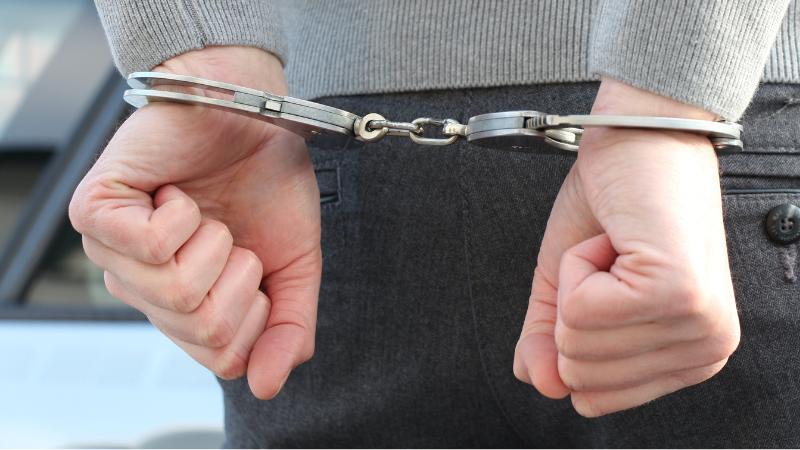
In recent months, ICE agents have reportedly been conducting arrests in civilian clothing—such as jeans and T-shirts—without visible identification and with their faces partially or fully covered. These arrests have occurred in places like courthouses, sidewalks, and parking lots, with agents exiting unmarked vehicles and detaining individuals without any clear indication that they are official law enforcement. These tactics, adopted in part to meet the administration’s goal of 3,000 immigration-related arrests per day, have drawn sharp scrutiny.
One troubling incident in Pasadena, California highlighted the issue. A man reportedly jumped out of an unmarked car and pointed a gun at pedestrians. Local police believed the man was an ICE officer but stated they had no way of confirming it. That uncertainty illustrates the risks posed when federal agents operate without visible or verbal identification, leaving bystanders unsure whether an enforcement action or a criminal act is unfolding before them.
Critics say this ambiguity can lead to tragic outcomes, particularly in areas with high rates of gun ownership. If a bystander mistakes a masked ICE agent for a criminal attempting a kidnapping, they may respond with force. Hans Menos, a public safety expert and former law enforcement oversight official, said such scenarios are not only plausible—they’ve happened before. He noted that plainclothes officers have been shot by concerned citizens who misinterpreted their actions, particularly when identification was unclear.
“Pretending that can’t happen is really naive,” Menos said. “When someone sees an unidentifiable masked man grabbing someone off the street, especially in high-gun areas like Texas or Philadelphia, there’s a real chance that someone will try to intervene violently.”
Despite these concerns, officials have defended the practice. ICE has stated that agents verbally identify themselves during operations and wear marked vests or gear when possible. They argue that covering their faces protects agents from being targeted by hostile individuals, especially amid rising anti-ICE sentiment and threats on social media. Additionally, they say agents are often accompanied by vehicles clearly marked with federal agency logos.
Still, many argue that these verbal cues and occasional identifiers are not enough. Videos of immigration raids—some of which turn chaotic—are regularly shared online, showing officers whose affiliations are not easily recognized by onlookers. These situations can quickly escalate, especially when the public cannot distinguish between federal enforcement and potential criminal behavior.
In response, a coalition of 21 Democratic state attorneys general recently sent a formal letter to Congress urging legislation that would prohibit ICE from using masked and unidentified agents during public arrests. The letter described these actions as routine and dangerous, saying they “pose significant public safety risks.” It urged lawmakers to pass rules that require all federal immigration agents to display badges or uniforms clearly identifying their agency during any public engagement.
The demand for greater accountability and transparency is also echoed by civil rights advocates and local police departments, some of which report difficulty in coordinating with ICE during these arrests. They warn that such opaque operations can damage public trust, particularly within immigrant communities already wary of law enforcement.
Supporters of the tactic argue that threats to ICE officers have increased, justifying stronger protective measures. However, opponents insist that safety cannot come at the expense of clarity and public understanding. When arrests happen in full view of the public, they say, the absence of proper identification creates more questions than answers—and, potentially, more danger.
As immigration enforcement continues to be a divisive issue across the country, the debate over ICE’s use of masked agents is likely to intensify. Legislators will now consider whether clearer standards must be enforced for how and where these arrests take place. While federal officials insist the current approach is safe and necessary, critics argue that the risks—to both officers and civilians—may be far greater than acknowledged.