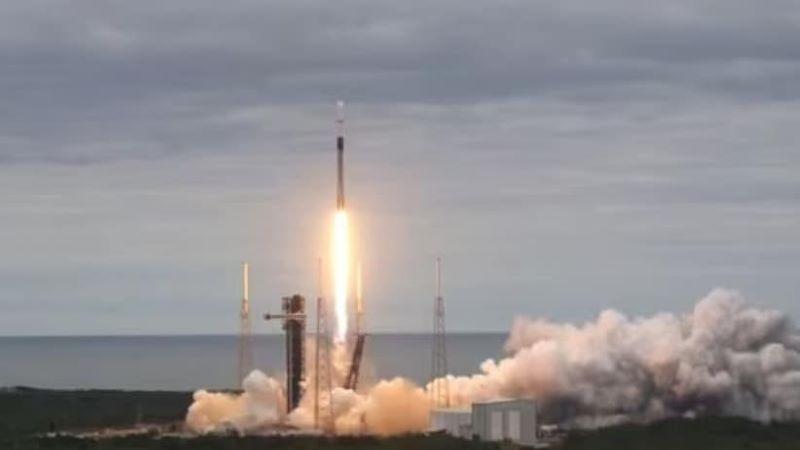


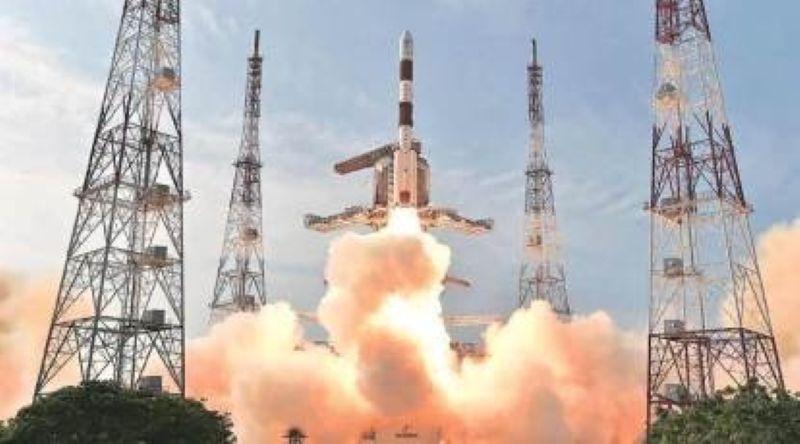

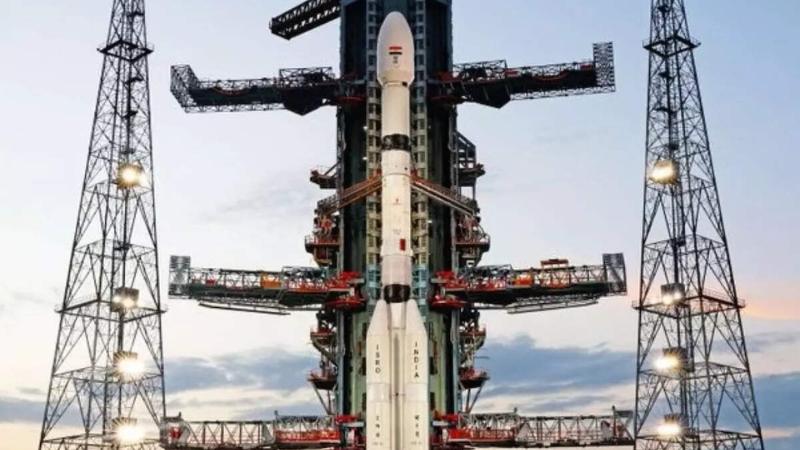












India has achieved a significant milestone in its space exploration and climate monitoring goals with the successful launch of the Nasa-Isro Synthetic Aperture Radar (Nisar) satellite. Launched on July 30, 2025, from the Satish Dhawan Space Centre in Sriharikota, the satellite is a $1.5 billion joint venture between the Indian Space Research Organisation (ISRO) and the United States’ National Aeronautics and Space Administration (Nasa). Weighing 2393 kil
CF Montréal pulled off one of the biggest surprises of Leagues Cup 2025 by defeating Mexico’s Club León 7-6 on penalties after a thrilling 1-1 draw at Stade Saputo. Forward Prince Owusu delivered a second-half equalizer that set the tone for a momentum-shifting performance, as Montréal began their campaign in dramatic fashion. Entering the tournament as underdogs, CFMTL stunned the star-studded León side, taking two of three p
India marked a major milestone in space collaboration today with the successful launch of the NISAR mission, a joint project between ISRO and NASA. Lifted into orbit aboard the GSLV-F16 from Sriharikota, NISAR is set to become the world’s most advanced Earth observation satellite. With a unique dual-frequency Synthetic Aperture Radar that combines NASA’s L-band and ISRO’s S-band systems, the satellite can penetrate clouds, forests, and even d
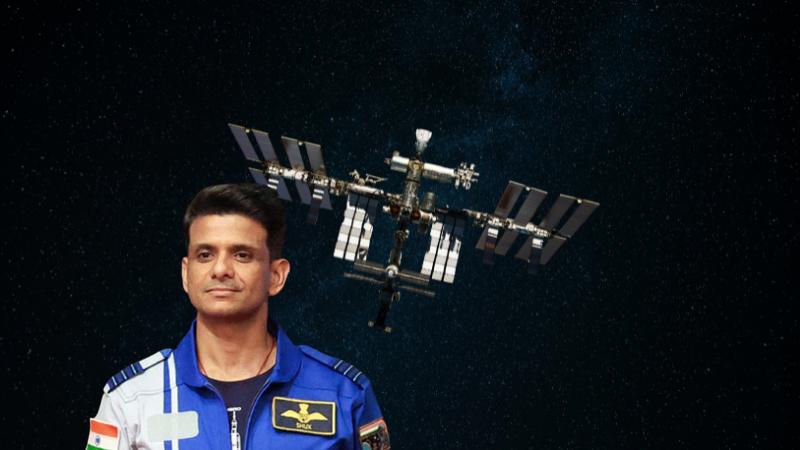
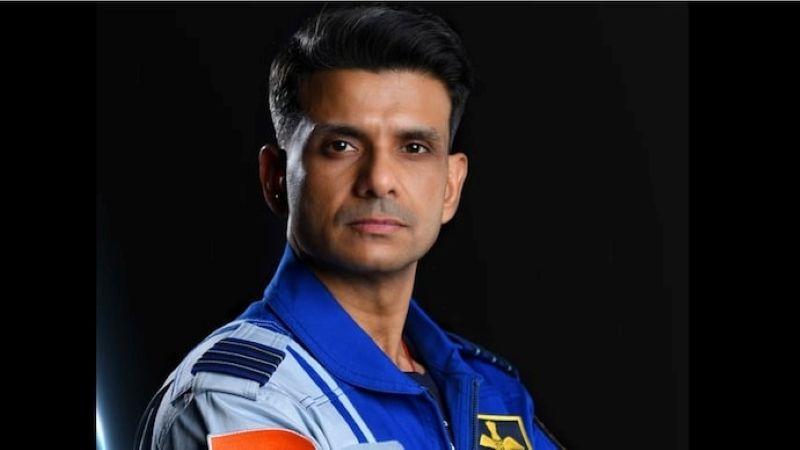
Group Captain Shubhanshu Shukla, India’s first astronaut to live and work aboard the International Space Station (ISS), has completed his historic 18-day mission in space. Shukla, who made history by becoming the first Indian to visit the ISS, has finally returned to Earth, exiting SpaceX's Dragon capsule and experiencing gravity once again after nearly three weeks in space. Shukla’s safe return was m
Indian astronaut Shubhanshu Shukla is set to return to Earth after a landmark mission aboard the International Space Station (ISS) as part of the Axiom-4 crew. The mission, which included extensive scientific research, marked several historic firsts for India. Shukla became the first Indian to visit the ISS and only the second Indian astronaut in space, following Wing Commander Rakesh Sharma's 1984 mission. His return, scheduled for July 14 via the Dragon spacecraft, is part of a well-
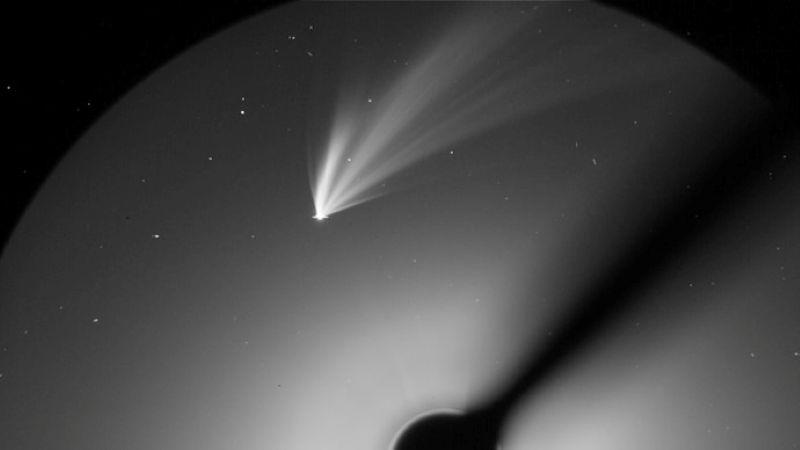
Astronomers have confirmed the passage of a rare interstellar visitor comet 3I/ATLAS through our solar system. First detected on July 1, 2025, by NASA’s ATLAS telescope in Chile, it is only the third such object ever observed, following Oumuamua in 2017 and 2I/Borisov in 2019. Traveling at an astonishing 208,800 km/h, 3I/ATLAS is expected to make its closest approach to the Sun on October 30 at a distance of 1.4 AU, just inside Mars’ orbit.
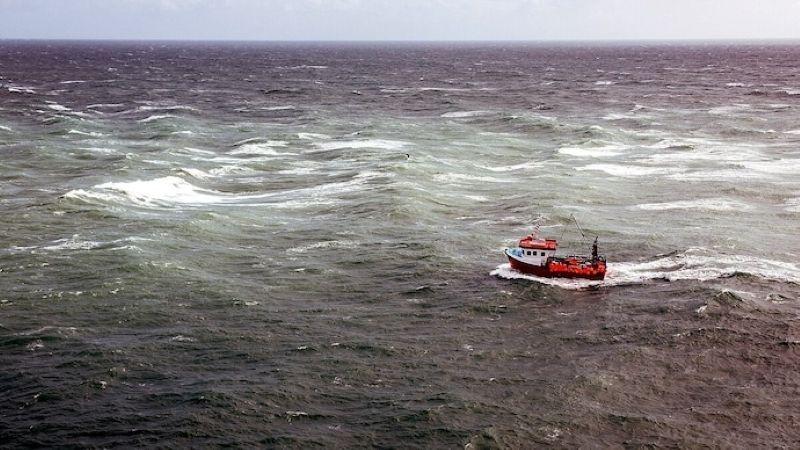
While most parts of the planet continue to experience rising temperatures, a mysterious cold patch in the Atlantic Ocean south of Greenland defies the trend. Known as the “cold blob,” this area has cooled by up to 0.3 degrees Celsius over the past century, even as surrounding waters have warmed. New research led by Penn State University has shed light on this anomaly, offering critical insights into the balance between ocean currents and atmospheri
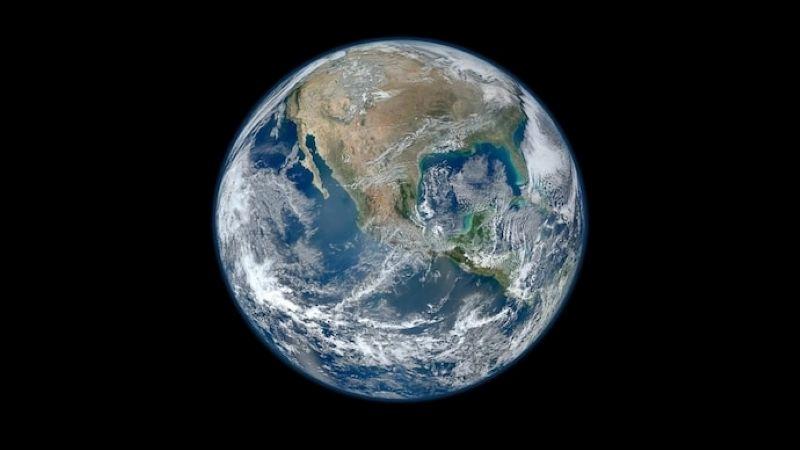
A groundbreaking new study has uncovered a crucial piece of Earth’s ancient climate puzzle, shedding light on one of the most significant climate disasters in history: the Permian–Triassic Mass Extinction, or the "Great Dying." Occurring around 252 million years ago, this event wiped out nearly 90% of life on Earth, leaving scientists to wonder why the planet remained in extreme heat for millions of years afterward, even after the volcani
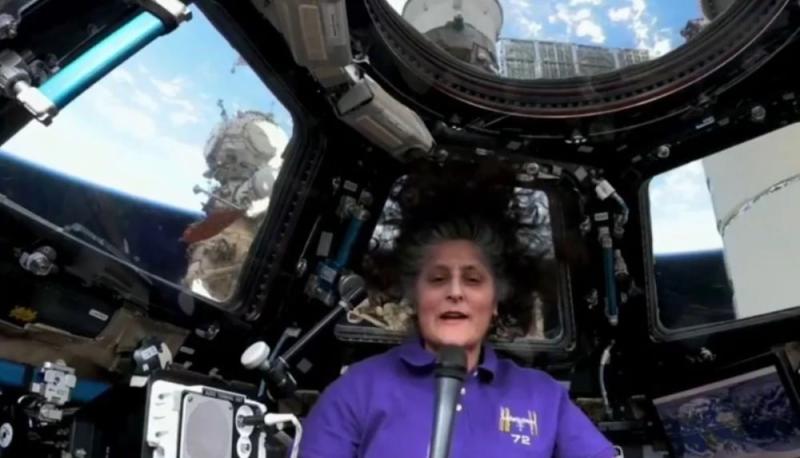
Indian astronaut Shubhanshu Shukla is set to make a historic communication from space with school students and scientists from the Indian Space Research Organisation (ISRO) on July 4, 2025. The interaction, which will take place via ham radio, is part of the ARISS (Amateur Radio on the International Space Station) programme, designed to connect astronauts aboard the ISS with students around the world, inspiring the next generation of space explorers.