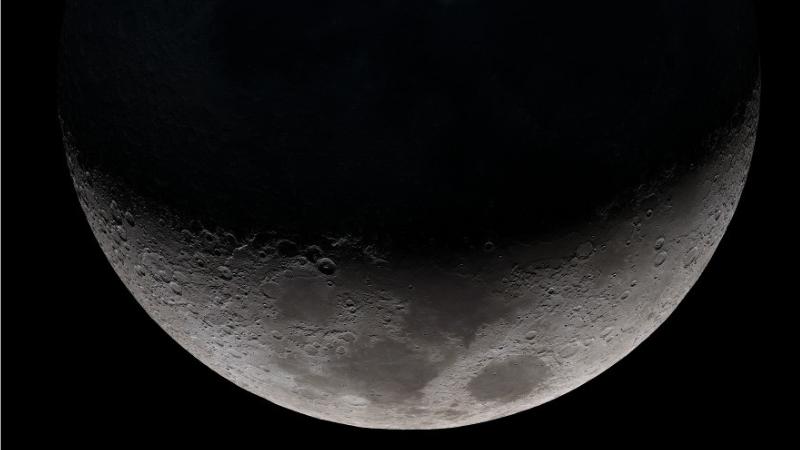
Skywatchers across the United States are preparing for one of the most striking lunar events of 2026 as a deep partial lunar eclipse unfolds from Thursday, August 27, into Friday, August 28. At maximum eclipse, about 96.3% of the Moon’s visible disc will move inside Earth’s dark central shadow, or umbra, giving the Moon an almost-total-eclipse appearance.
Although the event is officially classified as a partial lunar eclipse, only a thin portion of the Moon will remain directly illuminated at the peak. Much of the lunar surface may take on a dramatic copper, orange or reddish shade as sunlight passing through Earth’s atmosphere is filtered and bent toward the Moon.
The eclipse will be visible across much of the United States, with the timing varying by time zone. India will not be able to witness the event directly because the major eclipse phases occur after sunrise, when the Moon is already below the horizon.
Partial Lunar Eclipse 2026 USA Timings
The penumbral phase begins across the eastern United States on Thursday evening, August 27. The more noticeable partial eclipse starts later in the evening, while the maximum occurs shortly after midnight in the Eastern Time Zone and before midnight across Central, Mountain and Pacific regions.
| Eclipse Phase | Eastern Time | Central Time | Mountain Time | Pacific Time |
|---|---|---|---|---|
| Penumbral eclipse begins | Aug. 27, 9:24 PM | Aug. 27, 8:24 PM | Aug. 27, 7:24 PM | Aug. 27, 6:24 PM |
| Partial eclipse begins | Aug. 27, 10:34 PM | Aug. 27, 9:34 PM | Aug. 27, 8:34 PM | Aug. 27, 7:34 PM |
| Maximum eclipse | Aug. 28, 12:13 AM | Aug. 27, 11:13 PM | Aug. 27, 10:13 PM | Aug. 27, 9:13 PM |
| Partial eclipse ends | Aug. 28, 1:52 AM | Aug. 28, 12:52 AM | Aug. 27, 11:52 PM | Aug. 27, 10:52 PM |
| Penumbral eclipse ends | Aug. 28, 3:01 AM | Aug. 28, 2:01 AM | Aug. 28, 1:01 AM | Aug. 28, 12:01 AM |
Visibility will depend on the Moon’s position above the horizon and local weather conditions. Hawaii will miss the maximum phase, while parts of Alaska may have limited visibility during the deepest stage of the eclipse.
Lunar Eclipse 2026 India IST Timings
The same eclipse phases correspond to Friday morning and afternoon in India. However, Indian viewers will not be able to see the eclipse because the Moon will have already set and daylight will have begun.
| Eclipse Phase | Date | India Time |
|---|---|---|
| Penumbral eclipse begins | August 28, 2026 | 6:54 AM IST |
| Partial eclipse begins | August 28, 2026 | 8:04 AM IST |
| Maximum eclipse | August 28, 2026 | 9:43 AM IST |
| Partial eclipse ends | August 28, 2026 | 11:22 AM IST |
| Penumbral eclipse ends | August 28, 2026 | 12:31 PM IST |
Those in India who want to follow the event can watch livestreams from observatories and astronomy organizations located in regions where the eclipse is visible.
Why Will the Moon Turn Red?
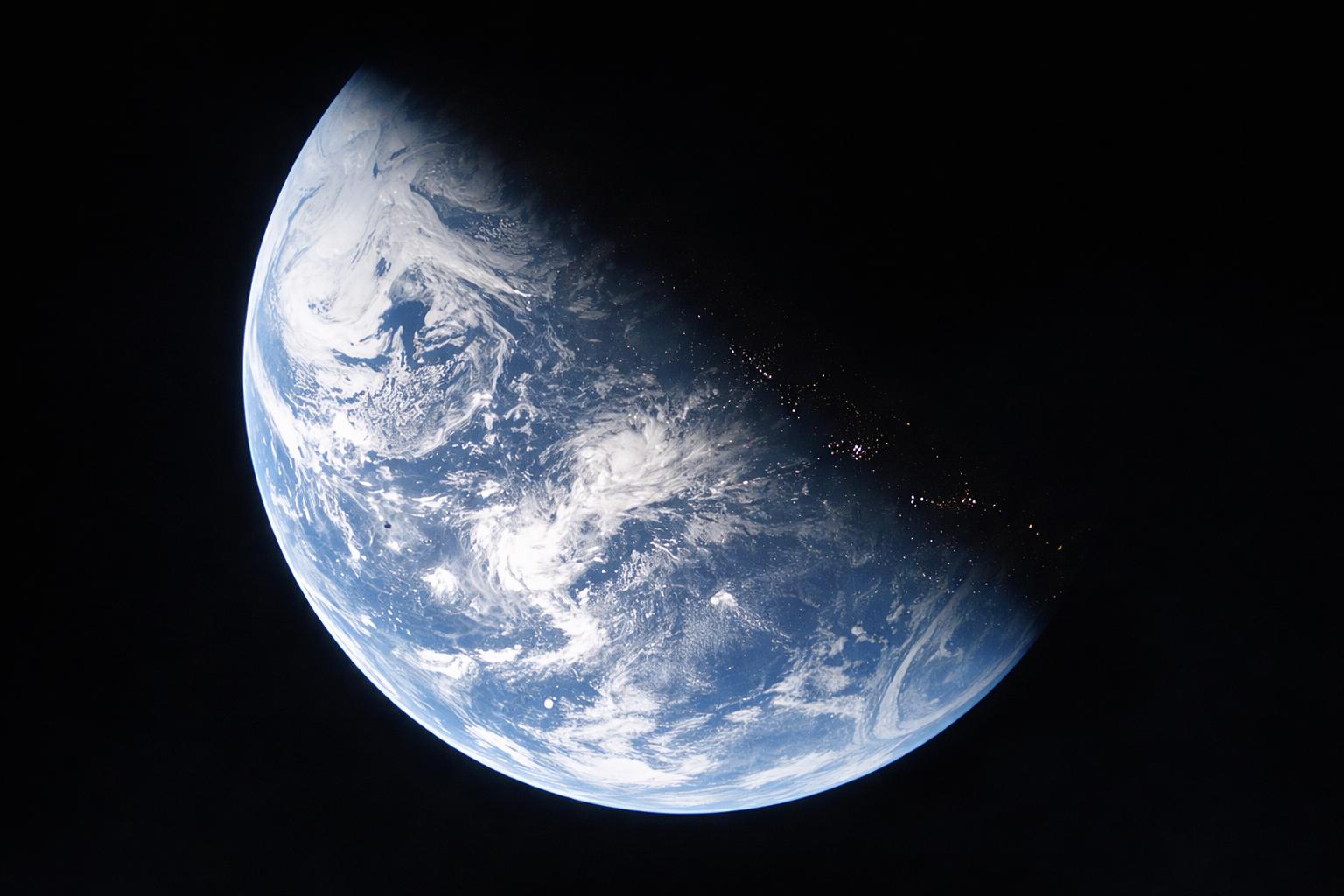
During the deepest part of the eclipse, Earth blocks most direct sunlight from reaching the Moon. However, some sunlight passes through Earth’s atmosphere before reaching the lunar surface.
Shorter blue wavelengths are scattered more strongly, while red and orange wavelengths travel through the atmosphere and are refracted toward the Moon. This can give the eclipsed portion of the lunar surface a reddish or copper appearance.
The effect is sometimes popularly called a “Blood Moon,” although the August 2026 event is technically a partial lunar eclipse rather than a total lunar eclipse.
How to Watch the Lunar Eclipse Safely
Unlike a solar eclipse, a lunar eclipse is completely safe to watch with the naked eye. Viewers do not need eclipse glasses or other protective equipment.
For the best experience, choose a location with a clear view of the Moon and minimal artificial lighting. Binoculars can enhance the reddish colors, while a small telescope can reveal more detail on the lunar surface as Earth’s shadow moves across it.
Clouds, rain or haze could reduce visibility, so viewers should check their local weather forecast before heading outside.
With nearly the entire Moon entering Earth’s umbra, the August 27-28 partial lunar eclipse is expected to be one of the most visually impressive lunar events of 2026 for observers across much of the United States.