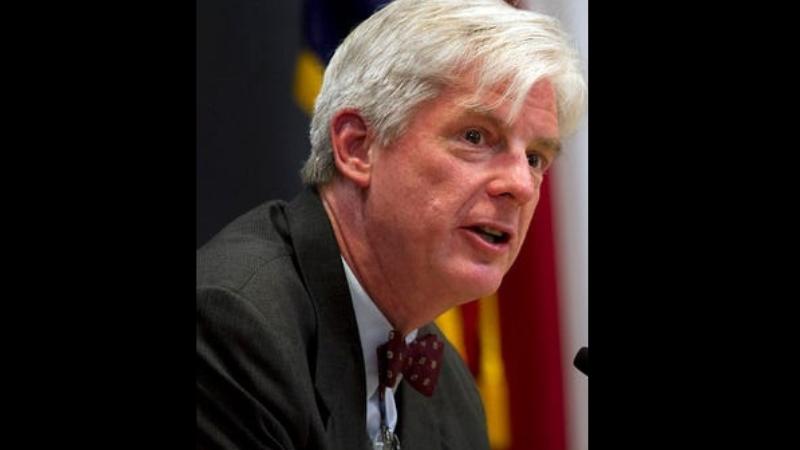
Bill Spelman, the former Austin City Council member and University of Texas professor, passed away at the age of 68. Spelman, renowned for his work in public policy and criminology, was remembered for his commitment to data-driven policymaking and his significant contributions to the Austin community. The news was shared by U.S. Rep. Lloyd Doggett, who paid tribute to Spelman, describing him as a man who brought intellect, integrity, and heart to everything he did.
Spelman served on the Austin City Council from 1997 to 2000 and again from 2009 to 2015. He was known for his humility and focus on effective governance, particularly in public safety, housing, and environmental issues. His academic career as a professor at the Lyndon B. Johnson School of Public Affairs at the University of Texas further solidified his legacy. Spelman taught courses in criminology and urban policy, publishing extensively in his field, and was instrumental in training police officers in community policing.
Despite a neuroendocrine tumor diagnosis in 2012, Spelman remained deeply committed to his work. His resilience and dedication were well-regarded, and he continued to serve the community even during his illness. His legacy includes reshaping public safety policies in Austin, with a broader view that focused on more than just hiring police officers, but also on alternative programs to reduce crime.
Spelman’s work also included championing paid family leave for city employees and advocating for Austin Energy to remain under city control. His impact on the city's governance, especially during its recovery from the Great Recession, is remembered by his colleagues and the public alike.
Spelman’s wife, Niyanta Spelman, spoke of his deep love for his family and his dedication to living a life centered on making the world a better place. Despite his demanding career, Spelman found time for personal joys, including reading the Harry Potter books to his son and attending his children’s activities.
Bill Spelman is survived by his wife, two sons, and a sister. His passing marks the end of a remarkable life of public service, leaving a lasting impact on Austin and Texas. He will be remembered not only for his professional achievements but also for his values of compassion, fairness, and community service.