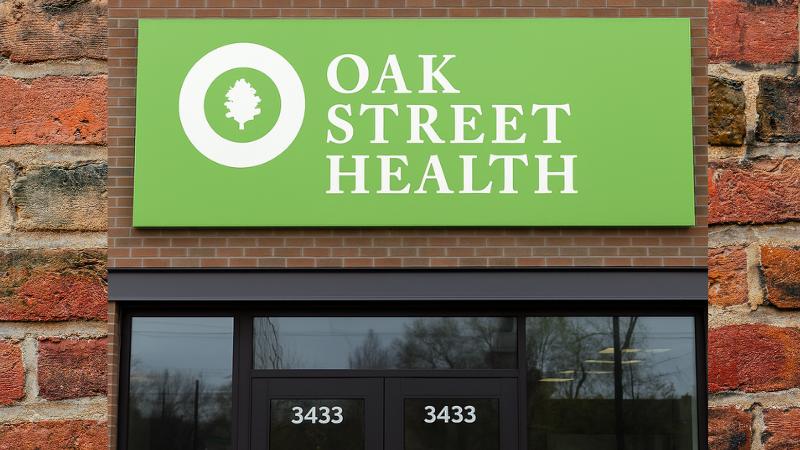
CVS Health has announced plans to close 16 Oak Street Health primary care clinics across the United States by the end of February 2026, citing the move as part of a broader effort to strengthen its financial position and long-term sustainability. The closures follow a comprehensive review of the company’s clinic operations and come amid a changing healthcare landscape that has placed significant pressure on medical providers.
The decision arrives two years after CVS Health acquired Chicago-based Oak Street Health for $10.6 billion, in a major push to expand its footprint in the primary care sector. The clinics primarily serve Medicare Advantage patients, offering value-based care aimed at improving long-term outcomes rather than treating illnesses episodically. Despite the closure plan, CVS Health said it remains committed to the Oak Street model, which has been praised for its emphasis on preventive medicine and personalized patient engagement.
A CVS spokesperson confirmed that the closures will affect several locations nationwide, including one in Chicago at 3433 West Madison Street, near Garfield Park. Oak Street Health currently operates about 230 centers across the country, with more than 30 located in Illinois. The company did not release a full list of affected centers but indicated that the closures were based on operational assessments and regional demand patterns.
Brian Newman, CVS Health’s Executive Vice President and Chief Financial Officer, said the decision was made following a “comprehensive review” of the company’s clinic footprint. “We made the difficult decision to close 16 Oak Street Health centers by the end of February 2026,” Newman said. “This positions Oak Street Health for sustainable, long-term growth as we continue to navigate external challenges such as elevated medical costs, CMS risk adjustment model changes, and payer dynamics.”
The shift marks a recalibration of CVS Health’s ambitious effort to transform from a retail pharmacy giant into a major player in direct healthcare delivery. Over the past few years, both CVS and its rival Walgreens expanded rapidly into primary care through acquisitions and in-store clinics, seeing it as a way to capture a greater share of the healthcare market. However, under new leadership, both companies have scaled back those ambitions after encountering rising operational costs and slower-than-expected returns.
Industry experts say that while the concept of value-based care remains sound, the financial model behind it has proven difficult to sustain. Many of these clinics attract patients who have not had regular access to primary care, which means initial costs are high as providers work to stabilize chronic conditions and improve overall health outcomes. Analysts note that this front-loaded spending can take years to yield results, straining balance sheets in the short term.
In its third-quarter earnings report, CVS Health disclosed a net loss of nearly $4 billion, largely attributed to charges associated with its clinic operations. Despite the loss, total company revenue grew by nearly 8 percent, reaching $102.9 billion. Adjusted earnings came in at $1.60 per share, surpassing analysts’ expectations of $1.37 per share on revenue projections of $98.81 billion, according to data firm FactSet.
CVS Health executives reiterated their confidence in the Oak Street Health model, emphasizing that it continues to play a vital role in the company’s integrated care approach. “We continue to believe in Oak Street Health and its proven care model to deliver better clinical outcomes for our patients,” the spokesperson said, underscoring that the closures are intended to strengthen, not weaken, the company’s healthcare delivery strategy.
CVS Health, headquartered in Woonsocket, Rhode Island, operates one of the largest pharmacy networks in the United States, along with a significant pharmacy benefit management business serving employers, insurers, and other large clients. Its Aetna insurance division provides health coverage to nearly 27 million people.
As the company looks to balance cost efficiency with innovation, the coming months will determine how effectively CVS can adapt to shifting economic and policy conditions while maintaining patient trust. The closures reflect a broader challenge faced by healthcare providers nationwide: sustaining accessible, quality care in a system increasingly defined by rising expenses and changing regulatory pressures.
Though the company’s short-term outlook is cautious, CVS Health insists that Oak Street’s long-term mission—to deliver proactive, community-based care for older adults—remains central to its healthcare vision. The upcoming transitions, executives say, are part of an ongoing evolution to ensure that the company’s clinical operations remain both financially stable and focused on improving patient outcomes.