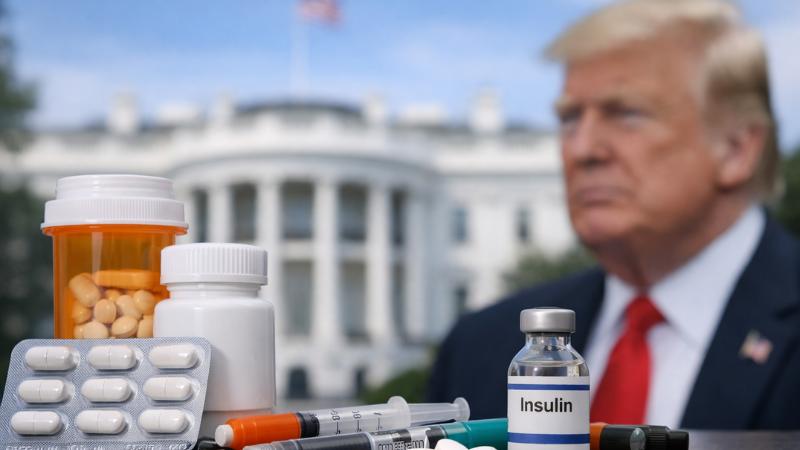
President Donald Trump’s recently announced agreements with pharmaceutical companies are expected to have a limited effect on what most Americans pay for prescription drugs, according to health policy experts who say the scope and structure of the deals leave many patients unaffected.
Since Sept. 30, the Trump administration has reached agreements with 14 drugmakers in exchange for relief from proposed tariffs, the White House has said. The deals, which have not yet taken effect, rely on a “most favored nation” pricing model that links certain U.S. drug prices to those paid in other high-income countries. Under the plan, Medicaid would pay less for covered medications, and people paying cash would be offered discounts through TrumpRx, a new direct-to-consumer prescription platform promoted by the administration.
Despite the announcement, experts say the agreements largely bypass the groups that account for most prescription drug spending. Prices paid by people with private insurance or Medicare are generally unchanged under the deals, and Medicaid enrollees already face little to no cost-sharing at the pharmacy counter. As a result, the immediate financial benefit to most insured Americans is expected to be minimal.
Juliette Cubanski, deputy director of the program on Medicare policy at KFF, said insured patients are usually better off relying on their existing coverage rather than purchasing medications through a cash-pay portal. She noted that while the TrumpRx discounts may sound substantial, insurance plans often provide lower effective costs for beneficiaries, particularly for brand-name drugs.
Adding to the uncertainty, many details of the agreements have not been made public. Richard Frank, director of the center on health policy at the Brookings Institution, said the administration has released little more than summaries and press statements, making it difficult to assess how binding or durable the arrangements will be. Without formal contracts or full pricing terms, he said, it remains unclear how much pricing behavior will actually change.
The administration has identified several drugs included in the deals, among them Merck’s diabetes treatment Januvia, Sanofi’s blood thinner Plavix, Amgen’s cholesterol drug Repatha, Genentech’s flu medication Xofluza, Gilead Sciences’ hepatitis C drug Epclusa, Novartis’ multiple sclerosis therapy Mayzent, and the weight loss drugs Wegovy and Zepbound from Novo Nordisk and Eli Lilly. Some of these medications are already subject to Medicare price negotiations under the Inflation Reduction Act signed by President Joe Biden, further limiting the potential impact of the Trump agreements.
Publicly disclosed discounts include sharp reductions from list prices for some drugs. Epclusa, for example, is expected to be offered for $2,425 through TrumpRx, down from nearly $25,000. The monthly cost of Wegovy and Zepbound for cash-paying customers is projected to start at $350 and decline to $250 over the next two years. Even so, experts caution that these prices remain out of reach for many patients.
Art Caplan, who heads the medical ethics division at NYU Grossman School of Medicine, said several of the named drugs already face competition from generic versions or are prescribed to relatively small patient populations. In those cases, he said, price cuts are unlikely to move the needle on national drug spending. Other medications, such as Xofluza, must be taken within a narrow time window, which could limit the usefulness of an online ordering system.
The White House has said some of the lower prices will become available through TrumpRx early this year, with Medicaid-related changes following in the coming months. Officials have not released comprehensive estimates of how much patients might save overall. Stacie Dusetzina, a health policy professor at Vanderbilt University, said the platform could be helpful for people without insurance or those enrolled in high-deductible plans, particularly when compared with full list prices.
However, she emphasized that even discounted prices often remain high. For many brand-name drugs, out-of-pocket costs can still reach hundreds of dollars per prescription, creating affordability challenges for households already struggling with medical expenses. According to federal data, roughly 26 million people in the United States were uninsured in 2023, a group that could potentially benefit the most from cash-pay discounts.
At the same time, the pricing initiative comes as drugmakers continue to raise prices across much of the market. More than 350 brand-name drugs saw price increases this year, with average hikes of about 4%, according to industry research. Frank said it is possible some of the announced discounts reflect pricing changes that companies were already planning, rather than new concessions tied to the agreements.
Meanwhile, rising health insurance premiums following the expiration of enhanced Affordable Care Act subsidies have added to financial pressure on consumers. Experts say that without affordable insurance coverage, even reduced drug prices may fail to provide meaningful relief for many Americans, underscoring the limited reach of the current deals.