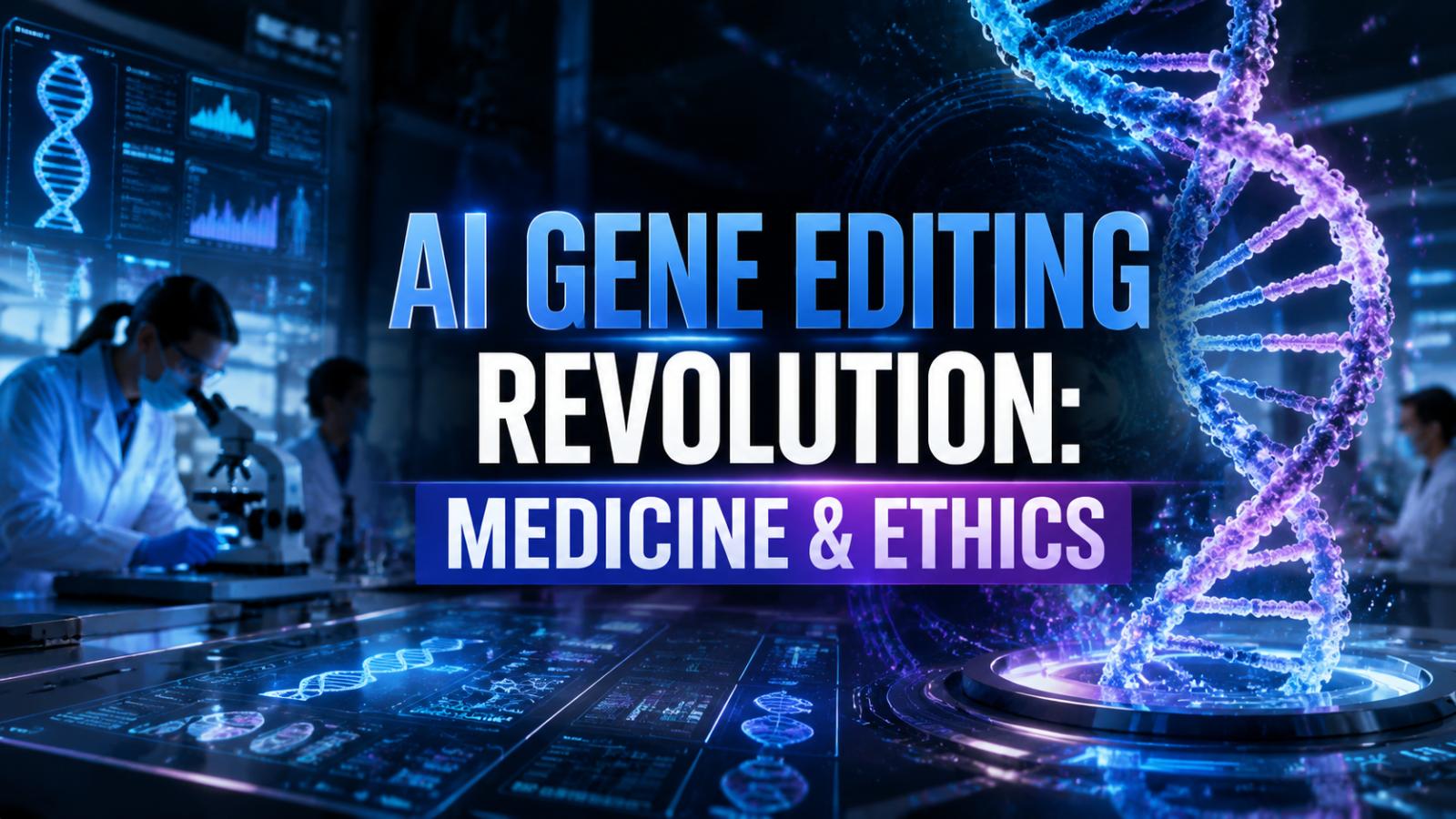
AI gene editing is rapidly changing how scientists understand and treat human diseases. Artificial intelligence now helps researchers study DNA faster, identify harmful mutations, and design improved therapies. By analyzing large sets of genetic data, AI reduces the time needed for discovery and supports more accurate medical research. This progress is helping scientists explore treatments for diseases that were once considered difficult or impossible to cure, making gene-based medicine more practical and efficient.
AI accelerates genome research
Artificial intelligence systems process huge volumes of genomic data and detect patterns that are too complex for traditional methods. These systems predict how gene changes may affect the human body and help researchers test ideas digitally before real lab experiments. This reduces cost, saves time, and increases accuracy in genetic research. It also allows scientists to better understand rare diseases and develop targeted treatment strategies.
Advanced gene editing tools
New AI-powered tools such as OpenCRISPR, DeepGenomics, and predictive editing models are improving precision in DNA modification. These systems help reduce errors during gene editing and improve safety by predicting off-target effects. They also allow researchers to simulate genetic changes before applying them in real biological systems, making experiments more controlled and reliable.
Ethical and safety concerns
Despite its benefits, AI gene editing raises serious concerns about misuse and safety. Easy access to synthetic DNA and limited oversight in some research environments can increase risks. The same technology that helps cure diseases could also be misused if not properly regulated. This makes strong monitoring and responsible use essential for protecting public health.
Need for global regulation
Experts recommend strict global rules for AI-driven gene editing. These include screening synthetic DNA orders, maintaining detailed lab records, and ensuring transparency in research. International cooperation is also necessary to prevent misuse and strengthen biosecurity systems. Ethical guidelines must guide research, especially in sensitive areas like embryo editing and human genetic modification.
Balancing progress and responsibility
AI gene editing offers major benefits in medicine, including faster drug development, precision treatments, and better understanding of human genetics. However, these advances must be balanced with strong safety measures. Responsible use of technology, combined with global cooperation, will ensure that AI improves healthcare without creating new biological risks.


 Joyful
0%
Joyful
0%
 Cool
0%
Cool
0%
 Thrilled
0%
Thrilled
0%
 Upset
0%
Upset
0%
 Unhappy
0%
Unhappy
0%