In a world where superfoods are gaining popularity, it’s exciting to realize that some of the most powerful health-boosting foods are already a part of Indian cuisine. Indian superfoods have been recognized and consumed for centuries, thanks to the rich history of Ayurveda and traditional Indian medicine, which highlight the importance of food in maintaining balance and wellness. These foods are packed with essential nutrients, antioxidants, and healing properties that help combat modern health challenges such as stress, inflammation, and poor digestion.
We will explore 15 Indian superfoods that you should consider adding to your diet for optimal health and well-being. From ancient grains to powerful spices and healing herbs, these superfoods are easy to include in your daily meals, offering both nourishment and flavor.
1. Turmeric (Haldi)
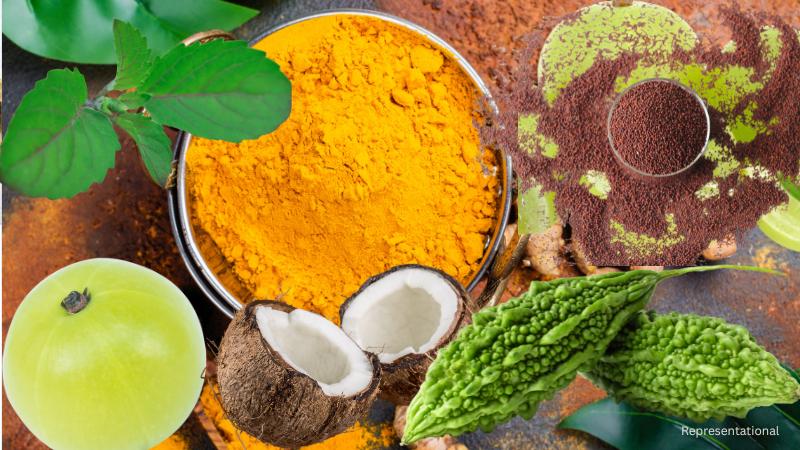
Turmeric is one of the most well-known and widely used superfoods in Indian cuisine. Known for its bright yellow color and unique flavor, turmeric contains curcumin, a powerful anti-inflammatory compound with antioxidant properties. Turmeric can help reduce inflammation, improve digestion, and promote healthy skin. It is often consumed in milk (called golden milk) or added to curries, soups, and stews.
Tip: For better absorption, combine turmeric with black pepper, which enhances the bioavailability of curcumin.
2. Amla (Indian Gooseberry)
Amla, or Indian gooseberry, is a nutrient powerhouse. Packed with vitamin C, antioxidants, and fiber, it helps boost immunity, promote skin health, and aid in digestion. Amla is also known to help lower cholesterol levels and improve heart health. It can be consumed raw, as juice, or in the form of dried powder.
Tip: You can also use amla in your daily hair care routine for promoting hair growth and combating hair fall.
3. Moringa (Drumstick)
Moringa, often called the "miracle tree," is rich in vitamins A, C, and E, as well as essential minerals like calcium and iron. Moringa leaves are known for their detoxifying properties and are excellent for boosting energy levels, improving digestion, and regulating blood sugar levels. The seeds, leaves, and pods of the moringa tree are edible and highly nutritious.
Tip: Add moringa powder to smoothies, soups, or curries for a healthy boost.
4. Chia Seeds
Though not originally from India, chia seeds have become an important superfood in the Indian diet. Rich in omega-3 fatty acids, fiber, and protein, chia seeds promote heart health, aid in weight loss, and support digestion. These tiny seeds are easy to incorporate into your diet by adding them to smoothies, yogurt, or salads.
Tip: Soak chia seeds overnight in water or milk to create a gel-like consistency that can be added to various dishes.
5. Ghee
Ghee, or clarified butter, has been a staple in Indian kitchens for centuries. Rich in butyrate, a short-chain fatty acid, ghee supports gut health, reduces inflammation, and improves brain function. It's also an excellent source of vitamin A, E, and K2. Contrary to popular belief, moderate consumption of ghee is beneficial, especially when made from grass-fed cows.
Tip: Use ghee as a cooking fat in place of regular butter or oil for a healthier alternative.
6. Fenugreek (Methi)
Fenugreek seeds are often used in Indian cooking for their distinct flavor and health benefits. Known for its high fiber and iron content, fenugreek aids in digestion, reduces blood sugar levels, and supports weight loss. It's also used to treat skin conditions and promote healthy hair growth.
Tip: Add fenugreek seeds to your curries or steep them in hot water to make a health-boosting tea.
7. Coriander (Cilantro)
Coriander is a common herb used in Indian dishes for both its flavor and medicinal properties. Rich in vitamins A and K, as well as antioxidants, coriander helps in digestion, detoxification, and inflammation reduction. The seeds (coriander seeds) are also used for their digestive benefits.
Tip: Use fresh coriander leaves as a garnish or add coriander seeds to teas for digestive relief.
8. Tulsi (Holy Basil)
Tulsi, also known as holy basil, is a revered herb in Ayurveda. With its adaptogenic properties, tulsi helps the body cope with stress and boosts immunity. It also has anti-inflammatory and antioxidant properties. Tulsi tea is a popular way to consume this herb for its calming effects and numerous health benefits.
Tip: Brew tulsi leaves with ginger and honey for a soothing and immune-boosting tea.
9. Coconut (Nariyal)
Coconut is an incredibly versatile superfood found in many parts of India. It provides healthy fats, fiber, and vitamins, which are beneficial for heart health, skin, and digestion. Whether you consume it as coconut water, coconut oil, or coconut milk, it offers numerous health benefits.
Tip: Drink coconut water to stay hydrated, or use coconut oil for cooking and skin care.
10. Saffron (Kesar)
Saffron, often called the "golden spice," is a highly prized spice in India. Known for its vibrant color and unique flavor, saffron is rich in antioxidants and has mood-enhancing properties. It can help improve digestion, reduce stress, and promote heart health.
Tip: Use a few strands of saffron in your warm milk for a soothing drink before bed.
11. Ragi (Finger Millet)
Ragi is a highly nutritious grain that is rich in calcium, iron, and fiber. It is especially beneficial for people with diabetes as it helps regulate blood sugar levels. Ragi is commonly used in South Indian cooking to prepare porridge, dosas, and rotis.
Tip: Try ragi flour to make porridge or rotis for a gluten-free alternative.
12. Amaranth (Rajgira)
Amaranth is a pseudocereal that is rich in protein, fiber, and essential minerals like magnesium and iron. It is a great source of energy and is gluten-free, making it suitable for those with dietary restrictions. It also helps in weight management and improving digestion.
Tip: Use amaranth flour to make rotis or add amaranth seeds to smoothies or salads.
13. Pineapple (Ananas)
Pineapple is not only delicious but also a great source of vitamin C, antioxidants, and enzymes that aid digestion. Its anti-inflammatory properties help with joint health, and it can also boost your immunity.
Tip: Add pineapple chunks to fruit salads, smoothies, or make a tangy pineapple curry.
14. Kalonji (Nigella Seeds)
Kalonji, or nigella seeds, have been used in Indian cuisine for centuries for their medicinal properties. Known for their anti-inflammatory, antioxidant, and antimicrobial properties, kalonji helps improve heart health, digestive function, and skin health.
Tip: Sprinkle kalonji seeds on naan bread or add them to curries and rice dishes for a subtle, aromatic flavor.
15. Bitter Gourd (Karela)
Bitter gourd is an excellent source of vitamins C and A, iron, and fiber. Known for its detoxifying properties, it helps regulate blood sugar, improve digestion, and aid weight loss. Although it has a bitter taste, it is widely used in Indian cooking, especially for its health benefits.
Tip: Prepare karela stir-fries or make bitter gourd juice for a health-boosting tonic.
🔖 Explore More
10 Indian Dishes That Are Perfect for Winter: Hearty, Warming, and Delicious
Protein-Rich Indian Snacks for Energy Boost: Healthy and Tasty Options for a Quick Pick-Me-Up
Gut Health on the Menu: The Power of Functional Foods for Digestive Wellness
Discover Best Food Deals for NRIs in the USA - Food & Restaurant