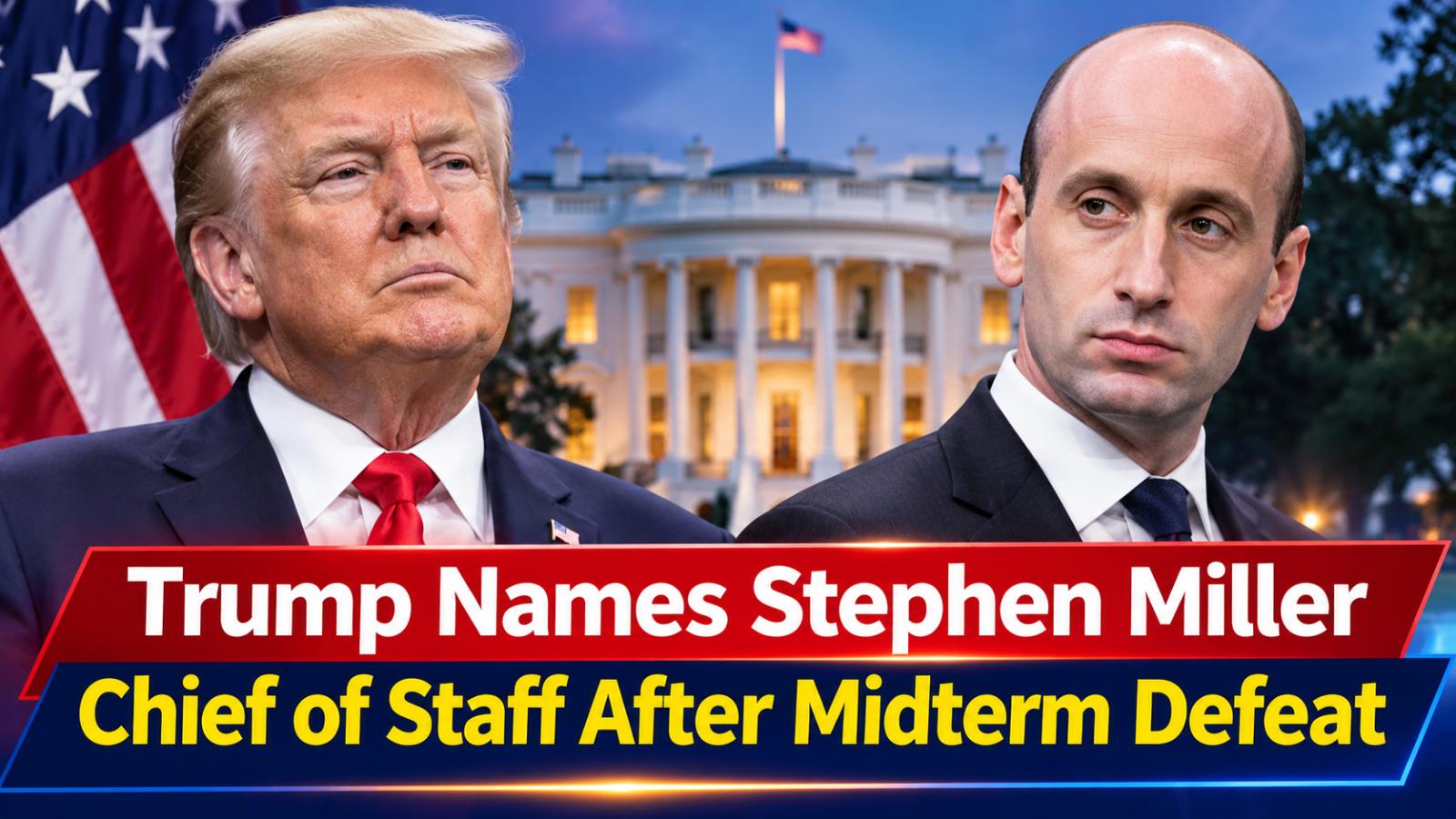
Stephen Miller Named White House Chief of Staff
President Donald Trump named Stephen Miller as White House chief of staff, effective November 9, 2026. Miller replaces Susie Wiles after Republicans lost control of Congress in the November 3 midterm elections.
Trump announced the change on November 6, praising Miller as a trusted adviser. Wiles, the first woman to hold the chief of staff position, will move to the president's political organisation.
Miller previously served as deputy chief of staff for policy and homeland security adviser. He helped shape immigration enforcement and domestic priorities, making the promotion an expansion of his existing influence.
The chief of staff manages White House operations and presidential access. Although Miller cannot independently create immigration rules, the role gives him greater control over which proposals receive attention and how quickly decisions progress.
Immigration Enforcement After Midterm Elections
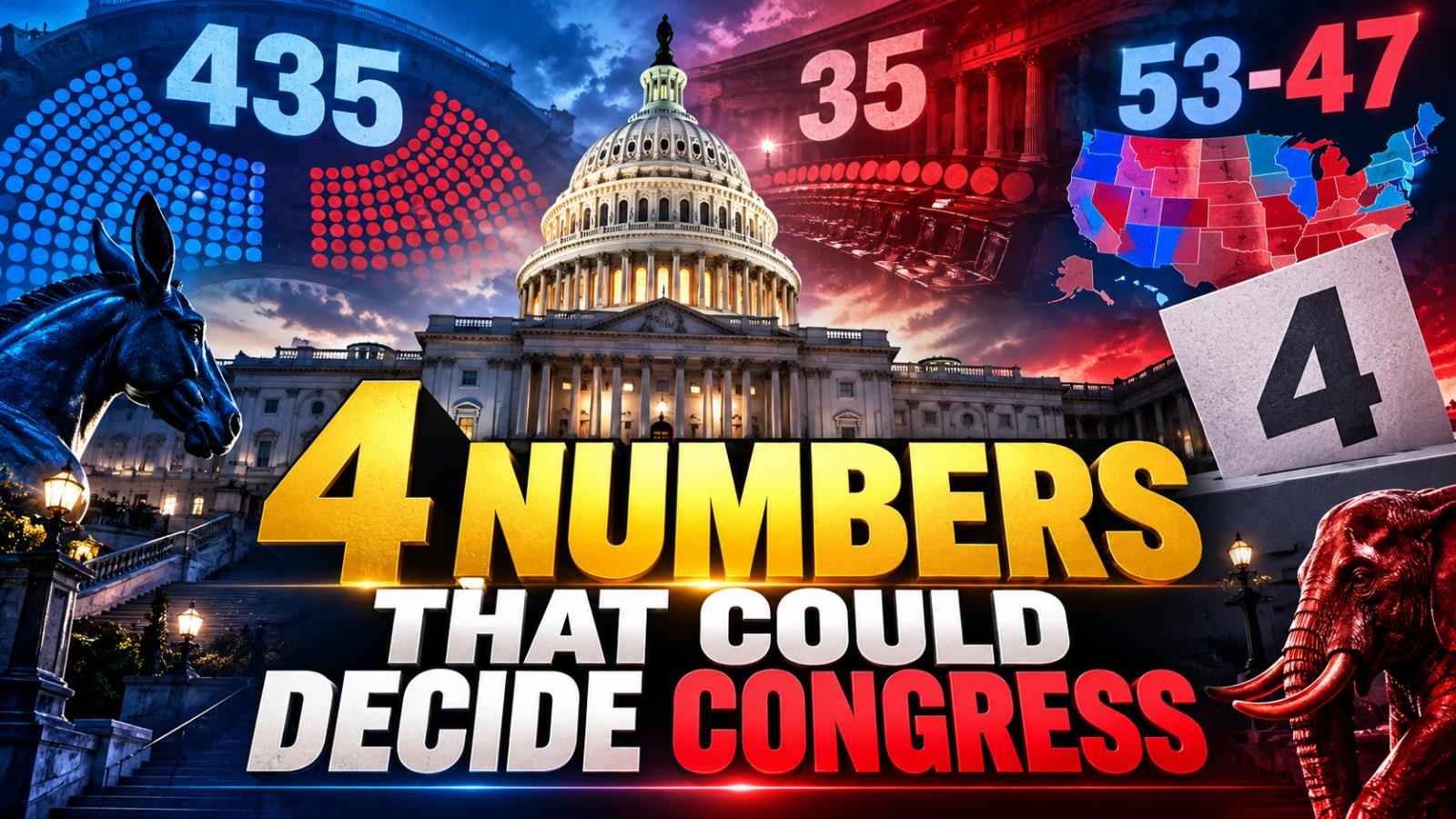
Democrats won both chambers of Congress in the midterms, complicating Trump's legislative plans. The shift also creates prospects for congressional investigations into immigration enforcement, executive actions and other contested decisions.
Miller has strongly supported mass deportations and tighter border controls. His appointment suggests a continued emphasis on those priorities, although federal agencies remain responsible for carrying out enforcement under applicable laws.
With Congress less receptive to administration proposals, Trump may increasingly pursue executive and administrative measures. Such actions can face legal challenges, and the chief of staff cannot bypass judicial review or statutory limits.
The transition could also change the White House's management style. Wiles was associated with organisational discipline, while Miller is known for forceful policy advocacy and support for a more expansive presidential role.
H-1B Visa Policy and Impact on India
Miller's promotion draws attention in India because Indian nationals account for a large share of H-1B beneficiaries. Changes to skilled-worker rules could affect technology employers, professionals and students seeking US jobs.
The administration already requires a $100,000 payment for certain new H-1B petitions involving overseas workers. The appointment itself creates no new visa rule, and no India-specific restriction has been announced alongside it.
Stricter visa scrutiny could prompt some firms to reconsider US transfers or expand India-based capability centres. Those outcomes remain possibilities rather than confirmed consequences, depending on future immigration and employment policies.
For affected workers and companies, official regulations matter more than political speculation. Employers should monitor agency notices and compliance requirements as Miller assumes his new role amid growing debate over skilled immigration.