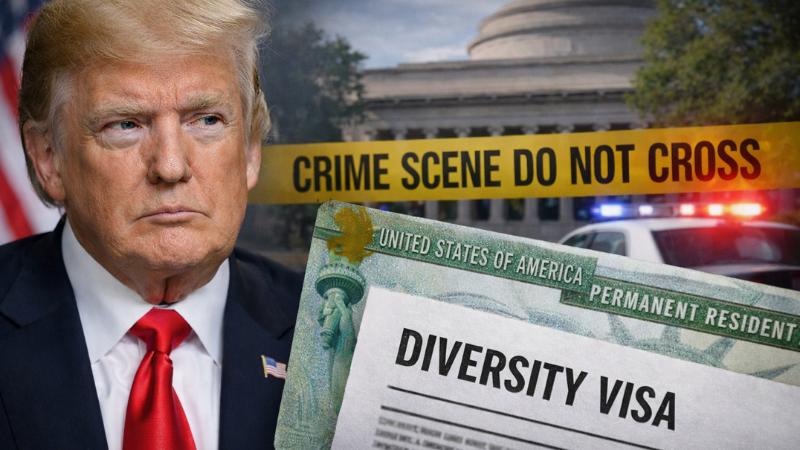
Homeland Security Secretary Kristi Noem announced the decision in a public statement, saying the pause was being implemented at President Donald Trump’s direction. She said the administration had instructed the United States Citizenship and Immigration Services to halt processing under the programme while federal agencies conduct a review. According to Noem, the move is intended to prevent what the administration views as potential security risks associated with the lottery-based immigration system.
Officials identified the suspect as Claudio Neves Valente, a 48-year-old Portuguese national who had obtained legal permanent resident status in 2017 through the diversity visa programme. Authorities said Neves Valente was responsible for a shooting at Brown University that left two students dead and nine others injured, as well as the killing of a professor at MIT. He was later found dead from a self-inflicted gunshot wound, according to law enforcement officials.
US Attorney for Massachusetts Leah B. Foley confirmed that Neves Valente had entered the country lawfully and had been living in the United States for several years. The administration has argued that his immigration history underscores what it describes as long-standing flaws in the diversity visa system. In her statement, Noem said similar concerns had been raised during Trump’s first term, referencing a 2017 attack in New York City in which an assailant who entered the US through the same programme killed eight people.
The diversity visa programme was created under the Immigration Act of 1990 with the goal of promoting immigration from countries that historically send fewer migrants to the United States. Each year, up to 50,000 immigrant visas are allocated through a random lottery process, granting recipients permanent resident status. Supporters of the programme have said it broadens access to legal immigration, while critics have argued that it relies too heavily on chance rather than merit or security screening.
President Trump has long opposed the lottery, calling for its elimination and favoring a more restrictive immigration framework. The latest suspension has renewed debate over the administration’s use of high-profile crimes to justify policy changes. Critics have said the move risks conflating individual acts of violence with broader immigration policy and could unfairly stigmatize lawful immigrants.
The decision follows previous actions by the Trump administration after violent incidents involving foreign nationals. In one such case last year, new immigration restrictions were imposed after an Afghan national was accused of a fatal attack on National Guard members, prompting criticism from civil rights and immigration advocates.
The Department of Homeland Security has not indicated how long the suspension of the diversity visa programme will remain in effect. Officials said applications already approved may be subject to further review as part of the security assessment.
The pause is not expected to affect Indian nationals, as India has been ineligible for the diversity visa lottery for several years due to high levels of immigration to the United States through other channels. For now, the administration’s decision marks another significant step in reshaping US immigration policy amid heightened concerns over security and public safety.