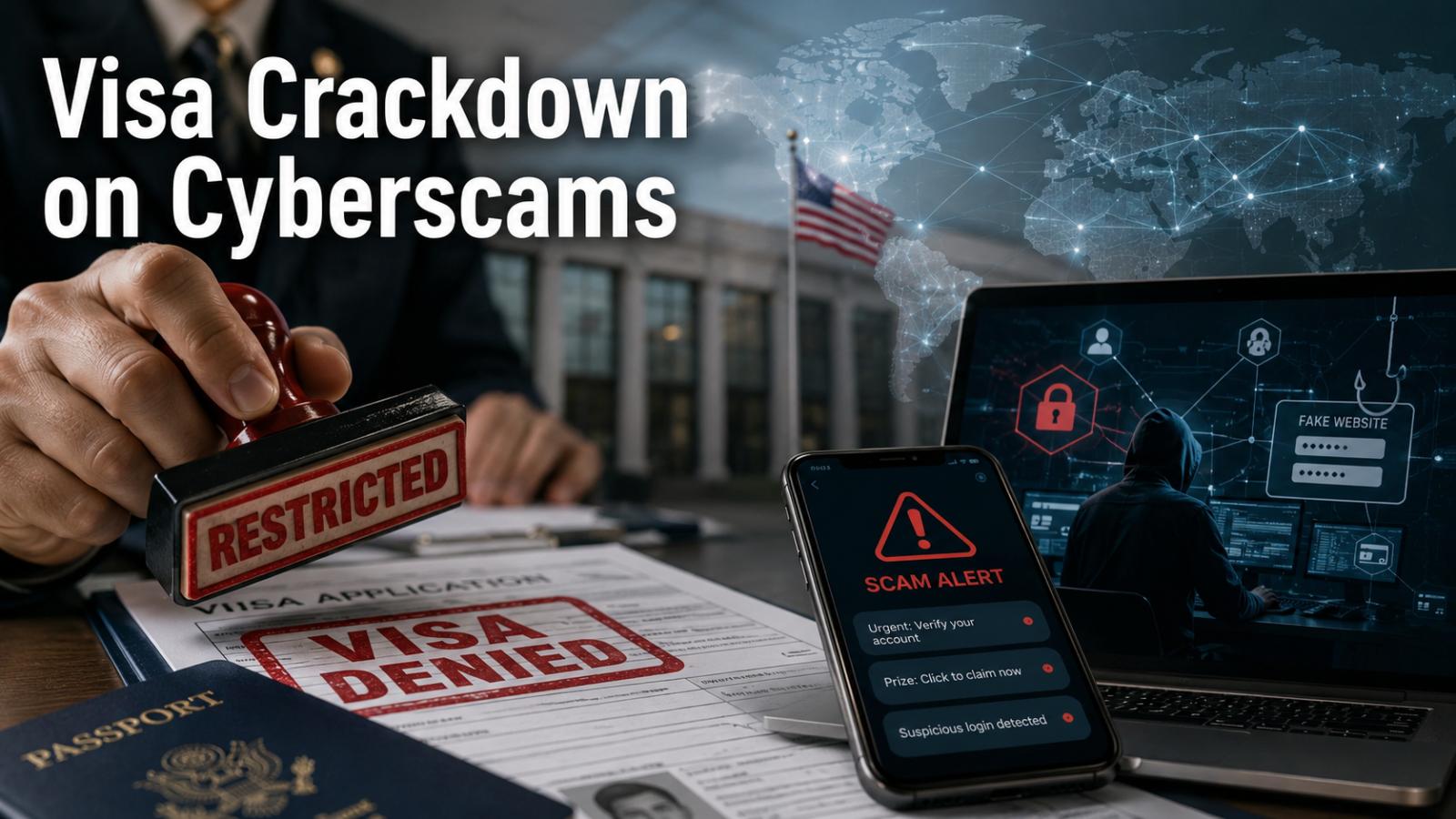
The United States has introduced global US visa restrictions for foreign nationals linked to cyberscams, sextortion and cyber-enabled crime. The policy may also affect immediate family members and supports a broader campaign using prosecutions, sanctions and international cooperation.
The United States announced a global visa restriction policy on Thursday, July 23, 2026, targeting foreign nationals responsible for or complicit in cyberscams, sextortion and other cyber-enabled crimes. Secretary of State Marco Rubio said the measure is intended to disrupt overseas criminal networks that target Americans online.
Who may face US visa restrictions
Rubio said immediate family members of people involved in these offenses may also face visa restrictions. The policy does not automatically apply to ordinary NRIs, H-1B workers, students or Indian visa applicants.
Related: How US cyberscam visa restrictions could affect NRIs
The policy is being applied under Section 212(a)(3)(C) of the Immigration and Nationality Act, which permits visa denial when a person’s entry could create serious adverse foreign-policy consequences for the United States. It may cover people involved in online investment fraud, cyber scams, sextortion or activities that enable such crimes.
Rubio said immediate family members of people engaged in these offenses may also be subjected to visa restrictions. The State Department did not identify specific countries, organizations or individuals in its announcement.
Why cyberscams and sextortion are targeted
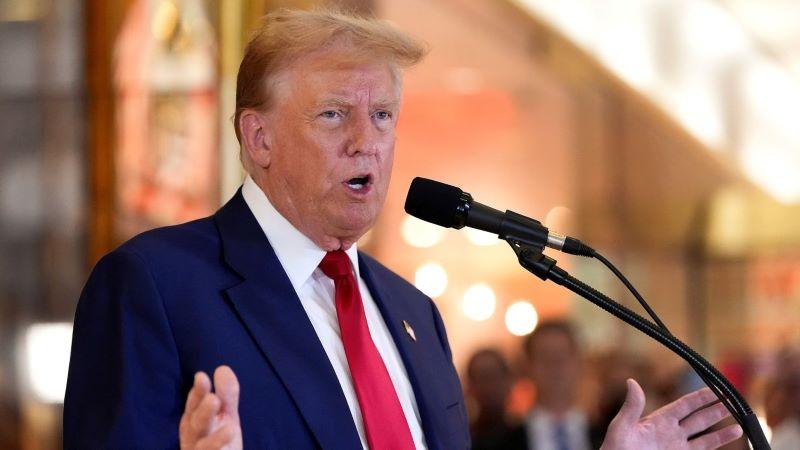
The measure follows Executive Order 14390, signed by President Donald Trump on Friday, March 6, 2026. The order directs federal agencies to strengthen investigations, prosecutions and international action against transnational criminal organizations operating scam centers and cyber-enabled fraud schemes.
U.S. officials say these networks can involve money laundering, corruption, coercion, forced labor and human trafficking. The administration also cited overseas sextortion schemes targeting American children and online investment scams that caused at least $10 billion in losses to Americans in 2024.
Broader cybercrime enforcement campaign
Visa restrictions are one part of a wider federal response. Executive Order 14390 calls for stronger coordination among law enforcement, diplomatic and cybersecurity agencies, along with targeted sanctions and pressure on foreign governments that tolerate criminal networks operating within their borders.
The immediate effect will depend on how the State Department identifies individuals and applies the restrictions. Further designations, prosecutions or international enforcement actions may provide more detail about which networks and jurisdictions are being targeted.