Can an H-1B holder start a business in the US? Business ownership is generally possible, but actively working for the company requires proper H-1B authorization. Newer rules also allow qualifying beneficiary-owned companies to petition for their founders under specific conditions.
An H-1B visa holder can generally own or invest in a U.S. business, including an LLC or corporation. However, owning the company does not automatically give the person permission to work for it.
H-1B employment authorization is tied to approved employment, making the distinction between investment and active work critical for Indian entrepreneurs.
Can an H-1B holder own an LLC?
Yes. An H-1B holder can generally hold an ownership interest in an LLC or corporation. Simply investing money or receiving profits as an owner does not automatically change H-1B status.
Problems can arise when the owner begins performing services for the company without appropriate employment authorization.
Can an H-1B holder work for their own company?
Potentially, yes.
A DHS rule effective January 17, 2025 specifically accommodates H-1B petitions involving business owners. A company in which the H-1B beneficiary has a controlling interest can petition for that individual if the H-1B requirements are satisfied.
USCIS defines a controlling interest for this purpose as owning more than 50% of the petitioning business or having majority voting rights.
The job must still be a specialty occupation
Owning the company does not eliminate normal H-1B requirements.
For a beneficiary-owner, the worker must perform the approved specialty-occupation duties for a majority of the time. Other duties must be directly related to owning and directing the business.
When the beneficiary has a controlling interest, the initial H-1B approval and first extension are each generally limited to up to 18 months.
Can an H-1B holder open a convenience store?
An H-1B holder may own or invest in a convenience store, but personally working behind the counter or performing ordinary day-to-day retail duties is a different matter.
A business seeking H-1B authorization for its owner must offer a genuine position that independently qualifies as a specialty occupation. Simply owning a retail store does not turn routine store-management or cashier duties into H-1B-qualified employment.
What if you already have an H-1B employer?
H-1B workers can, in appropriate circumstances, have more than one H-1B employer. A second employer generally needs its own qualifying petition for concurrent employment.
Entrepreneurs should therefore avoid assuming that forming an LLC allows them to immediately begin working for it.
Current H-1B filing rule to watch
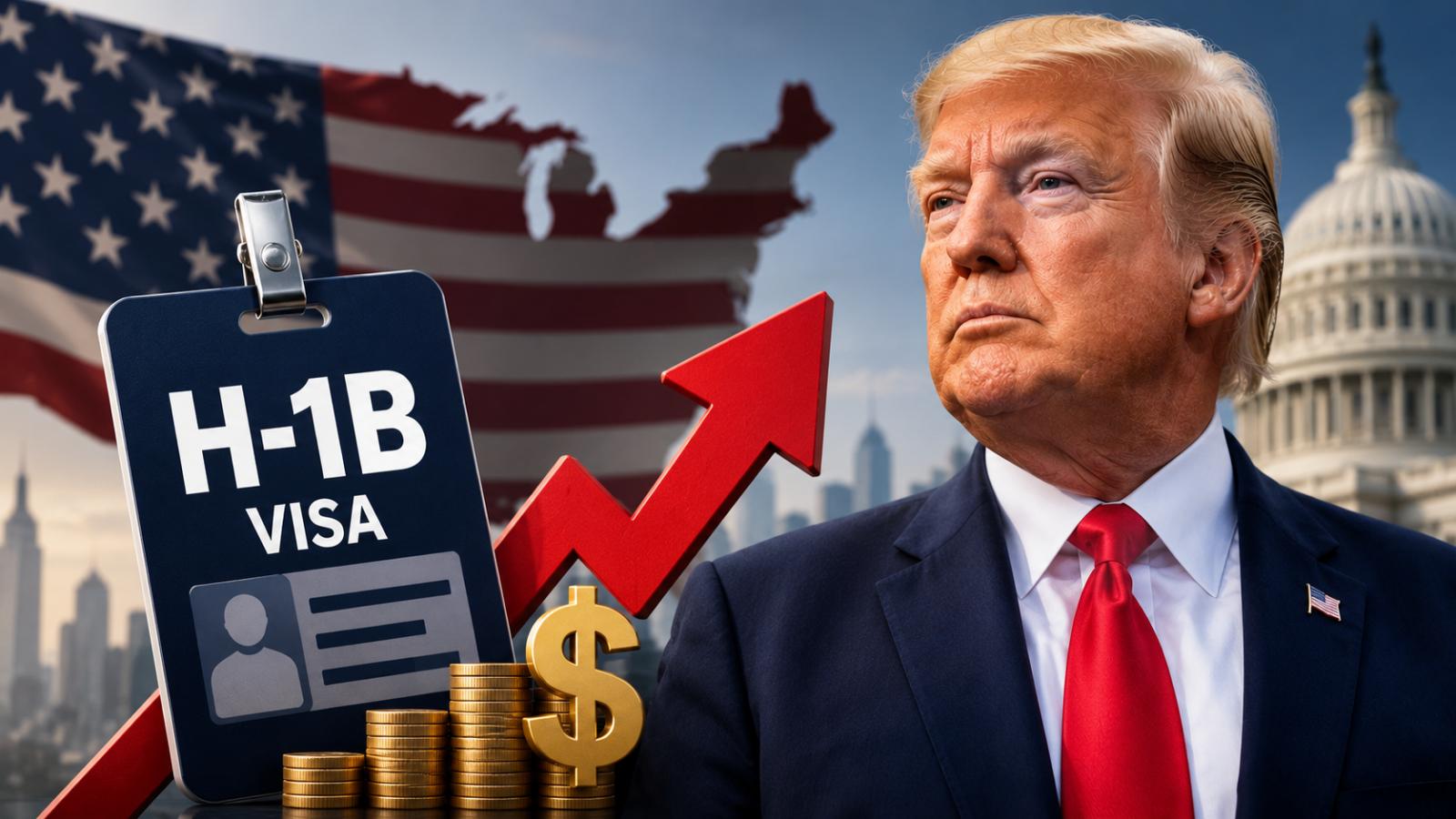
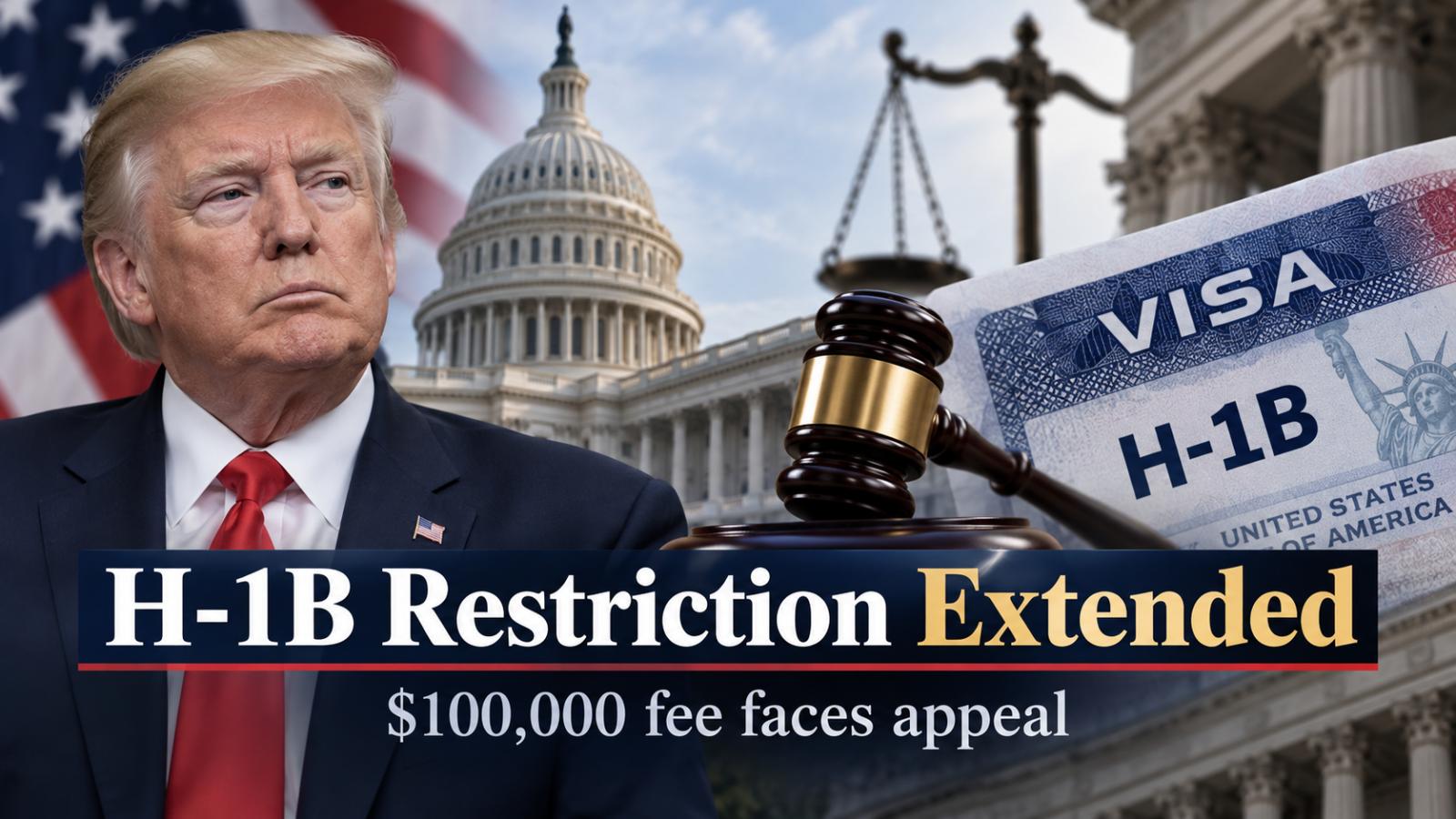
As of August 25, 2026, a presidential proclamation affecting certain H-1B petitions filed after September 21, 2025 remains in effect and is scheduled to expire on September 21, 2026, unless extended. Its application depends on the petition and the worker's circumstances, so current USCIS and State Department guidance should be checked before filing.
For Indian entrepreneurs on H-1B status, the safest approach is to separate business ownership, investment and authorized employment when planning a U.S. venture.