#entrepreneur
How much does it cost to open a convenience store in the US?
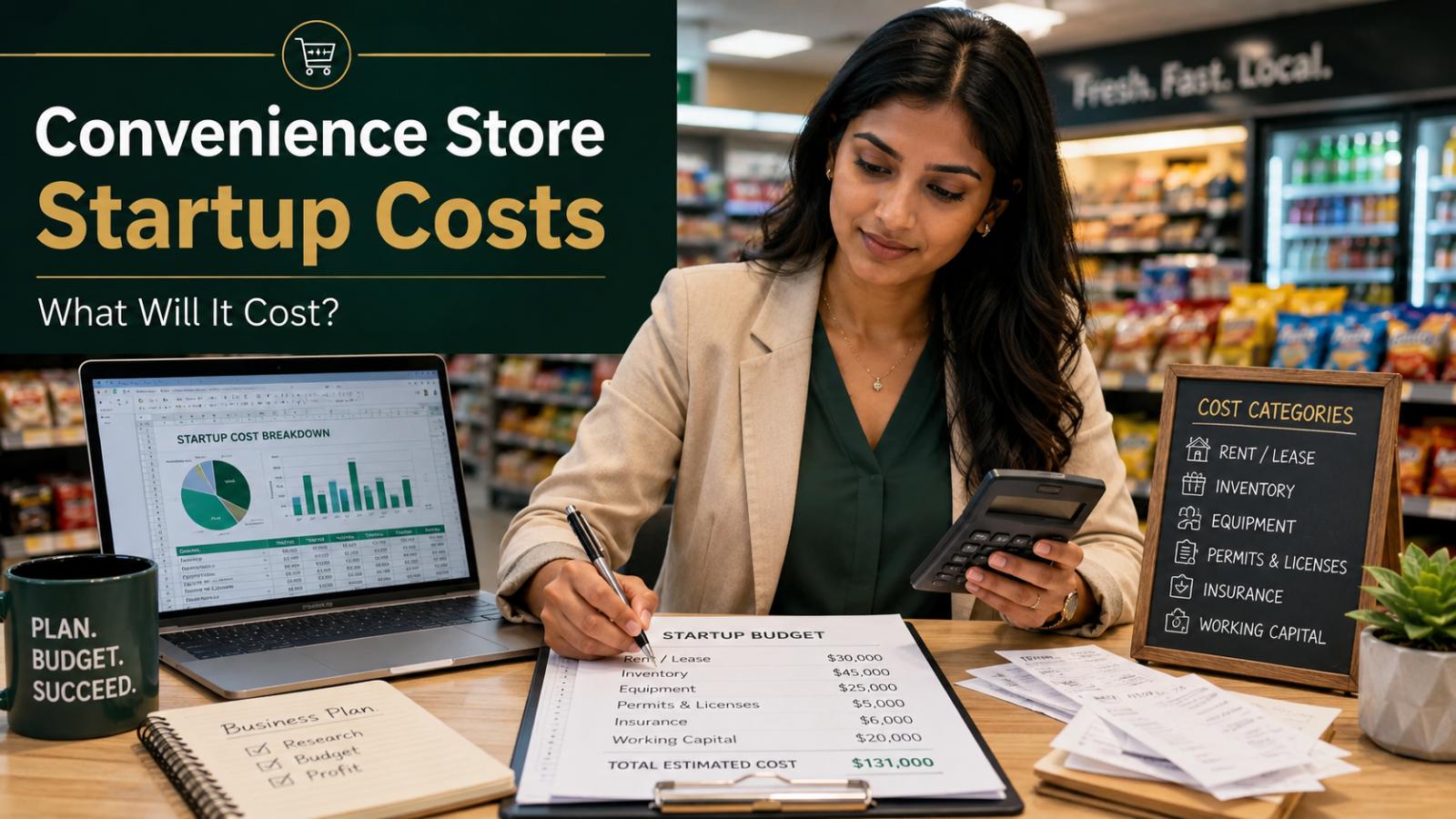
The cost to open a convenience store in the US can vary widely by location, size and product mix. A no-fuel store may require roughly $100,000 to $450,000 in startup capital, with rent, buildout, refrigeration, inventory, permits, insurance and working capital among the biggest expenses. Opening a convenience store in the United States can require a substantial investment. There is no government-set national startup price
How much does it cost to open a convenience store in the US?
The cost to open a convenience store in the US can vary widely by location, size and product mix. A no-fuel store may require roughly $100,000 to $450,000 in startup capital, with rent, buildout, refrigeration, inventory, permits, insurance and working capital among the biggest expenses. Opening a convenience store in the United States can require a substantial investment. There is no government-set national startup price
How to open a convenience store in the US as an Indian
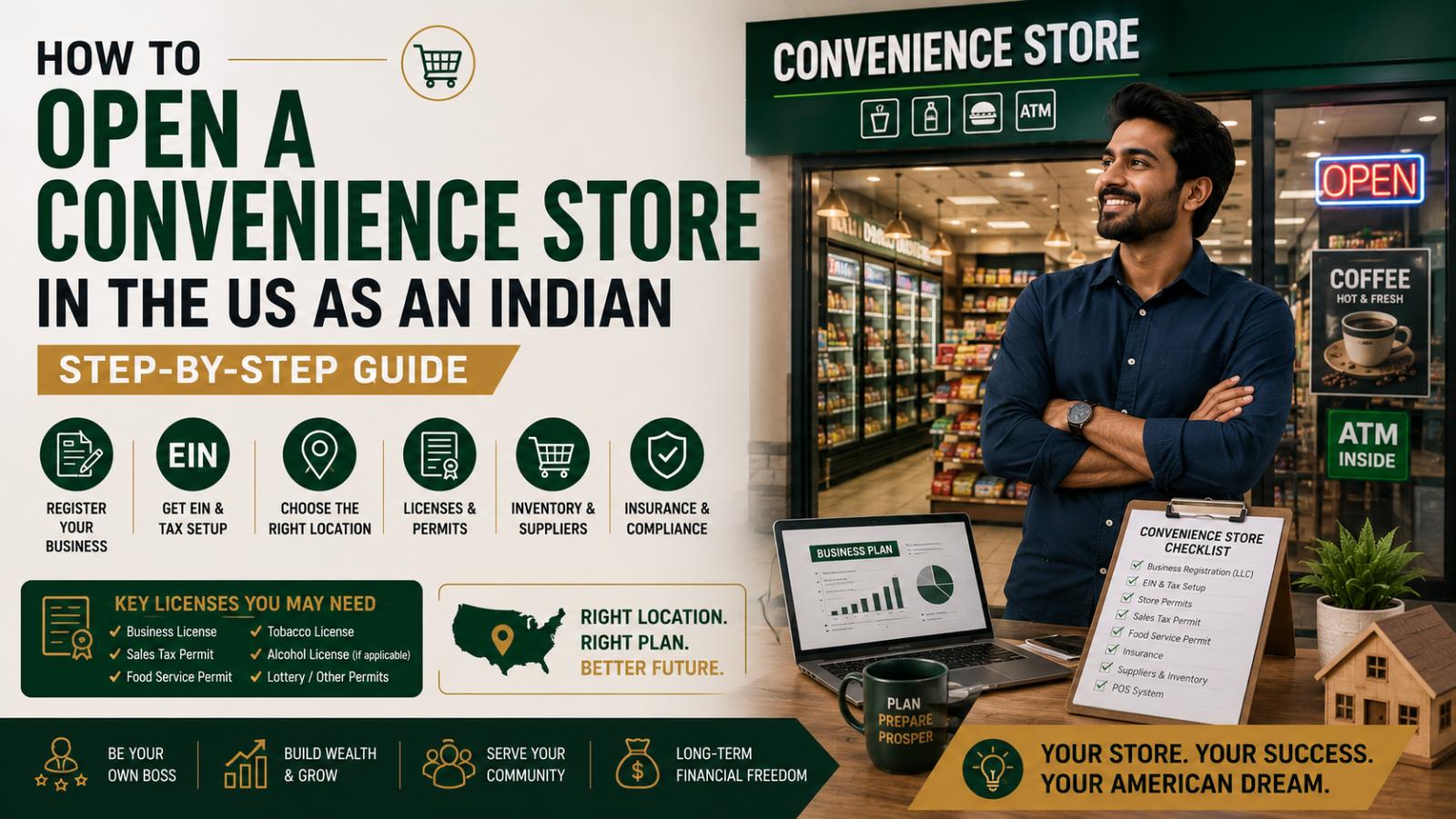
Want to open a convenience store in the US as an Indian? This guide explains business formation, EIN registration, choosing a location, retail and food permits, insurance, inventory, employees and the immigration rules Indian entrepreneurs must consider. Indian citizens can generally own convenience stores in the United States, but opening one involves more than registering a company. Location, licenses, taxes, food regula
How to open a convenience store in the US as an Indian
Want to open a convenience store in the US as an Indian? This guide explains business formation, EIN registration, choosing a location, retail and food permits, insurance, inventory, employees and the immigration rules Indian entrepreneurs must consider. Indian citizens can generally own convenience stores in the United States, but opening one involves more than registering a company. Location, licenses, taxes, food regula
How to start an LLC in the US from India: Step-by-step guide
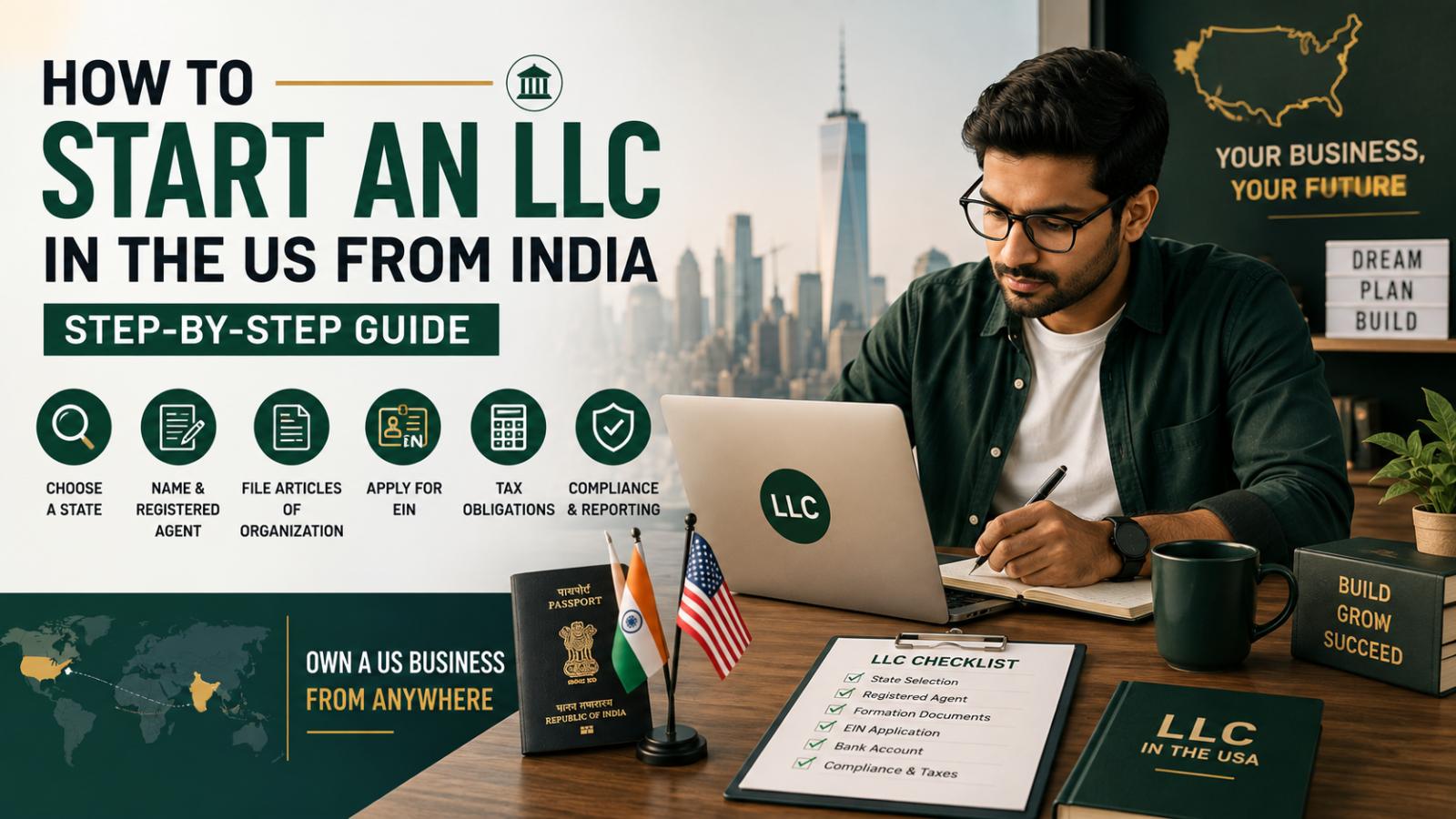
Want to start an LLC in the US from India? Indian citizens can generally own U.S. LLCs without being U.S. residents. This guide explains state selection, registered agents, formation documents, EIN applications, tax reporting and key immigration considerations. An Indian citizen can generally form and own a limited liability company in the United States without being a U.S. citizen or Green Card holder. The IRS says most s
How to start an LLC in the US from India: Step-by-step guide
Want to start an LLC in the US from India? Indian citizens can generally own U.S. LLCs without being U.S. residents. This guide explains state selection, registered agents, formation documents, EIN applications, tax reporting and key immigration considerations. An Indian citizen can generally form and own a limited liability company in the United States without being a U.S. citizen or Green Card holder. The IRS says most s
Can you own a US business without a Green Card or citizenship?
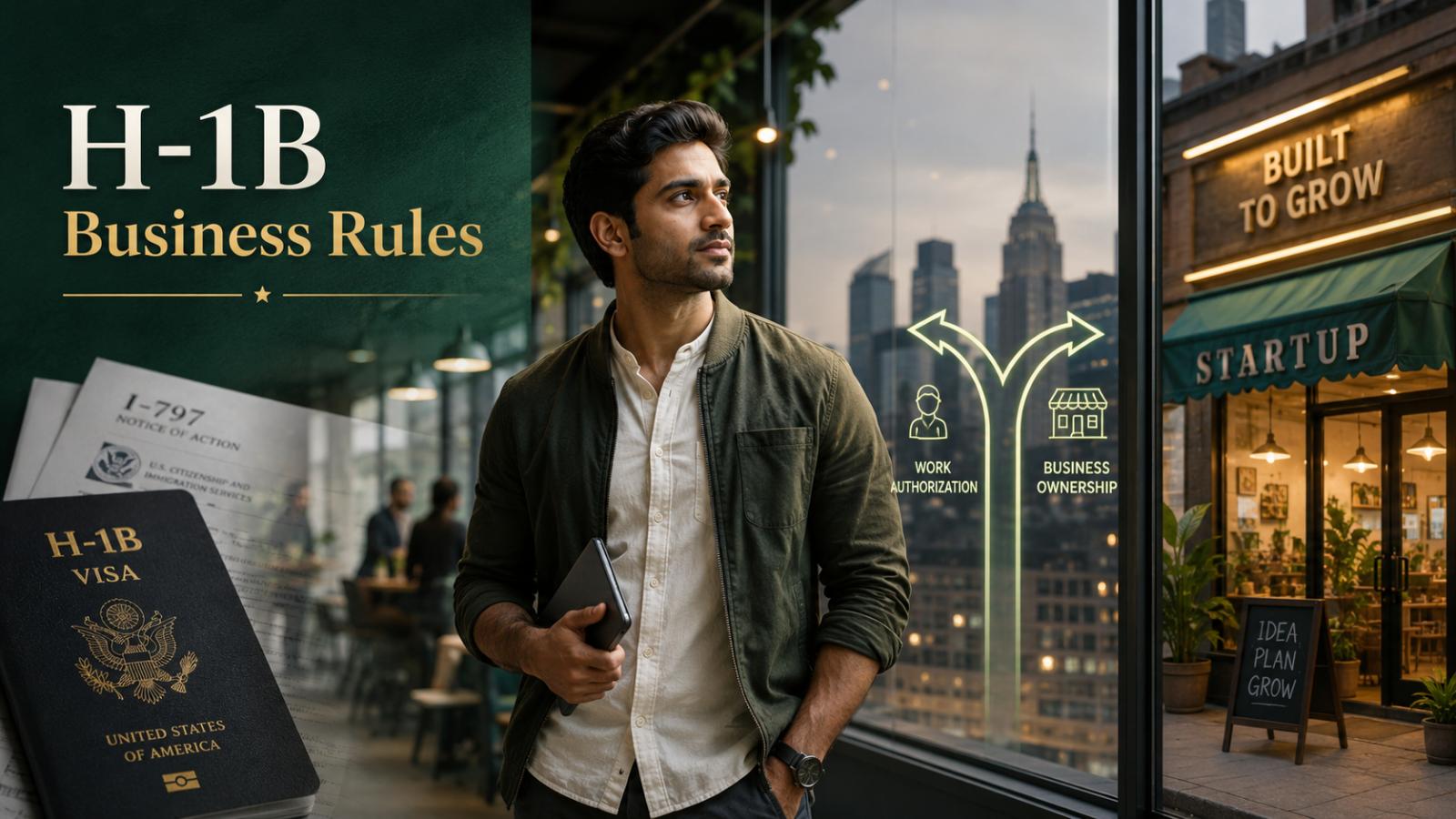
Can you own a US business without a Green Card or citizenship? Generally, yes. Indian nationals can own many U.S. businesses, but ownership does not provide work authorization. This guide explains LLC and corporation options, S corporation limits, taxes, EIN rules and immigration concerns. An Indian citizen generally does not need U.S. citizenship or a Green Card simply to own a U.S. business. U.S. tax rules recognize fore
Can you own a US business without a Green Card or citizenship?
Can you own a US business without a Green Card or citizenship? Generally, yes. Indian nationals can own many U.S. businesses, but ownership does not provide work authorization. This guide explains LLC and corporation options, S corporation limits, taxes, EIN rules and immigration concerns. An Indian citizen generally does not need U.S. citizenship or a Green Card simply to own a U.S. business. U.S. tax rules recognize fore
Can an Indian citizen start a business in the US? Complete guide
Can an Indian citizen start a business in the US? Yes, but business ownership and permission to work are separate issues. This guide explains LLC registration, EIN requirements, taxes, immigration limits and why Indian nationals should check visa rules before operating a U.S. business. An Indian citizen can start or own a business in the United States, including while living in India. But ownership and permission t
Can an Indian citizen start a business in the US? Complete guide
Can an Indian citizen start a business in the US? Yes, but business ownership and permission to work are separate issues. This guide explains LLC registration, EIN requirements, taxes, immigration limits and why Indian nationals should check visa rules before operating a U.S. business. An Indian citizen can start or own a business in the United States, including while living in India. But ownership and permission t
Mukesh Ambani Quote: Dhirubhai’s Lesson For Entrepreneurs
Mukesh Ambani’s quote on entrepreneurship shares a simple but powerful lesson from his father, Dhirubhai Ambani: those who want to build something of their own must learn to find their own way. The message continues to inspire young founders, business owners, and professionals aiming to take charge of their future. The quote, shared in a “Quote of the Day” context, highlights one of the most important principles behi
Mukesh Ambani Quote: Dhirubhai’s Lesson For Entrepreneurs
Mukesh Ambani’s quote on entrepreneurship shares a simple but powerful lesson from his father, Dhirubhai Ambani: those who want to build something of their own must learn to find their own way. The message continues to inspire young founders, business owners, and professionals aiming to take charge of their future. The quote, shared in a “Quote of the Day” context, highlights one of the most important principles behi
33-Year-Old Makes $192K/Month Negotiating Car Deals Remotely
A remote car negotiation service is helping buyers save over $6,000 per deal—and one 33-year-old is earning $192K per month doing it. His business answers a growing question: Can you hire someone to negotiate your car price? The answer is yes—and demand is booming. How the Remote Car Negotiation Service Works Launched in 2023, the entrepreneur began by negotiating deals for free to understand buyer pain points. Aft
33-Year-Old Makes $192K/Month Negotiating Car Deals Remotely
A remote car negotiation service is helping buyers save over $6,000 per deal—and one 33-year-old is earning $192K per month doing it. His business answers a growing question: Can you hire someone to negotiate your car price? The answer is yes—and demand is booming. How the Remote Car Negotiation Service Works Launched in 2023, the entrepreneur began by negotiating deals for free to understand buyer pain points. Aft
Report charts Indian migration waves shaping UK economy and tech sector
A new white paper has underscored the deep and lasting contribution of the Indian diaspora to modern Britain, describing the community as the country’s most economically successful migrant group and a central force in national growth. The report, launched at the House of Lords on 5 February, traces decades of migration and documents how successive generations of Indian migrants have supported Britain’s recovery, innovation and competitiveness across multiple sectors of the economy.
Report charts Indian migration waves shaping UK economy and tech sector
A new white paper has underscored the deep and lasting contribution of the Indian diaspora to modern Britain, describing the community as the country’s most economically successful migrant group and a central force in national growth. The report, launched at the House of Lords on 5 February, traces decades of migration and documents how successive generations of Indian migrants have supported Britain’s recovery, innovation and competitiveness across multiple sectors of the economy.
Green card holders barred from SBA small business loans under new US rules
Green card holders will no longer be eligible for government-backed small business loans in the United States beginning March 1, 2026, following a policy change by the US Small Business Administration that tightens citizenship and residency requirements for borrowers. The revised rules limit access to key SBA lending programs exclusively to US citizens and nationals who maintain their principal residence within the country or its territories, effectively barring lawful permanent residents from participation. According to an official policy notice issued in early February, the agency updated its Standard Operating Procedure 50 10 8, the framework that governs lender and development company loan programs. The revision rescinds earlier procedural guidance that permitted limited ownership by foreign nationals or certain residents living outside the United States. Under the new language, every direct and indirect owner of a small business applicant must meet the citizenship criteria. The SBA said the updated rules require 100 percent of ownership interests in any applicant or borrowing entity to be held by eligible US citizens or nationals. As a result, even minority ownership by a legal permanent resident will disqualify a company from receiving SBA-backed financing. The policy applies broadly to applicants, operating companies, and entities tied to the loan structure, leaving little flexibility for mixed-ownership businesses. The change is expected to affect a wide range of small and early-stage firms that rely on SBA loans for working capital, equipment purchases, and expansion. Many startups and family-owned enterprises depend on these lending programs because they offer lower interest rates and government guarantees that make financing more accessible. With the new restrictions in place, businesses that include green card holders among their owners may need to reconsider ownership arrangements or seek alternative sources of credit from private lenders. Agency officials indicated that the revisions align loan eligibility standards with existing federal regulations and a recent executive directive emphasizing stricter residency compliance. The policy will take effect for all new applications submitted on or after the effective date. Existing and prospective borrowers are being advised to review their ownership structures carefully to ensure continued eligibility under the updated requirements. The move marks a significant shift in how federal small business lending programs define qualification, narrowing access to public funds and reshaping the financing landscape for immigrant entrepreneurs. As the implementation date approaches, legal and financial advisers expect increased demand for guidance from affected business owners who must evaluate their options within the new framework.
Green card holders barred from SBA small business loans under new US rules
Green card holders will no longer be eligible for government-backed small business loans in the United States beginning March 1, 2026, following a policy change by the US Small Business Administration that tightens citizenship and residency requirements for borrowers. The revised rules limit access to key SBA lending programs exclusively to US citizens and nationals who maintain their principal residence within the country or its territories, effectively barring lawful permanent residents from participation. According to an official policy notice issued in early February, the agency updated its Standard Operating Procedure 50 10 8, the framework that governs lender and development company loan programs. The revision rescinds earlier procedural guidance that permitted limited ownership by foreign nationals or certain residents living outside the United States. Under the new language, every direct and indirect owner of a small business applicant must meet the citizenship criteria. The SBA said the updated rules require 100 percent of ownership interests in any applicant or borrowing entity to be held by eligible US citizens or nationals. As a result, even minority ownership by a legal permanent resident will disqualify a company from receiving SBA-backed financing. The policy applies broadly to applicants, operating companies, and entities tied to the loan structure, leaving little flexibility for mixed-ownership businesses. The change is expected to affect a wide range of small and early-stage firms that rely on SBA loans for working capital, equipment purchases, and expansion. Many startups and family-owned enterprises depend on these lending programs because they offer lower interest rates and government guarantees that make financing more accessible. With the new restrictions in place, businesses that include green card holders among their owners may need to reconsider ownership arrangements or seek alternative sources of credit from private lenders. Agency officials indicated that the revisions align loan eligibility standards with existing federal regulations and a recent executive directive emphasizing stricter residency compliance. The policy will take effect for all new applications submitted on or after the effective date. Existing and prospective borrowers are being advised to review their ownership structures carefully to ensure continued eligibility under the updated requirements. The move marks a significant shift in how federal small business lending programs define qualification, narrowing access to public funds and reshaping the financing landscape for immigrant entrepreneurs. As the implementation date approaches, legal and financial advisers expect increased demand for guidance from affected business owners who must evaluate their options within the new framework.
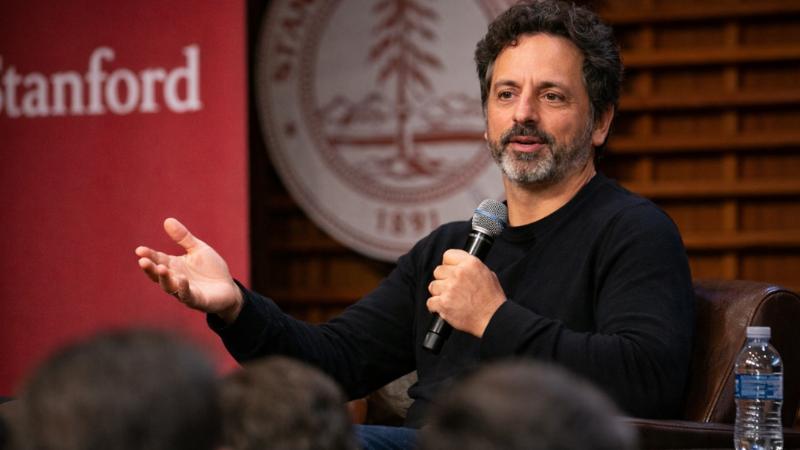
Sergey Brin reflects on Google Glass failure and lessons for student innovators
Success stories in technology are often presented as clean narratives of vision, speed and inevitable triumph. An idea is born, a product is launched, and adoption follows. For students and young entrepreneurs trying to understand how innovation truly unfolds, these stories can feel motivating yet incomplete. The more useful insights frequently emerge not from success, but from missteps that expose the limits of confidence, timing and execution. That perspective was at the center of

Sergey Brin reflects on Google Glass failure and lessons for student innovators
Success stories in technology are often presented as clean narratives of vision, speed and inevitable triumph. An idea is born, a product is launched, and adoption follows. For students and young entrepreneurs trying to understand how innovation truly unfolds, these stories can feel motivating yet incomplete. The more useful insights frequently emerge not from success, but from missteps that expose the limits of confidence, timing and execution. That perspective was at the center of
How to Transition from Corporate to Consulting in Your 40s
Switching from a long corporate career to consulting in your 40s can feel both exciting and overwhelming. You may wonder whether clients will trust you, whether your skills are relevant in today’s market, or whether it is too late to start something new. The truth is—your 40s are one of the best times to begin consulting. You have industry experience, leadership exposure, professional networks, and the maturity to offer real strategic value. With the right plan, you can
How to Transition from Corporate to Consulting in Your 40s
Switching from a long corporate career to consulting in your 40s can feel both exciting and overwhelming. You may wonder whether clients will trust you, whether your skills are relevant in today’s market, or whether it is too late to start something new. The truth is—your 40s are one of the best times to begin consulting. You have industry experience, leadership exposure, professional networks, and the maturity to offer real strategic value. With the right plan, you can
Darden Business School helps Indian students become global leaders
Ranked among the world’s top public institutions, the Darden School of Business at the University of Virginia has gained recognition for shaping students into leaders who can thrive in rapidly evolving global markets. With students from across the world joining its programs, Indian students in particular are increasingly enrolling with a clear aim: to sharpen their leadership and entrepreneurial skills while learning how to apply technical expertise in international business contexts.
Darden Business School helps Indian students become global leaders
Ranked among the world’s top public institutions, the Darden School of Business at the University of Virginia has gained recognition for shaping students into leaders who can thrive in rapidly evolving global markets. With students from across the world joining its programs, Indian students in particular are increasingly enrolling with a clear aim: to sharpen their leadership and entrepreneurial skills while learning how to apply technical expertise in international business contexts.
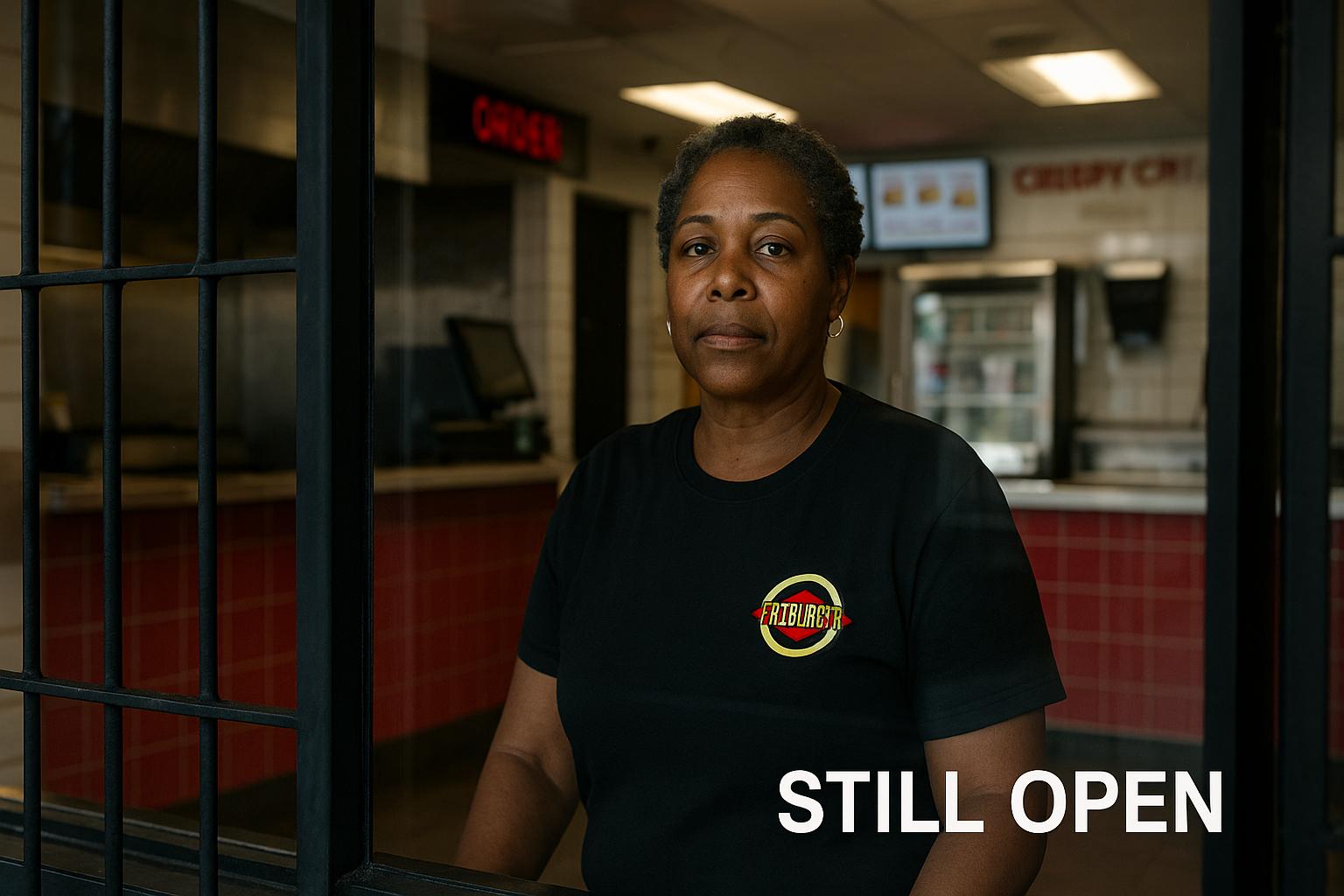
Chicago Fatburger owner fights crime challenges while supporting her community
A Chicago business owner is speaking out about the challenges she faces as crime and violence continue to impact her livelihood. Jackie Jackson, the owner of Fatburger in Chatham, has shared her story of struggle, resilience, and determination to keep her restaurant open while giving back to the South Side neighborhood she calls home. Jackson opened the Fatburger location at 825 E. 87th Street in November of last year. Since then, she has invested in extensive safety measures to pro
Chicago Fatburger owner fights crime challenges while supporting her community
A Chicago business owner is speaking out about the challenges she faces as crime and violence continue to impact her livelihood. Jackie Jackson, the owner of Fatburger in Chatham, has shared her story of struggle, resilience, and determination to keep her restaurant open while giving back to the South Side neighborhood she calls home. Jackson opened the Fatburger location at 825 E. 87th Street in November of last year. Since then, she has invested in extensive safety measures to pro
How AI Is Helping Indian Entrepreneurs Scale Businesses in the USA
Indian entrepreneurs have long been known for their resilience, innovation, and ability to adapt to global markets. In recent years, artificial intelligence (AI) has become a powerful catalyst for Indian startups looking to grow and thrive in the United States. From automating customer service to predicting market trends, AI is proving to be more than just a buzzword—it's becoming a critical tool for business expansion. One of the biggest advantages AI brings to Indian fou
How AI Is Helping Indian Entrepreneurs Scale Businesses in the USA
Indian entrepreneurs have long been known for their resilience, innovation, and ability to adapt to global markets. In recent years, artificial intelligence (AI) has become a powerful catalyst for Indian startups looking to grow and thrive in the United States. From automating customer service to predicting market trends, AI is proving to be more than just a buzzword—it's becoming a critical tool for business expansion. One of the biggest advantages AI brings to Indian fou
AI-Based Business Ideas Indian Youth Are Pitching in the US
In recent years, Indian youth in the United States have increasingly turned to artificial intelligence (AI) to build innovative startups and disrupt traditional industries. With strong technical backgrounds and global exposure, they are creating smart, scalable, and solution-driven business ideas that are attracting investor interest and market demand. One of the top sectors Indian youth are focusing on is healthcare AI. Startups are using machine learning to develo
AI-Based Business Ideas Indian Youth Are Pitching in the US
In recent years, Indian youth in the United States have increasingly turned to artificial intelligence (AI) to build innovative startups and disrupt traditional industries. With strong technical backgrounds and global exposure, they are creating smart, scalable, and solution-driven business ideas that are attracting investor interest and market demand. One of the top sectors Indian youth are focusing on is healthcare AI. Startups are using machine learning to develo
Indian Young Adults Launching AI Startups in the USA: Revolutionizing Tech
The tech industry is buzzing with innovation, and AI (Artificial Intelligence) is at the forefront of this transformation. In the USA, young Indian entrepreneurs are leading the way, launching successful AI startups that are shaping the future of technology. With a blend of creativity, technical expertise, and entrepreneurial spirit, these young adults are making waves in the AI ecosystem. Why AI? Why Now? AI is everywhere, from healthcare to finance, and its
Indian Young Adults Launching AI Startups in the USA: Revolutionizing Tech
The tech industry is buzzing with innovation, and AI (Artificial Intelligence) is at the forefront of this transformation. In the USA, young Indian entrepreneurs are leading the way, launching successful AI startups that are shaping the future of technology. With a blend of creativity, technical expertise, and entrepreneurial spirit, these young adults are making waves in the AI ecosystem. Why AI? Why Now? AI is everywhere, from healthcare to finance, and its
Why Corporate ‘Retirement’ Is Now Starting at Age 45 in India
The long-standing assumption that corporate employees can expect stable employment until age 60 is rapidly becoming outdated. According to investment banker and corporate advisor Sarthak Ahuja, there is a troubling shift taking place in India’s job market where professionals in their early-to-mid 40s are increasingly being pushed out, not formally, but structurally. “There’s a very disturbing trend coming up in Indian corporates where the retirement age is moving f
Why Corporate ‘Retirement’ Is Now Starting at Age 45 in India
The long-standing assumption that corporate employees can expect stable employment until age 60 is rapidly becoming outdated. According to investment banker and corporate advisor Sarthak Ahuja, there is a troubling shift taking place in India’s job market where professionals in their early-to-mid 40s are increasingly being pushed out, not formally, but structurally. “There’s a very disturbing trend coming up in Indian corporates where the retirement age is moving f
Origin Entrepreneur Raj Sardana Built a $2 Billion Fortune After Moving to the US on an H-1B Visa
A Forbes report on billionaire immigrants who started their journey in the U.S. on an H-1B visa highlights a few notable Indian entrepreneurs. Among them, Raj Sardana, the founder and CEO of Innova Solutions, stands out for building a $2 billion fortune from scratch. Early Life and Struggles in India Born in Delhi in 1960 to Punjabi parents, Raj Sardana grew up in a modest household. His family, displaced during the 1947 partition, lived in
Origin Entrepreneur Raj Sardana Built a $2 Billion Fortune After Moving to the US on an H-1B Visa
A Forbes report on billionaire immigrants who started their journey in the U.S. on an H-1B visa highlights a few notable Indian entrepreneurs. Among them, Raj Sardana, the founder and CEO of Innova Solutions, stands out for building a $2 billion fortune from scratch. Early Life and Struggles in India Born in Delhi in 1960 to Punjabi parents, Raj Sardana grew up in a modest household. His family, displaced during the 1947 partition, lived in
Elon Musk Highlights India-US Trade Potential During Visit of Indian Entrepreneurs to SpaceX Starbase
During a visit to SpaceX's Starbase facility in Texas on Friday, Elon Musk shared his optimistic view on the growing India-US trade relationship, stating that the bilateral ties are “trending positive.” Musk, a key player in both the automotive and technology sectors, expressed his support for lowering trade barriers between the two nations to foster increased commerce and
Elon Musk Highlights India-US Trade Potential During Visit of Indian Entrepreneurs to SpaceX Starbase
During a visit to SpaceX's Starbase facility in Texas on Friday, Elon Musk shared his optimistic view on the growing India-US trade relationship, stating that the bilateral ties are “trending positive.” Musk, a key player in both the automotive and technology sectors, expressed his support for lowering trade barriers between the two nations to foster increased commerce and