#nriguide
Domestic Violence Laws in Texas: What Every NRI Should Know
Domestic violence laws in Texas treat family violence allegations seriously. Police investigate reported incidents, courts may issue protective orders, and criminal cases follow state law. Understanding the legal process helps NRIs and new residents avoid misunderstandings. How Texas Defines Family Violence Texas law generally refers to domestic violence as family violence, which i
Domestic Violence Laws in Texas: What Every NRI Should Know
Domestic violence laws in Texas treat family violence allegations seriously. Police investigate reported incidents, courts may issue protective orders, and criminal cases follow state law. Understanding the legal process helps NRIs and new residents avoid misunderstandings. How Texas Defines Family Violence Texas law generally refers to domestic violence as family violence, which i
Can Police Arrest Someone Without the Victim Pressing Charges?
Can police arrest someone without the victim pressing charges in the US? In many situations, officers may make an arrest if they have probable cause that a crime occurred. The decision to pursue criminal charges is generally made by prosecutors based on the available evidence. Can Police Make an Arrest Without the Victim's Request? In the
Can Police Arrest Someone Without the Victim Pressing Charges?
Can police arrest someone without the victim pressing charges in the US? In many situations, officers may make an arrest if they have probable cause that a crime occurred. The decision to pursue criminal charges is generally made by prosecutors based on the available evidence. Can Police Make an Arrest Without the Victim's Request? In the
What Happens If 911 Is Called During a Domestic Argument in the US?
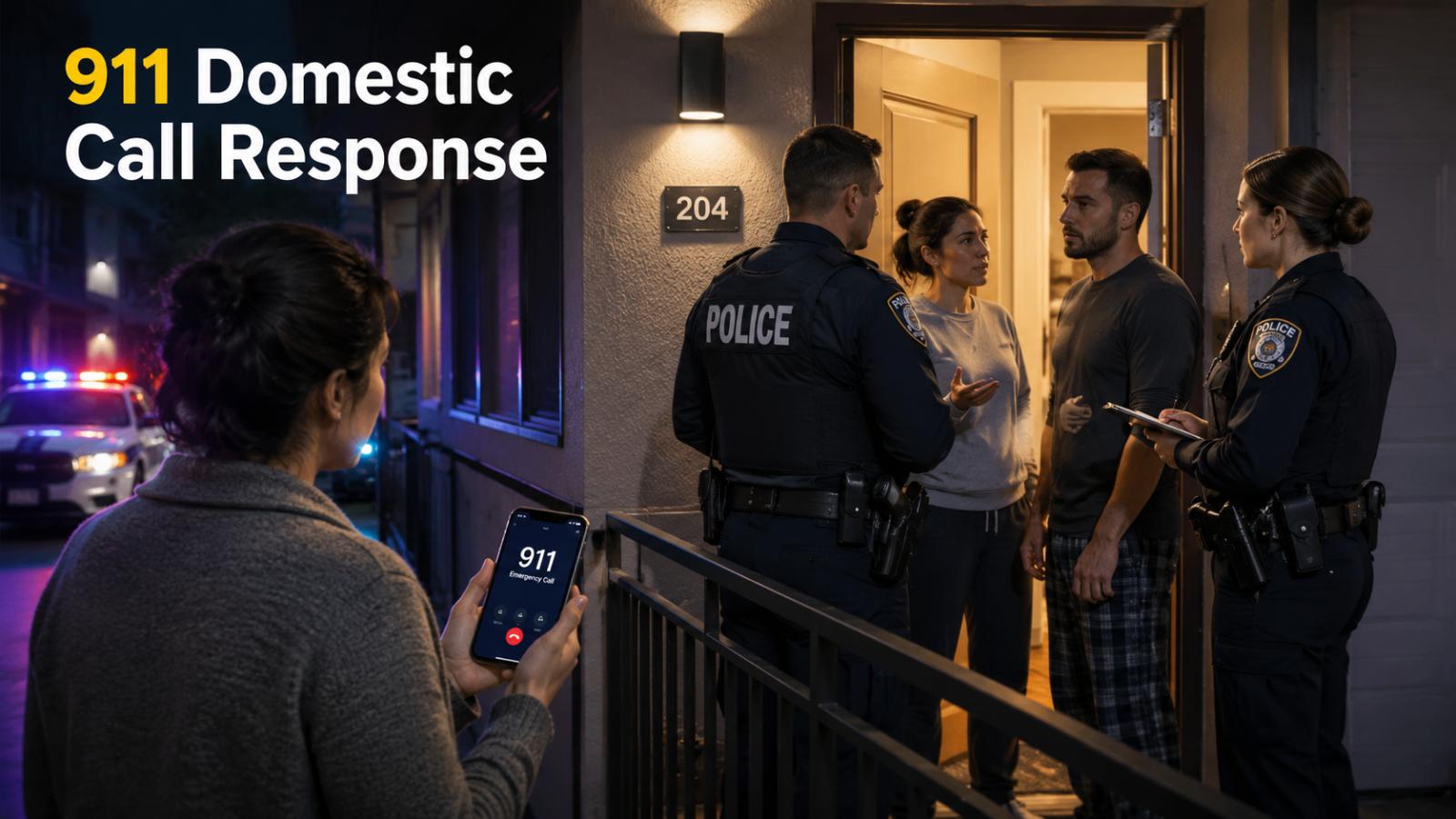
If 911 is called during a domestic argument in the US, police respond to assess safety, gather evidence, interview those involved, and determine whether legal action is necessary under applicable state law. What Happens When Someone Calls 911? In the United States, anyone who believes a person may be in immediate danger can call 911, including a neighbor, passerby, family member, or witness. Police do not require the alleged victim to make the emergency call before responding. Dispatchers send officers based on the information available and the reported level of risk. Police Response to a Domestic Dispute When officers arrive, their first responsibility is to ensure everyone's safety. They may separate the individuals involved, check for injuries, speak with witnesses, and assess whether medical assistance is needed. Officers can also document property damage, review available evidence, and, where permitted, use body-worn camera recordings as part of their investigation. Police are trained to determine what occurred rather than relying only on one person's account. Their observations, witness statements, and physical evidence all contribute to the investigation. Can Someone Be Arrested? Can police arrest someone without the victim pressing charges? An arrest does not always depend on whether the alleged victim wants to file a complaint. If officers believe there is probable cause that a crime, such as assault or family violence under applicable state law, has occurred, they may make an arrest consistent with that state's legal requirements. The exact procedures vary across states, and prosecutors—not victims alone—generally decide whether criminal charges should proceed. Domestic violence laws in Texas What Are the Rights of Both Parties? Both individuals have legal rights throughout the process. They may seek medical care, speak with an attorney, and participate in the legal process as required. Courts ultimately determine guilt or innocence, and every accused person is presumed innocent unless proven guilty in court. If officers believe someone remains at risk, a court may later consider issuing protective measures where permitted by law. Why Neighbors Sometimes Call 911 Can your neighbor call 911 during a family argument in the US? Apartment residents and nearby witnesses often report loud arguments, repeated shouting, sounds of violence, or calls for help when they believe someone could be in danger. Emergency operators encourage people to report situations where there appears to be an immediate threat rather than attempting to intervene themselves. What should you do if police arrive during a domestic dispute? Domestic disturbance calls are treated seriously across the United States because officers must quickly determine whether anyone needs protection or medical assistance. While every case depends on its specific facts and the laws of the state where it occurs, understanding how police respond can help residents, including new immigrants, better understand the legal process and the importance of resolving conflicts safely. What happens after a domestic violence arrest in the US?
What Happens If 911 Is Called During a Domestic Argument in the US?
If 911 is called during a domestic argument in the US, police respond to assess safety, gather evidence, interview those involved, and determine whether legal action is necessary under applicable state law. What Happens When Someone Calls 911? In the United States, anyone who believes a person may be in immediate danger can call 911, including a neighbor, passerby, family member, or witness. Police do not require the alleged victim to make the emergency call before responding. Dispatchers send officers based on the information available and the reported level of risk. Police Response to a Domestic Dispute When officers arrive, their first responsibility is to ensure everyone's safety. They may separate the individuals involved, check for injuries, speak with witnesses, and assess whether medical assistance is needed. Officers can also document property damage, review available evidence, and, where permitted, use body-worn camera recordings as part of their investigation. Police are trained to determine what occurred rather than relying only on one person's account. Their observations, witness statements, and physical evidence all contribute to the investigation. Can Someone Be Arrested? Can police arrest someone without the victim pressing charges? An arrest does not always depend on whether the alleged victim wants to file a complaint. If officers believe there is probable cause that a crime, such as assault or family violence under applicable state law, has occurred, they may make an arrest consistent with that state's legal requirements. The exact procedures vary across states, and prosecutors—not victims alone—generally decide whether criminal charges should proceed. Domestic violence laws in Texas What Are the Rights of Both Parties? Both individuals have legal rights throughout the process. They may seek medical care, speak with an attorney, and participate in the legal process as required. Courts ultimately determine guilt or innocence, and every accused person is presumed innocent unless proven guilty in court. If officers believe someone remains at risk, a court may later consider issuing protective measures where permitted by law. Why Neighbors Sometimes Call 911 Can your neighbor call 911 during a family argument in the US? Apartment residents and nearby witnesses often report loud arguments, repeated shouting, sounds of violence, or calls for help when they believe someone could be in danger. Emergency operators encourage people to report situations where there appears to be an immediate threat rather than attempting to intervene themselves. What should you do if police arrive during a domestic dispute? Domestic disturbance calls are treated seriously across the United States because officers must quickly determine whether anyone needs protection or medical assistance. While every case depends on its specific facts and the laws of the state where it occurs, understanding how police respond can help residents, including new immigrants, better understand the legal process and the importance of resolving conflicts safely. What happens after a domestic violence arrest in the US?