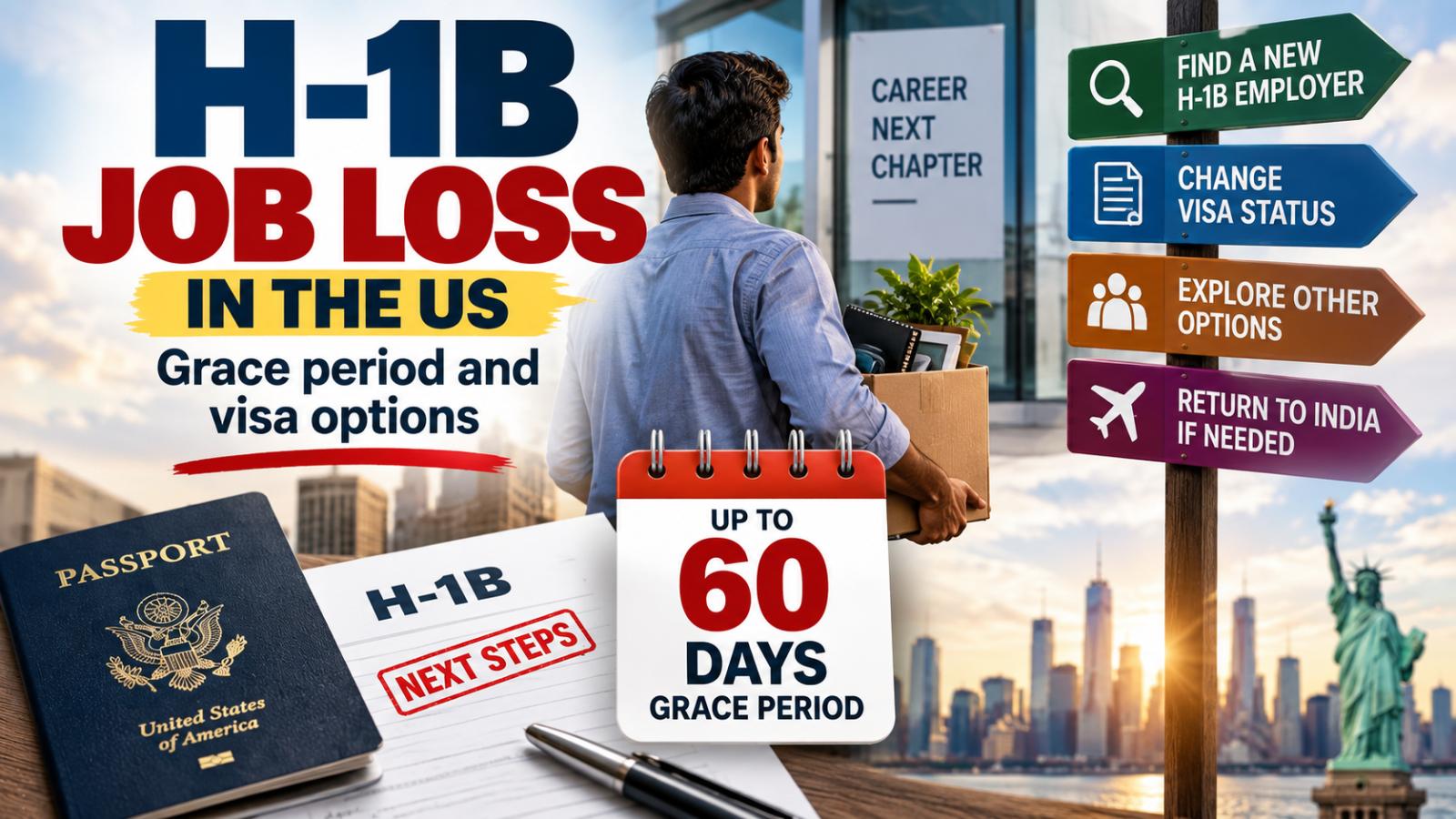
H-1B workers who lose a US job may qualify for an up-to-60-day grace period to take immigration action. This guide explains the current rule, changing employers, changing status, employer obligations and a new DHS proposal that could eliminate the grace period.
How the H-1B grace period works
When H-1B employment ends, either voluntarily or involuntarily, federal regulations currently allow an eligible worker up to 60 consecutive days without being considered to have failed to maintain nonimmigrant status solely because employment ended.
The period lasts for up to 60 days or until the worker's existing authorized validity period expires, whichever comes first. It is available once during each authorized validity period, and DHS may shorten or eliminate it as a matter of discretion. Workers generally cannot work during the grace period unless separately authorized.
Finding a new H-1B employer after a layoff
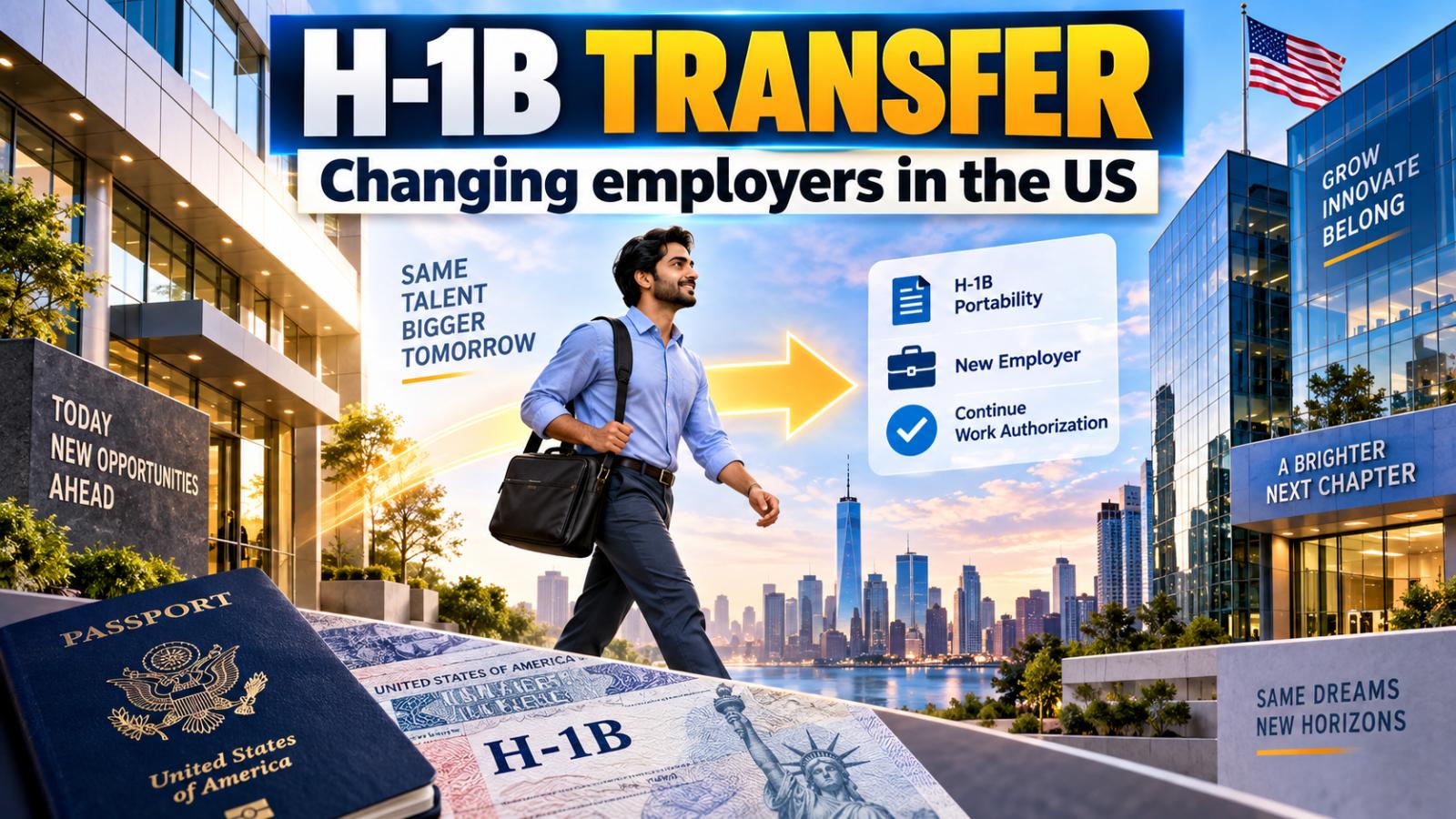
One major option is securing another qualifying H-1B employer.
If an eligible new employer properly files an H-1B petition during the worker's authorized stay, H-1B portability rules may allow the worker to begin employment with the new company before USCIS reaches a final decision on the petition.
This makes the grace period particularly important for workers searching for another sponsoring employer. USCIS has also explained that workers should not assume they automatically must leave the country once 60 days have passed if another qualifying immigration filing was made in time.
Changing immigration status after H-1B job loss
A worker who cannot immediately find another H-1B employer may, if eligible, file for a change to another nonimmigrant status before the applicable grace period or authorized stay ends.
USCIS has identified possible options including changing to another qualifying nonimmigrant classification. Certain workers may also have immigration options connected to an adjustment-of-status case or other employment-based filings, depending on their individual circumstances.
Employer obligations after termination
When an employer dismisses an H-1B worker before the end of the authorized employment period, federal rules require steps for a bona fide termination, including notifying the worker and USCIS.
In applicable cases, the employer must also offer or pay the reasonable cost of the worker's return transportation abroad. This obligation relates to transportation and does not mean the employer must continue sponsoring the worker after termination.
Could the 60-day grace period change?
The current grace period remains in federal regulations as of September 22, 2026. However, DHS published a proposed rule on September 11, 2026 that would remove the discretionary up-to-60-day grace period.
Because that proposal is not yet a final rule, workers should rely on the current regulation while closely following any final DHS action. If the rule changes, this article will need to be updated promptly.